Plot Explained Spoilers guaranteed!
Plot Explained

Browse by genre

Even the Rain (2010) movie poster

Timeline

Even the Rain (2010) Timeline Explained – Every Event in Order

Release, runtime and language
2010 · 104 mins · Spanish
Loading streaming availability…
Directed by
Icíar Bollaín
Starring
Gael García Bernal, Raúl Arévalo, Carlos Santos, Karra Elejalde, Luis Tosar, Cassandra Ciangherotti

A Spanish director and his crew travel to Cochabamba, Bolivia, to film a controversial movie about Christopher Columbus. While shooting, they become entangled in the city’s real‑life struggle as locals rise up against a plan to privatize the water supply, forcing everyone to confront the cost of both historical and present‑day exploitation.

On this page (5)
  1. 1 Where to watch
  2. 2 Events in order (13)
  3. 3 Timeline questions answered
  4. 4 Movie threads
  5. 5 Every angle
Loading streaming availability…

13 events in order · contains spoilers

Even the Rain Timeline: Events in Chronological Order

Every key event of Even the Rain (2010) in order, scene by scene, with when and where it takes place. Use it to untangle flashbacks, time jumps and parallel storylines, to refresh your memory before the sequel or to find the exact scene you are thinking of.

  1. Production moves to Bolivia

    Costa and Sebastián decide to shoot in Cochabamba, Bolivia to stretch the budget. They embrace a bold plan to produce a historical drama with limited resources and a tight schedule. The relocation sets the tone for a production driven by scarcity and improvisation.

    When
    Day 1
    Where
    Cochabamba, Bolivia
  2. Open casting draws locals

    An open casting pamphlet draws hundreds of Bolivian locals eager for a chance to work. Daniel, Hatuey, and Belén are cast, and their first encounter during casting exposes the tension between the producers and the local community. The inclusion of locals begins to blur the line between film and real life.

    When
    Casting phase
    Where
    Cochabamba, Bolivia
  3. Filming begins with smooth progress

    The shoot starts with unexpectedly smooth progress despite challenges like Anton's on-set alcoholism. Costa stays wary of Daniel's influence while Sebastián senses the energy Daniel could bring to the film. Early days hint at both potential and friction behind the scenes.

    When
    Start of shoot
    Where
    On set, Cochabamba
  4. English scorn exposes exploitation

    Costa vents his disdain for the natives in English, unaware that Daniel understands him. This moment reveals the exploitative underpinnings of the production. Daniel's awareness grows, sharpening the moral tension around the filmmaking process.

    Where
    On set, Cochabamba
  5. Natives start protests over water

    The community's patience wears thin as protests over water rights spill into Cochabamba. The crew watches real-world tensions rise, complicating the production's ambitions. Optimism gives way to a sense of urgent conflict.

    When
    Mid-production
    Where
    Cochabamba, Bolivia
  6. Daniel leads demonstrations; arrest follows

    Daniel takes a lead role in demonstrations against the water company, challenging the production's control. Costa tries to quiet him with money, but Daniel redirects those funds to support the protesters and remains active. His actions lead to his arrest, escalating the crisis.

    When
    During protests
    Where
    Cochabamba streets
  7. Police bribery buys a temporary release

    Costa bribes the police to secure Daniel's temporary release so a crucial Columbus–Hatuey scene can be filmed. Daniel is arrested again soon after, but a crowd of extras helps him slip away. The production teeters on the edge of collapse as authorities intervene.

    When
    During filming after arrest
    Where
    Cochabamba streets
  8. Night of unrest and worry

    That night, news footage shows the unrest spreading across the city. Cast members Juan and Alberto watch the reports with growing concern about safety and the project's future. They begin to contemplate leaving to protect themselves.

    When
    Night
    Where
    Cochabamba
  9. Teresa pleads to locate Belén

    The next morning, Teresa begs Costa to help locate Belén, who has vanished amid the protests and may be wounded. Costa resists at first but is persuaded by Teresa and Sebastián's plea. He joins the search through the wrecked streets.

    When
    Next morning
    Where
    Cochabamba, Bolivia
  10. Belén is found but injured

    Belén is located and saved, but sustains a severe leg injury that may never fully heal. Costa's involvement underscores the real human costs behind the production. The crew faces a shift from shooting to handling the consequences of the unrest.

    When
    During search
    Where
    Cochabamba streets
  11. Blockade halts production

    A military blockade stops the production and most of the crew leaves Sebastián behind while Antón stays. The shoot stalls as safety concerns dominate the remaining days. The city bears the scars of the uprising and the halted project.

    When
    Blockade day
    Where
    Cochabamba
  12. Revolution ends; company withdraws

    The multinational water company withdraws, ending the confrontation and leaving Cochabamba changed. Costa is moved by Daniel's perseverance and remains hopeful that the film can still be completed. The upheaval shapes the faith of everyone involved.

    When
    End of crisis
    Where
    Cochabamba
  13. Daniel honors the people with Bolivian water

    In a quiet moment of gratitude, Daniel presents Costa with a vial of Bolivian water as a tribute to the courage and resilience of the people. The gesture seals a personal bond between the cast, crew, and community. Hope lingers that the story can still be told.

    When
    End of crisis
    Where
    Cochabamba

Last updated: October 09, 2025 at 16:56

Was this helpful?

Timeline questions answered

Even the Rain Timeline Explained: Your Questions Answered

When does it happen, and why in that order? The questions people ask about the chronology of Even the Rain (2010): time jumps, flashbacks, cause and effect between scenes and the correct order of events, each answered with spoilers.

Q1

Why did the producer choose Bolivia to shoot the Columbus film?

Costa chose Bolivia because it was the poorest country in South America, allowing them to stretch their tight budget further. He envisioned saving thousands of dollars by using underpaid local extras for tasks that would normally require trained engineers, effectively turning the production into a round-the-clock effort to maximize production value from scarcity.

  • budget
  • bolivia
  • production
  • costar
  • filmmaking
Q2

Why does Daniel take money from Costa while continuing to protest?

Daniel accepts Costa's pay raise offer to stay out of trouble, but he uses the money to fund the protesters rather than remaining silent. This strategic decision allows him to financially support the water rights movement while maintaining his position on the film set, ultimately leading to his arrest.

  • daniel
  • protest
  • money
  • arrest
  • water rights
Q3

Why does Costa bribe the police to release Daniel?

Costa bribes the police to secure Daniel's temporary release because they urgently need him to film the crucial scene where Columbus and his conquistadors execute Hatuey and his rebels. Without Daniel, the most symbolically important scene of the entire film cannot be completed, threatening the entire project.

  • bribe
  • police
  • daniel
  • hatuey scene
  • columbus
Q4

Why does Costa agree to help find Belén after initially refusing?

Costa initially resists helping Teresa locate her daughter Belén, who has vanished into the protests and may be wounded. However, he is persuaded by Teresa's persistent pleading combined with Sebastián's impassioned appeal, leading him to join the search through Cochabamba's wrecked streets.

  • costa
  • belen
  • teresa
  • search
  • protests
Q5

How does the Columbus film connect to the real water protests in Cochabamba?

The film-within-a-film serves as a direct parallel to the contemporary water war. Just as Columbus and the Spanish conquistadors exploited and colonized indigenous people, the multinational water company is exploiting Bolivia's water resources. Daniel's role as Hatuey, a rebel leader fighting against colonial oppression, mirrors his own fight against corporate water privatization.

  • columbus
  • water war
  • parallel
  • exploitation
  • bolivia
Q6

Why does Daniel understand English when Costa criticizes the natives?

Daniel understands English but lets Costa believe he doesn't, which makes the moment when Costa vents his disdain for the natives in English particularly sharp. This reveals the exploitative attitudes behind the production and deepens Daniel's awareness of how the crew truly views the local people.

Foreshadowing: During casting, Daniel's insistence that everyone deserve a chance already signals his assertiveness.

  • daniel
  • english
  • misunderstanding
  • exploitation
  • awareness
Q7

What happens to Belén's leg injury?

Belén is found and her life is saved, but she sustains a severe leg injury that may never fully heal. This permanent injury represents the real human cost of the conflict on the local community, directly affecting Daniel's daughter and one of the film's cast members.

  • belen
  • injury
  • leg
  • hospital
  • permanent
Q8

Why does most of the crew leave Cochabamba?

A military blockade halts the production, and safety concerns drive most of the crew to leave Sebastián and return home. Only Antón, the actor playing Columbus, remains behind with Sebastián as the city descends into unrest and the production stalls completely.

  • crew
  • leave
  • blockade
  • safety
  • antón
Q9

What does the vial of water represent at the end of the movie?

In the final scene, Daniel presents Costa with a vial of Bolivian water as a tribute to the courage and resilience of the people who gave the story its truth. The gesture symbolizes the intersection of the film's narrative and real-life struggle, water representing both life itself and the victory over corporate exploitation.

  • water
  • vial
  • symbol
  • gratitude
  • resilience
Q10

Why does Sebastián want to continue the film despite everything?

Sebastián remains determined to complete the film even as the production falls apart around him, though he doubts whether it can be finished. His commitment seems driven by a desire to honor the story they have been telling and the people who participated, particularly Daniel and Belén.

  • sebastián
  • film
  • complete
  • determination
  • doubt
Q11

What is the significance of Hatuey in the film?

Hatuey was a real Taíno leader who led an indigenous rebellion against Spanish colonizers in Hispaniola. By casting Daniel as Hatuey, the film draws a direct historical parallel between 15th-century colonialism and contemporary corporate exploitation in Bolivia, reinforcing the movie's theme that the fight against oppression continues through the ages.

  • hatuey
  • rebellion
  • columbus
  • historical
  • taíno
Q12

How does Costa's attitude toward the locals change throughout the movie?

Costa begins as a pragmatic, profit-focused producer who views locals as means to cut costs and openly scorns them in English. His attitude gradually shifts as he witnesses the real struggle, experiences guilt when exposed, and ultimately risks his safety to help find Belén, demonstrating genuine moral transformation.

Foreshadowing: The moment Daniel reveals he understood English marks a turning point in Costa's awareness.

  • costa
  • attitude
  • transformation
  • guilt
  • local
Q13

What happens to the water company after the protests?

The multinational water company withdraws from Cochabamba, ending the water war and marking a victory for the protesters. However, the city remains scarred by the conflict, the community has suffered deeply, and the film production itself hangs in the balance, creating a bittersweet conclusion.

  • water company
  • withdraw
  • protests
  • victory
  • bittersweet

Movie threads

More Movies Like Even the Rain, by Mood & Story

Curated lists built around what makes Even the Rain tick: the same mood, the same kind of story or the same emotional payoff. Each list explains why these movies belong together.

Movies where art confronts reality like Even the Rain

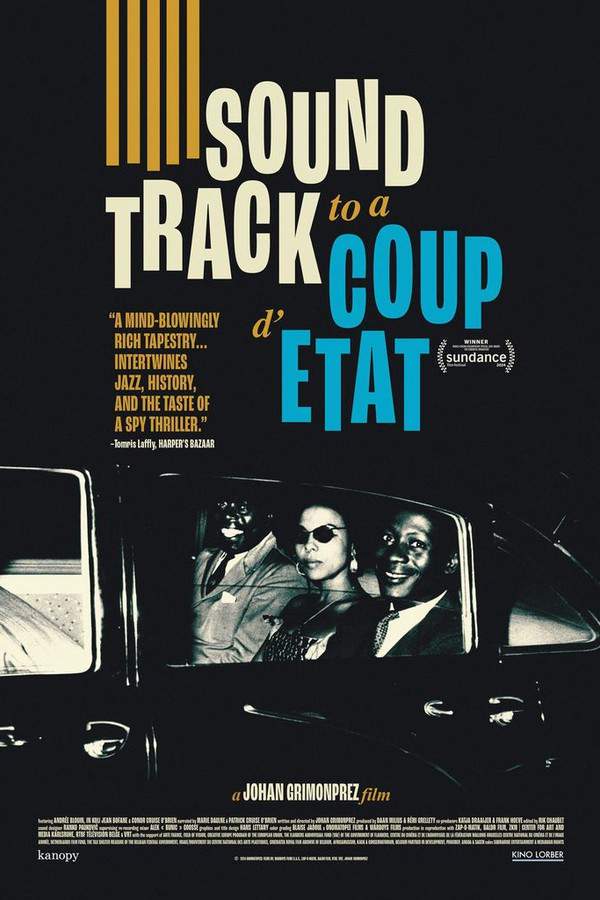
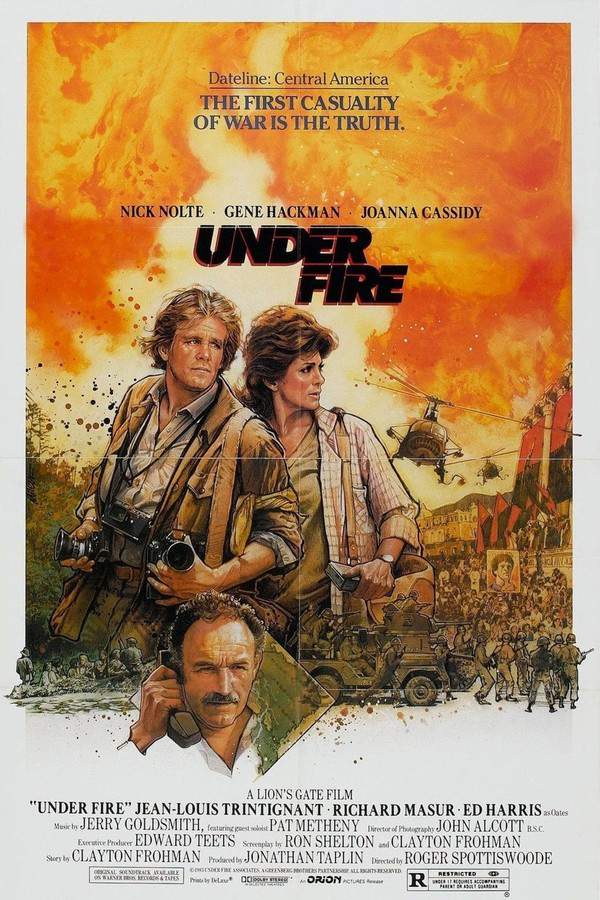
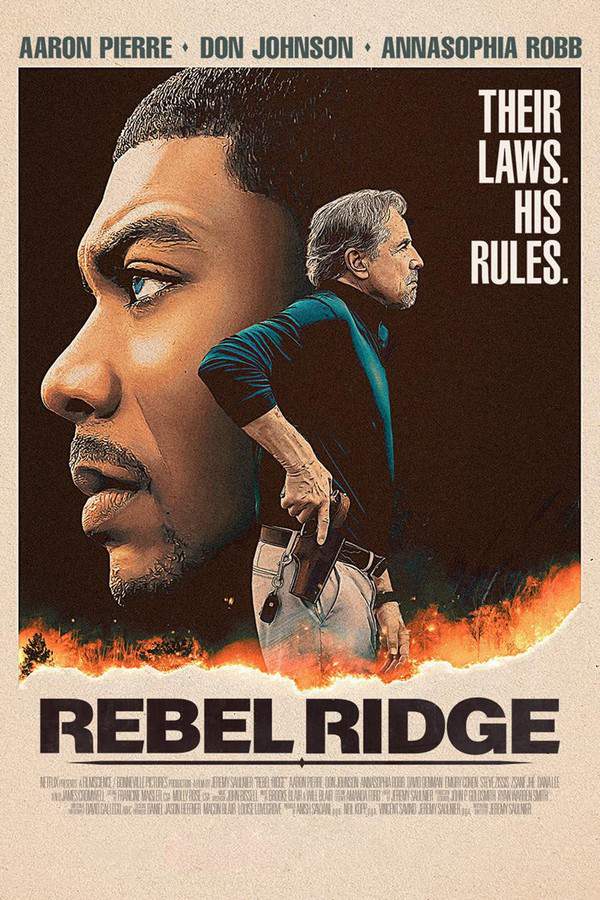
Where the creation of art becomes dangerously intertwined with real-world injustice. Explore movies like Even the Rain where a film crew's historical project clashes with a contemporary political struggle. This thread curates stories about artists who become entangled in real-world conflicts, blurring the lines between narrative and reality. If you liked the moral urgency of Even the Rain, you'll appreciate these powerful tales of art mirroring injustice.

  • morally complex
  • confrontational
  • urgent
  • thought-provoking
  • gritty
  • anxious
  • Tone: tense, morally complex
  • Pacing: steady, deliberate
Why these movies?

The story pattern: These stories typically follow a group of artists or creators who begin with a specific, often intellectual, project. As they work, a parallel real-world crisis escalates, eventually forcing its way into their process. The narrative tension arises from the friction between the controlled artistic space and the chaotic reality, leading to ethical dilemmas and a re-evaluation of the art's purpose.

Why they belong together: Movies are grouped here based on their shared core premise: the direct collision of art-making with socio-political upheaval. They share a tense, morally complex tone where the meta-commentary on storytelling itself becomes a central theme, creating a layered and intellectually stimulating viewing experience.

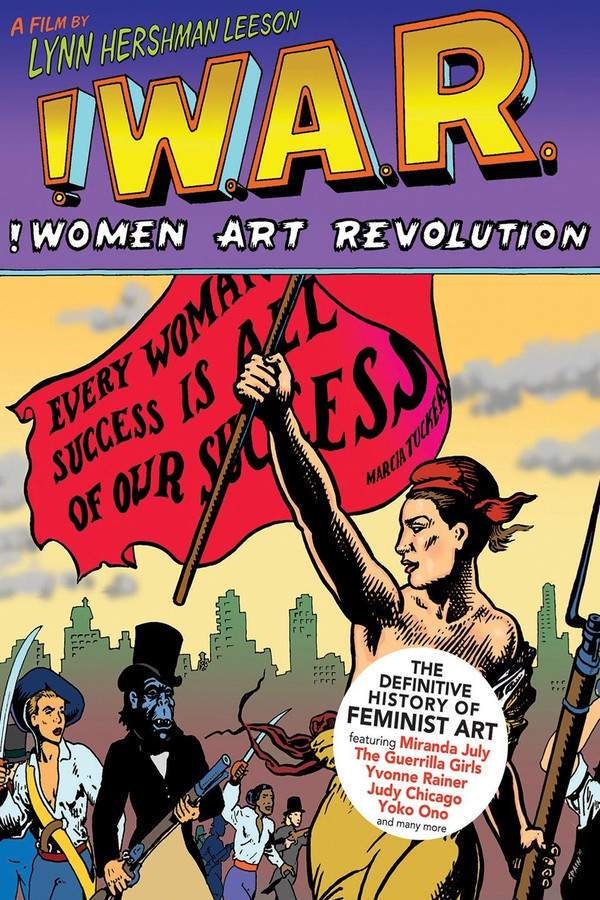
Bittersweet stories of rebellion like Even the Rain

Stories where political victory is achieved, but at a deep personal cost. Discover movies similar to Even the Rain that explore the heavy cost of political resistance. This thread features gritty dramas where communities fight for justice, achieving a victory that feels bittersweet due to the violence and personal loss endured. If you appreciated the realistic, heavy emotional weight of Even the Rain's ending, you'll find powerful parallels here.

  • bittersweet
  • gritty
  • hopeful
  • resilient
  • urgent
  • confrontational
  • Tone: tense, bittersweet
  • Pacing: steady, building to a climax
Why these movies?

The story pattern: The narrative arc follows a rising movement against an unjust system, often leading to explosive confrontation. The climax involves significant struggle and sacrifice. The resolution provides a sense of hard-fought progress or victory for the cause, but the conclusion is tempered by the depiction of lasting trauma, injury, or loss, emphasizing that change comes with a price.

Why they belong together: These films are united by their specific emotional payload: they deliver the catharsis of a collective win while refusing to gloss over the human suffering required to achieve it. This creates a uniquely powerful and reflective mood that is both hopeful and sorrowful, resonating with viewers seeking politically charged stories with emotional depth.

Every angle

Even the Rain (2010) Explained: Plot, Timeline & Characters

Everything about Even the Rain in one place: what happens in the plot summary, the timeline in chronological order, the characters and meaning and a spoiler-free summary. What's After the Movie adds the cast, box office and post-credit scenes.

Coming soon on iOS and Android

The Plot Explained Movie Summary App

Plot summaries, endings explained and timelines on your phone. Catch up on any movie in minutes, save your favorites and never miss a twist again.

Be the first to know when we launch. Your email stays private, always.

Learn more about the app