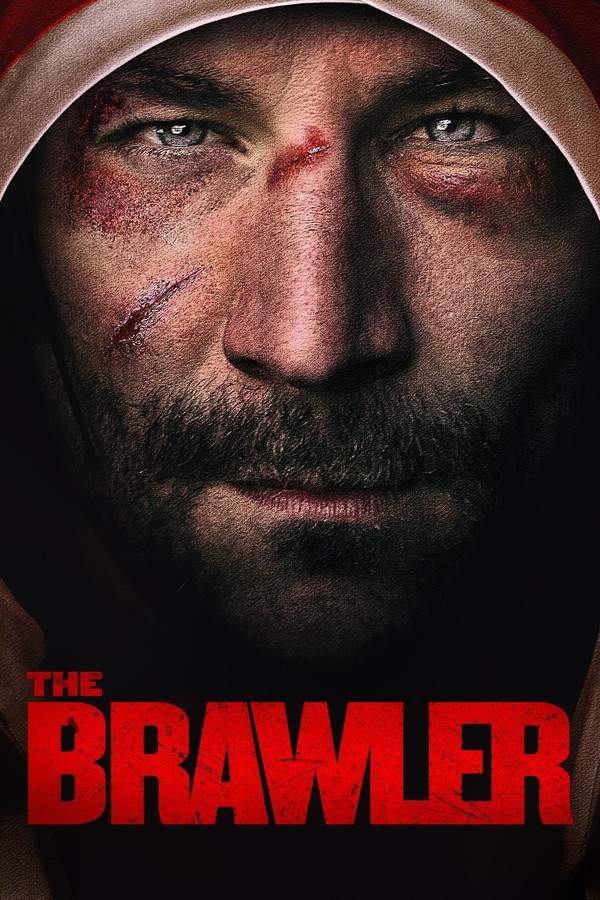
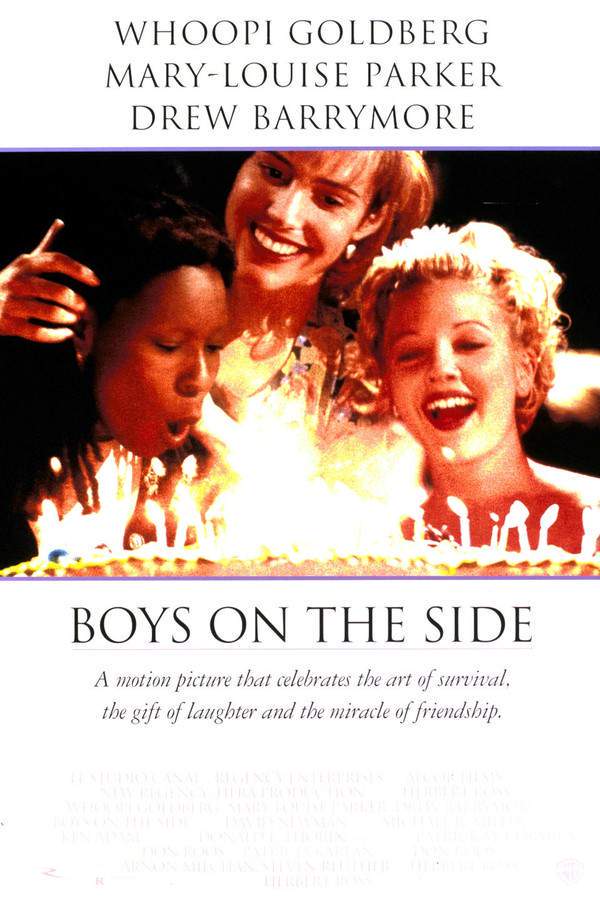
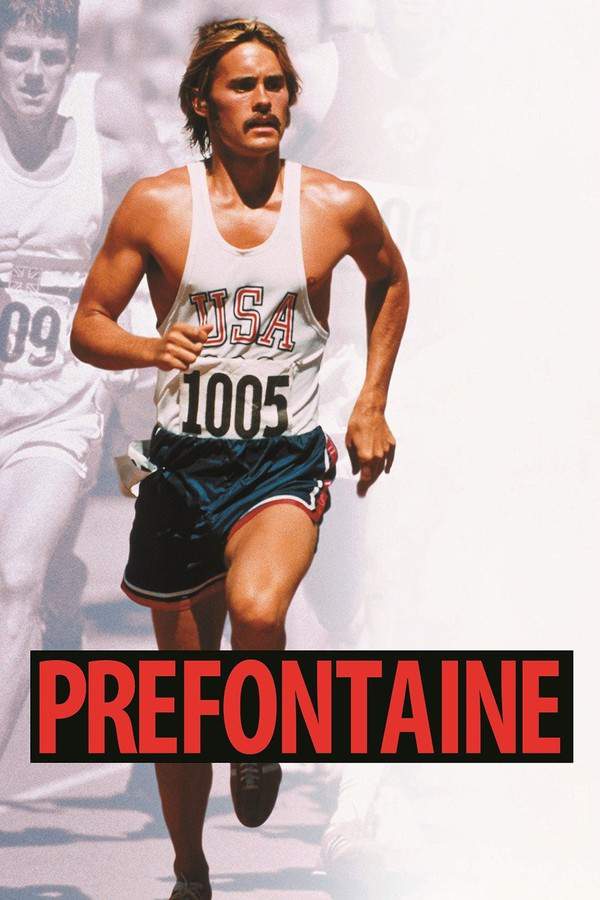
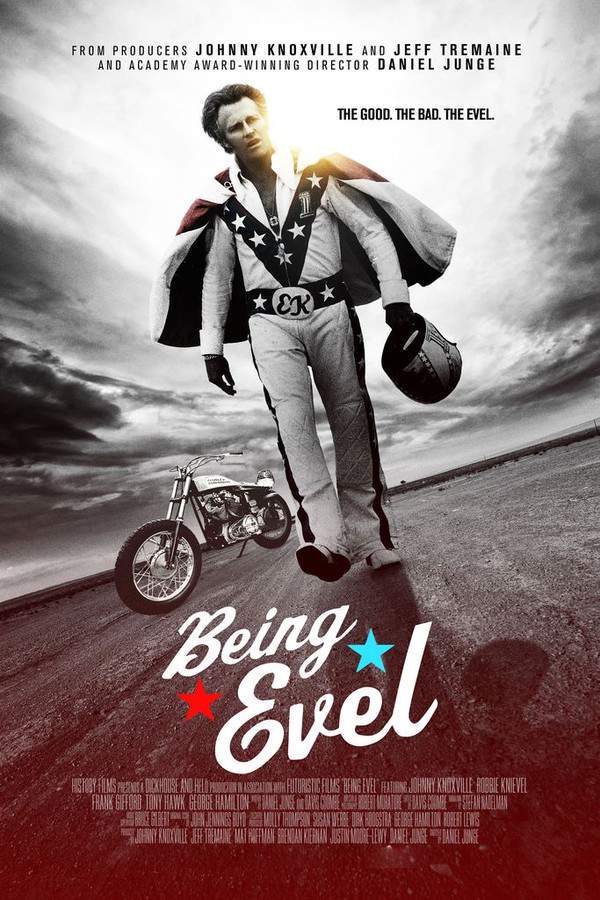
The film opens with Evel Knievel, George Eads gearing up to jump the fountains at Caesars Palace in front of a roaring crowd. A flashback pulls us to 1950 in Butte, Montana, where 12-year-old Bobby Knievel, Jake Brockman, darts away on his bicycle after swiping hubcaps, only to be tracked down and brought to a halt by the authorities. This early glimpse hints at a life lived in pursuit of daring, fueled by a stubborn will to prove himself.
Fast-forward to 1958, and Knievel is working for the Anaconda Mining Company, where he witnesses the brutal reality of lung damage among aging miners. This harsh observation sparks the decision to seek a living in motorcycle stunts, a path that will dramatically shape his family’s future. He meets Linda Bork, Jaime Pressly, whose friends warn her to steer clear, yet their bond strengthens as they marry and start a family. They welcome two sons, Kelly Knievel, Brayden Jones, and Robbie Knievel, Riley Jones, anchors in a world of high-octane spectacle and growing fame. Knievel’s reputation as a fearless showman expands, even as the pressures of public adoration and personal struggle push him to the edge.
The film builds toward a pivotal moment: Knievel agrees to a high-stakes jump at Caesars Palace on New Year’s Eve in 1967. The event is filmed by John Derek, Alan Van Sprang, with his wife Linda Evans, Nicola Jones, capturing the spectacle for posterity. The sequence is tinged with a production note—the subtitle falsely marks the date as 1968 and incorporates Lynyrd Skynyrd’s “Call Me the Breeze” from 1974. As the jump unfolds, Knievel’s assistant Bill attempts to keep alcohol away, but Knievel drinks and presses onward. He clears the fountains but crashes hard, breaking numerous bones including his pelvis and slipping into a coma. Linda stays by his bedside through the long recovery, and doctors tell her that metal rods have been inserted to stabilize the injuries; although they say he may never jump again, Knievel leaves the hospital still insisting to the press that he will one day tackle the Grand Canyon. The tough moral of the story emerges in the quiet struggle between his stubborn dream and Linda’s concern for his well-being as he contemplates a return to danger.
In the following years, a new chapter unfolds beyond the track. In 1970, an event at the Ideal Toy Company reveals Knievel’s broad appeal: his persona inspires a line of Evel Knievel action figures, a symbol of the broader reach his stunts have achieved. A rafting trip with his two sons and his father-in-law John Bork, Beau Bridges, turns tragic when they’re swept away by the rapids, and John Bork drowns, leaving Knievel to navigate grief and responsibility as a beloved public figure.
The 1974 season brings a defining moment on the Canadian National Exhibition stage. With a permit for a Grand Canyon jump still out of reach, Knievel stages test jumps over Snake River Canyon using rockets. The jump is broadcast on closed-circuit television on September 8, 1974, and a tense clash with a reporter precedes the descent. He ultimately uses the Skycycle X-2, but the parachute deploys early and the craft crashes into the river bank below; Knievel survives, while public reaction grows louder and more disappointed.
The film closes with the late-70s arc: a second major stunt in October 1975—fourteen buses at Kings Island in Mason, Ohio—ceaselessly pushing the limits of a man who refused to be defined by a single triumph. Knievel retires from motorcycle jumping in 1980 and moves to Florida, where the camera lingers on a montage of jumps and crashes that together sketch the life of a man who chased danger, managed a complicated family, and left an enduring imprint on American popular culture. Tracey Knievel, Madeleine Butler, and Younger Tracey Knievel, Elle Dhanani, appear in the background of this larger-than-life story, underscoring the human cost and profound pull of the sport he loved.