













Plot Explained Spoilers guaranteed!
Plot Explained

Browse by genre

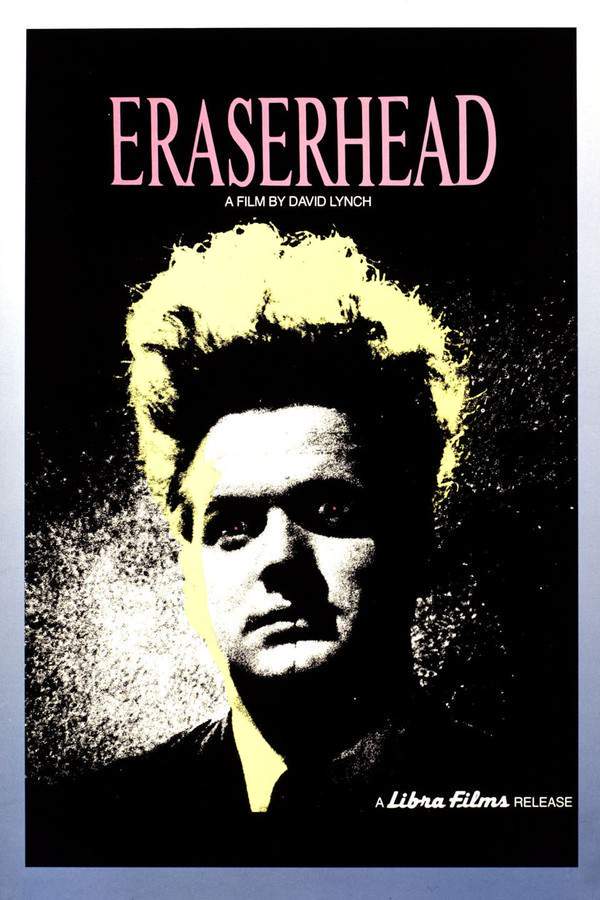
Eraserhead (1978) movie poster

Timeline

Eraserhead (1978) Timeline Explained – Every Event in Order

Release, runtime and language
1978 · 89 min · English
JustWatch #3,707 35
Directed by
David Lynch
Starring
Allen Joseph, Charlotte Stewart, Jack Fisk, Jack Nance, Jean Lange, Jeanne Bates

In the bleak industrial setting of Eraserhead, Henry's solitary existence is upended by an unexpected pregnancy. His former lover, Mary, arrives, and he finds himself facing the daunting prospect of parenthood. A bizarre and unsettling infant further complicates matters, and as Henry struggles to care for it, he encounters the strange and unsettling residents of his apartment building. Reality and sanity become increasingly difficult to distinguish within this unsettling and dreamlike world.

On this page (6)
  1. 1 Where to watch
  2. 2 Events in order (15)
  3. 3 Timeline questions answered
  4. 4 Movie threads
  5. 5 Movies like Eraserhead
  6. 6 Every angle

Where to watch

Where to Watch Eraserhead (1978)

Where can you watch Eraserhead? Stream, rent or buy it in the US, including on fuboTV, HBO Max and Philo: current JustWatch availability with up-to-date prices.

Streaming availability powered by JustWatch

15 events in order · contains spoilers

Eraserhead Timeline: Events in Chronological Order

Every key event of Eraserhead (1978) in order, scene by scene, with when and where it takes place. Use it to untangle flashbacks, time jumps and parallel storylines, to refresh your memory before the sequel or to find the exact scene you are thinking of.

  1. Henry in Space

    The film opens with Henry Spencer hovering in a surreal space environment, his brain symbolized as a rocky planet. Behind him, the desolation of the planet hints at his troubled existence and sets the tone for the narrative that follows.

    Where
    Outer Space
  2. Birth of a Creature

    A spermatozoon, depicted in an abstract manner, is launched into a water hole, symbolizing Henry’s sexual encounter with Mary X. This act leads to the birth of a creature from the depths of darkness, foreshadowing the turmoil ahead.

  3. Henry's Journey Home

    Henry traverses an industrial wasteland to reach his apartment, revealing the desolate environment surrounding him. The relentless noise of factory machinery creates a sense of alienation, amplifying his internal struggles.

    Where
    Industrial Wasteland
  4. Invitation from Mary X

    Upon arriving at his apartment, Henry learns from the Beautiful Girl Across the Hall that Mary X has called to invite him to dinner. This moment emphasizes the strained nature of his relationship with Mary.

    Where
    Apartment Lobby
  5. Awkward Family Dinner

    After a tense walk through the wasteland, Henry joins Mary's family for dinner. The meal becomes chaotic as they struggle to eat artificially cooked chickens, highlighting the dysfunction within the X family and setting a darkly comedic tone.

    Where
    X Family Home
  6. Unveiling of the Baby's Condition

    During dinner, Mrs. X demands that Henry and Mary marry immediately after revealing that Mary has given birth to a deformed baby. The tension in the scene captures the desperation and anxiety faced by the characters.

    Where
    X Family Home
  7. Home with the Mutated Baby

    After marrying, Henry brings the mutated baby home, finding himself overwhelmed with fear and guilt. He receives a small worm in the mail, representing his deteriorating mental state as he contemplates suicide deeper than before.

    Where
    Henry's Apartment
  8. Mary Leaves

    As the baby cries through a thunderstorm, Mary decides she cannot stay and returns to her family, leaving Henry alone to cope with their child. This moment amplifies Henry's sense of solitude and despair.

    When
    Night
  9. Seduction and Collapse

    In the following days, Henry is seduced by the Beautiful Girl Across the Hall, which culminates in a moment of coalescence with the stark reality of the mutated baby nearby. This scene illustrates the dichotomy of his desires versus his disturbing responsibilities.

    Where
    Henry's Apartment
  10. Illusions on Stage

    Henry finds himself in a surreal performance where a lady in the radiator sings to him, symbolizing his inner desires for peace amid chaos. The grotesque imagery surrounding him emphasizes his mental turmoil and the severity of his situation.

    Where
    Stage
  11. The Nightmarish Transformation

    In a horrifying moment, Henry sees his own head pop off and transform, embodying his fears and lack of control. The imagery of blood and decay highlights the film's themes of alienation and existential dread.

    Where
    Henry's Mind
  12. The Eraser Factory

    A little boy takes Henry's severed head to an eraser factory where it is transformed into pencil erasers. This grotesque transformation symbolizes the dehumanization and loss of identity in Henry's world.

    Where
    Eraser Factory
  13. Henry's Descent

    Henry experiences a horrifying nightmare involving the baby and, in a fit of despair, he violently confronts it. The event culminates in a tragic climax as he injures the baby leading to a shocking reveal of blood and chaos.

    Where
    Henry's Apartment
  14. Electricity and Finality

    After the traumatic events, the electrical system in the apartment shorts out, symbolizing Henry's fragmented psyche. As lights flicker, he encounters a vision of transcendent peace with the woman in the radiator.

    Where
    Henry's Apartment
  15. The White Afterlife

    In the final scene, Henry appears to exist in a white afterlife, suggesting a release from his tormented existence. He embraces the lady in the radiator, signifying a bizarre kind of salvation amidst his struggles.

    Where
    Afterlife

Last updated: May 26, 2025 at 22:02

Was this helpful?

Timeline questions answered

Eraserhead Timeline Explained: Your Questions Answered

When does it happen, and why in that order? The questions people ask about the chronology of Eraserhead (1978): time jumps, flashbacks, cause and effect between scenes and the correct order of events, each answered with spoilers.

Q1

Why did Mary leave Henry alone with the baby?

Mary left because she couldn't handle the constant crying of the deformed baby during a thunderstorm. The stress became unbearable, and she chose to return to her family rather than continue caring for the child. This abandonment deepens Henry's isolation and forces him to confront his responsibilities alone.

Foreshadowing: Earlier at dinner, Mrs. X's harsh demeanor and the artificial food hint at Mary's unstable home environment, suggesting she might retreat there under pressure.

  • mary leaves
  • baby crying
  • abandonment
  • henry isolation
Q2

Why did Henry kill the baby?

Henry killed the baby in a fit of despair and mental breakdown. The constant crying, sleeplessness, and overwhelming responsibility combined with his fragile mental state caused him to violently attack the child. This act represents the extreme psychological toll of unwanted parenthood and his inability to cope with reality.

Foreshadowing: Henry receives a worm in a black box earlier, symbolizing his suicidal thoughts and deteriorating mental state.

  • henry kills baby
  • baby death
  • henry breakdown
  • violence
Q3

What was the lady in the radiator?

The lady in the radiator represents Henry's desire for escape and peace. She appears throughout the film singing "In Heaven, everything is fine," symbolizing an idealized afterlife or transcendence from his miserable existence. At the end, Henry joins her in what appears to be a white void, suggesting he found his version of heaven after death.

Foreshadowing: The lady in the radiator first appears on stage before Henry's nightmarish visions, hinting at her role as a spiritual guide.

  • lady in radiator
  • heaven
  • afterlife
  • transcendence
  • salvation
Q4

What was the eraser factory vision about?

The eraser factory vision depicted Henry's severed head being transformed into pencil erasers. This surreal sequence symbolizes the dehumanization and erasure of identity in industrial society. The little boy who takes his head represents innocence corrupted by the same system that consumes Henry's existence.

Foreshadowing: Henry's head popping off occurs immediately after his nightmarish vision of the lady in the radiator, linking the industrial world to his psychological destruction.

  • eraser factory
  • head severed
  • dehumanization
  • industrial symbolism
Q5

What did the opening brain sequence mean?

The opening sequence shows Henry's brain as a rocky planet with the Man in the Planet operating levers that represent his nervous system. This surreal imagery depicts his sexual encounter with Mary as a spermatozoon diving into a watery abyss. The sequence serves as a metaphor for how this intimate moment literally haunts his mind throughout the film.

Foreshadowing: The hole in the planet's roof foreshadows the literal hole in Henry's life created by the unexpected pregnancy.

  • opening sequence
  • brain planet
  • man in planet
  • spermatozoon
  • sexual encounter
Q6

Why was the baby deformed?

The baby's deformation is never explicitly explained in the film. It appears as a mutated, worm-like creature, suggesting it may be a result of the polluted, post-apocalyptic environment or radiation exposure. The film uses the baby as a symbol of Henry's fears about parenthood and the grotesque nature of creation itself.

Foreshadowing: The opening spermatozoon diving into darkness followed by a creature emerging from the depths foreshadows the troubling birth.

  • deformed baby
  • mutated baby
  • monster baby
  • birth defects
Q7

Did Henry die at the end?

The ending strongly implies Henry dies. After killing the baby, the apartment's electrical system shorts out, and he enters a white void where he embraces the lady in the radiator. This appears to be his afterlife, a transcendent peace that suggests release from his tormented life, though whether it's heaven, hallucination, or death remains ambiguous.

Foreshadowing: The electrical chaos and blood splatters signal the final collapse of Henry's physical reality.

  • henry death
  • ending
  • afterlife
  • white void
  • transcendence
Q8

What was the Beautiful Girl Across the Hall's role?

The Beautiful Girl Across the Hall serves as a temptation and contrast to Henry's troubled life with Mary. She seduces Henry while the baby cries nearby, representing his primal desires conflicting with his responsibilities. Her return from a night out suggests her own struggles, creating an unsettling parallel to Henry's deteriorating reality.

Foreshadowing: The Beautiful Girl is first introduced inviting Henry to dinner, foreshadowing her later intrusion into his home.

  • beautiful girl
  • seduction
  • affair
  • neighbor
Q9

What was the worm in the black box?

The worm Henry receives in a sleek black box represents his suicidal thoughts and mental decay. The box arrives shortly after he brings the deformed baby home, symbolizing the dark depression settling into his mind. The worm is the only living thing in his bleak apartment besides the baby, amplifying the sense of biological wrongness.

Foreshadowing: This arrives after the marriage and baby, marking Henry's lowest psychological point before his breakdown.

  • worm
  • black box
  • suicide
  • depression
  • mental state
Q10

Why did Henry marry Mary?

Henry married Mary because Mrs. X demanded it during dinner, revealing that Mary had already given birth to their deformed baby. The ultimatum forced an immediate marriage, despite Henry's obvious discomfort and the strained dynamic with Mary's family. He had little agency in the decision.

Foreshadowing: The tense dinner scene and artificial food establish the X family's control over Mary and their pressure on Henry.

  • marriage
  • mary
  • mrs x
  • pressure
  • ultimatum
Q11

What was the post-apocalyptic setting about?

The industrial wasteland setting suggests a post-nuclear apocalyptic America. The mushroom cloud imagery, constant factory noise, abandoned landscape, and regressed technology imply atomic war devastated society. This environment reflects the characters' mental decay and serves as a physical manifestation of trauma.

Foreshadowing: The opening planet's desolation mirrors the ruined Earth Henry inhabits.

  • post-apocalyptic
  • industrial wasteland
  • nuclear
  • mushroom cloud
  • setting

Movie threads

More Movies Like Eraserhead, by Mood & Story

Curated lists built around what makes Eraserhead tick: the same mood, the same kind of story or the same emotional payoff. Each list explains why these movies belong together.

Surreal psychological nightmares like Eraserhead

Films where dream logic twists reality into an unsettling psychological ordeal. If you liked the unsettling dream logic and symbolic horror of Eraserhead, explore these movies that distort reality into a psychological ordeal. Discover similar films with heavy emotional weight, ambiguous endings, and a descent into madness within nightmarish worlds.

  • surreal
  • nightmarish
  • unsettling
  • dreamlike
  • psychologically intense
  • symbolic
  • Tone: dark, oppressive, nightmarish
  • Pacing: slow, dreamlike, atmospheric
Why these movies?

The story pattern: Narratives in this thread are often non-linear, structured around evocative vignettes and symbolic events rather than a clear cause-and-effect plot. The protagonist's journey is typically internal, confronting abstract fears and psychological disintegration amidst a world that defies logical explanation.

Why they belong together: Movies are grouped here for their shared commitment to surrealism as a tool for psychological horror. They create a cohesive, unsettling vibe through dreamlike pacing, dark and oppressive tones, and a focus on internal, existential crises over external conflict.

Movies about bleak isolation like Eraserhead

Stories of profound loneliness set against oppressive, decaying environments. Find movies like Eraserhead that explore themes of extreme loneliness and alienation within oppressive settings. These films share a claustrophobic, anxious mood, a slow and heavy pacing, and often focus on characters grappling with existential dread in desolate worlds.

  • claustrophobic
  • oppressive
  • lonely
  • desolate
  • anxious
  • industrial decay
  • Tone: dark, desolate, anxious
  • Pacing: slow burn, oppressive
Why these movies?

The story pattern: The narrative pattern often follows a solitary individual trapped in a grim environment, with the external decay mirroring their internal state. Conflict arises from the struggle to maintain sanity and identity against an overwhelming atmosphere of desolation and existential threat.

Why they belong together: These films share a core experiential quality: the palpable feeling of being alone in a hostile or decaying world. The connection is based on the potent combination of a lonely protagonist, an oppressive setting, a slow-burning pace, and a heavy, often bleak emotional weight.

If you liked this

Movies Like Eraserhead

Similar movies to Eraserhead: the same genre, themes or kind of story. Each one comes with its own plot summary, timeline and ending explained.

Browse all movie summaries

Every angle

Eraserhead (1978) Explained: Plot, Timeline & Characters

Everything about Eraserhead in one place: what happens in the plot summary, the timeline in chronological order, the characters and meaning and a spoiler-free summary. What's After the Movie adds the cast, box office and post-credit scenes.

Coming soon on iOS and Android

The Plot Explained Movie Summary App

Plot summaries, endings explained and timelines on your phone. Catch up on any movie in minutes, save your favorites and never miss a twist again.

Be the first to know when we launch. Your email stays private, always.

Learn more about the app