Enga Chinna Rasa
Year: 1987
Runtime: More mins
Language: English
Enga Chinna Rasa is a 1987 Tamil film written, directed and headlined by K. Bhagyaraj. The story draws inspiration from the 1969 Kannada classic Mallammana Pavada, which starred Rajkumar and B. Saroja Devi. The film was later adapted into Telugu as Abbaigaru, into Hindi as Beta featuring Anil Kapoor and Madhuri Dixit, and again into Kannada as Annayya with Ravichandran and Madhubala.
Warning: spoilers below!
Haven’t seen Enga Chinna Rasa yet? This summary contains major spoilers. Bookmark the page, watch the movie, and come back for the full breakdown. If you're ready, scroll on and relive the story!
Enga Chinna Rasa (1987) – Full Plot Summary & Ending Explained
Read the complete plot breakdown of Enga Chinna Rasa (1987), including all key story events, major twists, and the ending explained in detail. Discover what really happened—and what it all means.
In the sun-baked lanes of Mettupatti, life takes a sudden turn for Chinnarasu when his father remarries and returns home with Nagamani, the stepmother who will quietly steer their fortunes. Unknown to Chinnarasu, his late mother left him a fragile gift—a wealth deed that could only be sold after his marriage. Nagamani wears a veneer of concern while quietly plotting to siphon off that wealth, weaving herself into his trust and bending his will to her own needs.
As Chinnarasu matures into a principled, though illiterate, young man, he becomes a dutiful son who largely follows Nagamani’s instructions. His father, deemed eccentric by those around him, is confined and treated as a lunatic, a consequence of Nagamani’s manipulation and the household’s struggle for control. Under her influence, the young man’s wealth begins to slip away, while Nagamani paints herself as the benevolent guardian of the family.
The plot thickens when Nagamani arranges for her son Gnanasekar to marry Rukmini, the daughter of the powerful landlord Manikampalayam Sathyagounder. But fate plays a trick: Chinnarasu mistakenly believes Rukmini is destined for him and travels to her village to meet her. A risky encounter unfolds at a local festival, where Chinnarasu, aided by Mannangatti, saves Rukmini from a group of troublemakers and earns her cautious trust. At night, Rukmini invites them to stay, learning that they hail from the very village where she is about to wed. She tends to Chinnarasu’s wounds and signals a possible turning point in a tale driven by loyalty, deception, and love.
The next morning brings a harsh revelation: the groom is not Chinnarasu but his stepbrother, Gnanasekar. When confronted with the truth, Nagamani uses her influence to twist Chinnarasu’s emotions, steering him toward acceptance of the arrangement. At the marriage hall, Gnanasekar bolts, forcing Sathyagounder to press Chinnarasu into marrying Rukmini, a marriage he accepts with visible reluctance. Despite an initial emotional distance born from insecurity, Rukmini receives him with a rare warmth, and the couple eventually consummate their union.
Nagamani intensifies her scheme to separate the newlyweds, but her plans are overheard by Rukmini, who confronts Chinnarasu’s father to plead for the truth. Rukmini reveals Nagamani’s manipulation, yet Chinnarasu, blinded by loyalty to his stepmother, distrusts her allegations and even orders Rukmini to leave. Undeterred, Rukmini remains and presses on, determined to protect the family’s integrity.
The drama deepens as Rukmini exposes Nagamani’s brother as the mastermind behind earlier embezzlement. He feigns remorse, claiming the stolen funds are lost, but Chinnarasu uncovers money hidden under his cot. With the fraud exposed, Nagamani’s accomplices are forced into hard labor on the family’s farm, and Nagamani hatches a new scheme with her son—this time to divert wealth under the pretext of building a hospital for the village.
Chinnarasu hands over the funds, but Rukmini deftly ensures the money is used for a genuine hospital that benefits their community. At the hospital’s inauguration, a shocking revelation comes to light: Gnanasekar had abandoned his studies and faked a medical degree, pretending to be a doctor. Chinnarasu rescues him from arrest but punishes him by sending him to farm labor instead, a moral reckoning for the pretender.
Family tensions flare when Chinnarasu’s uncle, angered by the situation, pushes Nattarayan to assault Mannangatti. Chinnarasu intervenes, beating Nattarayan and securing a later marriage between Nattarayan and Mannangatti’s sister, a union born from a mixture of deceit and consequence.
With Nagamani still exerting influence, Rukmini, Mannangatti, and Chinnarasu’s father, aided by a traditional healer, devise a plan to curb her power and restore balance in the household. Rukmini begins to manage the family accounts, and as her pregnancy progresses, Sathyagounder visits with sweets to celebrate the growing life within their home.
Nagamani, relentless in her pursuit of control, and her accomplices plot to poison Rukmini by slipping oleander seeds into saffron meant for her milk. Nattarayan’s wife raises the alarm, but Chinnarasu initially refuses to credit Rukmini’s warnings. Rukmini presses the point, challenging Nagamani to drink the poisoned milk herself, while Chinnarasu drinks it first to prove Nagamani’s innocence—only to begin bleeding and realize the deception that has clouded his judgment.
Rukmini races to fetch a doctor as Chinnarasu lies, dying in part from the poisoned milk. The painful truth lands hard: Nagamani has manipulated him for years. In a desperate moment, Nagamani’s men lock Chinnarasu inside a room and threaten Rukmini to sign over the family assets. But a change of heart sweeps through the house: Nagamani concedes the errors of her obsession with wealth, and Gnanasekar turns against his mother to aid Chinnarasu and Rukmini. In the ensuing struggle, Chinnarasu summons the strength to protect Rukmini and Nagamani, only to collapse from exhaustion.
In the end, Chinnarasu and Rukmini leave their home, relinquishing their properties for Nagamani’s relief. The act of giving up wealth is met with a rare remorse: Nagamani falls at Chinnarasu and begs for forgiveness, a heartfelt surrender to the consequences of her actions and to the power of a loving family that chose truth over possession.
Last Updated: October 09, 2025 at 14:26

Explore Movie Threads
Discover curated groups of movies connected by mood, themes, and story style. Browse collections built around emotion, atmosphere, and narrative focus to easily find films that match what you feel like watching right now.
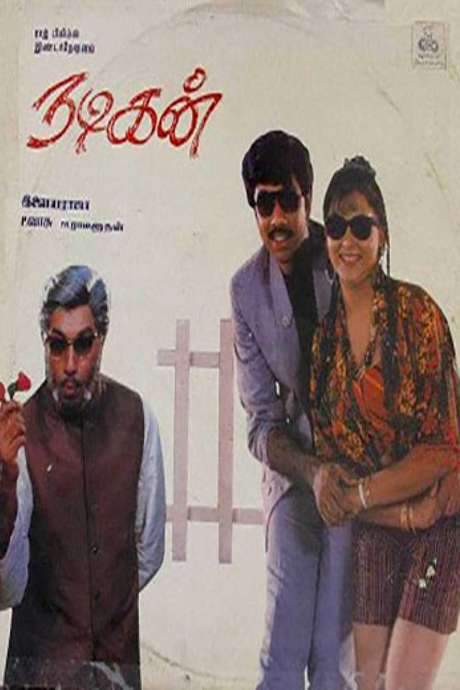
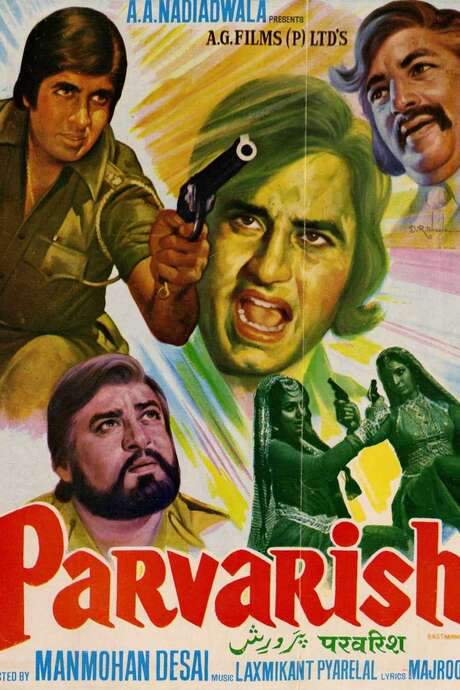
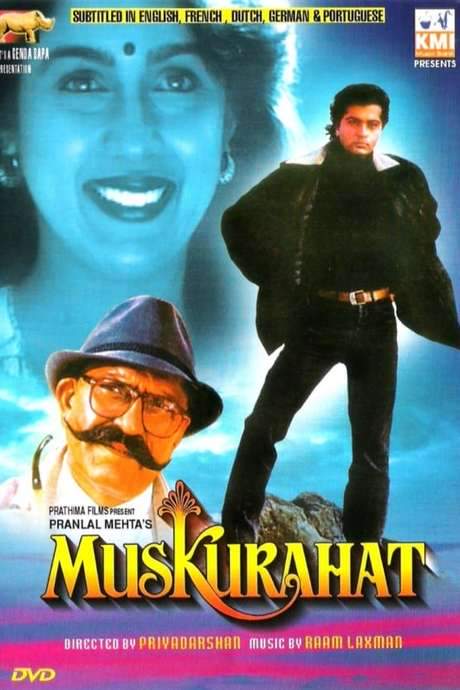
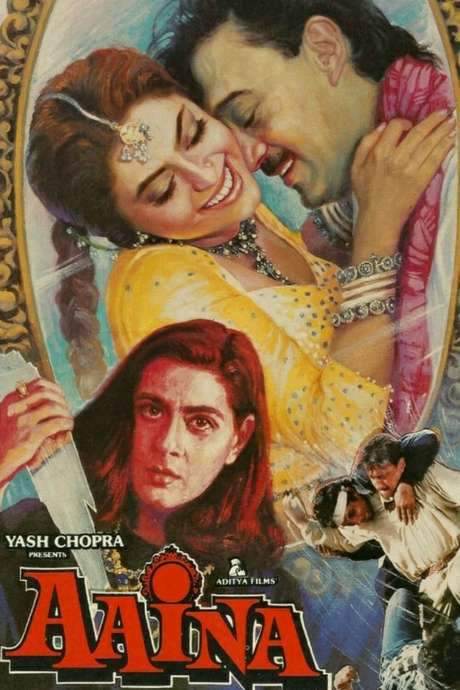
Movies about family betrayal like Enga Chinna Rasa
Stories about insidious manipulation and deception within a family.If you enjoyed the tense drama of Enga Chinna Rasa, explore other movies about treacherous family members and domestic conspiracies. These films often feature stepmothers, greedy relatives, and plots involving inheritance, forging a similar experience of anxiety, deception, and ultimate redemption.









Narrative Summary
Narratives in this thread typically begin with a seemingly harmonious family unit that is gradually poisoned by a deceptive member's selfish agenda. The plot methodically reveals layers of manipulation—such as poisoning, false accusations, or financial plots—forcing the protagonists to fight from a position of distrust to expose the truth and restore justice, often culminating in a moral reckoning for the antagonist.
Why These Movies?
Movies are grouped here due to their shared focus on the specific conflict of internal family betrayal. They create a consistent mood of domestic unease and tension, driven by character-driven plots of manipulation and the universal theme of trust being shattered by those closest to home.
Tense yet hopeful family dramas similar to Enga Chinna Rasa
Emotional journeys where family conflict leads to forgiveness and healing.Fans of Enga Chinna Rasa's blend of tense family conflict and a happy, redemptive ending will find more like it here. These movies explore serious domestic issues but are defined by their ultimately hopeful outlook, where forgiveness triumphs over vengeance.

Brother
2023

Down in the Delta
1998

The Family
2013

A Family Man
2017

Pretty Red Dress
2023

Red Carpet
2014

Ek Rishtaa: The Bond of Love
2001

Changes
1991

Ghar Ho To Aisa
1990

Comeback Season
2006

Trouble Along the Way
1953

TN 07 AL 4777
2009

A Simple Twist of Fate
1994

Missing Home
2022

The Family Star
2024
Narrative Summary
The narrative pattern involves a family enduring a significant internal crisis—often a betrayal or moral failing—that creates sustained dramatic tension. Instead of ending in tragedy or bitterness, the story arc bends towards understanding and forgiveness. Characters face a moral reckoning, but the focus is on healing fractured relationships and choosing love over retribution.
Why These Movies?
These films are grouped together because they share a specific emotional recipe: they maintain a tense, dramatic mood through most of the runtime but are fundamentally optimistic. The similarity lies in the satisfying emotional journey from anxiety and hurt to a heartfelt resolution, making them distinct from purely bleak or tragic family stories.
Unlock the Full Story of Enga Chinna Rasa
Don't stop at just watching — explore Enga Chinna Rasa in full detail. From the complete plot summary and scene-by-scene timeline to character breakdowns, thematic analysis, and a deep dive into the ending — every page helps you truly understand what Enga Chinna Rasa is all about. Plus, discover what's next after the movie.
Enga Chinna Rasa Timeline
Track the full timeline of Enga Chinna Rasa with every major event arranged chronologically. Perfect for decoding non-linear storytelling, flashbacks, or parallel narratives with a clear scene-by-scene breakdown.

Characters, Settings & Themes in Enga Chinna Rasa
Discover the characters, locations, and core themes that shape Enga Chinna Rasa. Get insights into symbolic elements, setting significance, and deeper narrative meaning — ideal for thematic analysis and movie breakdowns.