
















Plot Explained Spoilers guaranteed!
Plot Explained

Browse by genre

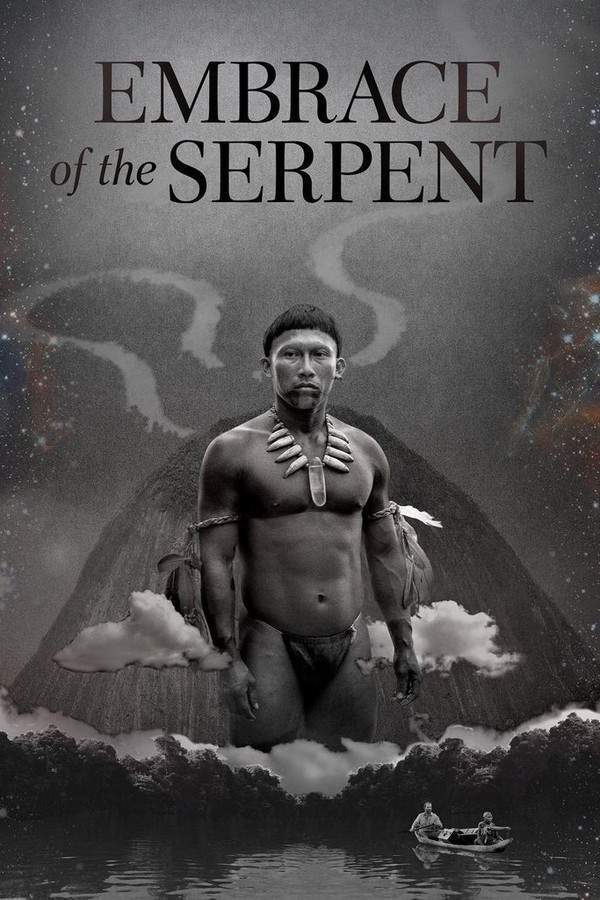
Embrace of the Serpent (2016) movie poster

Timeline

Embrace of the Serpent (2016) Timeline Explained – Every Event in Order

Release, runtime and language
2016 · 125 min · Spanish
JustWatch #29,429 3
Directed by
Ciro Guerra
Starring
Antonio Bolivar, Brionne Davis, Jan Bijvoet, Luigi Sciamanna, Nicolás Cancino, Nilbio Torres

Over four decades, the last shaman of the Amazon, Karamakate, encounters two scientists seeking a sacred plant deep within the rainforest. Their journeys, separated by twenty years, reveal a changing world and the impact of colonialism on indigenous cultures. Inspired by true accounts, the film explores themes of cultural loss, the pursuit of knowledge, and the complex relationship between humanity and the natural world.

On this page (7)
  1. 1 Where to watch
  2. 2 Events in order (14)
  3. 3 Timeline questions answered
  4. 4 Movie threads
  5. 5 Movies like Embrace of the Serpent
  6. 6 Categories
  7. 7 Every angle

Where to watch

Where to Watch Embrace of the Serpent (2016)

Where can you watch Embrace of the Serpent? Stream, rent or buy it in the US, including on Night Flight Plus, OVID and Philo: current JustWatch availability with up-to-date prices.

Streaming availability powered by JustWatch

14 events in order · contains spoilers

Embrace of the Serpent Timeline: Events in Chronological Order

Every key event of Embrace of the Serpent (2016) in order, scene by scene, with when and where it takes place. Use it to untangle flashbacks, time jumps and parallel storylines, to refresh your memory before the sequel or to find the exact scene you are thinking of.

  1. Introduction of Karamakate

    The film opens with Karamakate, the last remaining member of his tribe, in the Amazon rainforest. He is portrayed as a shaman who is deeply connected to his culture, though he struggles with the impact of colonialism on his people.

    Where
    Amazon Rainforest
  2. Theo's Arrival

    In 1909, German ethnographer Theo von Martius arrives in the Amazon, suffering from a severe illness. He is accompanied by Manduca, whom he saved from forced labor, as they seek Karamakate for help.

    When
    1909
    Where
    Amazon River
  3. Karamakate's Hesitant Assistance

    Initially reluctant to help Theo due to his distrust of westerners, Karamakate ultimately decides to assist after using mystical powder to prolong Theo's life. Despite Theo's urgent need for the sacred yakruna to heal himself, Karamakate refuses any form of payment.

    Where
    Amazon River
  4. The Spanish Catholic Mission

    The narrative introduces a cruel mission run by a priest who torments orphan boys for engaging in pagan activities. This mission serves as a backdrop to Theo's journey, highlighting the conflicts between indigenous and colonial cultures.

    When
    1909
    Where
    Spanish Catholic Mission
  5. The Colombian Soldier Invasion

    Theo seeks refuge from the mission, only to be confronted by the impending invasion of Colombian soldiers. He witnesses the sacred yakruna plant being desecrated by intoxicated workers, which angers Karamakate deeply.

    When
    1909
    Where
    Amazon Frontier Post
  6. Karamakate's Fury

    In a fit of rage against the destruction of the sacred plant, Karamakate destroys the abused yakruna. This act symbolizes his deep connection to nature and the heritage of his tribe.

    When
    1909
    Where
    Amazon Rainforest
  7. Karamakate's Disconnection

    Fast forward thirty years, and Karamakate is now an older man, disconnected from his tribal customs and struggling with the loss of his people. He encounters Evan, an American botanist who wishes to continue Theo’s quest for the yakruna.

    When
    1940
    Where
    Amazon Rainforest
  8. Evan's Motivations

    Evan reveals his true intentions: to secure a reliable source of disease-free rubber trees. Holding a book from Theo's failed expedition, he references Karamakate as his chullachaqui, which piques Karamakate's interest.

    Where
    Amazon Rainforest
  9. The Messiah at the Mission

    By 1940, the once cruel Spanish mission is now run by a deluded Brazilian who thinks himself a Messiah. Karamakate earns respect when he heals the priest's wife, contrasting with the violent past of the mission's former life.

    When
    1940
    Where
    Spanish Catholic Mission
  10. Cerros de Mavecure

    Karamakate takes Evan to the breathtaking Cerros de Mavecure mountains, revealing the origins of the sacred yakruna plant. This journey signifies a deep cultural and spiritual connection to the land.

    When
    1940
    Where
    Cerros de Mavecure
  11. The Last Yakruna Flower

    Karamakate presents Evan with the last remaining yakruna flower, carefully preparing it for a transformative experience. This moment is rich in symbolism, representing a reconnection with heritage.

    Where
    Cerros de Mavecure
  12. Evan's Transcendence

    As Evan consumes the yakruna flower, he embarks on a profound transcendental journey. This visual transformation from black-and-white to color signifies the impact of his experience and newfound understanding.

    Where
    Cerros de Mavecure
  13. The Butterfly Dance

    The film concludes with Evan witnessing a vibrant dance of butterflies, symbolizing his profound connection to the rich tapestry of Amazonian culture and the journey he has undertaken. It suggests a deep awakening and appreciation of life.

    Where
    Cerros de Mavecure
  14. Legacy of Karamakate

    Karamakate's legacy as the last member of his tribe serves as a poignant reminder of the costs of colonialism. His journey with Theo and Evan conveys critical themes of cultural preservation, identity, and connection to nature.

Last updated: November 16, 2024 at 17:12

Was this helpful?

Timeline questions answered

Embrace of the Serpent Timeline Explained: Your Questions Answered

When does it happen, and why in that order? The questions people ask about the chronology of Embrace of the Serpent (2016): time jumps, flashbacks, cause and effect between scenes and the correct order of events, each answered with spoilers.

Q1

Why does Karamakate destroy the sacred yakruna plant?

Karamakate destroys the yakruna in a fit of rage when he witnesses intoxicated workers desecrating the sacred plant at the frontier post. This act symbolizes his deep fury against the destruction of his culture and the sacred natural world by colonial forces. The plant, which holds mystical and spiritual significance for his tribe, is being abused and exploited by outsiders, prompting him to destroy it rather than let it be further violated.

  • karamakate
  • yakruna
  • destruction
  • sacred plant
  • colonialism
Q2

What is a chullachaqui and why does Evan call Karamakate one?

Chullachaqui is a term from Amazonian indigenous mythology referring to a hollow spirit or double. In the film, Evan uses this term to reference Karamakate, showing that he has studied Theo's book about their expedition. By calling Karamakate his chullachaqui, Evan signals his belief that Karamakate is a spiritual guide or gateway to understanding the Amazon, while also acknowledging the shaman's diminished state and spiritual emptiness after losing his tribe.

  • chullachaqui
  • hollow spirit
  • evan
  • karamakate
  • amazon mythology
Q3

Why does Karamakate agree to help Theo and Evan find the yakruna?

Karamakate helps the scientists for different reasons in each timeline. In 1909, he agrees to assist Theo after using the mystical powder to prolong Theo's life, showing compassion despite his distrust of westerners. In 1940, he initially hesitates due to feeling disconnected from his knowledge, but agrees after Evan shows him the book from Theo's expedition and mentions his interest in plants, which resonates with Karamakate's deep connection to nature.

  • karamakate
  • theo
  • evan
  • yakruna
  • help
  • scientist
Q4

Why does the film shift from black and white to color during Evan's experience?

The shift from black-and-white to color occurs when Evan consumes the yakruna flower and enters a transcendental state. This visual transformation represents the profound spiritual awakening and enlightenment he experiences through the sacred plant. The color symbolizes his newfound connection to the Amazon, its culture, and the natural world, a contrast to the desolation and exploitation shown in the earlier black-and-white scenes.

  • color transformation
  • yakruna
  • transcendence
  • visual symbolism
  • hallucinogenic
Q5

How does the Spanish Catholic Mission change between 1909 and 1940?

The mission undergoes a dramatic transformation reflecting the changing nature of colonial exploitation. In 1909, it is run by a cruel Spanish priest who physically torments orphan boys for practicing any pagan activities. By 1940, the mission is now managed by a deluded Brazilian who claims to be the Messiah, accepting visitors only when he believes they embody the Biblical Magi. The children who suffered under the priest have become his violent disciples, showing the lasting trauma of colonial abuse.

  • spanish mission
  • colonialism
  • 1909
  • 1940
  • priest
  • messiah
Q6

What is the "sun's semen" powder that Karamakate uses?

The "sun's semen" is a mystical powder used by Karamakate in his shamanic practice. He uses it to prolong Theo von Martius's life when the German ethnographer is severely ill. This powder represents the traditional medicinal and spiritual knowledge of Karamakate's tribe, demonstrating his shamanic powers despite his reluctance to fully engage with westerners.

  • sun's semen
  • powder
  • shaman
  • karamakate
  • theo
  • healing
Q7

Why is Karamakate disconnected from his tribal customs in 1940?

By 1940, Karamakate has become disconnected from his tribal customs because he is the last remaining member of his tribe, having witnessed the destruction of his people and culture through colonialism. Thirty years of loss, isolation, and the failure of his journey with Theo have left him spiritually diminished. When Evan encounters him, Karamakate even hesitates to assist, stating his knowledge is diminished, showing the psychological toll of cultural genocide.

  • karamakate
  • disconnected
  • tribal customs
  • 1940
  • cultural loss
  • colonialism
Q8

What is Evan's true motive for searching for the yakruna?

While Evan presents himself as continuing Theo's quest for the sacred plant, his true motive is actually to secure a consistent supply of disease-free rubber trees. This becomes critical as American rubber supplies dwindle due to wartime disruptions in Southeast Asia during World War II. Evan is essentially seeking to exploit the Amazon's resources for industrial purposes, contrasting with the spiritual quest of Theo.

  • evan
  • true motive
  • rubber trees
  • colonialism
  • exploitation
  • ww2
Q9

What do the butterflies at the end of the film symbolize?

The butterflies at the film's conclusion symbolize Evan's profound spiritual awakening and reconnection with the Amazonian world after consuming the yakruna. The vibrant dance of butterflies represents transformation, rebirth, and the beauty of nature that Evan now perceives through his enlightened state. It suggests a deep appreciation for life and culture that he lacked before the experience, though it remains bittersweet given Karamakate's disappearance.

  • butterflies
  • ending
  • symbolism
  • transformation
  • enlightenment
  • evan
Q10

Why does Karamakate heal the priest's wife at the mission in 1940?

Karamakate heals the priest's wife at the 1940 mission to earn respect from the deluded Brazilian who now runs the mission. This act demonstrates that despite his disconnection from his customs, Karamakate still possesses genuine shamanic healing abilities. By healing her, he gains the freedom to continue his journey with Evan, showing how his traditional knowledge remains valuable even in degraded circumstances.

  • karamakate
  • heal
  • priest wife
  • mission
  • 1940
  • shaman
Q11

What does the yakruna plant represent in the film?

The yakruna represents the sacred heart of Amazonian indigenous culture, a mystical plant believed to hold profound spiritual and healing properties. It serves as a symbol of the knowledge, spirituality, and connection to nature that Karamakate's tribe possessed. The quest for yakruna drives both timelines, with the plant embodying what colonial forces seek to exploit and what indigenous people hold sacred.

  • yakruna
  • sacred plant
  • indigenous culture
  • spirituality
  • amazon
Q12

Why does Karamakate refuse any payment from Theo for helping him?

Karamakate refuses payment from Theo because his assistance comes from a place of compassion and spiritual obligation rather than commercial exchange. Despite his distrust of westerners, Karamakate uses his shamanic knowledge to help the dying ethnographer. His refusal also reflects indigenous values where knowledge and healing are shared rather than commodified, contrasting with the exploitative nature of colonial commerce in the rubber industry.

  • karamakate
  • theo
  • payment
  • refuse
  • shaman
  • indigenous values

Movie threads

More Movies Like Embrace of the Serpent, by Mood & Story

Curated lists built around what makes Embrace of the Serpent tick: the same mood, the same kind of story or the same emotional payoff. Each list explains why these movies belong together.

Movies about colonial encounters like Embrace of the Serpent

Meditative journeys into fragile cultures forever changed by outside forces. If you were captivated by the meditative exploration and cultural impact in Embrace of the Serpent, this list features similar movies. These films explore the complex, often devastating, meetings between explorers and indigenous cultures, focusing on themes of knowledge, loss, and the haunting legacy of colonialism.

  • melancholic
  • immersive
  • reflective
  • oppressive
  • lonely
  • somber
  • Tone: melancholic, reflective, somber
  • Pacing: slow, deliberate, meditative
Why these movies?

The story pattern: These stories are structured around a journey into an unfamiliar, often mythic, landscape. The central conflict arises not from traditional villains but from the irreversible consequences of contact, exploitation, or misunderstanding. The narrative often unfolds through the perspective of an outsider whose quest for knowledge becomes a confrontation with moral and historical tragedy.

Why they belong together: They are grouped by their shared focus on the colonial encounter as a central, devastating event. They prioritize atmosphere and thematic depth over plot, creating a reflective, often melancholic mood. The experience is immersive and thought-provoking, leaving a heavy emotional residue about cultural loss.


Mystical journey movies similar to Embrace of the Serpent

Hypnotic travels where the environment itself becomes a spiritual character. For viewers who loved the hallucinatory, immersive trip through the Amazon in Embrace of the Serpent. Discover other films that use a slow, meditative pace to turn a physical journey into a profound spiritual and philosophical exploration, often featuring dreamlike sequences and a deep connection to the natural world.

  • dreamlike
  • hallucinatory
  • serene
  • immersive
  • reflective
  • spiritual
  • Tone: dreamlike, melancholic, serene
  • Pacing: very slow, hypnotic, atmospheric
Why these movies?

The story pattern: The narrative is often episodic, structured around the stages of a physical trek. Characters are transformed not by external events but by their internal reactions to the landscape. The story may weave between timelines or realities, using the journey as a framework for exploring memory, loss, or transcendence, often leading to an ambiguous or open-ended conclusion.

Why they belong together: These films share a specific sensory and emotional vibe: a slow, dreamlike, and immersive experience. They prioritize mood and atmosphere over conventional plot, creating a feeling of being transported. The combination of a majestic setting, philosophical themes, and a reflective pace creates a uniquely mesmerizing and contemplative viewing experience.

If you liked this

Movies Like Embrace of the Serpent

Similar movies to Embrace of the Serpent: the same genre, themes or kind of story. Each one comes with its own plot summary, timeline and ending explained.

Browse all movie summaries

Categories

Movie Lists Featuring Embrace of the Serpent

Embrace of the Serpent appears in these hand-built movie categories. Each one groups movies by a specific mood, theme or story type, with their plot summaries and endings explained.

View all movie categories

Every angle

Embrace of the Serpent (2016) Explained: Plot, Timeline & Characters

Everything about Embrace of the Serpent in one place: what happens in the plot summary, the timeline in chronological order, the characters and meaning and a spoiler-free summary. What's After the Movie adds the cast, box office and post-credit scenes.

Coming soon on iOS and Android

The Plot Explained Movie Summary App

Plot summaries, endings explained and timelines on your phone. Catch up on any movie in minutes, save your favorites and never miss a twist again.

Be the first to know when we launch. Your email stays private, always.

Learn more about the app