
















Plot Explained Spoilers guaranteed!
Plot Explained

Browse by genre

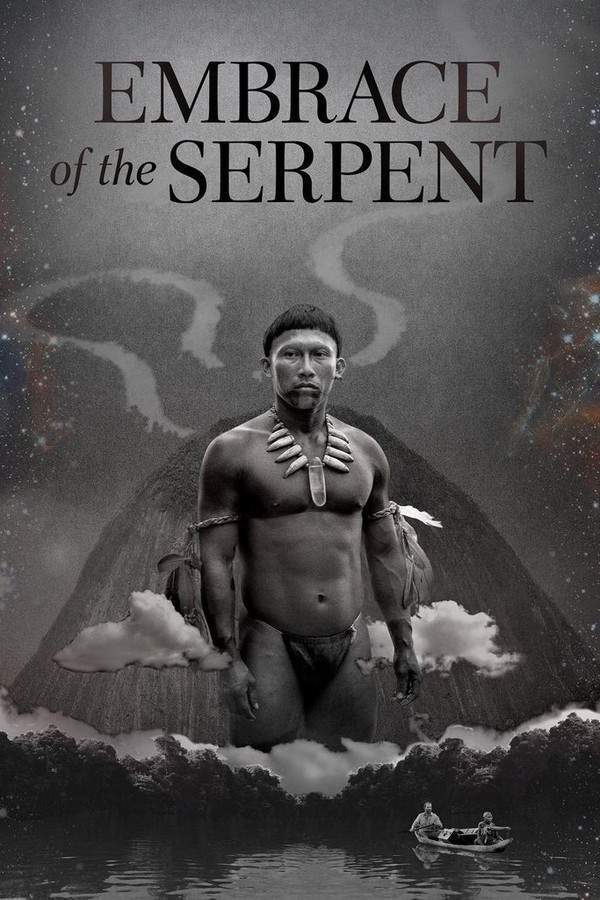
Embrace of the Serpent (2016) movie poster

Characters & Themes

Embrace of the Serpent (2016) Characters, Setting & Themes Explained

Release, runtime and language
2016 · 125 min · Spanish
JustWatch #29,425 1
Directed by
Ciro Guerra
Starring
Antonio Bolivar, Brionne Davis, Jan Bijvoet, Luigi Sciamanna, Nicolás Cancino, Nilbio Torres

Over four decades, the last shaman of the Amazon, Karamakate, encounters two scientists seeking a sacred plant deep within the rainforest. Their journeys, separated by twenty years, reveal a changing world and the impact of colonialism on indigenous cultures. Inspired by true accounts, the film explores themes of cultural loss, the pursuit of knowledge, and the complex relationship between humanity and the natural world.

On this page (9)
  1. 1 Where to watch
  2. 2 Characters explained (3)
  3. 3 Where & when it takes place
  4. 4 Themes & meaning (3)
  5. 5 Character & meaning questions
  6. 6 Movie threads
  7. 7 Movies like Embrace of the Serpent
  8. 8 Categories
  9. 9 Every angle

Where to watch

Where to Watch Embrace of the Serpent (2016)

Where can you watch Embrace of the Serpent? Stream, rent or buy it in the US, including on Night Flight Plus, OVID and Philo: current JustWatch availability with up-to-date prices.

Streaming availability powered by JustWatch

3 main characters · contains spoilers

Embrace of the Serpent Characters Explained: Who Is Who

The main characters of Embrace of the Serpent (2016), heroes and villains: what drives them, how they change over the course of the story and what each of them reveals about the film's bigger ideas.

  • Karamakate

    played by Antonio Bolivar

    Karamakate is an Amazonian shaman and the last surviving member of his tribe, embodying the wisdom of ancient traditions. Throughout the film, he grapples with the loss of his cultural identity and the impact of colonialism. As he aids the two scientists on their respective journeys, he reveals deep insights into the spirituality connected to nature.

    • 🌱 Shaman
    • 🧙 Wisdom
    • ⚔️ Resilience
  • Theo von Martius

    played by Brionne Davis

    Theo is a German ethnographer whose curiosity fuels the initial expedition to find yakruna. Despite his illness, he embodies a blend of respect and naivety towards indigenous cultures. His desperation for salvation contrasts with Karamakate's values, showcasing the complexities of their relationship.

    • 🌍 Ethnographer
    • 📚 Knowledge
    • 🪴 Exploration
  • Evan

    played by Jan Bijvoet

    Evan is an American botanist motivated by a desire for discovery, but his ulterior motives reveal a utilitarian approach to Karamakate's knowledge. His character represents the Western perspective on nature as a resource rather than a sacred entity, leading to profound transformations and realizations throughout the film.

    • 🍃 Botanist
    • 🔍 Discovery
    • 💡 Transformation

Last updated: October 22, 2024 at 21:27

Was this helpful?

Setting

Where and When Does Embrace of the Serpent Take Place?

The setting of Embrace of the Serpent (2016): the year and time period, the places and locations, and how they shape the characters, the mood and the tension of the story.

Time period

1909, 1940

The film spans across two distinct periods: the early 20th century, a time of colonial exploitation, and the turbulent wartime 1940s, framing the struggle of indigenous peoples. Each era reflects a complex interplay of tradition, survival, and colonization, deeply affecting Karamakate's identity and the quest for the sacred plant.

Location

Amazon River, Spanish Catholic Mission, Cerros de Mavecure

The Amazon River serves as a central artery for the two narratives, with lush landscapes and rich biodiversity. The Spanish Catholic Mission highlights the clash between indigenous beliefs and colonial imposition, showcasing the dark legacy of religious oppression. Cerros de Mavecure stands out with its unique dome-shaped mountains, representing both beauty and the secrets of the ancient plant, yakruna.

  • 🏞️ Nature
  • ⛪ Religion
  • 🗺️ Geography

Last updated: October 22, 2024 at 21:27

Was this helpful?

3 major themes

Embrace of the Serpent Meaning: Themes & Message Explained

What is Embrace of the Serpent (2016) really about? The emotional, social and philosophical themes the film keeps returning to, its symbolism and the message beneath the surface.

  • Cultural Heritage

    The narrative deeply explores the erosion of indigenous culture and knowledge through the relationship between Karamakate and the scientists. It illustrates the struggle to retain identity in the face of external pressures and exploitation. The pursuit of yakruna symbolizes the quest for understanding and preserving sacred traditions.

  • Environmental Exploitation

    The film highlights the relentless extraction of natural resources, specifically the Amazon rubber industry, which leads to the destruction of sacred plants and landscapes. This theme underlines the conflict between industrial progress and ecological preservation, showcasing the devastating effects on the indigenous ways of life.

  • Spiritual Conflict

    The presence of the Spanish Catholic Mission frames a spiritual conflict between indigenous beliefs and colonial religion. The manipulative nature of the missionaries illustrates the exploitation and abuse of power, while Karamakate's eventual healing of the priest's wife signifies a reclamation of spiritual agency and healing.

Last updated: October 22, 2024 at 21:27

Was this helpful?

Character & theme questions

Embrace of the Serpent Characters & Meaning: Your Questions Answered

The questions people ask about Embrace of the Serpent (2016): who the characters really are, their relationships, what the symbols mean, where it takes place and what the movie is really about. Each answer contains spoilers.

Q1

Who is Karamakate in the film?

Karamakate (born Antonio Bolivar) is the last surviving member of his Amazonian tribe and the film's central figure. He embodies the wisdom of ancient indigenous traditions but grapples throughout the film with the loss of his cultural identity and the impact of colonialism on his people. As he guides two separate scientists on their expeditions to find the sacred plant yakruna, he represents both the fading knowledge of indigenous cultures and a profound spiritual connection to nature.

  • karamakate
  • shaman
  • last shaman
  • indigenous leader
  • amazon tribes
Q2

Q2

Where is the film set?

The film takes place primarily in the Amazon rainforest, with the Amazon River serving as a central artery connecting the two narrative timelines. Key locations include the Spanish Catholic Mission, which represents the clash between colonial powers and indigenous peoples, and the Cerros de Mavecure, unique dome-shaped mountains that hold the secrets of the sacred plant yakruna. The setting is not merely a backdrop but actively shapes the story's themes of nature, spirituality, and exploitation.

  • amazon rainforest
  • amazon river
  • cerros de mavecure
  • setting
  • location
Q3

When does the story take place?

The film spans two distinct time periods: 1909 during the height of colonial exploitation, and 1940 during the turbulent wartime era. These parallel timelines allow the film to contrast the changing but persistent impact of colonialism on indigenous peoples and the Amazon landscape. Each era reflects different facets of the struggle between tradition, survival, and colonization, with Karamakate's identity profoundly affected by both periods.

  • 1909
  • 1940
  • time period
  • colonial era
  • historical setting
Q4

What is the Cultural Heritage theme about?

The film deeply explores the erosion of indigenous culture and knowledge through Karamakate's relationships with the scientists. The narrative illustrates the struggle to retain cultural identity against external pressures and exploitation. The pursuit of yakruna, a sacred plant, symbolizes the broader quest for understanding and preserving sacred indigenous traditions that are vanishing under colonial influence.

  • cultural heritage
  • cultural loss
  • indigenous culture
  • identity
  • traditions
Q4

Q5

What is the Environmental Exploitation theme about?

The film highlights the relentless extraction of natural resources, particularly through the Amazon rubber industry, which leads to the destruction of sacred plants and landscapes. This theme presents the conflict between industrial progress and ecological preservation, showing the devastating effects of exploitation on indigenous ways of life. The environment is portrayed not merely as a resource but as a spiritual entity deeply connected to indigenous identity.

  • environmental exploitation
  • rubber industry
  • deforestation
  • nature destruction
  • resource extraction
Q6

Q6

What is the Spiritual Conflict theme about?

The presence of the Spanish Catholic Mission frames a spiritual conflict between indigenous beliefs and colonial religion. The missionaries represent manipulative power and exploitation of indigenous peoples. Karamakate's eventual healing of the priest's wife signifies a reclamation of spiritual agency and healing for the indigenous culture, showing that despite oppression, native spiritual traditions retain power and meaning.

  • spiritual conflict
  • colonization
  • religion
  • catholic mission
  • indigenous beliefs
Q7

Who is Theo von Martius?

Theo von Martius is a German ethnographer who leads the first expedition in 1909 to find the sacred plant yakruna. Despite suffering from illness, he demonstrates a blend of respect and naivety toward indigenous cultures. His desperation for salvation drives his quest, and his relationship with Karamakate showcases the complex interplay between Western seekers and indigenous knowledge holders, marked by both genuine curiosity and unconscious cultural arrogance.

  • theo von martius
  • german ethnographer
  • scientist
  • explorer
  • 1909 expedition
Q8

Q8

Who is Evan and what are his motives?

Evan is an American botanist who leads the second expedition in 1940 to find yakruna. While initially motivated by scientific discovery, his character reveals a more utilitarian approach to nature and Karamakate's knowledge, viewing the indigenous world as a resource to be exploited rather than a sacred entity to be respected. His journey leads to profound transformations and realizations about the Western perspective on nature.

  • evan
  • american botanist
  • scientist
  • botanist
  • 1940 expedition
Q9

What is yakruna and why is it important?

Yakruna is a sacred plant sought throughout the film by both expeditions. It represents the quest for understanding and preserving sacred indigenous traditions. The plant is closely tied to the spiritual and cultural identity of Karamakate's people, and its search embodies the broader themes of cultural preservation, the conflict between indigenous wisdom and colonial exploitation, and the relationship between humanity and the natural world.

  • yakruna
  • sacred plant
  • amazon plant
  • indigenous knowledge
  • spiritual plant
Q10

How does the film portray colonialism's impact?

The film portrays colonialism as a persistent force that devastates indigenous cultures across both time periods. Through the Spanish Catholic Mission and the rubber industry, it shows the exploitation and abuse of power over indigenous peoples. Karamakate himself embodies the ongoing trauma of cultural erasure, as he is the last surviving member of his tribe. The nonlinear narrative emphasizes that the impact of colonialism is not a historical footnote but an ongoing reality.

  • colonialism
  • colonial exploitation
  • indigenous peoples
  • oppression
  • cultural erasure
Q10

Q11

Why does the film use two timelines?

The film weaves together two timelines (1909 and 1940) to contrast the changing yet persistent impact of colonialism on the Amazon and its indigenous peoples. This nonlinear structure allows viewers to see how the exploitation and cultural destruction evolved over thirty years while highlighting what remains unchanged, the ongoing struggle between indigenous traditions and colonial forces. The structure reinforces the film's themes of cultural loss and the passage of time.

  • nonlinear narrative
  • two timelines
  • film structure
  • storytelling
  • 1909 and 1940
Q12

What is the tone and mood of the film?

The film has a melancholic tone driven by its central theme of cultural extinction and the shaman's fading connection to his world. It builds power through atmosphere and thematic weight rather than constant high-stakes action, with moments of tension balanced by long stretches of meditative canoe travel. The pervasive reflective sadness is reinforced by slow pacing that emphasizes atmosphere and philosophical dialogue over rapid plot progression.

  • tone
  • mood
  • melancholy
  • atmosphere
  • slow pacing
Q12

Q13

What is the significance of Cerros de Mavecure?

Cerros de Mavecure are the unique dome-shaped mountains that appear prominently in the film, representing both natural beauty and the secrets of the ancient plant yakruna. These formations serve as a mystical location where the sacred plant can be found, embodying the connection between the spiritual world and the natural landscape of the Amazon. They symbolize the ancient wisdom and mysteries of indigenous culture that still endure despite colonial pressures.

  • cerros de mavecure
  • dome mountains
  • sacred location
  • amazon landmarks
Q14

Q16

Q18

Q20

Q22

Q24

Movie threads

More Movies Like Embrace of the Serpent, by Mood & Story

Curated lists built around what makes Embrace of the Serpent tick: the same mood, the same kind of story or the same emotional payoff. Each list explains why these movies belong together.

Movies about colonial encounters like Embrace of the Serpent

Meditative journeys into fragile cultures forever changed by outside forces. If you were captivated by the meditative exploration and cultural impact in Embrace of the Serpent, this list features similar movies. These films explore the complex, often devastating, meetings between explorers and indigenous cultures, focusing on themes of knowledge, loss, and the haunting legacy of colonialism.

  • melancholic
  • immersive
  • reflective
  • oppressive
  • lonely
  • somber
  • Tone: melancholic, reflective, somber
  • Pacing: slow, deliberate, meditative
Why these movies?

The story pattern: These stories are structured around a journey into an unfamiliar, often mythic, landscape. The central conflict arises not from traditional villains but from the irreversible consequences of contact, exploitation, or misunderstanding. The narrative often unfolds through the perspective of an outsider whose quest for knowledge becomes a confrontation with moral and historical tragedy.

Why they belong together: They are grouped by their shared focus on the colonial encounter as a central, devastating event. They prioritize atmosphere and thematic depth over plot, creating a reflective, often melancholic mood. The experience is immersive and thought-provoking, leaving a heavy emotional residue about cultural loss.

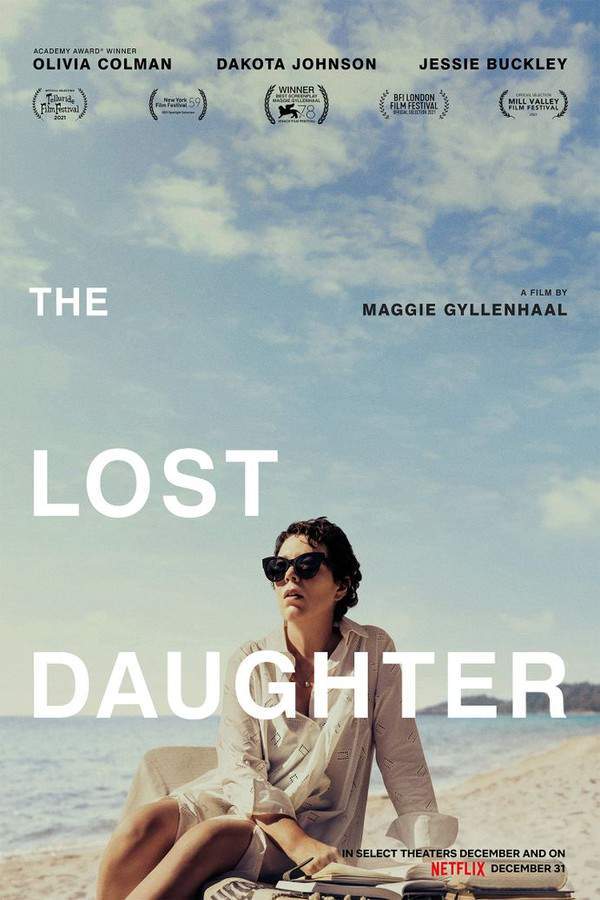
Mystical journey movies similar to Embrace of the Serpent

Hypnotic travels where the environment itself becomes a spiritual character. For viewers who loved the hallucinatory, immersive trip through the Amazon in Embrace of the Serpent. Discover other films that use a slow, meditative pace to turn a physical journey into a profound spiritual and philosophical exploration, often featuring dreamlike sequences and a deep connection to the natural world.

  • dreamlike
  • hallucinatory
  • serene
  • immersive
  • reflective
  • spiritual
  • Tone: dreamlike, melancholic, serene
  • Pacing: very slow, hypnotic, atmospheric
Why these movies?

The story pattern: The narrative is often episodic, structured around the stages of a physical trek. Characters are transformed not by external events but by their internal reactions to the landscape. The story may weave between timelines or realities, using the journey as a framework for exploring memory, loss, or transcendence, often leading to an ambiguous or open-ended conclusion.

Why they belong together: These films share a specific sensory and emotional vibe: a slow, dreamlike, and immersive experience. They prioritize mood and atmosphere over conventional plot, creating a feeling of being transported. The combination of a majestic setting, philosophical themes, and a reflective pace creates a uniquely mesmerizing and contemplative viewing experience.

If you liked this

Movies Like Embrace of the Serpent

Similar movies to Embrace of the Serpent: the same genre, themes or kind of story. Each one comes with its own plot summary, timeline and ending explained.

Browse all movie summaries

Categories

Movie Lists Featuring Embrace of the Serpent

Embrace of the Serpent appears in these hand-built movie categories. Each one groups movies by a specific mood, theme or story type, with their plot summaries and endings explained.

View all movie categories

Every angle

Embrace of the Serpent (2016) Explained: Plot, Timeline & Characters

Everything about Embrace of the Serpent in one place: what happens in the plot summary, the timeline in chronological order, the characters and meaning and a spoiler-free summary. What's After the Movie adds the cast, box office and post-credit scenes.

Coming soon on iOS and Android

The Plot Explained Movie Summary App

Plot summaries, endings explained and timelines on your phone. Catch up on any movie in minutes, save your favorites and never miss a twist again.

Be the first to know when we launch. Your email stays private, always.

Learn more about the app