Plot Explained Spoilers guaranteed!
Plot Explained

Browse by genre

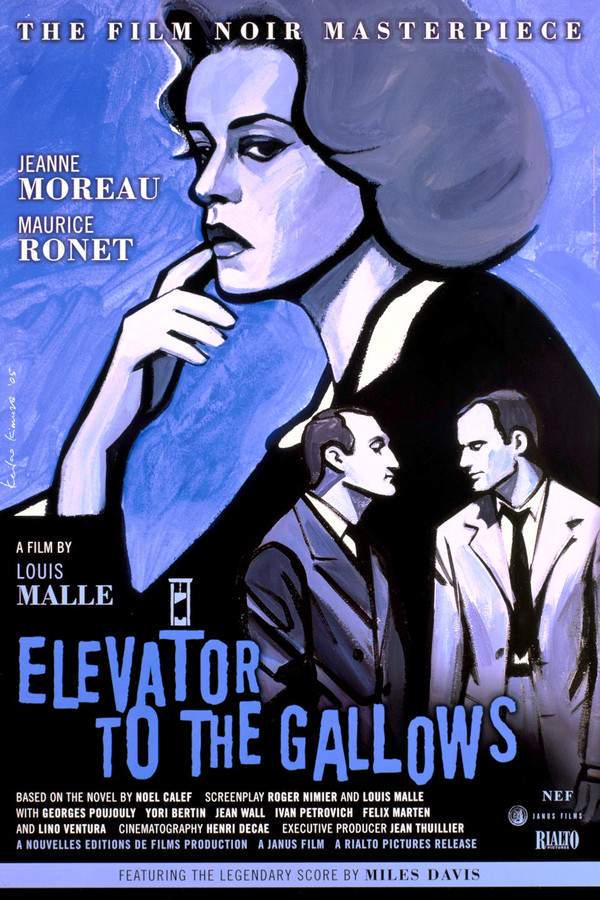
Elevator to the Gallows (1958) movie poster

Characters & Themes

Elevator to the Gallows (1958) Characters, Setting & Themes Explained

Release, runtime and language
1958 · 91 mins · French
Loading streaming availability…
Directed by
Louis Malle
Starring
Jeanne Moreau, Charles Denner, Maurice Ronet, Georges Poujouly, Elga Andersen, Lino Ventura

Driven by a desperate need for excitement, a confident businessman kills his employer—who also happens to be his mistress's husband. The murder sets off a disastrous cascade of events, thrusting the characters into a tense, frantic struggle for survival and redemption.

On this page (8)
  1. 1 Where to watch
  2. 2 Characters explained (9)
  3. 3 Where & when it takes place
  4. 4 Themes & meaning (3)
  5. 5 Character & meaning questions
  6. 6 Movie threads
  7. 7 Movies like Elevator to the Gallows
  8. 8 Every angle
Loading streaming availability…

9 main characters · contains spoilers

Elevator to the Gallows Characters Explained: Who Is Who

The main characters of Elevator to the Gallows (1958), heroes and villains: what drives them, how they change over the course of the story and what each of them reveals about the film's bigger ideas.

  • Florence Carala (Jeanne Moreau)

    Florence is a sophisticated, emotionally driven figure who orchestrates the murder plot out of love. She blends charm with a calculating edge, using social influence to steer events. Her resolve wavers as the plan spirals and the investigation tightens, revealing both vulnerability and resolve.

    • ❤️ Love and manipulation
    • 🧠 Calculating
  • Julien Tavernier (Maurice Ronet)

    Julien is a former Foreign Legion paratrooper, skilled and calm under pressure yet torn by his love for Florence. He carries out the plan with precision, but his decisions reveal a stubborn, impulsive streak. Trapped by his own actions, he faces interrogation and the risk of a life ruined by crime.

    • 🪖 Paratrooper
    • 🧭 Calculating
  • Louis (Georges Poujouly)

    Louis is a small-time crook, impulsive and opportunistic. He and Véronique drive the night-long chase, taking risks with little regard for consequences. His confidence soon clashes with the reality of police pursuit and fate.

    • 💰 Reckless
    • 🗺️ Opportunistic
  • Véronique (Yori Bertin)

    Véronique is a flower shop assistant who becomes entangled with Louis and drawn into the crime plot. She is naive yet resourceful, capable of bold moves but haunted by fear and longing. Her quest for escape tests her loyalty and resolve.

    • 🌸 Naive
    • 🕊️ Desperate
  • Horst Bencker (Iván Petrovich)

    Horst is a jovial, confident German whose easygoing charm contrasts with the violence that unfolds. He and his wife Frieda provide a stark foil to the Paris criminals, exposing the casual cruelty that can accompany wealth and leisure.

    • 🍷 Jovial
    • 👔 Calculated
  • Frieda Bencker (Elga Andersen)

    Frieda is Horst's perceptive wife, observant and lively. She photographs the group with Julien's camera, an act that inadvertently captures crucial evidence. Her cool demeanor under pressure reveals a keen, sometimes sly, mind.

    • 📷 Photographer
    • 🧭 Calculating
  • Simon Carala (Jean Wall)

    Simon is a wealthy industrialist, Florence's husband and the intended murder target. His power and presence anchor the conflict, even as his fate triggers the plot's unraveling. His role embodies a ruthless, demanding social elite.

    • 💼 Wealth
    • 🗽 Power
  • Le Commissaire Cherrier (Lino Ventura)

    Cherrier is the sharp, methodical inspector who pieces the case together. He keeps a cool head while navigating the web of alibis and evidence, representing the police's relentless pursuit of truth. His calm efficiency highlights the film's noir sense of justice.

    • 🕵️ Investigator
    • 🧭 Righteous
  • Anna (Jacqueline Staup)

    Anna appears as a minor but pivotal figure in the case, connected to Florence's social circle. Her presence underscores the web of relationships surrounding the crime. She contributes to the atmosphere of intrigue with understated significance.

    • 🤝 Social circle
    • 🗂️ Clue

Last updated: December 06, 2025 at 16:32

Was this helpful?

Setting

Where and When Does Elevator to the Gallows Take Place?

The setting of Elevator to the Gallows (1958): the year and time period, the places and locations, and how they shape the characters, the mood and the tension of the story.

Time period

1950s

The events take place in the late 1950s Paris noir milieu. The postwar European setting shapes the mood, with sleek offices, neon nights, and a sense of moral ambiguity pervading the city. The era's social norms and cold pragmatism heighten the film's fatalistic tone.

Location

Paris, France, Motel

The story unfolds in Paris, with late-night offices, cafes, and shadowy streets forming the backdrop. Much of the drama centers around an upper-floor office, a bustling city at night, and a nameless motel where the lovers' scheme and its consequences play out. The city's claustrophobic atmosphere and maze-like spaces amplify tension as the plan unravels.

  • 🏙️ Urban setting
  • 🌃 Nightlife
  • 🏨 Motel environment

Last updated: December 06, 2025 at 16:32

Was this helpful?

3 major themes

Elevator to the Gallows Meaning: Themes & Message Explained

What is Elevator to the Gallows (1958) really about? The emotional, social and philosophical themes the film keeps returning to, its symbolism and the message beneath the surface.

  • Love and Crime

    Love drives Florence and Julien to plan a murder, blending romance with dangerous risk. Their affair becomes the engine of the plot, compelling them to improvise alibis and confront consequences. As the plan falters, guilt, paranoia, and obsession threaten to destroy them.

  • Mistakes and Consequences

    Misdirection and forged alibis fail under the weight of evidence. The story hinges on a gun, a car, and photographs that expose deception, forcing characters to face punishment. The pursuit of escape yields a harsher fate than they anticipated.

  • Urban Noir

    Paris at night becomes a labyrinth of elevators, motels, and backroom corners where danger hides in plain sight. Shadows and enclosed spaces build relentless suspense as plans close in. The city itself embodies guilt and fate in a world where love and crime collide.

Last updated: December 06, 2025 at 16:32

Was this helpful?

Character & theme questions

Elevator to the Gallows Characters & Meaning: Your Questions Answered

The questions people ask about Elevator to the Gallows (1958): who the characters really are, their relationships, what the symbols mean, where it takes place and what the movie is really about. Each answer contains spoilers.

Q1

Why is Paris such an important setting for this film?

The film uses Paris at night as more than a backdrop, it becomes a character itself. The late-1950s city provides a maze of shadowy streets, neon-lit cafes, and claustrophobic office spaces that amplify the characters' paranoia and isolation. The postwar urban environment, with its sleek offices and dark corners, perfectly suits the film's fatalistic tone and themes of hidden crime and moral ambiguity.

  • paris
  • nighttime
  • urban setting
  • postwar france
  • film noir
Q2

What time period does the story take place in?

The events unfold in late 1950s Paris, during the postwar noir milieu. This specific era shapes the film's mood, the sleek offices, neon signs, and cold pragmatism of the time period all contribute to a sense of modern moral ambiguity that defines French noir cinema of this period.

  • 1950s
  • postwar
  • paris
  • time period
  • noir era
Q3

What is the main theme of the movie?

The film centers on love and crime intertwining, Florence and Julien's affair drives them to murder, but their attempts to escape the consequences lead to cascading disaster. The theme explores how passionate love combined with criminal acts creates guilt, paranoia, and ultimately destroys everyone involved, reflecting French fatalism where control attempts only deepen tragedy.

  • love
  • crime
  • fatalism
  • guilt
  • passion
Q4

How does the setting contribute to the story's tension?

Paris becomes a labyrinth of enclosed spaces, elevators, motel rooms, backroom corners, where danger lurks in plain sight. The shadowy urban environment and nighttime setting amplify the claustrophobic atmosphere, making the city itself embody guilt and fate as the lovers' plan unravels.

  • paris
  • night
  • urban labyrinth
  • atmosphere
  • tension
Q5

Who is Florence Carala and what is her role?

Florence Carala is a sophisticated, emotionally driven woman who orchestrates the murder of her husband out of love for Julien. She blends charm with a calculating edge, using her social influence to steer events, though her resolve wavers as the plan spirals out of control, revealing both vulnerability and determination.

  • florence
  • jeanne moreau
  • protagonist
  • love
  • crime
Q6

What is Julien Tavernier's background?

Julien Tavernier is a former Foreign Legion paratrooper who carries out the murder with precision and calm under pressure. His military background gives him the skills to execute the plan, but his love for Florence and his impulsive decisions trap him in a situation he cannot escape, leading to his interrogation and potential ruin.

  • julien
  • maurice ronet
  • foreign legion
  • protagonist
  • military
Q7

What does the film say about mistakes and consequences?

The film illustrates how misdirection and forged alibis fail under the weight of evidence, photographs, a gun, and a car all expose the deception. The pursuit of escape ultimately yields a harsher fate than anticipated, emphasizing that in this noir world, every attempt to outsmart consequences only deepens the tragedy.

  • mistakes
  • consequences
  • evidence
  • deception
  • justice
Q8

Who is Inspector Cherrier?

Le Commissaire Cherrier is the sharp, methodical police inspector who pieces together the case through alibis and evidence. His calm, efficient approach represents the relentless pursuit of truth, providing a stark contrast to the criminals' panic and highlighting the film's noir sense of inevitable justice.

  • cherrier
  • lino ventura
  • police
  • inspector
  • investigation
Q9

What role do Louis and Véronique play in the story?

Louis is a small-time, impulsive crook who becomes entangled in the crime alongside Véronique, a naive flower shop assistant. Their night-long chase drives much of the film's suspense, and Véronique's quest for escape tests her loyalty and resourcefulness, contrasting with the main lovers' story.

  • louis
  • veronique
  • secondary characters
  • chase
  • crime
Q10

What is the purpose of Horst and Frieda Bencker?

Horst and Frieda are a German couple whose easygoing charm and normalcy contrast sharply with the violence unfolding around them. Frieda's innocent use of Julien's camera to photograph the group inadvertently captures crucial evidence, making them accidental catalysts in exposing the crime.

  • horst
  • frieda
  • bencker
  • photographs
  • contrast
Q11

What makes this film a classic noir?

Elevator to the Gallows exemplifies French noir through its fatalistic narrative, morally ambiguous characters, and use of Paris as a shadowy labyrinth. The film's themes of crime passionnel, mistaken identities, and inescapable consequences align with noir conventions, while its visual style and psychological depth elevate it as a landmark of the genre.

  • film noir
  • french noir
  • fatalism
  • genre conventions
  • classic

Movie threads

More Movies Like Elevator to the Gallows, by Mood & Story

Curated lists built around what makes Elevator to the Gallows tick: the same mood, the same kind of story or the same emotional payoff. Each list explains why these movies belong together.

Fatalistic crime spiral movies like Elevator to the Gallows

Where a single bad decision triggers an inescapable cascade of doom. If you liked the tense, fatalistic spiral of events in Elevator to the Gallows, you'll find similar thrills here. This collection features movies where a single mistake leads to an uncontrollable cascade of consequences, trapping characters in a web of their own making. These films share a dark, anxious mood and a narrative structure built on cruel irony and impending doom.

  • fatalistic
  • anxious
  • suspenseful
  • dark
  • desperate
  • frantic
  • Tone: tense, bleak, fatalistic
  • Pacing: fast, relentless
Why these movies?

The story pattern: The narrative follows a domino effect structure. An initial, often impulsive, act sets off a series of unforeseen and interconnected disasters. The protagonist scrambles to regain control, but external forces, chance encounters, and further miscalculations push them deeper into tragedy, highlighting the theme that fate is merciless.

Why they belong together: These movies are grouped by their shared core mechanic: the fatal cascade. They excel at building palpable tension and a claustrophobic mood, often using elements like jazz scores or stark cinematography to enhance the feeling of entrapment. The viewing experience is one of watching a slow-motion car crash, where anxiety and dread are the primary emotions.

Claustrophobic noir thrillers similar to Elevator to the Gallows

Thrillers where characters are psychologically or physically trapped by their circumstances. Fans of the trapped, anxious feeling in Elevator to the Gallows will appreciate this selection of claustrophobic noir thrillers. These movies often feature characters boxed in by their bad choices, the urban landscape, or a single location, all set against a dark, stylish backdrop. They deliver a similar mix of high tension, moral ambiguity, and a stylish, fatalistic atmosphere.

  • claustrophobic
  • anxious
  • suspenseful
  • dark
  • noir
  • desperate
  • Tone: dark, tense, desperate
  • Pacing: fast, urgent
Why these movies?

The story pattern: The narrative often unfolds in a limited space or under a tight time constraint, forcing characters into confrontations with their own guilt, fear, or paranoia. The plot is driven by a sense of entrapment, where escape seems impossible, and the focus is on the psychological unraveling of individuals under extreme pressure.

Why they belong together: This thread unites films through their shared atmospheric and psychological pressure. The combination of a noir visual style—shadowy cinematography, urban settings—with themes of entrapment and moral compromise creates a uniquely tense and immersive experience. The pacing is often urgent, mirroring the characters' frantic attempts to break free.

If you liked this

Movies Like Elevator to the Gallows

Similar movies to Elevator to the Gallows: the same genre, themes or kind of story. Each one comes with its own plot summary, timeline and ending explained.

Browse all movie summaries

Every angle

Elevator to the Gallows (1958) Explained: Plot, Timeline & Characters

Everything about Elevator to the Gallows in one place: what happens in the plot summary, the timeline in chronological order, the characters and meaning and a spoiler-free summary. What's After the Movie adds the cast, box office and post-credit scenes.

Coming soon on iOS and Android

The Plot Explained Movie Summary App

Plot summaries, endings explained and timelines on your phone. Catch up on any movie in minutes, save your favorites and never miss a twist again.

Be the first to know when we launch. Your email stays private, always.

Learn more about the app