








Plot Explained Spoilers guaranteed!
Plot Explained

Browse by genre

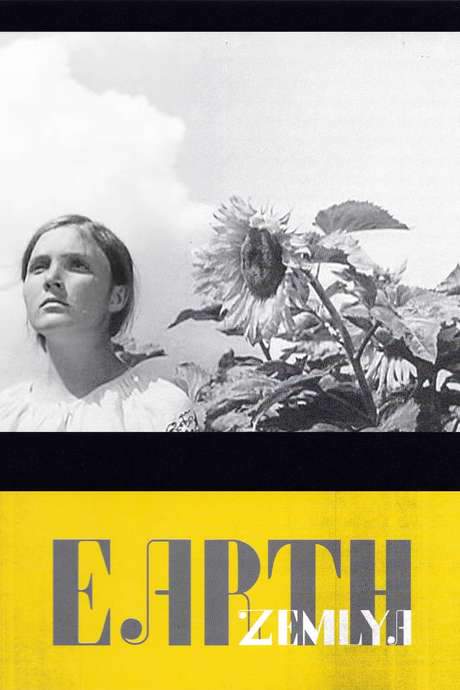
Earth (1930) movie poster

Plot Summary

Earth (1930) Plot Summary Explained

Release, runtime and language
1930 · 84 mins
Directed by
Oleksandr Dovzhenko
Starring
Sergei Borisov, Yelena Maksimova, Luka Lyashenko, Vasyl Krasenko, Mykola Nademskyi, Vladimir Mikhaylov

Vasyl, a Komsomol activist, secures a tractor through his local party committee and uses it to plow the private plots of former kulaks, marking their boundaries. His zeal for collectivist goals soon brings harsh consequences, jeopardizing his standing and personal safety, as the backlash forces him to confront the brutal reality of forced collectivization and the heavy personal cost it exacts.

On this page (6)
  1. 1 Where to watch
  2. 2 What happens: full plot
  3. 3 Plot questions answered
  4. 4 Movie threads
  5. 5 Movies like Earth
  6. 6 Every angle

Where to watch

Where to Watch Earth (1930)

Where can you watch Earth? Stream, rent or buy it in the US, including on Klassiki, JustWatch TV and Kanopy: current JustWatch availability with up-to-date prices.

Streaming availability powered by JustWatch

Full plot summary · contains spoilers

What Happens in Earth: Full Plot Summary

The whole story of Earth (1930) explained, from the opening scene to the final frame: every key event, every twist and what it all adds up to. Read it as a quick recap before the sequel, to check a scene you missed, or to finally understand what really happened.

The film opens with a wind-swept field of wheat and sunflowers, setting a quiet, rural mood before the story shifts to a life-marking moment. An old peasant named Semyon dies beneath an apple tree, attended by his son Opanas [Stepan Shkurat] and grandson Vasyl [Semen Svashenko], anchoring the tale in family ties and generations watching the land change.

Elsewhere, the local kulaks, led by Arkhyp Bilokin [Ivan Franko], denounce collectivization and vow to resist its reach. At Opanas’s home, Vasyl and his friends gather to debate the future of agriculture, clashing with Opanas, who remains deeply skeptical of the mass farming program.

Soon Vasyl arrives with the community’s first tractor, a beacon of progress that stirs excitement among the villagers. A charged moment unfolds as the men, under the heat of the radiator, react with a crude rite that ends up as a reckless plow through the land and the destruction of the kulaks’ fences. A continuous montage follows, tracing the lifecycle of bread from the fields to the table, underscoring the transformation that the village undergoes under collectivization.

That night, Vasyl returns along a quiet path, dancing a hopak as he nears home, only to be struck down by a dark figure. When his death is discovered, Opanas searches for the killer and confronts Khoma [Petro Masokha], Bilokin’s son, who refuses to confess to the murder.

Vasyl’s father rejects the local priest’s plan to lead the funeral, expressing atheism and asking Vasyl’s friends for a secular farewell and to “sing new songs for a new life.” The villagers honor the request as Natalya [Yelena Maksimova], Vasyl’s fiancée, mourns beside them, while the priest curses the mourners from the shadows.

At the cemetery, Khoma arrives in a frenzy to declare that he killed Vasyl and to resist collectivization. The crowd largely ignores him, though one of Vasyl’s friends offers a moving eulogy that memorializes the fallen man.

The film closes with a montage of rain pouring over fruit and vegetables, a visual echo of the village’s hardship and renewal. In the aftermath, Natalya finds herself embraced by a new lover, signaling a complicated, unsettled future shaped by loss and the ongoing social upheaval.

Last updated: February 20, 2026 at 12:25

Was this helpful?

Plot questions answered

Earth Plot Explained: Your Questions Answered

The questions people ask most about Earth (1930): what happens in the confusing scenes, why the characters do what they do, the twists, hidden details and what the ending means. Each answer contains spoilers.

Q1

Why was Vasyl killed?

Vasyl was killed because he was a Komsomol activist who brought the first tractor to the village and used it to plow the private plots of former kulaks, destroying their fences in the process. Khoma, the son of kulak Arkhyp Bilokin, committed the murder as an act of resistance against collectivization. At the cemetery, Khoma explicitly confesses that he killed Vasyl to resist the forced collectivization of their land.

Foreshadowing: Earlier, kulaks including Bilokin had denounced collectivization and vowed to resist its reach, setting up the violent conflict to come.

  • vasyl death
  • collectivization murder
  • kulak resistance
  • khoma bilokin
Q2

Why did the tractor destroy the kulaks' fences?

After the men urinated in the overheated tractor radiator, they recklessly plowed the land, and the tractor's work destroyed the fences marking the kulaks' private plots. This was not accidental, it symbolized the forceful dismantling of private land ownership under collectivization. The act directly challenged the kulaks' economic power and territorial boundaries.

Foreshadowing: The scene follows the arrival of the tractor as a 'beacon of progress,' but the destructive plowing reveals the violent disruption this progress caused.

  • tractor destruction
  • kulak fences
  • collectivization force
  • land seizure
Q3

Why did Vasyl's father reject the priest at the funeral?

Vasyl's father rejected the Russian Orthodox priest because he was an atheist who wanted a secular farewell for his son. He asked Vasyl's friends to 'sing new songs for a new life,' embracing Soviet ideology rather than traditional religious ritual. This reflects the broader cultural clash between Soviet atheism and religious tradition during the collectivization period.

Foreshadowing: The tension between old traditions and Soviet values was established early in debates between Vasyl and his father Opanas.

  • vasyl father atheist
  • secular funeral
  • priest rejected
  • soviet atheism
Q4

Why was Khoma's confession ignored at the cemetery?

Khoma's confession at the cemetery was largely ignored because the crowd was focused on mourning Vasyl and paying their respects. His declaration that he killed Vasyl to resist collectivization was politically charged, but the mourners were more concerned with honoring the dead than engaging with his radical statement. One of Vasyl's friends instead delivered a moving eulogy that memorialized the fallen man.

Foreshadowing: Earlier, Opanas had confronted Khoma about the murder, but Khoma refused to confess then, creating tension about accountability.

  • khoma confession
  • cemetery scene
  • vasyl murder ignored
  • mourning crowd
Q5

What is the significance of the bread montage?

The bread montage traces the complete lifecycle of bread from the fields to the table, emphasizing the connection between agricultural labor and sustenance. It reinforces how central farming is to the village's life and underscores what is at stake in collectivization, the transformation of how food is produced and shared. The montage highlights the promised reward of collective farming after the disruption caused by the tractor.

Foreshadowing: The montage follows the destructive tractor scene, suggesting that despite the chaos, there is a path from planting to harvest.

  • bread montage
  • agricultural labor
  • food production
  • collectivization harvest
Q6

What does the ending rain montage represent?

The ending montage shows rain pouring over fruit and vegetables, creating a visual echo of both hardship and renewal. The rainfall suggests the land is being nourished despite the tragedy of Vasyl's death, implying a cyclical, regenerative quality to nature and village life. This bittersweet imagery indicates that life continues even after violence and loss, though the community remains shaped by the upheaval.

Foreshadowing: The earlier wheat and sunflower fields established the seasonal rhythms that frame the story's cycles of planting and growth.

  • rain ending
  • renewal imagery
  • village hardship
  • cyclical nature
Q7

Why does Natalya find a new lover after Vasyl's death?

After Vasyl is killed, Natalya is seen in the embrace of a new lover at the film's end. This suggests that life continues despite loss and that the community moves forward even through tragedy. It reflects the film's bittersweet tone, while Vasyl's death is devastating, the story does not end in pure despair. Natalya's new relationship symbolizes the complicated, unsettled future shaped by both personal loss and ongoing social upheaval.

Foreshadowing: Natalya mourned beside Vasyl's grave during the funeral, establishing her grief before the final scene shifts to her finding a new partner.

  • natalya new lover
  • vasyl death aftermath
  • bittersweet ending
  • life continues
Q8

Why does Opanas oppose collectivization?

Opanas, Vasyl's father, remains deeply skeptical of collectivization throughout the film. He represents the older generation of peasants who are attached to their traditional way of life and private land ownership. At his home, he debates with Vasyl and his friends about the future of agriculture, clearly divided from the younger reformers. His opposition reflects the broader generational and ideological split within the village.

Foreshadowing: Opanas was present when Semyon died under the apple tree, anchoring him to the older traditions and family legacy.

  • opan vasyl father
  • collectivization opposition
  • generational conflict
  • traditional peasants
Q9

Why does Vasyl dance the hopak before being killed?

Vasyl dances the hopak, a traditional Ukrainian folk dance, as he walks home along a quiet path. This moment celebrates his Ukrainian cultural identity and his joy at having brought the tractor to the village. The dance represents his vitality and connection to his heritage just before his violent death. The contrast between this joyful dance and his sudden murder heightens the tragedy of his fate.

Foreshadowing: Earlier, the film establishes Ukrainian cultural traditions through the hopak and the family gatherings, setting up this poignant pre-death moment.

  • vasyl hopak
  • ukrainian dance
  • traditional dance before death
  • joy before tragedy
Q10

Why do the kulaks oppose the tractor?

The kulaks oppose the tractor because it represents the enforcement of collectivization, which threatens their private land ownership and economic power. Led by Arkhyp Bilokin, they have already denounced collectivization and vowed resistance. When the tractor plows through their fences, it physically destroys the boundaries of their property, making the ideological conflict tangible and violent. Their resistance stems from losing their status and livelihood.

Foreshadowing: The kulaks' early declaration of resistance establishes the social fault lines that lead directly to Vasyl's murder.

  • kulak opposition
  • tractor threat
  • land ownership
  • property destruction
Q11

Why does Vasyl bring the tractor to the village?

Vasyl, as a Komsomol activist, secures a tractor through his local party committee and brings it to the village as a symbol of progress and collective farming. He believes in the collectivist goals and wants to help the community modernize agriculture. The tractor arrival generates excitement among villagers who see it as a beacon of change, though it also triggers conflict with those who own private land.

Foreshadowing: Vasyl's debates with his father Opanas reveal his commitment to reform and belief in collective agriculture.

  • vasyl komsomol
  • tractor progress
  • collective farming
  • party committee

Movie threads

More Movies Like Earth, by Mood & Story

Curated lists built around what makes Earth tick: the same mood, the same kind of story or the same emotional payoff. Each list explains why these movies belong together.

Movies about ideological tragedy like Earth

Stories where political fervor collides with devastating personal consequences. If you were captivated by the grim portrayal of political conviction in Earth, explore more movies like it. These films depict characters consumed by ideology, leading to powerful and emotionally heavy dramas about the personal cost of grand political schemes.

  • ideological
  • tragic
  • somber
  • grief-stricken
  • political
  • devastating
  • Tone: bleak, somber, tragic
  • Pacing: steady, methodical
Why these movies?

The story pattern: These narratives typically follow a protagonist who champions a cause with zealous dedication, only to be destroyed by the very system they serve. The story arc is a steady descent, moving from initial optimism or fervor towards an inevitable confrontation with the system's oppressive realities, culminating in profound personal loss or tragedy.

Why they belong together: These films are grouped together because they share a focus on the collision between individual lives and overwhelming political forces. They generate a heavy emotional weight through their bleak tone and straightforward, tragic arcs, exploring themes of betrayal, grief, and the sacrifice of humanity for an abstract cause.

Bleak rural dramas with tragic endings like Earth

Solemn tales of hardship and grief set against harsh, unforgiving landscapes. Seeking more somber films set in the countryside? Discover movies like Earth that use rural life to frame stories of loss and hardship. These powerful dramas often feature generational conflict, the struggle against nature and society, and a deeply melancholic atmosphere.

  • rural
  • somber
  • melancholic
  • grief
  • oppressive
  • resigned
  • Tone: melancholic, somber, bleak
  • Pacing: steady, deliberate
Why these movies?

The story pattern: The narrative pattern follows individuals or families in an isolated rural environment, where external forces—be they political, natural, or social—gradually close in. The steady pacing builds a sense of inescapable fate, leading to a conclusion that is overwhelmingly sad or bittersweet, leaving characters resigned to their grief-stricken circumstances.

Why they belong together: These movies share a cohesive atmosphere built from their somber, oppressive mood, melancholic tone, and the symbolic weight of the rural setting. They are united by a focus on grief, resignation, and the stark portrayal of life's hardships, creating a deeply moving and consistent viewing experience.

If you liked this

Movies Like Earth

Similar movies to Earth: the same genre, themes or kind of story. Each one comes with its own plot summary, timeline and ending explained.

Browse all movie summaries

Every angle

Earth (1930) Explained: Plot, Timeline & Characters

Everything about Earth in one place: what happens in the plot summary, the timeline in chronological order, the characters and meaning and a spoiler-free summary. What's After the Movie adds the cast, box office and post-credit scenes.

Coming soon on iOS and Android

The Plot Explained Movie Summary App

Plot summaries, endings explained and timelines on your phone. Catch up on any movie in minutes, save your favorites and never miss a twist again.

Be the first to know when we launch. Your email stays private, always.

Learn more about the app