








Plot Explained Spoilers guaranteed!
Plot Explained

Browse by genre

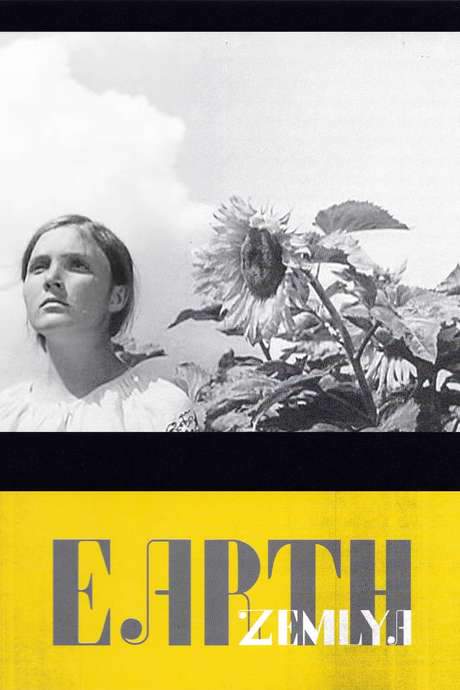
Earth (1930) movie poster

Characters & Themes

Earth (1930) Characters, Setting & Themes Explained

Release, runtime and language
1930 · 84 mins
Directed by
Oleksandr Dovzhenko
Starring
Sergei Borisov, Yelena Maksimova, Luka Lyashenko, Vasyl Krasenko, Mykola Nademskyi, Vladimir Mikhaylov

Vasyl, a Komsomol activist, secures a tractor through his local party committee and uses it to plow the private plots of former kulaks, marking their boundaries. His zeal for collectivist goals soon brings harsh consequences, jeopardizing his standing and personal safety, as the backlash forces him to confront the brutal reality of forced collectivization and the heavy personal cost it exacts.

On this page (8)
  1. 1 Where to watch
  2. 2 Characters explained (7)
  3. 3 Where & when it takes place
  4. 4 Themes & meaning (3)
  5. 5 Character & meaning questions
  6. 6 Movie threads
  7. 7 Movies like Earth
  8. 8 Every angle

Where to watch

Where to Watch Earth (1930)

Where can you watch Earth? Stream, rent or buy it in the US, including on Klassiki, JustWatch TV and Kanopy: current JustWatch availability with up-to-date prices.

Streaming availability powered by JustWatch

7 main characters · contains spoilers

Earth Characters Explained: Who Is Who

The main characters of Earth (1930), heroes and villains: what drives them, how they change over the course of the story and what each of them reveals about the film's bigger ideas.

  • Vasyl — Semen Svashenko

    A young farmer who embodies hope for modernization. He helps drive the village forward with the tractor and dances a hopak on his way home, symbolizing vitality and ambition. His murder abruptly interrupts the progress he represents and exposes underlying tensions within the community.

    • 🚜 Farmer
    • 🌾 Rural life
    • ⚔️ Tragedy
  • Natalya — Yelena Maksimova

    Vasyl's fiancée who mourns his death while navigating a changing world. Her grief is intensified by social expectations and the religious dominant culture. By the end, she is shown embracing a new lover, signaling resilience and personal renewal.

    • 💔 Grief
    • 💞 Love and resilience
  • Opanas — Stepan Shkurat

    Vasyl's father and a staunch voice of tradition who clashes with the push for collectivization. He calls for a secular funeral for his son and rejects religious rites, underscoring the family's turn toward secular memory.

    • 👨 Father
    • 🕊️ Secularism
  • Semyon

    The elder peasant who dies under an apple tree, witnessed by his son Opanas and grandson Vasyl. His death marks the passing of an older generation and sets in motion the younger generation's response to the new order.

    • 🌾 Elderly
    • ⚰️ Death
  • Arkhyp Bilokin — Ivan Franko

    A local kulak who denounces collectivization and embodies resistance to reform. His stance and ties to the old order frame the village conflict and highlight the class tensions at the heart of the drama.

    • 🧱 Kulaks
    • 🗺️ Resistance
  • Khoma — Petro Masokha

    Bilokin's son, a figure of fear and wrath who later arrives at the cemetery in frenzy to claim responsibility for Vasyl's death. His actions reveal the personal cost and volatile emotions surrounding political upheaval.

    • 🗡️ Violence
    • ⚖️ Revenge
  • Village Priest — Vladimir Mikhaylov

    The local priest who expects to lead Vasyl's funeral, symbolizing the religious establishment in a time of social change. His encounter with the secular funeral and the ensuing curses reflects the era's religious tensions.

    • ⛪ Religion
    • 🕊️ Faith

Last updated: February 20, 2026 at 00:08

Was this helpful?

Setting

Where and When Does Earth Take Place?

The setting of Earth (1930): the year and time period, the places and locations, and how they shape the characters, the mood and the tension of the story.

Time period

early 1930s

The events take place as the Soviet government imposes collectivization on Ukrainian villages. A tractor arrives as a symbol of modernization, transforming work and social relations while provoking resistance from kulaks. The period is marked by upheaval, shifting loyalties, and a clash between traditional life and new agrarian reforms.

Location

Ukrainian village

The story unfolds in a rural Ukrainian village framed by wheat fields and sunflowers. It centers on small farms, fences, and the daily rhythms of harvest, sowing, and community gathering. The setting shows a tight-knit agrarian community pushed toward modernization and state policy during the collectivization drive.

  • 🚜 Rural life
  • 🏞️ Countryside
  • 🧭 Historical setting

Last updated: February 20, 2026 at 00:08

Was this helpful?

3 major themes

Earth Meaning: Themes & Message Explained

What is Earth (1930) really about? The emotional, social and philosophical themes the film keeps returning to, its symbolism and the message beneath the surface.

  • Collectivization

    Collectivization is depicted as a disruptive force reshaping the village's way of life. The local kulaks denounce the policy and resist surrendering their fences and grain, highlighting class tensions. The tractor's arrival symbolizes modern progress colliding with established power structures. The film traces how reform intensifies conflicts and tests communal cohesion.

  • Secular Funeral

    The death of Vasyl forces a break with tradition as his father turns away the Orthodox priest. Vasyl's friends are urged to perform a secular funeral and sing songs for a 'new life.' Natalya mourns publicly while religious authority curses the community, underscoring the era's questioning of faith. The ending emphasizes a move toward secular memory and new beginnings.

  • Modernization

    The arrival of a tractor and the drive to produce bread signal a sweeping modernization of rural life. The film juxtaposes technological progress with social upheaval, revealing how progress can destabilize long-established ways. The community's daily routines, from plowing to harvest, become a stage for political transformation and tragedy.

Last updated: February 20, 2026 at 00:08

Was this helpful?

Character & theme questions

Earth Characters & Meaning: Your Questions Answered

The questions people ask about Earth (1930): who the characters really are, their relationships, what the symbols mean, where it takes place and what the movie is really about. Each answer contains spoilers.

Q1

Where is the movie set?

The story unfolds in a rural Ukrainian village surrounded by wheat fields and sunflowers. It centers on small farms with fences, depicting the daily rhythms of harvest, sowing, and community gathering in a tight-knit agrarian community undergoing political transformation.

  • ukrainian village
  • rural setting
  • countryside
  • wheat fields
Q2

What time period does the movie depict?

The events take place in the early 1930s during Soviet collectivization. This was a period of intense upheaval as the Soviet government imposed agrarian reforms on Ukrainian villages, forcing farmers into collective farms and transforming traditional rural life.

  • 1930s
  • soviet era
  • collectivization
  • ukrainian history
Q3

What does collectivization mean in this film?

Collectivization is depicted as a disruptive force that reshapes the village's entire way of life. The policy creates deep class tensions between wealthy kulaks who resist surrendering their land and grain, and reformers who embrace the new order. The arrival of a tractor symbolizes modern progress colliding with established power structures.

  • collectivization
  • class conflict
  • kulaks
  • soviet policy
Q4

Who is Vasyl and what does he represent?

Vasyl is a young farmer and Komsomol activist who embodies hope for modernization. He secures a tractor through the party committee and uses it to plow the private plots of former kulaks. His dance of the hopak symbolizes vitality and ambition, representing the younger generation's drive toward progress.

  • vasyl
  • modernization
  • komsomol
  • activist
  • young farmer
Q5

What does the tractor symbolize in the film?

The tractor represents modernization and technological progress transforming rural life. Its arrival changes how work is done and reshapes social relations in the village. The film juxtaposes this technological advancement with social upheaval, showing how progress can destabilize long-established ways of living.

  • tractor
  • modernization
  • technology
  • progress
  • rural change
Q6

Who are the kulaks and what is their role in the story?

The kulaks are wealthy peasants who denounce collectivization and resist surrendering their fences and grain. Led by Arkhyp Bilokin, they embody resistance to the Soviet reforms and represent the old order. Their opposition creates the central class tensions that drive the village conflict.

  • kulaks
  • wealthy peasants
  • resistance
  • class tension
  • bilokin
Q7

What is the significance of the secular funeral?

After Vasyl is murdered, his father Opanas rejects the Orthodox priest and demands a secular funeral, urging friends to sing songs for a 'new life.' This scene marks a dramatic break with tradition and reflects the era's questioning of religious authority. It emphasizes the shift toward secular memory and new social beginnings.

  • secular funeral
  • orthodox priest
  • tradition
  • religious tension
  • new life
Q8

How does the film portray modernization?

The film explores modernization through the arrival of the tractor and the drive to produce bread as symbols of sweeping change. The community's daily routines of plowing and harvest become stages for political transformation. Progress brings both hope and tragedy, revealing how technological advancement can destabilize long-established ways.

  • modernization
  • technology
  • progress
  • tradition
  • social change
Q9

Who is Natalya and what is her role?

Natalya is Vasyl's fiancée who must navigate a changing world while mourning his death. Her grief is shaped by social expectations and the religious culture around her. By the film's end, she finds a new lover, showing personal resilience and renewal despite the tragedy.

  • natalya
  • vasyl fiancée
  • grief
  • resilience
  • renewal
Q10

Who is Opanas and what does he represent?

Opanas is Vasyl's father and a staunch voice of tradition who clashes with collectivization. After Vasyl's murder, he insists on a secular funeral and rejects religious rites, representing the family's painful turn toward secular memory. His conflict with the priest highlights the era's religious tensions.

  • opanas
  • vasyl father
  • tradition
  • funeral
  • secular memory
Q11

What is the overall emotional tone of the film?

The tone is predominantly bleak due to the harsh realities of Stalinist collectivization, the violent murder of protagonist Vasyl, and an atmosphere of oppression. However, the ending is bittersweet, while Vasyl is dead and his father grieves, Natalya finds new love, and the final rain on fruit suggests cyclical regeneration, tempering the tragedy with subtle hope.

  • bleak
  • bittersweet
  • tragedy
  • emotional tone
  • oppression

Movie threads

More Movies Like Earth, by Mood & Story

Curated lists built around what makes Earth tick: the same mood, the same kind of story or the same emotional payoff. Each list explains why these movies belong together.

Movies about ideological tragedy like Earth

Stories where political fervor collides with devastating personal consequences. If you were captivated by the grim portrayal of political conviction in Earth, explore more movies like it. These films depict characters consumed by ideology, leading to powerful and emotionally heavy dramas about the personal cost of grand political schemes.

  • ideological
  • tragic
  • somber
  • grief-stricken
  • political
  • devastating
  • Tone: bleak, somber, tragic
  • Pacing: steady, methodical
Why these movies?

The story pattern: These narratives typically follow a protagonist who champions a cause with zealous dedication, only to be destroyed by the very system they serve. The story arc is a steady descent, moving from initial optimism or fervor towards an inevitable confrontation with the system's oppressive realities, culminating in profound personal loss or tragedy.

Why they belong together: These films are grouped together because they share a focus on the collision between individual lives and overwhelming political forces. They generate a heavy emotional weight through their bleak tone and straightforward, tragic arcs, exploring themes of betrayal, grief, and the sacrifice of humanity for an abstract cause.


Bleak rural dramas with tragic endings like Earth

Solemn tales of hardship and grief set against harsh, unforgiving landscapes. Seeking more somber films set in the countryside? Discover movies like Earth that use rural life to frame stories of loss and hardship. These powerful dramas often feature generational conflict, the struggle against nature and society, and a deeply melancholic atmosphere.

  • rural
  • somber
  • melancholic
  • grief
  • oppressive
  • resigned
  • Tone: melancholic, somber, bleak
  • Pacing: steady, deliberate
Why these movies?

The story pattern: The narrative pattern follows individuals or families in an isolated rural environment, where external forces—be they political, natural, or social—gradually close in. The steady pacing builds a sense of inescapable fate, leading to a conclusion that is overwhelmingly sad or bittersweet, leaving characters resigned to their grief-stricken circumstances.

Why they belong together: These movies share a cohesive atmosphere built from their somber, oppressive mood, melancholic tone, and the symbolic weight of the rural setting. They are united by a focus on grief, resignation, and the stark portrayal of life's hardships, creating a deeply moving and consistent viewing experience.

If you liked this

Movies Like Earth

Similar movies to Earth: the same genre, themes or kind of story. Each one comes with its own plot summary, timeline and ending explained.

Browse all movie summaries

Every angle

Earth (1930) Explained: Plot, Timeline & Characters

Everything about Earth in one place: what happens in the plot summary, the timeline in chronological order, the characters and meaning and a spoiler-free summary. What's After the Movie adds the cast, box office and post-credit scenes.

Coming soon on iOS and Android

The Plot Explained Movie Summary App

Plot summaries, endings explained and timelines on your phone. Catch up on any movie in minutes, save your favorites and never miss a twist again.

Be the first to know when we launch. Your email stays private, always.

Learn more about the app