






Plot Explained Spoilers guaranteed!
Plot Explained

Browse by genre

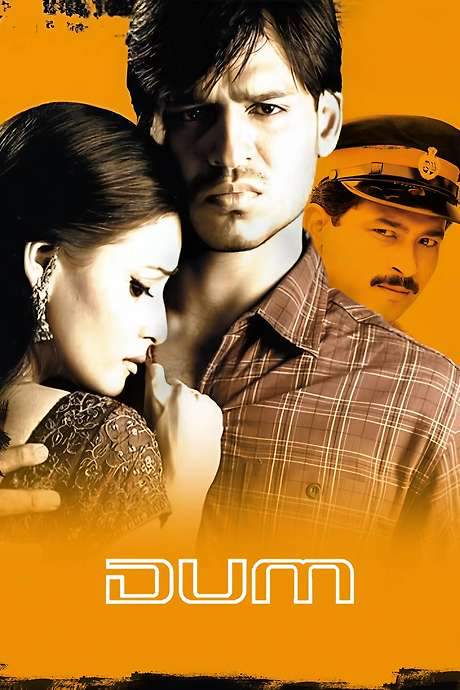
Dum (2003) movie poster

Timeline

Dum (2003) Timeline Explained – Every Event in Order

Release, runtime and language
2003 · 160 mins · Hindi
Directed by
Eeshwar Nivas
Starring
Sushant Singh, Atul Kulkarni, Yashpal Sharma, Mukesh Rishi, Govind Namdeo, Dia Mirza

Uday is driven by a fierce ambition to become a police officer and serve his country. As he embarks on this path, he confronts the corrupt officer Shankar, whose evil actions test his resolve. A chance meeting with Kaveri, a television employee, turns his world upside‑down and adds new challenges to his quest.

On this page (6)
  1. 1 Where to watch
  2. 2 Events in order (13)
  3. 3 Timeline questions answered
  4. 4 Movie threads
  5. 5 Movies like Dum
  6. 6 Every angle

Where to watch

Where to Watch Dum (2003)

Where can you watch Dum? Stream, rent or buy it in the US, including on Fawesome, Hoopla and Plex: current JustWatch availability with up-to-date prices.

Streaming availability powered by JustWatch

13 events in order · contains spoilers

Dum Timeline: Events in Chronological Order

Every key event of Dum (2003) in order, scene by scene, with when and where it takes place. Use it to untangle flashbacks, time jumps and parallel storylines, to refresh your memory before the sequel or to find the exact scene you are thinking of.

  1. Uday and Mohan join the police under Sharma

    From lower middle-class backgrounds, Uday and Mohan dream of joining the police. They pursue the force on merit, without relying on recommendations. Their potential catches the eye of Raj Dutt Sharma, who becomes their training officer and mentor.

    Where
    Police training academy
  2. Duo earns a reputation as no-nonsense cops

    After their training, the duo quickly earns a reputation for being upright and effective, admired for their commitment and discipline. They become symbols of merit-based success within the force. Sharma supports their growth and helps them rise through the ranks.

    Where
    City police precinct
  3. Kaveri confronts Shankar by the river; Uday intervenes

    Kaveri, Uday's girlfriend, witnesses Shankar urinating in a river and objects to his conduct. Shankar slaps at her, but Uday intervenes and beats him, prompting Shankar to vow revenge. This personal vendetta seeds the ensuing conflict.

    Where
    Riverbank
  4. Sharma exposes Shankar's corruption

    Shankar is described as egotistical and corrupt, working on Deshmukh's payroll. Sharma reveals the minister's influence and the danger Shankar poses to justice. The revelation foreshadows the clash between the two cops.

    Where
    Sharma's briefing room
  5. Shankar murders Sharma's daughter; Sharma is demoted

    In a brutal act, Shankar barges into Sharma's home and kills Sharma's daughter in front of Lakshmi. Following the murder, Sharma is demoted and reassigned to the role of selecting officers for training, weakening his authority.

    Where
    Sharma's home
  6. Uday vows to end Shankar's menace

    Fuelled by the assault on Sharma and the murder of Mohan, Uday resolves that he will not rest until Shankar's menace ends. He commits to bringing the corrupt officer to justice and protecting the public.

    Where
    Police headquarters
  7. Shankar kills Mohan

    Shankar escalates his offensive by killing Mohan, Uday's partner. The personal loss deepens Uday's resolve and intensifies the conflict between them.

    Where
    City streets
  8. Uday steals Shankar's gun and kills Babu Kasai

    During a tense confrontation, Uday corners Shankar and steals his gun. He uses it to kill Babu Kasai and makes it look like Shankar gunned the criminal, manipulating public perception against Shankar.

    Where
    Unknown location
  9. Shankar kills Deshmukh and frames Uday

    In retaliation, Shankar murders Minister Deshmukh and frames Uday for the crime. This raises the stakes and triggers a massive manhunt for Uday.

    Where
    Minister Deshmukh's residence/office
  10. Babu Kasai's death is faked; he is alive

    It is revealed that Babu Kasai's death was staged and that he is actually alive and held in captivity by Uday. This revelation rewrites the investigation and intensifies the pursuit.

    Where
    Unknown location
  11. Final confrontation and Babu's deathbed confession

    Shankar accelerates the manhunt as the trio is traced. In the aftermath, Babu Kasai is fatally wounded and, on his deathbed, confesses all his crimes to Kaveri, who records the confession on video.

    Where
    Final showdown location
  12. Commissioner exposes the truth and orders surrender

    The commissioner arrives and is shown the damning confession. With Shankar's true crimes exposed, he orders both Uday and Shankar to surrender. Shankar attempts to flee, but Uday corners and kills him.

    Where
    Crime scene / commissioner’s office
  13. Uday is exonerated and the people celebrate

    Uday surrenders and stands trial, but the evidence leads to his exoneration. He is greeted by cheering people as justice is seen to prevail and order is restored.

    Where
    Courtroom / city streets

Last updated: October 09, 2025 at 15:23

Was this helpful?

Timeline questions answered

Dum Timeline Explained: Your Questions Answered

When does it happen, and why in that order? The questions people ask about the chronology of Dum (2003): time jumps, flashbacks, cause and effect between scenes and the correct order of events, each answered with spoilers.

Q1

Why does Shankar kill Sharma's daughter in the movie?

Shankar kills Sharma's daughter as a brutal display of power and intimidation. Sharma had become a threat by exposing Shankar's corrupt dealings and his connections to Minister Deshmukh. By murdering Sharma's daughter in front of his wife Lakshmi, Shankar eliminates a key witness to Babu Kasai's murder and simultaneously punishes Sharma for opposing him, demonstrating that anyone who stands in his way will face deadly consequences.

Foreshadowing: Earlier, Sharma explains that Shankar uses his authority to shield himself and those who commit wrongdoing, hinting at his capacity for extreme violence.

  • shankar
  • sharma
  • daughter
  • murder
  • corruption
  • revenge
Q2

How does Uday manage to fake Babu Kasai's death?

Uday stages Babu Kasai's death during a confrontation where he steals Shankar's gun. He kills Babu Kasai but makes it appear as though Shankar is the killer, turning public opinion against the corrupt cop. The death is later revealed to be staged, with Babu Kasai actually alive and held captive by Uday as part of his plan to expose the corruption at the top.

  • uday
  • babu kasai
  • faked death
  • captivity
  • frame job
  • exposure
Q3

Why does Shankar kill Minister Deshmukh after Babu Kasai's death?

Shankar kills Minister Deshmukh to eliminate the only person who can link him to the criminal underworld. With Babu Kasai believed dead, Deshmukh becomes a liability because he knows too much about Shankar's corrupt dealings. By murdering the minister and framing Uday for it, Shankar attempts to consolidate his power and silence the political connection that could expose his crimes.

Foreshadowing: Sharma earlier reveals that Shankar operates on Deshmukh's payroll, indicating their mutually beneficial but dangerous relationship.

  • shankar
  • deshmukh
  • minister
  • murder
  • frame up
  • corruption
Q4

Why does Uday keep Babu Kasai alive instead of killing him?

Uday keeps Babu Kasai alive to use him as evidence against the corrupt system. By capturing and hiding the criminal, Uday creates a living witness who can testify about the connections between Deshmukh, Shankar, and the goon operations. This allows Uday to build a case against the entire corrupt network rather than just eliminating one criminal.

Foreshadowing: After Mohan is killed, Uday becomes more strategic, seeking to expose the corruption rather than just fight individual battles.

  • uday
  • babu kasai
  • captive
  • evidence
  • expose corruption
  • plan
Q5

What triggers Shankar's personal vendetta against Uday?

Shankar's vendetta begins when Uday intervenes after Kaveri witnesses Shankar urinating in a river. Uday brutally beats Shankar, shattering the illusion that the corrupt cop is above accountability. This public humiliation, coupled with Uday's growing reputation as an upright cop who threatens Shankar's operations, transforms a professional rivalry into a deeply personal vendetta.

Foreshadowing: The riverbank confrontation is the first direct challenge Shankar faces from the new recruits, establishing the personal nature of their conflict.

  • shankar
  • uday
  • kaveri
  • river
  • vendetta
  • confrontation
Q6

How does the evidence against Shankar finally come to light?

The evidence emerges when Babu Kasai, now gravely wounded during the final confrontation, confesses his crimes to Kaveri on video before dying. This confession video, showing Babu Kasai detailing the murder he committed for Deshmukh and Shankar, becomes the crucial piece of evidence that exposes the entire corruption network and clears Uday's name.

Foreshadowing: Throughout the film, Uday's strategy revolves around capturing evidence rather than simply defeating Shankar physically.

  • babu kasai
  • confession
  • video
  • evidence
  • killer
  • exposed
Q7

Why does Sharma take a chance on Uday and Mohan as trainees?

Sharma mentors Uday and Mohan because he sees in them the potential to counter the very corrupt system that destroyed his own family. After his daughter was murdered by Shankar and he was demoted, Sharma lost faith in the force but believed that training honest officers could eventually bring change. Uday and Mohan represent the merit-based future Sharma once believed in.

Foreshadowing: Sharma's own backstory, including the murder of his daughter and his demotion, explains why he specifically seeks out recruits who embody integrity.

  • sharma
  • uday
  • mohan
  • mentor
  • training
  • corrupt system
Q8

How is Uday cleared of the charges framed against him?

Uday is exonerated when the confession video recorded by Kaveri is presented in court, combined with other evidence revealing the system's long-concealed corruption. The court recognizes that the framing was orchestrated by Shankar and Minister Deshmukh. With the truth finally exposed, Uday is found not guilty and hailed as a hero who fought against institutional corruption.

  • uday
  • exonerated
  • court
  • trial
  • confession
  • justice
Q9

Why does the plot kill off Mohan?

Mohan's death serves as the catalyst that hardens Uday's resolve and shifts his approach from professional policing to personal vengeance. Unlike Uday's earlier idealism, Mohan's murder convinces Uday that the corrupt system cannot be reformed through proper channels alone. His death also raises the stakes and demonstrates just how far Shankar will go to maintain his power.

Foreshadowing: Sharma's warning about Shankar's ruthlessness foreshadows that anyone opposing him will face deadly consequences.

  • mohan
  • death
  • shankar
  • uday
  • motivation
  • catalyst
Q10

What happens to Shankar in the final confrontation?

In the final confrontation, Shankar attempts to flee when the commissioner exposes his crimes using Babu Kasai's confession video. Uday tracks Shankar down and kills him, ending the corrupt cop's reign of intimidation. Shankar's death brings justice for his numerous crimes, including the murders of Mohan, Sharma's daughter, and Minister Deshmukh.

  • shankar
  • death
  • final confrontation
  • uday
  • justice
Q11

Why does Kaveri record Babu Kasai's confession?

Kaveri records the confession video because it provides concrete proof of the crimes committed by Deshmukh, Shankar, and Babu Kasai. As a television employee, she understands the power of visual evidence and uses her phone to capture Babu Kasai's dying admission. This video becomes the key piece of evidence that exposes the entire corruption conspiracy.

  • kaveri
  • confession
  • video
  • babu kasai
  • evidence
  • expose

Movie threads

More Movies Like Dum, by Mood & Story

Curated lists built around what makes Dum tick: the same mood, the same kind of story or the same emotional payoff. Each list explains why these movies belong together.

Movies like Dum where heroes fight systemic corruption

Idealistic heroes wage a high-stakes battle against entrenched, powerful corruption. If you liked Dum's intense battle against a corrupt police force, you'll enjoy these gritty stories. This collection features movies with determined heroes facing off against powerful, entrenched corruption, offering tense action and heavy emotional stakes in their quest for justice.

  • gritty
  • tense
  • determined
  • suspenseful
  • cathartic
  • vengeful
  • Tone: tense, gritty, determined
  • Pacing: fast, driven by confrontation
Why these movies?

The story pattern: Stories in this thread typically follow a moral protagonist who discovers a widespread conspiracy or systemic rot within an institution. They face significant danger, personal loss, and powerful antagonists, leading to a series of escalating confrontations. The journey is one of unwavering determination, often testing the hero's resolve but culminating in a hard-won victory for justice.

Why they belong together: These movies are grouped together because they share a core theme of battling institutional evil. They create a specific, tense vibe through high-stakes conflict, a gritty tone, and a focus on moral integrity versus absolute corruption, resulting in a cathartic but emotionally heavy experience.
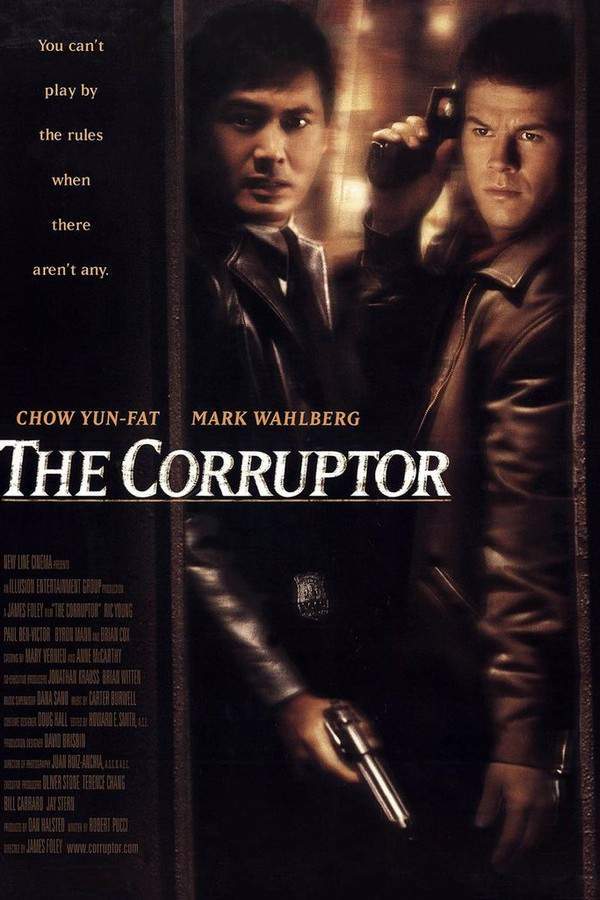
Cathartic revenge stories with moral justice like Dum

Stories where personal tragedy fuels a relentless, morally justified quest for revenge. For viewers who appreciated the vengeful drive and ultimate catharsis in Dum, this list features movies with similar emotional arcs. These films focus on protagonists seeking vengeance for a grave injustice, blending heavy drama with action and culminating in a morally satisfying, happy ending.

  • vengeful
  • cathartic
  • tense
  • gritty
  • determined
  • suspenseful
  • Tone: vengeful, tense, cathartic
  • Pacing: fast, escalating
Why these movies?

The story pattern: The narrative pattern begins with a brutal inciting incident—often the murder of a loved one—that shatters the protagonist's world. This tragedy fuels a single-minded, often dangerous quest for revenge against clearly evil antagonists. The path is fraught with tension and violence, but the story's structure ensures a final, decisive confrontation that provides emotional release and vindication for the hero.

Why they belong together: These films are united by their core emotional engine: a quest for vengeance that feels morally justified. They share a high-intensity, tense mood driven by personal loss and a determined protagonist, ultimately delivering a cathartic and happy resolution that satisfies the audience's desire for justice.

If you liked this

Movies Like Dum

Similar movies to Dum: the same genre, themes or kind of story. Each one comes with its own plot summary, timeline and ending explained.

Browse all movie summaries

Every angle

Dum (2003) Explained: Plot, Timeline & Characters

Everything about Dum in one place: what happens in the plot summary, the timeline in chronological order, the characters and meaning and a spoiler-free summary. What's After the Movie adds the cast, box office and post-credit scenes.

Coming soon on iOS and Android

The Plot Explained Movie Summary App

Plot summaries, endings explained and timelines on your phone. Catch up on any movie in minutes, save your favorites and never miss a twist again.

Be the first to know when we launch. Your email stays private, always.

Learn more about the app