Plot Explained Spoilers guaranteed!
Plot Explained

Browse by genre

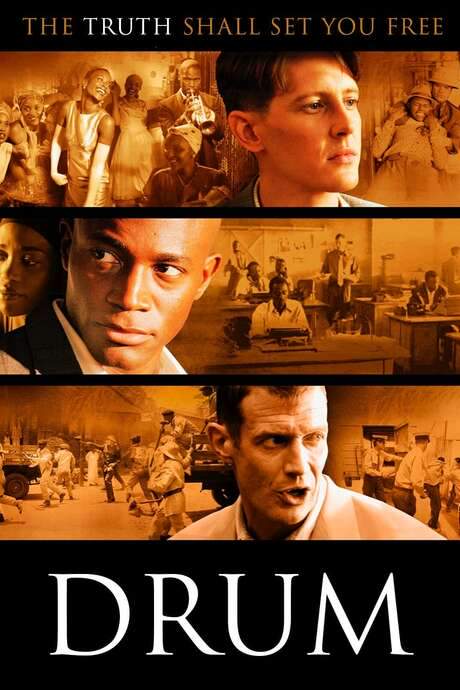
Drum (2004) movie poster

Plot Summary

Drum (2004) Plot Summary Explained

Release, runtime and language
2004 · 94 mins · English
Loading streaming availability…
Directed by
Zola Maseko
Starring
Jason Flemyng, Tumisho Masha, Taye Diggs, Gabriel Mann, Bonnie Mbuli, Moshidi Motshegwa

The truth shall set you free A hot-shot journalist is swept up in a movement to challenge Apartheid in 1950s South Africa.

On this page (5)
  1. 1 Where to watch
  2. 2 What happens: full plot
  3. 3 Plot questions answered
  4. 4 Movie threads
  5. 5 Every angle
Loading streaming availability…

Full plot summary · contains spoilers

What Happens in Drum: Full Plot Summary

The whole story of Drum (2004) explained, from the opening scene to the final frame: every key event, every twist and what it all adds up to. Read it as a quick recap before the sequel, to check a scene you missed, or to finally understand what really happened.

The story is based on real events and real people, and is set in the mid-1950s, in Sophiatown, a rare freehold township in Johannesburg where Black residents could own property and drink alcohol. It follows Henry Nxumalo, a sportswriter for Drum magazine—the first black lifestyle magazine in Africa.

Drum was financed by white investors and housed a multiracial staff, earning widespread popularity within the community. Henry Nxumalo balances his work with personal life, leaving his wife, Florence Nxumalo, at home as he ventures into the township’s nightlife and begins a romantic involvement with a female singer.

The magazine’s British editor, Jim Bailey, challenges him to cover the township crime scene, and after initial reluctance, Nxumalo agrees to dig deeper than entertainment pieces. On assignment, he encounters a gang leader he had crossed paths with in illegal drinking spots and witnesses a lethal confrontation in Sophiatown.

At first, Nxumalo keeps politics at a distance, but encouragement from his wife and from Nelson Mandela nudges him toward stories with real social impact. When a young man vanishes at a Boer farm and is feared enslaved, Nxumalo goes undercover, taking a laborer’s job where he is treated like a slave and nearly killed.

His investigative pieces—published to wide attention—make him a public figure, and his work expands to prison reporting, reinforcing his self-appointed role as a muckraker. With the support of the German photographer Jürgen Schadeberg, he pushes into riskier territory, seeking truths that challenge the status quo.

Across these efforts, Nxumalo confronts intensifying racism and the creeping reach of apartheid in his hometown, consistently pursuing stories that could aid his community’s well-being. Yet government pressure grows, and plans to evict residents and destroy Sophiatown loom large. The film concludes with Nxumalo stabbed to death, the assailant never identified, leaving a legacy of courageous journalism in a fractured city.

Last updated: October 09, 2025 at 15:19

Was this helpful?

Plot questions answered

Drum Plot Explained: Your Questions Answered

The questions people ask most about Drum (2004): what happens in the confusing scenes, why the characters do what they do, the twists, hidden details and what the ending means. Each answer contains spoilers.

Q1

Why did Henry Nxumalo start writing about politics instead of sports?

Henry Nxumalo shifted to political journalism after being encouraged by his wife Florence and Nelson Mandela. Initially, he focused on entertainment pieces for Drum magazine, but both his wife and Mandela pushed him to cover stories with real social impact. This encouragement, combined with his firsthand exposure to township crime and oppression, motivated him to become a muckraker exposing injustice.

Foreshadowing: Earlier scenes show Nxumalo covering a boxing match with Mandela, establishing their connection before the political encouragement begins.

  • Henry Nxumalo
  • Drum magazine
  • Nelson Mandela
  • muckraking journalism
  • apartheid
Q2

What did Henry Nxumalo discover at the Boer farm?

While working undercover as a laborer on a Boer farm, Nxumalo discovered that a missing young man was likely enslaved and subjected to brutal treatment. He experienced firsthand the harsh conditions of forced labor, treated like a slave and nearly killed. His investigative piece exposed the farm's brutality and the realities of the labor system under apartheid, which made him a public figure.

Foreshadowing: The disappearance of the young man from Sophiatown sets the investigation in motion, highlighting the vulnerability of Black residents to exploitation.

  • Boer farm
  • forced labor
  • undercover investigation
  • slavery
  • Drum magazine expose
Q3

Who killed Henry Nxumalo at the end of Drum?

Henry Nxumalo is stabbed to death in 1957, but the assailant is never identified or caught. His murder remains unsolved, underscoring the dangerous environment for journalists challenging apartheid. The film presents his death as a direct consequence of his courageous investigative work that threatened those in power.

Foreshadowing: Throughout the film, government pressure and harassment against Nxumalo escalate, with censorship attempts and increasing threats foreshadowing the tragic conclusion.

  • Henry Nxumalo death
  • unsolved murder
  • journalist killed
  • apartheid violence
Q4

Why was Sophiatown destroyed despite opposition?

Sophiatown was targeted for destruction as part of apartheid's forced relocation policies, despite resistance from journalists like Nxumalo and community members. The government proceeded with plans to evict residents and demolish the township, viewing it as a symbol of Black ownership and freedom in Johannesburg. Nxumalo's journalism highlighted the human cost but could not stop the systematic erasure of the community.

Foreshadowing: The film shows mounting government pressure and censorship attempts throughout Nxumalo's reporting, indicating the regime's determination to suppress opposition.

  • Sophiatown destruction
  • forced relocation
  • apartheid
  • Johannesburg township
Q5

What was Drum magazine's importance in 1950s South Africa?

Drum magazine was the first black lifestyle magazine in Africa, financed by white investors but staffed by a multiracial team. It became hugely popular within the Black community, providing a platform for journalism that addressed social issues and political oppression. The magazine served as a voice for Sophiatown and became a catalyst for investigative reporting on apartheid conditions.

Foreshadowing: The establishment of Drum as a pioneering publication sets the stage for Nxumalo's evolution from entertainment writer to investigative journalist.

  • Drum magazine
  • black journalism
  • Sophiatown
  • lifestyle magazine
  • South Africa
Q6

How did Henry Nxumalo survive the Boer farm investigation?

Nxumalo survived the Boer farm by enduring the brutal conditions while secretly gathering evidence of forced labor and abuse. He managed to escape or complete his undercover assignment, then published his findings as an exposé that drew national attention. The published story made him a celebrity, though it also increased the danger he faced from authorities and those exposed by his reporting.

Foreshadowing: His decision to go undercover despite knowing the risks reflects his growing commitment to exposing injustice, even at personal cost.

  • undercover survival
  • farm labor
  • Drum expose
  • journalism courage
Q7

Why did Nelson Mandela encourage Henry Nxumalo's journalism?

Nelson Mandela encouraged Nxumalo to pursue impactful journalism because he recognized the power of the press to document oppression and galvanize resistance. Mandela understood that exposing the brutal realities of apartheid through investigative reporting could build public awareness and support for the anti-apartheid movement. His encouragement marked a turning point in Nxumalo's career, pushing him beyond entertainment coverage toward political activism.

Foreshadowing: The opening scene where Nxumalo covers Mandela at a boxing match establishes their relationship before Mandela becomes Nxumalo's mentor.

  • Nelson Mandela
  • Drum magazine
  • anti-apartheid
  • journalism influence
Q8

Why did Henry Nxumalo keep investigating despite increasing threats?

Nxumalo continued his dangerous investigative work because he believed his journalism could help his community and expose the injustices of apartheid. He viewed his role as a muckraker as essential to documenting truth and challenging the status quo. Despite rising government pressure, harassment, and censorship attempts, he persisted, viewing his reporting as a form of resistance that outweighed the personal risks.

Foreshadowing: His wife's early encouragement to write stories with social impact establishes his motivation as rooted in serving his community.

  • journalism courage
  • apartheid resistance
  • truth seeking
  • danger
Q9

What happened between Henry Nxumalo and his wife Florence?

Henry Nxumalo's relationship with his wife Florence became strained as he devoted more time to his work and pursued a romantic affair with a female singer. Despite this infidelity, Florence remained supportive of his journalism and encouraged his shift toward political writing. The complex dynamic reflects the personal toll of his dangerous work and the competing demands on his life.

Foreshadowing: Early scenes show Nxumalo leaving Florence at home while exploring the township's nightlife, setting up the personal conflicts that follow.

  • Florence Nxumalo
  • marriage
  • affair
  • personal sacrifice
Q10

What was Jürgen Schadeberg's role in the story?

Jürgen Schadeberg, a German photographer, collaborated with Nxumalo to broaden their investigative work and take on riskier stories. Their partnership strengthened Drum's ability to document life under apartheid through both written journalism and photography. Together, they challenged censorship and revealed more brutal truths about the apartheid system, expanding the magazine's impact.

Foreshadowing: The collaboration emerges after Nxumalo gains recognition from his underground farm investigation, attracting allies in the fight for truth.

  • Jürgen Schadeberg
  • photographer
  • collaboration
  • Drum magazine
Q11

What did Henry Nxumalo discover while reporting from prison?

Nxumalo was imprisoned as part of his investigative work and used the experience to report on prison conditions from within. His firsthand documentation of jail brutality and injustice further catalyzed his commitment to exposing oppression. His prison reporting contributed to broader awareness of the apartheid system's treatment of political prisoners and reinforced his role as a muckraker.

Foreshadowing: The escalating risks of his journalism naturally led to his imprisonment, demonstrating the regime's response to his exposing work.

  • prison conditions
  • imprisonment
  • investigative journalism
  • Drum

Movie threads

More Movies Like Drum, by Mood & Story

Curated lists built around what makes Drum tick: the same mood, the same kind of story or the same emotional payoff. Each list explains why these movies belong together.

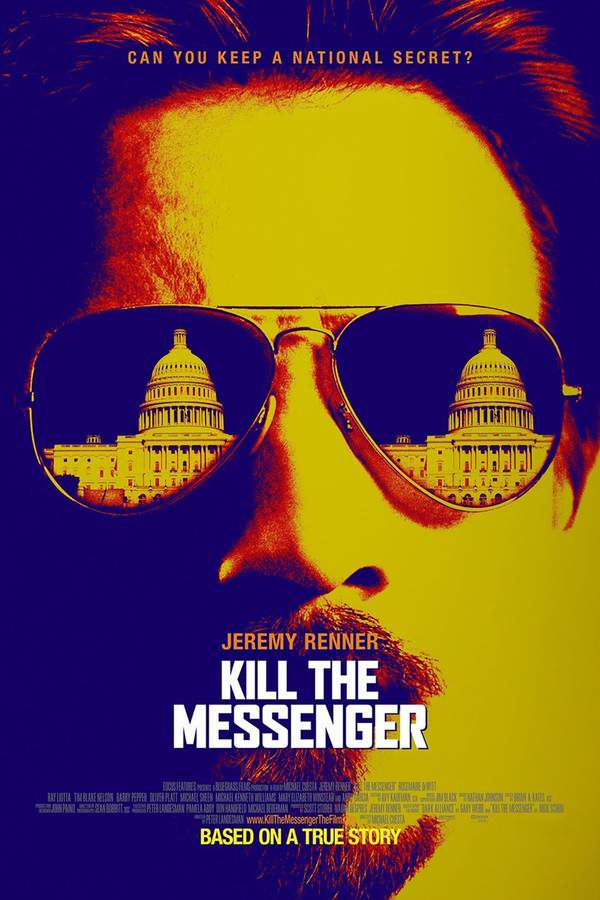
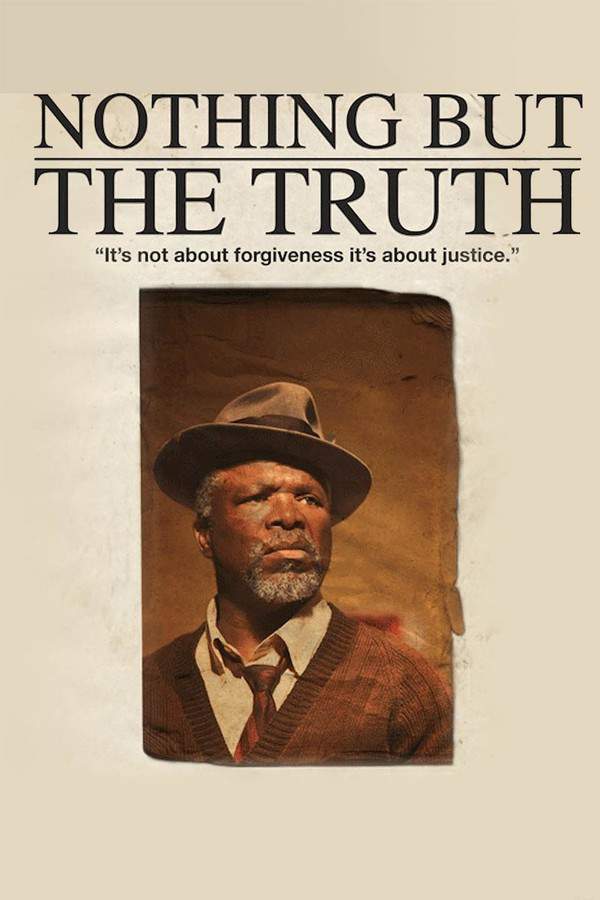
Thrillers about dangerous journalism like in Drum

Thrillers about reporters risking everything to expose a corrupt system. If you were captivated by the high-stakes investigative work in Drum, explore more movies like it. These films follow journalists and truth-seekers risking their lives to expose powerful, corrupt systems, blending tense political thrillers with heavy, courageous dramas.

  • tense
  • gripping
  • urgent
  • courageous
  • anxious
  • determined
  • Tone: tense, urgent, courageous
  • Pacing: steady, methodical
Why these movies?

The story pattern: Stories in this thread follow a clear arc: a protagonist, often a journalist, uncovers a small piece of a larger, sinister system. As they dig deeper, the threats against them escalate, forcing them to weigh their personal safety against their moral duty to reveal the truth, typically leading to a high-cost conclusion.

Why they belong together: These films are grouped by their shared focus on the investigative process as a source of high tension, the theme of speaking truth to power, and the emotional weight of a protagonist making courageous, self-sacrificing choices in an oppressive environment.
Movies about tragic political resistance like Drum

Stories of courageous resistance that end in sacrifice under tyranny. For viewers moved by the sad but impactful ending of Drum, this collection features similar dramas. Discover stories of individuals or groups courageously challenging oppressive regimes like apartheid, where the fight for justice comes with a heavy personal cost and a bittersweet legacy.

  • oppressive
  • sad
  • courageous
  • gripping
  • anxious
  • tragic
  • Tone: tense, oppressive, sad
  • Pacing: steady, building dread
Why these movies?

The story pattern: The narrative pattern involves an ordinary individual becoming politicized by the injustice around them. Their acts of resistance grow bolder, directly challenging the powers that be. The conflict escalates inevitably towards a tragic endpoint—often death or imprisonment—that underscores the system's brutality but also solidifies the protagonist's legacy as a martyr for the cause.

Why they belong together: Movies here share a potent mix of a 'TENSE' tone and a 'SAD' ending feel, driven by 'HEAVY' emotional weight. They are united by the central theme of righteous but costly rebellion against systemic oppression, creating a powerfully somber and reflective viewing experience.

Every angle

Drum (2004) Explained: Plot, Timeline & Characters

Everything about Drum in one place: what happens in the plot summary, the timeline in chronological order, the characters and meaning and a spoiler-free summary. What's After the Movie adds the cast, box office and post-credit scenes.

Coming soon on iOS and Android

The Plot Explained Movie Summary App

Plot summaries, endings explained and timelines on your phone. Catch up on any movie in minutes, save your favorites and never miss a twist again.

Be the first to know when we launch. Your email stays private, always.

Learn more about the app