Plot Explained Spoilers guaranteed!
Plot Explained

Browse by genre

Driving Madeleine (2024) movie poster

Characters & Themes

Driving Madeleine (2024) Characters, Setting & Themes Explained

Release, runtime and language
2024 · 1 h 31 m · French
Echo score 79
Loading streaming availability…
Directed by
Christian Carion
Starring
Dany Boon, Alice Isaaz, Christophe Rossignon, Line Renaud, Jérémie Laheurte, Gwendoline Hamon
Budget
$2.9M

A taxi ride through Paris becomes an unexpected journey of self-discovery for Charles, a driver battling personal struggles. After picking up the mysterious Madeleine, a seemingly ordinary conversation unveils a shared history of secrets and pain, compelling them both to face difficult truths about their lives.

On this page (3)
  1. 1 Where to watch
  2. 2 Movie threads
  3. 3 Every angle
Loading streaming availability…

Characters, themes & setting

Driving Madeleine (2024) Characters & Themes Coming Soon

The character, theme and setting guide of Driving Madeleine (2024) is not written yet. Request it to move it up the list, or read the full plot summary in the meantime.

Request this guide

Movie threads

More Movies Like Driving Madeleine, by Mood & Story

Curated lists built around what makes Driving Madeleine tick: the same mood, the same kind of story or the same emotional payoff. Each list explains why these movies belong together.

Contained journey, unfolding life stories like in Driving Madeleine

When one short trip unlocks decades of memory, regret, and quiet revelation. Movies like Driving Madeleine that use a single confined setting or journey as a stage for a sweeping personal history. These films unfold decades of memory through quiet conversation and reflective pacing. If you liked Driving Madeleine's taxi-ride structure and layered revelations, these contained dramas will feel just right.

  • contained
  • reflective
  • memory-driven
  • slow reveal
  • intimate
  • bittersweet
  • Tone: bittersweet, contemplative, slowly revealing
  • Pacing: steady, conversational, reflective
Why these movies?

The story pattern: Films in this thread typically use a restricted setting, be it a taxi, a train compartment, a hospital room, or a long drive, as a frame within which a much larger life story is told. The present-day encounter acts as a trigger for flashbacks, remembered places, and long-held confessions. Characters begin as strangers or barely connected acquaintances and gradually reveal shared or divergent histories. Time periods shift fluidly, but the pacing remains anchored in the present-day conversation or movement. The structure trades wide plotting for depth of interior revelation.

Why they belong together: These films share a unique narrative architecture where an ordinary, contained moment contains extraordinary emotional scope. The pacing is reflective and dialogue-driven, the tension comes from accumulating revelations rather than action, and the emotional payoff often hinges on small gestures, glances, or final unspoken understandings. The contained setting becomes a pressure cooker for truth, and the journey's end allows characters to step out changed, however slightly.
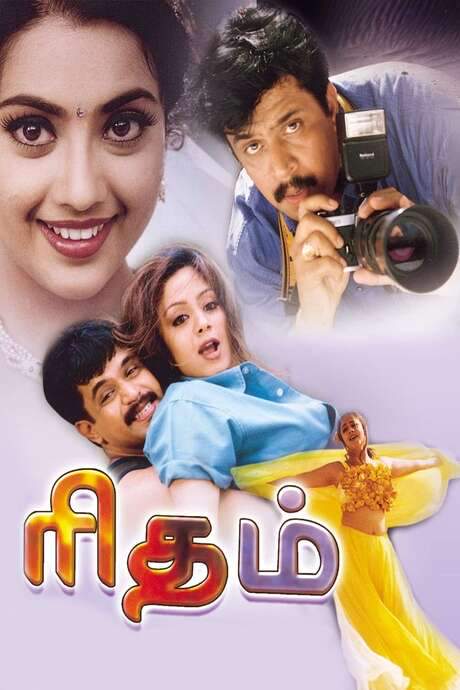
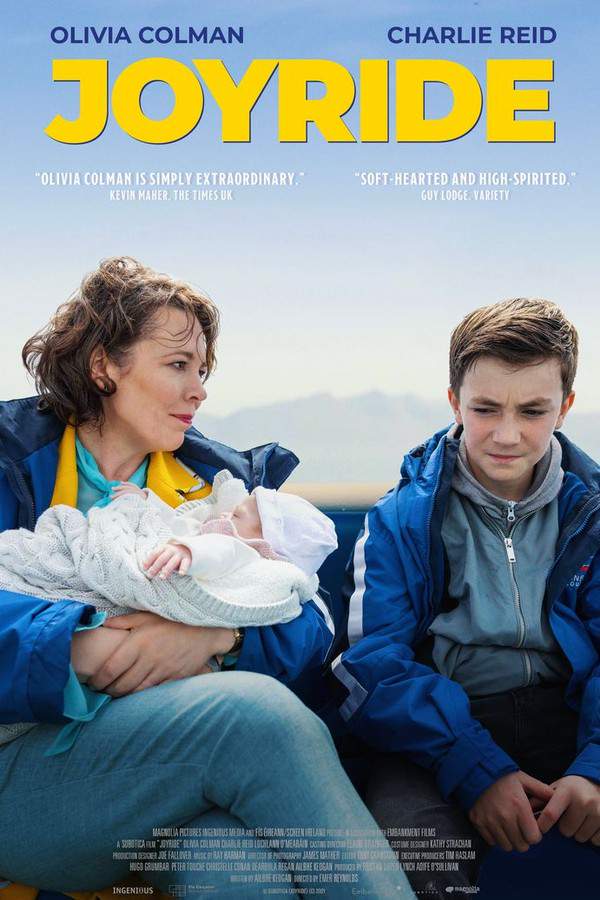
Generational trauma stories with warmth like in Driving Madeleine

Stories where a broken history meets an unexpected kindness, and both leave changed. Movies like Driving Madeleine that weave together heavy themes of war, family abuse, and historical memory with moments of genuine human connection. These bittersweet dramas balance dark subject matter with touching encounters and hopeful possibilities. If you were moved by Driving Madeleine's mix of pain and tenderness, these similar films will resonate deeply.

  • bittersweet
  • trauma-informed
  • generational
  • historical
  • tender
  • wounded
  • Tone: bittersweet, tender, melancholic, hopeful
  • Pacing: steady, reflective, unhurried
Why these movies?

The story pattern: Narratives in this thread move through darkness; through war, displacement, domestic violence, or family rupture, but they resist becoming purely bleak. Characters often meet in the present day and slowly discover that their pains echo each other across decades. Old wounds related to WWII, post-war repression, authoritarian households, or patriarchal cruelty are revisited not for shock value but for healing. The present-day encounter, however brief, provides a kind of closure that ordinary life denied, and endings tend to be bittersweet: wounded but acknowledged, wounded but witnessed.

Why they belong together: These films share a tone that refuses easy despair. They honor the weight of historical and personal trauma while insisting on warmth, wit, and connection as counterforces. The humor is gentle and observational, never defusing the darkness but existing alongside it. They tend to feature older protagonists reckoning with long-buried pasts, or younger protagonists who encounter their elders' histories in unexpected ways. The narrative is more reflective than dramatic, with emotionally heavy subjects handled through quiet conversation rather than spectacle.

Every angle

Driving Madeleine (2024) Explained: Plot, Timeline & Characters

Everything about Driving Madeleine in one place: what happens in the plot summary, the timeline in chronological order, the characters and meaning and a spoiler-free summary. What's After the Movie adds the cast, box office and post-credit scenes.

Coming soon on iOS and Android

The Plot Explained Movie Summary App

Plot summaries, endings explained and timelines on your phone. Catch up on any movie in minutes, save your favorites and never miss a twist again.

Be the first to know when we launch. Your email stays private, always.

Learn more about the app