Plot Explained Spoilers guaranteed!
Plot Explained

Browse by genre

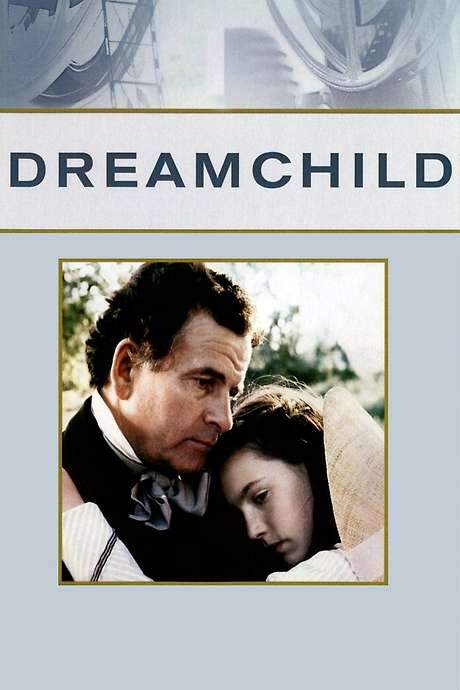
Dreamchild (1985) movie poster

Characters & Themes

Dreamchild (1985) Characters, Setting & Themes Explained

Release, runtime and language
1985 · 94 mins · English
Loading streaming availability…
Directed by
Gavin Millar
Starring
Julie Walters, Ian Holm, Coral Browne, Sam Douglas, Peter Gallagher, James Wilby

He loved the child we will never forget… Eighty‑year‑old Alice Hargreaves travels to Columbia University for a reception honoring Lewis Carroll. As a child she shared a close friendship with the writer, inspiring his most famous work. Now she reflects on that bond, recognizing its lingering, complex emotional impact.

On this page (8)
  1. 1 Where to watch
  2. 2 Characters explained (7)
  3. 3 Where & when it takes place
  4. 4 Themes & meaning (3)
  5. 5 Character & meaning questions
  6. 6 Movie threads
  7. 7 Movies like Dreamchild
  8. 8 Every angle
Loading streaming availability…

7 main characters · contains spoilers

Dreamchild Characters Explained: Who Is Who

The main characters of Dreamchild (1985), heroes and villains: what drives them, how they change over the course of the story and what each of them reveals about the film's bigger ideas.

  • Alice Hargreaves (Coral Browne)

    An elderly widow and former muse of Dodgson, Alice becomes the center of a media circus while confronting memories of her youth. Her reflections reveal a longing to understand the past and the uneasy power of memory to shape identity. She negotiates fame, aging, and the emotional resonance of a relationship that may have crossed boundaries.

    • ❄️ Aging
    • 🧠 Memory
    • 🎭 Fantasy vs Reality
    • 🗞️ Media
  • Jack Dolan (Peter Gallagher)

    A former reporter who becomes Alice’s agent, Jack uses his skills to secure endorsements and manage the media storm. His evolving relationship with Lucy adds a layer of romance and loyalty to the story. He navigates ethical gray areas in pursuit of opportunity while developing genuine care for Alice.

    • 💬 Media
    • 💖 Romance
    • 🎭 Public life
  • Mr. Dodgson / Lewis Carroll (Ian Holm)

    A mathematician and author figure from Alice’s past, Dodgson is depicted as complex and perhaps possessive, with insinuations of jealousy and romantic feelings. The film revisits the enigmatic relationship between Dodgson and the Liddell sisters through fantasy sequences. He represents memory’s double-edged nature—fascination mixed with ethical ambiguity.

    • 🧠 Genius
    • 🎭 Legacy
    • 💔 Jealousy
  • Dormouse (Julie Walters)

    A whimsical fantasy figure who appears in the hallucinatory tea party, the Dormouse embodies the surreal and dreamlike quality of memory. As a voice, the character anchors the blend of fantasy and recollection. The Dormouse helps blur the line between childhood myth and adult memory.

    • 🫖 Fantasy
    • 🐭 Surreal
    • 🎭 Iconic
  • Mad Hatter (Tony Haygarth)

    A vivid fantasy presence at the tea party, the Mad Hatter embodies whimsy and irrationality within the remembered world. His interactions reflect the film’s interest in how stories are told and retold. He adds a layer of eccentricity that exposes memory’s playful distortions.

    • 🧭 Fantasy
    • 🎭 Eccentricity
  • Gryphon (Fulton Mackay)

    A creature from the dreamlike sequences, the Gryphon participates in the memory of Wonderland as experienced by Alice. He symbolizes the convergence of reality and imagination that drives the film’s exploration of memory. The character personifies the protective yet unsettling nature of recollection.

    • 🦅 Fantasy
    • 🗺️ Journey
  • Caterpillar (Frank Middlemass)

    Another surreal participant in the tea party, the Caterpillar embodies the reflective, sometimes cryptic guidance that appears in Alice’s memories. He contributes to the film’s tone of ambiguity and self-questioning. The character underscores how memory can be instructive yet enigmatic.

    • 🍃 Surreal
    • 🗨️ Reflection

Last updated: October 14, 2025 at 04:00

Was this helpful?

Setting

Where and When Does Dreamchild Take Place?

The setting of Dreamchild (1985): the year and time period, the places and locations, and how they shape the characters, the mood and the tension of the story.

Time period

1980s

The main action unfolds in the 1980s, with a contemporary Alice navigating fame and memory. Flashbacks transport the audience to 1862, the year of the famous boating party that sparked Dodgson’s relationship with the Liddell sisters. The juxtaposition of past and present highlights how memory reshapes history over time. The film uses these alternations to question what is remembered and what is forgotten.

Location

England, United Kingdom, Atlantic Ocean, New York City, United States

The story moves from an ocean crossing where elderly Alice Hargreaves and her carer Lucy disembark, to a hotel room crowded with journalists, and then into recollections that span England and America. Flashbacks bring viewers into scenes of Dodgson’s world—academia and storytelling—while present-day sequences unfold in media-frenzied spaces and urban contexts. The action shifts between intimate interiors and public spectacles, reflecting memory’s battlefield across continents and time.

  • 🚢 Ocean voyage
  • 🏛️ Historical setting
  • 🗽 Urban settings

Last updated: October 14, 2025 at 04:00

Was this helpful?

3 major themes

Dreamchild Meaning: Themes & Message Explained

What is Dreamchild (1985) really about? The emotional, social and philosophical themes the film keeps returning to, its symbolism and the message beneath the surface.

  • Memory

    Dreamchild centers on aging and memory, showing an elderly Alice reflecting on her youth and the complex past with Dodgson. The narrative blurs lines between recollection and fiction, suggesting memory can embellish or reveal hidden truths. Through the tea-party fantasies, memory becomes a living dialogue with the past. Forgiveness and reconciliation emerge as memory is revisited and reinterpreted.

  • Media

    Journalists and publicity drive much of the plot, turning personal history into public spectacle. The press pressure creates a frenzied atmosphere around Alice, shaping how she is seen and remembered. The film critiques voyeuristic coverage and the way sensationalism can distort intimate relationships. Memory and truth clash under the glare of headlines.

  • Romance & Ethics

    A romance develops between Jack Dolan and Lucy, highlighting themes of trust, desire, and power dynamics in a constrained world. The story hints at Dodgson’s possible infatuation with Alice and the unsettling implications of that relationship. The romance complicates moral judgments and prompts questions about agency, exploitation, and forgiveness. Through these relationships, the film probes how love can both illuminate and distort memory.

Last updated: October 14, 2025 at 04:00

Was this helpful?

Character & theme questions

Dreamchild Characters & Meaning: Your Questions Answered

The questions people ask about Dreamchild (1985): who the characters really are, their relationships, what the symbols mean, where it takes place and what the movie is really about. Each answer contains spoilers.

Q1

Where does Dreamchild take place?

The film primarily takes place in two locations: 1980s New York City, where elderly Alice Hargreaves attends a reception at Columbia University, and Victorian-era England, shown through flashbacks to 1862. The story begins with an ocean voyage across the Atlantic and moves through hotel rooms, media events, and intimate interiors in both England and America.

Foreshadowing: The contrast between the bustling urban present and the intimate historical past establishes the film's exploration of memory across time.

  • new york city
  • england
  • settings
  • locations
  • columbia university
Q2

When is Dreamchild set?

Dreamchild is set in two time periods. The main narrative unfolds in the 1980s, depicting an elderly Alice navigating fame and media attention in modern New York. The flashbacks transport viewers to 1862, the year of the famous boating party where Lewis Carroll first met the Liddell sisters, the event that inspired 'Alice's Adventures in Wonderland.'

Foreshadowing: The 1862 setting is introduced early through recollections, establishing the historical foundation of Alice and Dodgson's relationship.

  • 1980s
  • 1862
  • victorian era
  • time period
  • flashback
Q3

Who is Alice Hargreaves in Dreamchild?

Alice Hargreaves is an elderly widow who was the real-life inspiration for the child in Lewis Carroll's 'Alice's Adventures in Wonderland.' Now in her eighties, she travels to Columbia University for a reception honoring Carroll, confronting both media attention and her own memories of their complex relationship from childhood.

Foreshadowing: The film's opening establishes Alice as an aging woman dealing with the weight of historical fame.

  • alice hargreaves
  • muse
  • lewis carroll
  • real alice
Q4

How is Lewis Carroll portrayed in Dreamchild?

Lewis Carroll (referred to as Mr. Dodgson in the film) is depicted as a complex mathematician and author with an enigmatic relationship to Alice and her sisters. The film suggests romantic feelings and possible jealousy, presenting him as a figure whose fascination with Alice blurs ethical boundaries. Through fantasy sequences, he represents memory's double-edged nature, fascinating yet ethically ambiguous.

Foreshadowing: Dodgson appears in the surreal tea party sequences, suggesting his lingering presence in Alice's memory.

  • lewis carroll
  • charles dodgson
  • author
  • alice in wonderland
Q5

What is the main theme of Dreamchild?

The central theme of Dreamchild is memory and its complex relationship with truth. An elderly Alice reflects on her childhood friendship with Dodgson, and the film explores how memory can both embellish and reveal hidden truths. The narrative blurs the line between recollection and fiction, showing memory as a living dialogue with the past where forgiveness and reconciliation become possible.

Foreshadowing: The surreal tea-party sequences featuring Wonderland characters visually represent how memory transforms and reimagines the past.

  • memory
  • aging
  • past
  • recollection
  • forgiveness
Q6

How does Dreamchild portray the media?

Dreamchild critiques the media's tendency to turn personal history into public spectacle. Journalists swarm around Alice, creating a frenzied atmosphere that shapes how she is seen and remembered. The film examines how sensationalist coverage distorts intimate relationships, creating a clash between memory, truth, and headline-grabbing narratives.

Foreshadowing: The film opens with Alice arriving at a hotel surrounded by reporters, immediately establishing the media pressure she faces.

  • media
  • press
  • journalists
  • publicity
  • spectacle
Q7

What is the role of the Mad Hatter and other Wonderland characters in Dreamchild?

Surreal fantasy sequences feature characters from 'Alice in Wonderland', including the Mad Hatter, Dormouse, Gryphon, and Caterpillar, appearing in hallucinatory tea parties. These figures represent Alice's memories taking on dreamlike qualities, blurring the line between childhood myth and adult recollection. They underscore the film's exploration of how memory can be both instructive and enigmatic.

Foreshadowing: The fantasy elements emerge from Alice's memories, connecting her present reflections to her childhood experiences.

  • mad hatter
  • dormouse
  • alice in wonderland
  • fantasy
  • surreal
Q8

Who is Jack Dolan and what is his role in Dreamchild?

Jack Dolan is a former reporter who becomes Alice's agent, using his media skills to secure endorsements and manage the publicity surrounding her. He develops a romantic relationship with Lucy, Alice's caretaker. Jack navigates ethical gray areas in his work while showing genuine care for Alice, adding a layer of loyalty and providing a secondary romance that offers a counterpoint to the film's melancholic tone.

Foreshadowing: Jack's transformation from opportunistic agent to caring supporter reflects the film's themes of reconciliation.

  • jack dolan
  • lucy
  • romance
  • agent
  • caretaker
Q9

What is the emotional tone of Dreamchild?

Dreamchild has a predominantly melancholic and reflective tone, driven by an elderly protagonist's introspective journey into her past. The pacing is slow, emphasizing character reflection and atmospheric dream sequences over plot momentum. While the film deals with potentially troubling aspects of a childhood relationship and the sadness of aging, it achieves a bittersweet ending with nuanced reconciliation rather than a simple resolution.

Foreshadowing: The opening scenes establish a somber, contemplative mood through Alice's weary demeanor.

  • tone
  • melancholy
  • bittersweet
  • emotional
  • reflective
Q10

Does Dreamchild address the ethics of Dodgson's relationship with Alice?

Yes, Dreamchild explores the ethical complexity of Dodgson's relationship with young Alice through suggestions of romantic infatuation and possessive behavior. The film probes questions of agency, exploitation, and forgiveness, particularly through the lens of memory revisiting and reinterpretating the past. The romance and ethics theme complicates moral judgments and shows how love can both illuminate and distort memory.

Foreshadowing: The fantasy sequences hint at the unsettling undertones of Dodgson's fascination with Alice.

  • ethics
  • relationship
  • dodgson
  • power dynamics
  • exploitation
Q11

Why does Alice Hargreaves travel to Columbia University in the film?

Alice Hargreaves travels to Columbia University in New York City to attend a formal reception honoring Lewis Carroll, the author who famously immortalized her as a child in 'Alice's Adventures in Wonderland.' This event brings her into the media spotlight and forces her to confront both her public identity and her private memories of their relationship.

Foreshadowing: The journey to Columbia University is announced early, setting up the central conflict between public fame and personal history.

  • columbia university
  • reception
  • honor
  • lewis carroll
  • new york

Movie threads

More Movies Like Dreamchild, by Mood & Story

Curated lists built around what makes Dreamchild tick: the same mood, the same kind of story or the same emotional payoff. Each list explains why these movies belong together.

Movies about elderly reflections like Dreamchild

Stories where elderly protagonists revisit the ghosts of their youth. If you liked the reflective journey in Dreamchild, explore more movies about elderly protagonists revisiting their past. These films share a melancholic, quiet tone and use memory to explore themes of aging, legacy, and reconciliation, offering similar contemplative experiences.

  • reflective
  • melancholic
  • nostalgic
  • quiet
  • haunting
  • contemplative
  • Tone: melancholic, reflective
  • Pacing: slow, contemplative
Why these movies?

The story pattern: Narratives in this thread typically juxtapose a quiet present with a turbulent or significant past, often through flashbacks or surreal dream sequences. The central conflict is internal, as the protagonist grapples with long-buried emotions and re-evaluates pivotal relationships from their younger years, leading toward a nuanced understanding or bittersweet peace.

Why they belong together: Movies are grouped here for their shared focus on an elderly protagonist's internal journey, their melancholic and reflective tone, and their use of memory as a narrative device to explore the weight of the past on the present.


Dreamlike memory movies similar to Dreamchild

Films where the line between memory, dream, and reality blurs. Find films with a dreamlike atmosphere like Dreamchild. These movies use surreal visuals and a non-linear structure to delve into memory and psychology, creating a similar haunting, introspective, and melancholic viewing experience for fans of quirky, surreal storytelling.

  • dreamlike
  • surreal
  • haunting
  • psychological
  • introspective
  • atmospheric
  • Tone: haunting, melancholic
  • Pacing: slow, atmospheric
Why these movies?

The story pattern: The narrative pattern involves a character, often in a state of reflection or crisis, whose perception of reality becomes fluid. Past events are revisited not as straightforward flashbacks but as symbolic, distorted dreamscapes. The plot is secondary to the emotional and thematic exploration of how we remember and are shaped by our history.

Why they belong together: These films are connected by their dreamlike, surreal aesthetic, their focus on memory as a central theme, and their moderate narrative complexity that blends reality with fantasy to create a specific, introspective mood.

If you liked this

Movies Like Dreamchild

Similar movies to Dreamchild: the same genre, themes or kind of story. Each one comes with its own plot summary, timeline and ending explained.

Browse all movie summaries

Every angle

Dreamchild (1985) Explained: Plot, Timeline & Characters

Everything about Dreamchild in one place: what happens in the plot summary, the timeline in chronological order, the characters and meaning and a spoiler-free summary. What's After the Movie adds the cast, box office and post-credit scenes.

Coming soon on iOS and Android

The Plot Explained Movie Summary App

Plot summaries, endings explained and timelines on your phone. Catch up on any movie in minutes, save your favorites and never miss a twist again.

Be the first to know when we launch. Your email stays private, always.

Learn more about the app