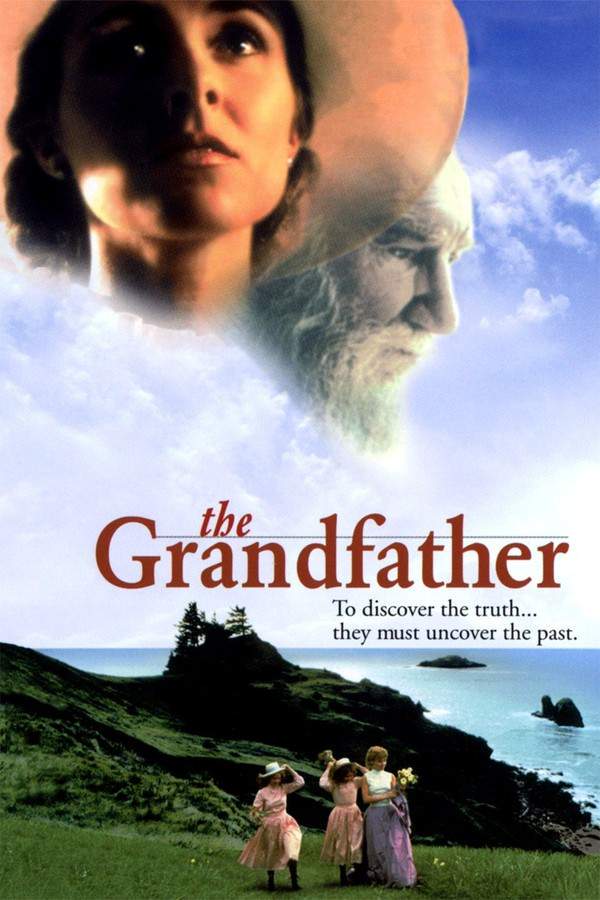
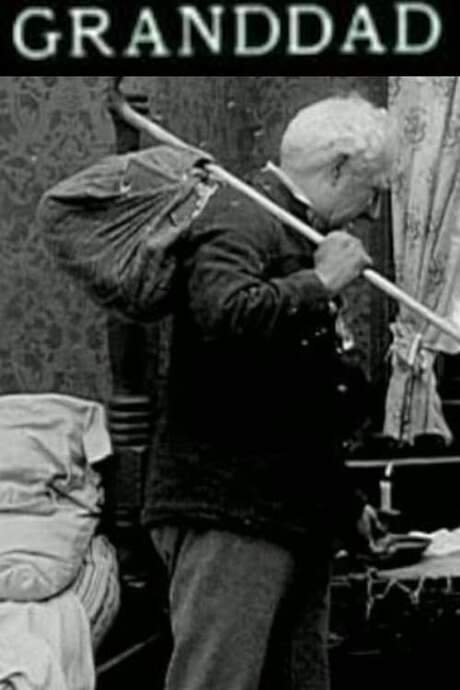
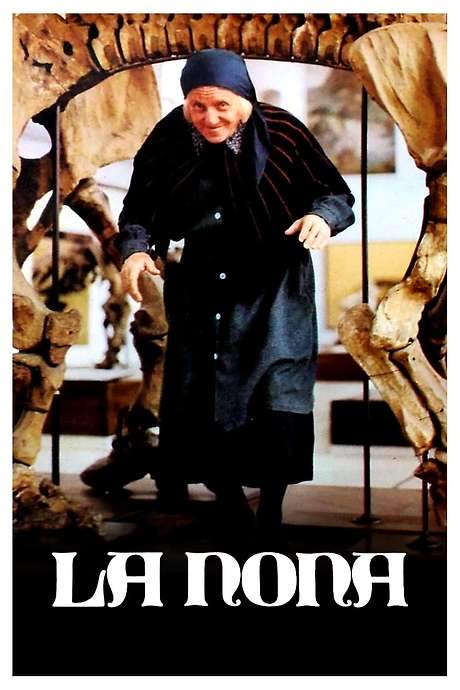
Don Rodrigo, Count of Albrit, is an aging Spanish aristocrat who returns to turn-of-the-century Spain after losing his fortune in America. He comes back to his family estate, now in the hands of his daughter-in-law, Lucrecia, and he is met with the eager affection of his granddaughters, Dolly and Nelly. Yet underneath their sweet receptions, a persistent unease unsettles him: his son’s death, a death tied to a scandal that could redefine the family’s legacy.
The core of the drama lies in a question of blood and inheritance. The son died heartbroken after discovering his wife’s affair with a Parisian painter. A letter left behind claimed that one of the granddaughters was illegitimate and not truly his heir. For Don Rodrigo, this is a matter of honor: he must discover which girl is his real granddaughter. He begins by pressing Lucrecia, the widow, who was his daughter-in-law and is at once charming and dangerous. Lucrecia—an English-born beauty who married into the family at eighteen and carried a reputation for infidelity—had her own shadowy past, including an affair with a Parisian painter. When confronted, she insists on a stark truth: she denies discussing her daughter’s paternity, and she does not concede an easy answer about Dolly or Nelly.
Lucrecia’s influence runs deep in the community. Her latest liaison with Jaime, a government minister, has benefited the village and her own position, and she tries to use her power with local authorities and the clergy to derail the old man’s inquiry. They plot to confine Don Rodrigo to a monastery, a plan the Count readily sees and resists, proving still capable of outmaneuvering those who once controlled the town. He reminds the villagers that the Count of Albrit was once a force to be reckoned with, and he answers malice with resolve.
In his pursuit, Don Rodrigo befriends the girls’ teacher, the well-meaning but worn-down Pío Coronado. Coronado is the sort of man whose kindness outpaces his means; he is poor, overwhelmed by life, and haunted by the memory of a dozen daughters he cannot control. He would rather end his life than continue in such dire circumstance, and the Count bluntly tells him that he will help him part with his life at the right moment—a dark joke that underscores the danger and desperation surrounding the whole situation.
A new twist arrives with the mercenary servant Senén, who offers a damning letter for sale. This note hints that Dolly might be the legitimate child, a claim that propels Don Rodrigo to press Lucrecia once more. He asks to live with Dolly on the family rural estate, hoping to settle the matter by proximity and observation. Lucrecia, however, refuses to be parted from any of her daughters without admitting the truth, and she resists any arrangement that would alienate her from the children she has raised.
The turning point comes from a confessor’s revelation. He informs Don Rodrigo that his earlier judgments have been misdirected: Nelly is, in fact, his granddaughter. This revelation shifts the entire dynamic of the quest for truth and redefines the family’s future. With this newfound clarity, Don Rodrigo reconciles with Lucrecia, who then prepares to leave for Madrid with Nelly. Dolly remains with the Count, a small victory that seems to satisfy the old man’s longing for continuity and rightful kinship. Coronado, meanwhile, chooses to bury his suicidal thoughts and continue on with his life, having witnessed the stubborn endurance of a family that still values its name and legacy.
Throughout, the story threads together themes of honor, desire, and the fragile ties that bind bloodlines to authority. It charts a complex dance between a wary aristocrat’s insistence on rightful passage of lineage and a society that often cloaks its secrets in propriety and rumor, ultimately asking whether truth can triumph over tradition and whether love, in all its messy forms, can endure under the weight of a family’s legacy.