Year: 1976
Runtime: 93 mins
Language: English
Director: Arvin Brown
Even when you think you’ve buried the past, some specters return. An out‑of‑work man living with his wife and domineering mother‑in‑law sees a chance to rid himself of an old, unsettling presence, only to become entangled in a maze of deception and lies.
Warning: spoilers below!
Haven’t seen Diary of the Dead yet? This summary contains major spoilers. Bookmark the page, watch the movie, and come back for the full breakdown. If you're ready, scroll on and relive the story!
Trace every key event in Diary of the Dead (1976) with our detailed, chronological timeline. Perfect for unpacking nonlinear stories, spotting hidden connections, and understanding how each scene builds toward the film’s climax. Whether you're revisiting or decoding for the first time, this timeline gives you the full picture.
Last updated: February 18, 2026 at 23:46
Find frequently asked questions about the Diary of the Dead (1976) timeline, including chronological order, nonlinear jumps, cause-and-effect links, and scene sequence clarifications. This timeline FAQ helps explain when key events happen, how moments connect, and why the story unfolds in that specific order.
Stan replaced Maud's medication because he wanted to remove the obstacle she posed to his control over the household. As Vera's infertile husband, Stan was already despised by Maud, who openly looked down on him. By rendering her medication ineffective, he created the opportunity to potentially inherit her wealth without her constant judgment and interference.
The toxic dynamic between Stan and Maud is established early in the film, showing Stan's resentment building before he takes action.
When Ethel's own pills were inaccessible, she unknowingly took Maud's pills that Stan had replaced with sugar substitutes. Because the sugar pills offered no cardiac protection, Ethel suffered a fatal heart attack on Stan's couch. This accidental death became the catalyst for Stan's elaborate cover-up scheme.
The description notes the boarding house wasn't ready for Ethel, forcing her to stay at Stan's home where she would have access to Maud's medications.
Stan deliberately reported Maud as the deceased to mask the fact that Maud was still alive. By swapping the identities, he created confusion that would buy him time to deal with the actual situation. This false report allowed him to orchestrate cremation paperwork through Dr. Klein while Maud was still breathing but incapacitated.
The 911 call happens immediately after Ethel dies, showing Stan acting quickly to seize control of the narrative.
After Maud briefly woke and accused Stan of murder, he engaged her in a confrontation that turned violent. When Maud swung her cane at him, Stan dodged the blows, causing her to stumble and strike her head on a radiator. He then took the opportunity to bury her alive in the backyard, planting a new tree over the grave to conceal the body.
Maud's accusation marks the turning point where Stan must eliminate her to protect his scheme.
Maud's will reveals that Vera's inheritance would be held in trust specifically for any natural-born children. This clause intensifies Stan's motive because if Vera could not have children, the money might never come to them. The will also names Ethel Dean as a beneficiary, which later draws investigators into examining the deaths more closely.
The will reading occurs after the deaths have happened, adding a financial dimension to the suspected murders.
The investigation opens to locate Ethel Dean, who was supposed to benefit from Maud's will but has disappeared. Investigators begin scrutinizing the circumstances of both deaths, the swapped medications, and the confusing 911 call that misidentified the deceased. The inquiry specifically focuses on the discrepancy between who Stan reported dead versus who actually died.
The investigation begins as the net tightens around Stan's suspicious actions throughout the timeline.
Stan traveled to Mrs. Patterson's boarding house to collect Ethel's belongings after her death. This trip ties Ethel's fate directly to the estate and the will, as she was named as a beneficiary. By retrieving her things, Stan inadvertently draws more attention to the connections between the deaths and the inheritance.
Ethel's stay at the boarding house was mentioned as the reason she was in the area when Maud's pills became accessible.
Vera's inheritance remains uncertain because Maud's will specifies that Vera's portion is held in trust specifically for natural-born children. Since Stan is infertile and the couple has no children, the money may never reach them. This creates ongoing tension about whether Vera can conceive and whether Stan's crimes were ultimately pointless.
The trust clause adds a layer of irony to Stan's crimes, he may have killed for an inheritance that could be forever out of reach.
Stan's motivation extended beyond money to include years of humiliation and control by Maud. The summary emphasizes that Maud openly looked down on her infertile son-in-law and dominated the household. Stan's calculated actions, secretly switching pills, acting during a vulnerable moment, reveal a desire for liberation from her control as much as financial gain.
The tense household setup establishes Maud's contempt for Stan from the very beginning.
Stan planted a newly purchased tree over Maud's burial spot as a symbolic and practical cover-up. The tree serves as both a visual marker that would prevent anyone from digging in that area and a grim trophy representing his victory. It also adds psychological weight to the scene, showing how he transforms the act of murder into something he attempts to make look natural.
The tree was purchased earlier, showing Stan planned this symbolic disposal before the murder occurred.
Discover curated groups of movies connected by mood, themes, and story style. Browse collections built around emotion, atmosphere, and narrative focus to easily find films that match what you feel like watching right now.
Secrets and lies unravel within the walls of a home.If you liked the tense, household-bound suspense of Diary of the Dead, you'll enjoy these movies. They feature similar stories of secrets, lies, and murder plots that spiral out of control behind closed doors, perfect for fans of contained psychological thrillers.
These narratives typically follow a character who initiates a desperate scheme—often involving fraud, cover-ups, or murder—within their own family. The plot revolves around the increasing pressure of maintaining the deception as suspicions rise and the initial plan spirals into a complex web of lies, leading to paranoia and moral collapse.
This group is united by a shared focus on the home as a pressure cooker for suspense. The movies share a medium-intensity, steady pacing that allows dread to build, a tense tone fueled by the risk of exposure, and a thematic focus on the destructive nature of greed and deception among those who are supposed to be closest.

A single desperate act triggers an inescapable chain of events.Fans of Diary of the Dead who enjoyed watching a simple scheme descend into a maze of lies will find more like it here. These films capture the same feeling of a plan gone wrong, where characters are consumed by the paranoia and consequences of their own actions.
The narrative pattern begins with a catalyst that pushes a protagonist to commit a rash act, such as a theft, a lie, or a murder. Instead of solving their problem, this act creates new, more complicated problems, forcing them into a cycle of cover-ups. The story is a downward spiral of increasing complexity and moral compromise, often ending ambiguously with the character facing imminent ruin.
These movies are grouped by their shared exploration of cause and effect in moral decay. They consistently feature a steady, consequential pacing that builds tension, a moderate complexity from layered deceptions, and a strong emotional throughline of anxiety and dread as the protagonist's control slips away.
Don't stop at just watching - explore Diary of the Dead in full detail. From the complete plot summary and scene-by-scene timeline to character breakdowns, thematic analysis, and a deep dive into the ending - every page helps you truly understand what Diary of the Dead is all about. Plus, discover what's next after the movie.
Read a complete plot summary of Diary of the Dead, including all key story points, character arcs, and turning points. This in-depth recap is ideal for understanding the narrative structure or reviewing what happened in the movie.
Discover the characters, locations, and core themes that shape Diary of the Dead. Get insights into symbolic elements, setting significance, and deeper narrative meaning - ideal for thematic analysis and movie breakdowns.
Discover movies like Diary of the Dead that share similar genres, themes, and storytelling elements. Whether you’re drawn to the atmosphere, character arcs, or plot structure, these curated recommendations will help you explore more films you’ll love.
Diary of the Dead (1976) Plot Summary & Movie Recap
Diary of the Dead (1976) Scene-by-Scene Movie Timeline
Diary of the Dead (1976) Spoiler-Free Summary & Key Flow
Movies Like Diary of the Dead – Similar Titles You’ll Enjoy
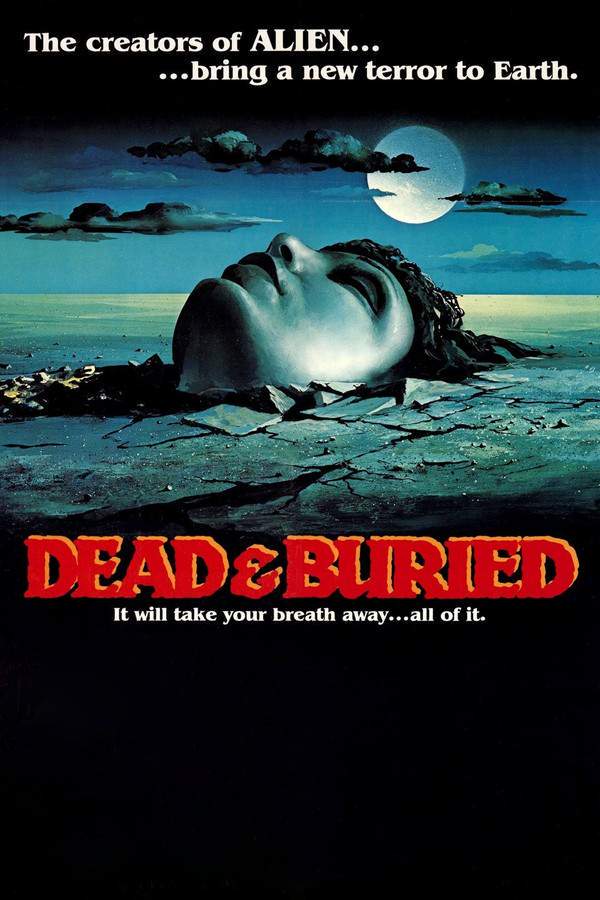
Dead & Buried (1981) Spoiler-Packed Plot Recap
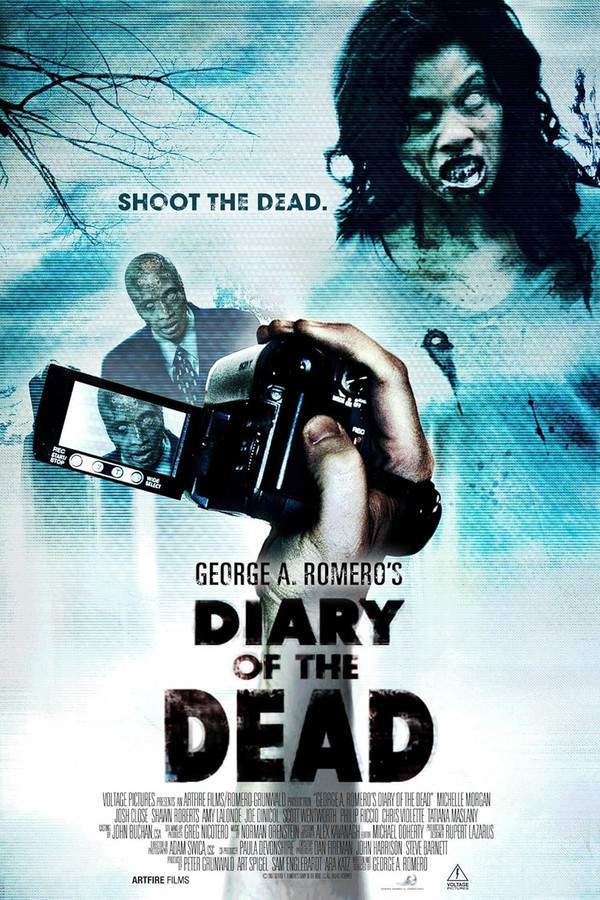
Diary of the Dead (2008) Ending Explained & Film Insights
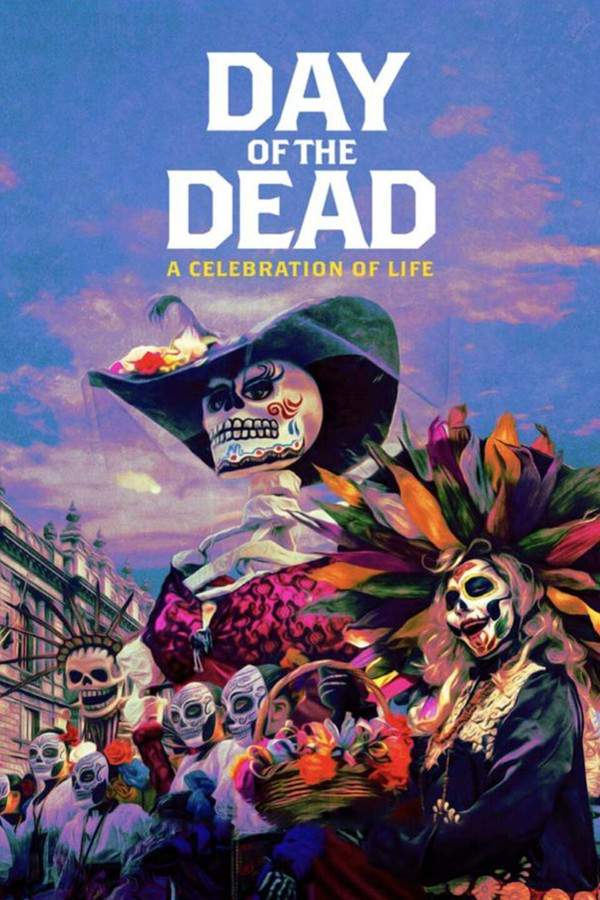
Day of the Dead (1985) Movie Recap & Themes
Dead Teenagers (2007) Ending Explained & Film Insights
Awaken the Dead (2007) Plot Summary & Ending Explained
The Dead Father (1985) Spoiler-Packed Plot Recap
The Dead Come Home (1989) Spoiler-Packed Plot Recap
Scared to Death (1946) Ending Explained & Film Insights
Dead and Gone (2008) Ending Explained & Film Insights
Dead Inn (1997) Plot Summary & Ending Explained
Almost Dead (1994) Spoiler-Packed Plot Recap
The House of the Dead (1978) Full Summary & Key Details
The Dead, The Flesh, and The Devil (1973) Plot Summary & Ending Explained
I Bury the Living (1958) Story Summary & Characters
Back from the Dead (1957) Spoiler-Packed Plot Recap