Plot Explained Spoilers guaranteed!
Plot Explained

Browse by genre

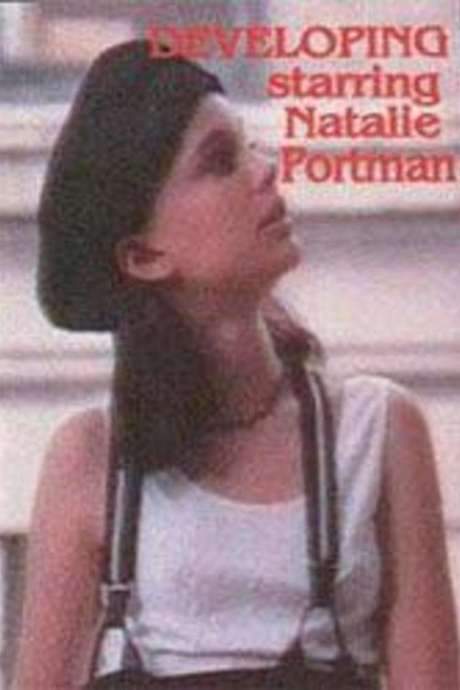
Developing (1995) movie poster

Characters & Themes

Developing (1995) Characters, Setting & Themes Explained

Release, runtime and language
1995 · 28 mins · English
Loading streaming availability…
Directed by
Marya Cohn
Starring
Natalie Portman, Frances Conroy, Jon DeVries, Dee Ann Newkirk, Martin L. Evans, Lauren Cohn

About the relationship between a girl and her single mother, who has breast cancer.

On this page (9)
  1. 1 Where to watch
  2. 2 Characters explained (2)
  3. 3 Character relationship map
  4. 4 Where & when it takes place
  5. 5 Themes & meaning (3)
  6. 6 Character & meaning questions
  7. 7 Movie threads
  8. 8 Movies like Developing
  9. 9 Every angle
Loading streaming availability…

2 main characters · contains spoilers

Developing Characters Explained: Who Is Who

The main characters of Developing (1995), heroes and villains: what drives them, how they change over the course of the story and what each of them reveals about the film's bigger ideas.

  • Clare (Frances Conroy)

    Clare is a professional photographer returning from surgery, struggling with self-consciousness and the urge to shield her daughter. She oscillates between appearing normal and succumbing to bursts of anger or despair. Her artistic focus becomes a way to process illness, while her protective love for Nina complicates their relationship.

    • 🎗 Cancer survivor
    • 🖼️ Photographer
    • 👩‍👧 Mother
  • Nina (Natalie Portman)

    Nina is Clare's daughter and a rising model who feels used by her mother as a subject for photographs. She experiences tension and resentment, sensing the boundary between support and objectification. Her path toward understanding and reconciliation with Clare culminates in a moment of connection when she empathetically listens to her mother's heartbeat.

    • 👩‍🎨 Model
    • 👩‍👧 Daughter

Last updated: October 30, 2026 at 14:00

Was this helpful?

2 characters · 4 connections · contains spoilers

Developing Character Relationship Map

Who is connected to whom in Developing: family, love, friendships, rivalries and hidden ties, colour-coded. Pick a character to see their side of the story, or a connection to see what brings two characters together.

How much of the story to show
CClareFrances ConroyNNinaNatalie Portman

Last updated: October 30, 2026 at 14:00

Was this helpful?

Setting

Where and When Does Developing Take Place?

The setting of Developing (1995): the year and time period, the places and locations, and how they shape the characters, the mood and the tension of the story.

Time period

Contemporary

Our film unfolds in a contemporary setting, where illness and creative work intersect with everyday family life. The era is defined by modern photography, public exhibitions, and private vulnerability. The timeframe is present-day enough to ground the characters' concerns in current social norms about body image and motherhood.

Location

Home, Art Gallery, Darkroom

Clare's world moves between her quiet home, the bustling gallery where her show unfolds, and the intimate, shadow-filled darkroom where she processes her trauma. The settings are integral to the story, reflecting the shift from private pain to public exposure. The gallery becomes a stage for examining illness, motherhood, and artistic self-expression.

  • 🏠 Home
  • 🖼️ Gallery
  • 🕯️ Darkroom

Last updated: October 30, 2026 at 14:00

Was this helpful?

3 major themes

Developing Meaning: Themes & Message Explained

What is Developing (1995) really about? The emotional, social and philosophical themes the film keeps returning to, its symbolism and the message beneath the surface.

  • Body Image

    Clare's mastectomy and ongoing self-consciousness drive much of the narrative. The self-portraits become a struggle to reclaim control over her body and identity. The theme examines how physical change reshapes beauty standards and personal worth, particularly through the gaze of others at the gallery and in photographs. The process of creating art becomes both confrontation and coping.

  • Mother-Daughter

    Clare and Nina navigate a fraught relationship shaped by dependence, guilt, and miscommunication. Clare's protective instincts clash with Nina's desire for autonomy, creating tension at the gallery and in their private moments. The film explores forgiveness, vulnerability, and the ways love adapts under pressure. The ending offers a quiet reconciliation as Nina listens to her mother's heartbeat.

  • Self-Reflection

    Self-perception is tested as Clare confronts her image in portraits and self-portraits, forcing a reckoning with how she sees herself after surgery. The mirror becomes a motif for truth, vulnerability, and the courage to face one’s own gaze. Through this introspection, the characters seek healing and renewed connection. Art provides a path from fragmentation to acceptance.

Last updated: October 30, 2026 at 14:00

Was this helpful?

Character & theme questions

Developing Characters & Meaning: Your Questions Answered

The questions people ask about Developing (1995): who the characters really are, their relationships, what the symbols mean, where it takes place and what the movie is really about. Each answer contains spoilers.

Q1

Where does the story primarily take place?

The narrative moves between Clare's quiet home, a bustling art gallery, and an intimate darkroom. These settings reflect the shift from private pain to public exposure within the story. The gallery becomes a stage for examining illness, motherhood, and artistic self-expression.

  • home
  • art gallery
  • darkroom
  • setting
  • locations
Q2

When is the movie set?

The film unfolds in a contemporary setting relative to its release, grounding the characters' concerns in modern social norms. The era is defined by modern photography and public exhibitions intersecting with family life. This timeframe anchors the story in current concerns about body image and motherhood.

  • contemporary
  • time period
  • era
  • modern photography
  • social norms
Q3

What is Clare's profession and main struggle?

Clare is a professional photographer returning from surgery who struggles with self-consciousness and protecting her daughter. Her artistic focus becomes a way to process illness while her protective love complicates their relationship. She oscillates between appearing normal and succumbing to bursts of anger or despair.

  • Clare
  • photographer
  • breast cancer
  • struggle
  • self-consciousness
Q4

What role does Nina play in the story?

Nina is Clare's daughter and a rising model who feels used by her mother as a subject for photographs. She experiences tension and resentment while sensing the boundary between support and objectification. Her path toward understanding culminates in a moment of connection when she empathetically listens to her mother.

  • Nina
  • model
  • daughter
  • autonomy
  • resentment
Q5

What defines the mother-daughter dynamic?

The relationship is shaped by dependence, guilt, and miscommunication as Clare's protective instincts clash with Nina's desire for autonomy. The film explores forgiveness and vulnerability as love adapts under pressure. The ending offers a quiet reconciliation as Nina listens to her mother's heartbeat.

Foreshadowing: Clare's protective instincts clash with Nina's desire for autonomy early in the film.

  • mother-daughter
  • relationship
  • dependence
  • guilt
  • reconciliation
Q6

How does the film explore body image?

Clare's mastectomy and ongoing self-consciousness drive much of the narrative regarding physical change and beauty standards. The self-portraits become a struggle to reclaim control over her body and identity through the gaze of others. The theme examines how physical change reshapes personal worth.

Foreshadowing: The mirror becomes a motif for truth and vulnerability early in the film.

  • body image
  • mastectomy
  • self-portraits
  • beauty standards
  • identity
Q7

How is photography used thematically?

Art provides a path from fragmentation to acceptance as Clare confronts her image in portraits and self-portraits. The process of creating art becomes both confrontation and coping for the characters. Through this introspection, the characters seek healing and renewed connection.

  • photography
  • art
  • coping
  • introspection
  • healing
Q8

What does the darkroom symbolize?

The darkroom serves as an intimate, shadow-filled space where Clare processes her trauma away from public view. It represents the private vulnerability required before facing the exposure of the gallery. This setting is integral to the story's shift from private pain to public exposure.

  • darkroom
  • symbolism
  • trauma
  • privacy
  • vulnerability
Q10

What does the title refer to?

The title Developing references both the photographic process and the emotional growth of the characters. It underscores the linear progression of a single family's crisis toward a fragile healing. This dual meaning connects the technical art form with the narrative arc.

Foreshadowing: Early scenes emphasize the photographic process alongside emotional strain.

  • title
  • developing
  • photography
  • emotional growth
  • meaning
Q11

What is the overall emotional tone?

The tone is dominantly melancholic, defined by a pervasive sadness and reflection on loss without becoming bleak. The intensity is high due to the constant emotional strain of a life-threatening illness. The pacing is slow, focusing intently on internal character moments.

  • tone
  • melancholic
  • sadness
  • intensity
  • pacing
Q12

What drives the central tension?

The core conflict arises from the psychological toll of cancer impacting the trust and boundaries between mother and daughter. Nina's path toward understanding culminates in a moment of connection when she empathetically listens to her mother. This tension defines the fraught relationship shaped by dependence and guilt.

  • conflict
  • tension
  • cancer
  • trust
  • boundaries
Q13

What kind of emotional resolution is offered?

The ending feels bittersweet, offering a clear moment of connection and hope following intense conflict and emotional breakdowns. It suggests healing is a fragile and ongoing process rather than a simple resolution. The final hug and heartbeat offer hope but follow intense conflict.

  • resolution
  • bittersweet
  • healing
  • hope
  • connection

Movie threads

More Movies Like Developing, by Mood & Story

Curated lists built around what makes Developing tick: the same mood, the same kind of story or the same emotional payoff. Each list explains why these movies belong together.

Intimate family crisis dramas like Developing

Stories where a family is tested by a deeply personal crisis. If you liked the raw portrayal of a mother-daughter relationship strained by illness in Developing, you'll appreciate these movies. This list features emotionally heavy dramas centered on families facing internal crises, capturing similar tones of vulnerability and resilience.

  • emotional
  • tense
  • vulnerable
  • raw
  • family drama
  • heavy
  • Tone: melancholic, raw, tense
  • Pacing: slow, deliberate, introspective
Why these movies?

The story pattern: Narratives in this thread follow a linear, character-driven path, often focusing on the day-to-day realities of coping with a major life event. The story unfolds through intimate moments of tension, grief, and fragile attempts at connection, building towards a resolution that acknowledges the lasting impact of the experience.

Why they belong together: These films are grouped by their intense focus on a single family's emotional journey through a life-altering event. They share a melancholic tone, slow pacing that allows for deep introspection, and a heavy emotional weight derived from realistic, personal stakes.

Movies about bittersweet reconciliation like Developing

Emotional journeys where fractured relationships find a fragile, hopeful peace. For viewers who appreciated the heartfelt but fragile reconciliation in Developing, this list features films with similar emotional arcs. These stories focus on characters mending broken bonds after a crisis, culminating in endings that are hopeful yet realistically complex.

  • bittersweet
  • emotional
  • hopeful
  • vulnerable
  • reconciliation
  • healing
  • Tone: bittersweet, melancholic, hopeful
  • Pacing: slow, character-driven
Why these movies?

The story pattern: The narrative pattern involves a central relationship pushed to its breaking point by conflict or trauma. The story builds slowly through moments of tension and distance, leading to a climactic emotional confrontation or shared vulnerability. The resolution is not a simple fix but a quiet, earned moment of understanding that acknowledges the pain endured.

Why they belong together: These movies are connected by their core narrative arc: a relationship undergoes a severe test and achieves a reconciliation that is deeply felt but realistically tentative. They share a bittersweet ending feel, high emotional intensity from the central conflict, and a focus on character vulnerability.

If you liked this

Movies Like Developing

Similar movies to Developing: the same genre, themes or kind of story. Each one comes with its own plot summary, timeline and ending explained.

Browse all movie summaries

Every angle

Developing (1995) Explained: Plot, Timeline & Characters

Everything about Developing in one place: what happens in the plot summary, the timeline in chronological order, the characters and meaning and a spoiler-free summary. What's After the Movie adds the cast, box office and post-credit scenes.

Coming soon on iOS and Android

The Plot Explained Movie Summary App

Plot summaries, endings explained and timelines on your phone. Catch up on any movie in minutes, save your favorites and never miss a twist again.

Be the first to know when we launch. Your email stays private, always.

Learn more about the app