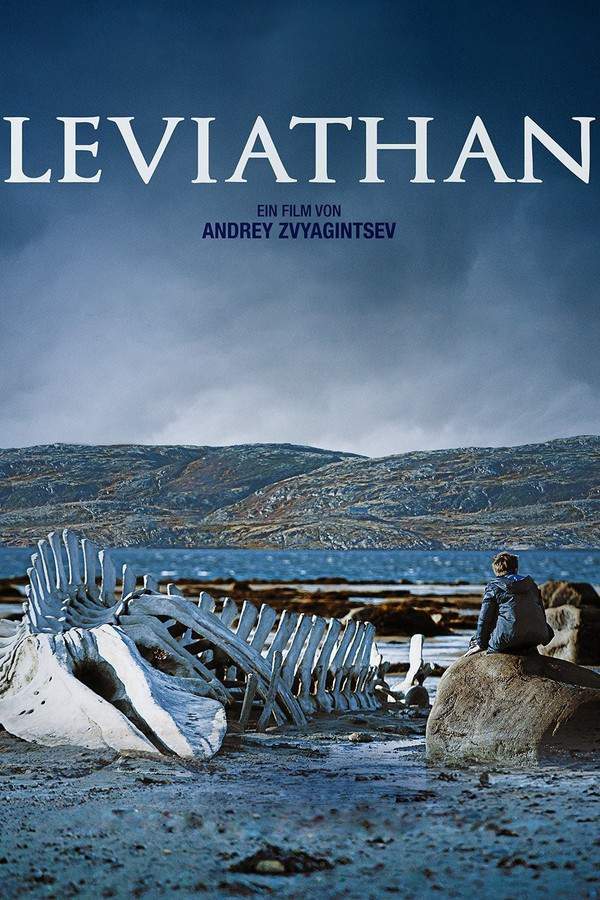
In a world where scientific ambition pushes the boundaries of morality, a clandestine experiment once turned a young boy into an unwitting instrument of tragedy. The child, Michael Tucker, is subjected to hypnotic conditioning by a cold‑hearted researcher whose methods blur the line between discovery and domination. The lingering echo of that early violation reverberates through Michael’s psyche, shaping a life marked by isolation, institutional confinement, and a relentless search for meaning beyond the shadows of his past.
Years later, upon his release, Michael steps into a world that feels simultaneously familiar and alien. He is joined by his steady‑hearted girlfriend, Sandy, and two close friends—Jeannie and Lucas—who share his resolve to confront the source of his torment. Together they set their sights on a remote island that houses the very laboratory where the original experiment unfolded, a place that now looms as both a physical destination and a metaphorical crossroads between memory and redemption.
The journey to the island is steeped in atmospheric tension, a road trip that feels less like a casual escape and more like a pilgrimage through a landscape tinged with dread. The isolated setting, the relentless sea, and the looming specter of the scientist’s legacy create a mood that is as oppressive as it is compelling, inviting viewers to feel the weight of unspoken fears and the pull of unresolved questions. As the group approaches the foreboding facility, the air grows thick with anticipation, hinting at confrontations that will test the limits of loyalty, courage, and the fragile hope for closure.
Within this dark, psychological tableau, Michael’s quest is less about revenge than about reclaiming agency over a life that was once dictated by another’s will. The film sways between stark realism and unsettling suspense, promising a meditation on the cost of healing and the delicate balance between confronting one’s demons and being consumed by them.