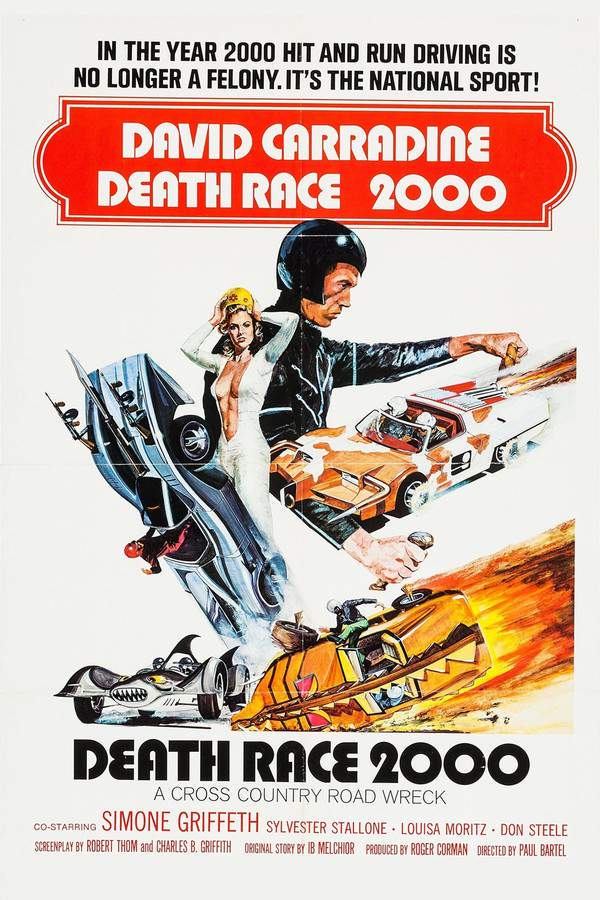
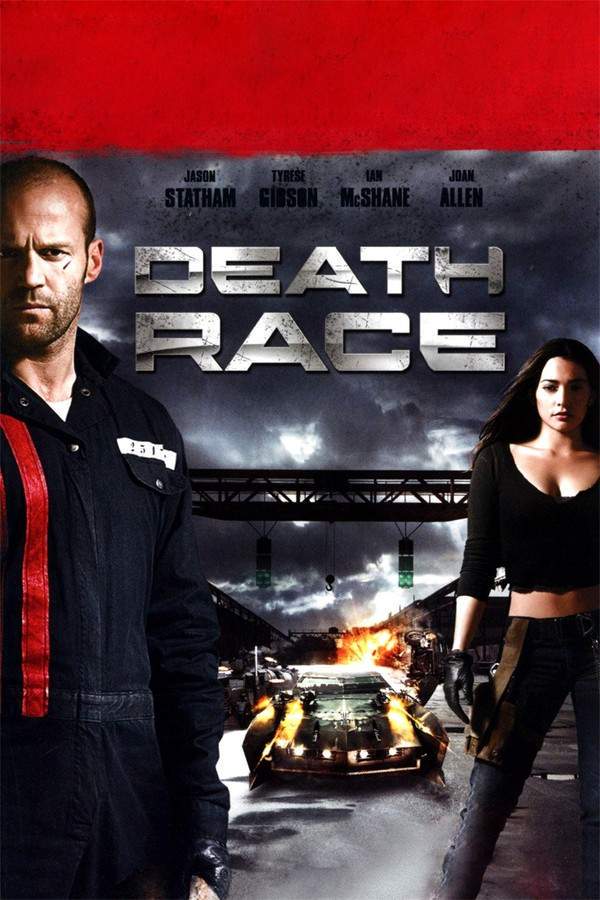
In a bleak future where the United Provinces of America rules by spectacle, the nation’s most coveted pastime is a sprawling, three‑day road race that turns the highway into a circus of speed and mayhem. The competition stretches from coast to coast, turning ordinary travel routes into a televised arena where drivers are celebrated as heroes and the very landscape is weaponized for entertainment. The tone is a gritty, hyper‑inflated satire of both classic American road lore and brutal gladiatorial sport, flashing neon‑lit billboards and rust‑streaked machines against a backdrop of crumbling cities and restless crowds.
At the center of this chaotic theater is the legendary racer known only as Frankenstein, a figure cloaked in myth and scarred by countless crashes, whose very presence inspires both awe and fear. His reputation as the government's champion makes him the de facto face of the race, embodying the regime’s twisted values while keeping the populace riveted. Opposite him lies the fierce and volatile competitor Machine Gun Joe Viterbo, a rival whose relentless drive and gritty tactics have made him a fan favorite and a constant thorn in Frankenstein’s side. The dynamic between these two icons fuels much of the race’s tension, as each embodies a different shade of survival in this lawless carnival.
Beneath the roaring engines and cheering spectators, a covert network of dissidents whispers of change. Led by the determined revolutionary Thomasina Paine, this group sees the race as the perfect lever to challenge the authoritarian order that thrives on spectacle. Their plan hinges on leveraging the very symbols that the regime cherishes, hoping to turn the celebrated contest into a catalyst for upheaval. The rebels’ presence adds an undercurrent of intrigue, suggesting that the race is more than a test of speed—it is a battlefield for ideas and a mirror reflecting the nation's fractured soul.
The film’s world is drenched in a stylized blend of dystopian decay and flamboyant excess, where every rev of an engine and flash of a billboard hints at deeper societal fractures. The tone balances razor‑sharp satire with high‑octane action, inviting viewers to wonder whether the drivers themselves are the true masters of the road—or merely pawns in a larger, more dangerous game.