Plot Explained Spoilers guaranteed!
Plot Explained

Browse by genre

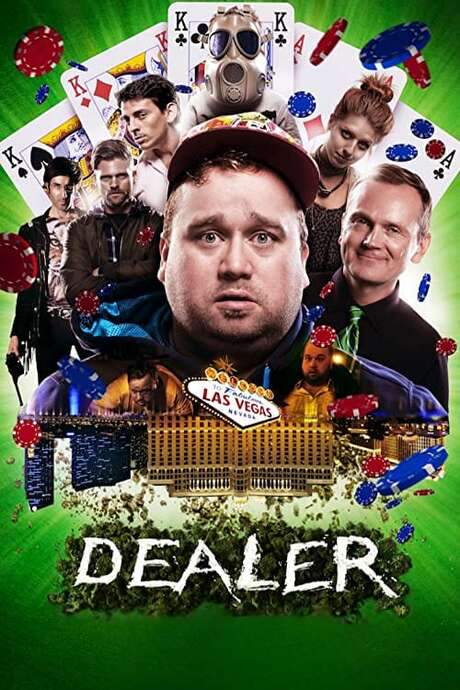
Dealer/Healer (2017) movie poster

Timeline

Dealer/Healer (2017) Timeline Explained – Every Event in Order

Release, runtime and language
2017 · 101 mins · Cantonese
Loading streaming availability…
Directed by
Lawrence Ah Mon
Starring
Louis Koo, Patrick Tam, Nora Miao, Gordon Lam Ka-Tung, Stephen Au Kam-Tong, Vincent Wan Yeung-Ming

Based on a true story, this film follows Chen, a former leader of the notorious gang "The 13 Tsz Wan Shan." Having lost his family, loved ones, and brothers, he was imprisoned for drug abuse and trafficking. Upon his release, Chen dedicated himself to helping others find redemption, earning him recognition as "The JCI Hong Kong Ten Outstanding Young Persons" and the nickname "The Fixer." While he resolves conflicts between good and evil, Chen struggles to confront a lifelong guilt regarding his past relationship.

On this page (6)
  1. 1 Where to watch
  2. 2 Events in order (10)
  3. 3 Timeline questions answered
  4. 4 Movie threads
  5. 5 Movies like Dealer/Healer
  6. 6 Every angle
Loading streaming availability…

10 events in order · contains spoilers

Dealer/Healer Timeline: Events in Chronological Order

Every key event of Dealer/Healer (2017) in order, scene by scene, with when and where it takes place. Use it to untangle flashbacks, time jumps and parallel storylines, to refresh your memory before the sequel or to find the exact scene you are thinking of.

  1. Glorious days of Chan Wah and the Thirteen Naughty Children

    In the chaotic streets of Hong Kong during the 1960s and 1970s, Chan Wah leads a notorious crew known as the Thirteen Naughty Children of Tsz Wan Shan. The period is marked by police corruption and triad influence, creating an atmosphere where Chan's arrogance and leadership thrive. This era establishes the reputation and power Chan wields before his later fall.

    When
    1960s-1970s
    Where
    Hong Kong
  2. Chan falls in love with Ho-yau

    Chan meets Ho-yau during the height of his underworld days and spends his happiest moments with her. The romance softens him and offers a glimpse of a brighter future beyond crime. Ho-yau represents the life Chan longs to protect and sustain.

    When
    1960s-1970s
    Where
    Hong Kong
  3. Hunted for drug trafficking

    As allegations of drug trafficking surface, Chan becomes a target for law enforcement. The pursuit strains his personal life and tests his loyalties, threatening to shatter everything he built. The threat from the authorities casts a long shadow over his days of glory.

    When
    Late 1960s-1970s
    Where
    Hong Kong
  4. Escape with Halley's help

    During a deadly pursuit, Chan is saved from death by Halley, the Anti-Drug Unit leader who is also a frenemy. Halley's intervention is complex, blending official duty with personal rivalry. The escape provides a fragile reprieve that foreshadows an uneasy relationship with the law.

    When
    Late 1960s-1970s
    Where
    Hong Kong
  5. Prison and the law catches up

    Despite his earlier escape, Chan is eventually captured and imprisoned, unable to outrun the legal system. The years behind bars force him to confront the consequences of his former life. This period becomes a turning point that shapes his future choices.

    When
    Late 1960s-1970s
    Where
    Hong Kong
  6. Release, losses and a broken personal life

    On his release from prison, Chan learns that his father has died and Ho-yau is missing, events he blames himself for. The double loss deepens his guilt and sense of responsibility. These tragedies become the catalyst for his eventual transformation.

    When
    After prison release
    Where
    Hong Kong
  7. Resolves to turn over a new leaf

    Chan makes a conscious decision to leave his former life behind and focus on reform. He begins participating in programs and mentoring youths, aiming to break the cycle of drug abuse. This commitment signals the start of his public rehabilitation.

    When
    Late 1970s
    Where
    Hong Kong
  8. Rehabilitation work earns him recognition

    He actively participates in drug treatment initiatives and helps rehabilitate young drug users. His efforts gain recognition and culminate in the Ten Outstanding Young Persons of Hong Kong award. The honor marks his transition from a triad figure to a public role model.

    When
    Late 1970s
    Where
    Hong Kong
  9. Influences La Ba and Kitty; mediates triad disputes

    Through his changed behavior, Chan inspires his brothers La Ba and Kitty to reform and choose peaceful paths. He also helps mediate disputes within the triads, earning respect from both the underworld and the police. His conciliatory approach brings a rare period of uneasy stability.

    When
    Late 1970s
    Where
    Hong Kong
  10. Reunion with Ho-yau in Japan

    While giving drug treatment lectures in Japan, Chan encounters Ho-yau again. The reunion rekindles his desire to be with her and signals a hopeful turn toward rebuilding their relationship. The moment underscores his commitment to changing his life and his heart.

    When
    Late 1970s-early 1980s
    Where
    Japan

Last updated: February 24, 2026 at 14:21

Was this helpful?

Timeline questions answered

Dealer/Healer Timeline Explained: Your Questions Answered

When does it happen, and why in that order? The questions people ask about the chronology of Dealer/Healer (2017): time jumps, flashbacks, cause and effect between scenes and the correct order of events, each answered with spoilers.

Q1

Why did Chan Wah decide to leave his triad life behind?

Chan Wah's transformation was triggered by two devastating events upon his release from prison: his father's death and Ho-yau's disappearance. He blamed himself for both losses, and this guilt, combined with years of reflection behind bars, motivated him to dedicate himself to helping young people avoid the same destructive path he had taken. His personal tragedies became the catalyst for genuine change.

Foreshadowing: Earlier scenes show Chan Wah's softer side when he meets Ho-yau, hinting at his capacity for redemption.

  • chan wah transformation
  • triad redemption
  • guilt
  • prison release
Q2

What happened to Ho-yau while Chan Wah was in prison?

Ho-yau went missing after Chan Wah was imprisoned. The exact circumstances of her disappearance are not detailed in the summary, but the timing suggests she either left voluntarily or was forced to flee due to the dangers associated with Chan Wah's criminal activities. Chan Wah carries this loss as a source of deep guilt throughout his rehabilitation journey.

Foreshadowing: The threat from law enforcement and the dangerous underworld environment created instability in Chan Wah's personal life.

  • ho-yau disappearance
  • missing person
  • chan wah lover
Q3

Why did Halley, the Anti-Drug Unit leader, help Chan Wah escape?

Halley is described as Chan Wah's "frienemy" - someone with a complex relationship involving both rivalry and mutual respect. While Halley was officially pursuing Chan Wah for drug trafficking, his intervention to save Chan Wah from death suggests personal motivations beyond duty. Their relationship appears to blend official antagonism with an understanding between two men who operate on opposite sides of the law but recognize something in each other.

Foreshadowing: The tense dynamic between them hints at a history that goes beyond typical law enforcement targets.

  • halley chan wah relationship
  • anti-drug unit
  • frenemy
Q4

How did Chan Wah earn recognition as one of the Ten Outstanding Young Persons?

After his release from prison, Chan Wah dedicated himself to rehabilitating young people trapped in drug addiction. He actively participated in drug treatment programs, mentoring at-risk youth and helping them break the same cycles he once walked. His transformative work and public service eventually earned him the Ten Outstanding Young Persons of Hong Kong award, marking his official transition from former triad leader to respected community figure.

Foreshadowing: His early commitment to reform following his father's death and Ho-yau's disappearance set the foundation for this achievement.

  • ten outstanding young persons
  • rehabilitation
  • drug treatment
  • chan wah recognition
Q5

What was the Thirteen Naughty Children of Tsz Wan Shan?

The Thirteen Naughty Children was the name of Chan Wah's triad crew in 1960s-70s Hong Kong. Led by the arrogant but magnetic Chan Wah, this group operated in the Tsz Wan Shan district during an era of widespread police corruption and triad influence. The name suggests a group of rebellious, youthful criminals who ruled their territory with swagger and a shared code of loyalty among brothers.

Foreshadowing: The group's early reputation and power establish Chan Wah's fall from grace.

  • triad
  • thirteen naughty children
  • chan wah crew
  • hong kong underworld
Q6

Why was Chan Wah targeted by authorities for drug trafficking?

Chan Wah was hunted because he was actively leading a triad operation involved in drug trafficking during the 1960s-70s Hong Kong underworld. The Anti-Drug Unit, led by Halley, pursued him specifically for these criminal activities. His status as a prominent triad leader made him a high-priority target, though the pursuit also became entangled with the complex relationship between Halley and Chan Wah.

Foreshadowing: His earlier "glorious days" as a powerful triad leader directly led to this legal downfall.

  • drug trafficking
  • police pursuit
  • chan wah arrest
  • anti-drug unit
Q7

How did Chan Wah influence his brothers La Ba and Kitty to change their ways?

Chan Wah's personal transformation inspired his former triad brothers La Ba and Kitty to also choose reform. By demonstrating genuine change through his rehabilitation work and mediation efforts, he showed them that leaving the criminal lifestyle was possible. His credibility as someone who had walked the same path gave his guidance weight, and his conciliatory approach helped bridge tensions between the triads and police, earning respect from both sides.

Foreshadowing: The brothers' initial loyalty to Chan Wah established the foundation for their later willingness to follow his lead.

  • la ba
  • kitty
  • triad reform
  • chan wah influence
  • brotherhood
Q8

What prompted Chan Wah and Ho-yau to reunite in Japan?

Chan Wah encountered Ho-yau again while giving drug treatment lectures in Japan. The reunion happened in a therapeutic environment, which symbolically represents their shared opportunity for healing. This meeting rekindled Chan Wah's hope of reconciliation, offering a chance to rebuild their relationship after years of separation caused by his imprisonment and her disappearance.

Foreshadowing: Chan Wah's transformation into someone capable of helping others made him worthy of a second chance at love.

  • japan reunion
  • ho-yau return
  • drug treatment lecture
  • reconciliation
Q9

Why did Chan Wah blame himself for his father's death while in prison?

Chan Wah blamed himself because his criminal lifestyle as a triad leader directly caused his imprisonment, which prevented him from being there for his family. His absence meant his father died without his son by his side, and Chan Wah carried the guilt of having brought shame and hardship to his family through his criminal activities.

Foreshadowing: The earlier scenes of Chan Wah's arrogance and criminal leadership establish the consequences that would follow.

  • father death
  • guilt
  • chan wah family
  • prison consequences
Q10

How did Chan Wah become a mediator between triads and the police?

After his reformation, Chan Wah used his unique position - having been on both sides of the law - to mediate disputes between triad factions and the police. His reputation as someone who genuinely changed earned him trust from both criminal and law enforcement communities. His conciliatory approach brought a rare period of stability, with both sides viewing him as a potential force for balance rather than chaos.

Foreshadowing: His complex relationship with Halley foreshadowed his ability to bridge opposing worlds.

  • mediation
  • triad police tension
  • chan wah peace
  • balance

Movie threads

More Movies Like Dealer/Healer, by Mood & Story

Curated lists built around what makes Dealer/Healer tick: the same mood, the same kind of story or the same emotional payoff. Each list explains why these movies belong together.

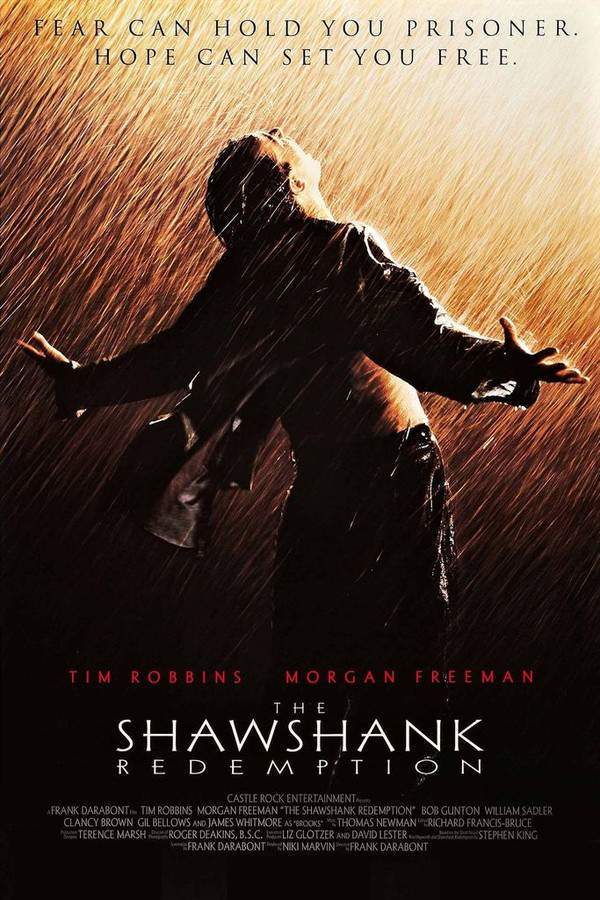
Movies about a criminal's path to redemption like Dealer/Healer

Profound stories of criminals seeking forgiveness and a new purpose. If you enjoyed the redemptive arc in Dealer/Healer, you'll appreciate these other films. This section gathers movies with similar stories of former criminals seeking forgiveness and a new purpose, focusing on themes of guilt, atonement, and personal transformation.

  • redemptive
  • gritty
  • hopeful
  • melancholic
  • reflective
  • troubled past
  • Tone: hopeful, gritty, melancholic
  • Pacing: steady, character-driven
Why these movies?

The story pattern: Stories in this thread typically follow a linear arc: a character's life defined by crime or vice leads to a significant personal loss or rock-bottom moment, sparking a desire for change. The narrative then focuses on their challenging journey to make amends, often facing external skepticism and internal guilt, ultimately culminating in a hard-won sense of hope and a new identity.

Why they belong together: These movies are grouped together because they share a powerful and specific narrative arc centered on moral transformation. They combine gritty, realistic depictions of a troubled past with a persistent, hopeful tone, creating an emotionally heavy but ultimately uplifting viewing experience focused on second chances.
Gritty yet hopeful dramas like Dealer/Healer

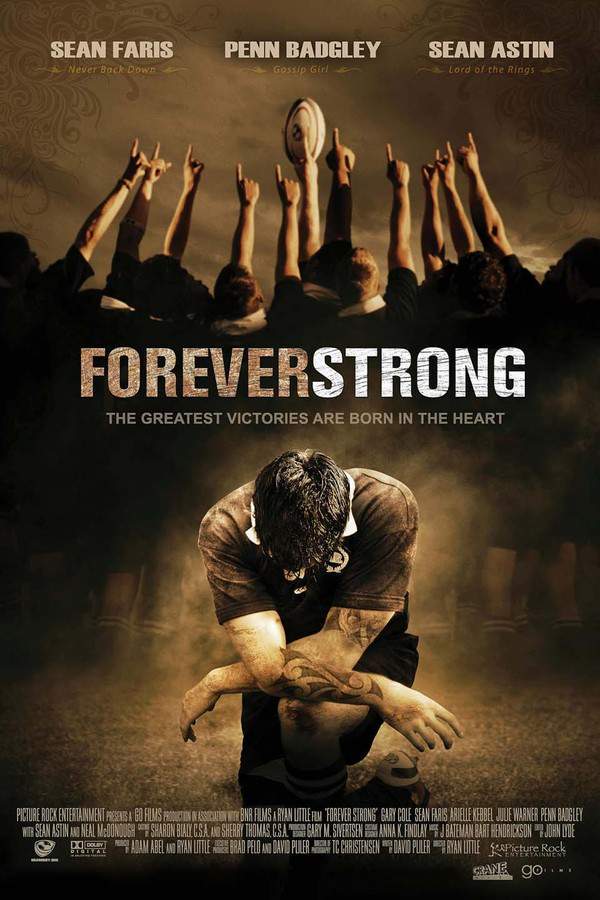
Emotionally heavy dramas where hope persists despite a troubled past. For viewers who liked the mix of heavy themes and hopeful tone in Dealer/Healer, this section features similar movies. These gritty yet uplifting dramas explore dark subjects like crime and loss but are ultimately defined by their characters' resilience and search for a better life.

  • hopeful
  • gritty
  • melancholic
  • emotional journey
  • reflective
  • serious
  • Tone: hopeful, melancholic, reflective
  • Pacing: steady, deliberate
Why these movies?

The story pattern: The narrative pattern involves a protagonist grappling with significant trauma, loss, or a morally complex past. The story doesn't shy away from the harsh realities of their situation, creating a gritty atmosphere. However, the core of the plot is their internal struggle to overcome despair, leading to a gradual, steady climb toward a more hopeful future, making the eventual positive outcome feel earned.

Why they belong together: These films are grouped by their unique tonal blend: they maintain a realistic, sometimes melancholic edge while firmly steering toward a hopeful conclusion. This creates a specific, coherent vibe that is serious and weighty without being bleak, appealing to viewers who want substance and emotional depth without outright despair.

If you liked this

Movies Like Dealer/Healer

Similar movies to Dealer/Healer: the same genre, themes or kind of story. Each one comes with its own plot summary, timeline and ending explained.

Browse all movie summaries

Every angle

Dealer/Healer (2017) Explained: Plot, Timeline & Characters

Everything about Dealer/Healer in one place: what happens in the plot summary, the timeline in chronological order, the characters and meaning and a spoiler-free summary. What's After the Movie adds the cast, box office and post-credit scenes.

Coming soon on iOS and Android

The Plot Explained Movie Summary App

Plot summaries, endings explained and timelines on your phone. Catch up on any movie in minutes, save your favorites and never miss a twist again.

Be the first to know when we launch. Your email stays private, always.

Learn more about the app