





Plot Explained Spoilers guaranteed!
Plot Explained

Browse by genre

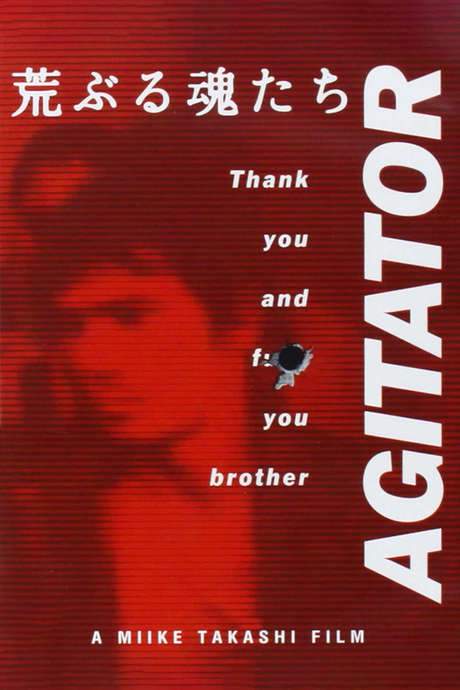
Deadly Outlaw: Rekka (2002) movie poster

Timeline

Deadly Outlaw: Rekka (2002) Timeline Explained – Every Event in Order

Release, runtime and language
2002 · 96 mins · Japanese
JustWatch #6,296 129
Directed by
Takashi Miike
Starring
Ken'ichi Endô, Renji Ishibashi, Shigeo Kobayashi, Daijirô Harada, Masaru Shiga, Riki Takeuchi

A relentless hunter becomes the hunted when his Yakuza mentor and father figure is brutally slain. Determined to avenge the murder, he and his closest friend launch a two‑man crusade, eliminating rival bosses one by one, culminating in a final showdown with the men who killed the old man.

On this page (6)
  1. 1 Where to watch
  2. 2 Events in order (15)
  3. 3 Timeline questions answered
  4. 4 Movie threads
  5. 5 Movies like Deadly Outlaw: Rekka
  6. 6 Every angle

Where to watch

Where to Watch Deadly Outlaw: Rekka (2002)

Where can you watch Deadly Outlaw: Rekka? Stream, rent or buy it in the US, including on Fawesome, Plex and Shout! Factory TV: current JustWatch availability with up-to-date prices.

Streaming availability powered by JustWatch

15 events in order · contains spoilers

Deadly Outlaw: Rekka Timeline: Events in Chronological Order

Every key event of Deadly Outlaw: Rekka (2002) in order, scene by scene, with when and where it takes place. Use it to untangle flashbacks, time jumps and parallel storylines, to refresh your memory before the sequel or to find the exact scene you are thinking of.

  1. Murder of Yoshikatsu Sanada triggers a yakuza feud

    The brutal killing of Yoshikatsu Sanada by a member of the Otaki Group sends shockwaves through both clans. As revenge and power lines sharpen, Kunisada and his allies find themselves drawn into a widening cycle of retaliation. The murder destabilizes the balance of influence and marks the start of a fragile power struggle.

  2. Hijikata mediates a fragile truce

    Hijikata, the Head Kanbu of the Bando Family, steps in to broker a ceasefire between the warring factions. His mediation buys time but does not erase the underlying tensions. Behind the scenes, schemes begin to take shape that will redefine loyalty and control.

    Where
    Bando Family mediation hall
  3. Makajyo and Komuro align with Kugihara against Otaki

    Makajyo and Komuro secretly ally with Kugihara, Sanada’s successor, with a plan to remove Otaki from power by using a Sanada loyalist to carry out an assassination. The alliance shows how the killer politics of the yakuza operate beneath the veneer of mediation. The move signals that everyone is playing for keeps.

  4. Severance payments test loyalty among juniors

    Kunisada and Eiichi Shimatani hand out severance payments to junior figures, urging them to step away from the life. The gesture is meant to consolidate power, but it also exposes who is willing to cut ties. Loyalty becomes a transactional currency as some choose to stay and others walk away.

  5. Hiroshi Fujiwara and Saburo Sawada refuse to abandon Sanada

    Hiroshi Fujiwara and Saburo Sawada refuse to abandon the Sanada Group, signaling that old loyalties still bind. Tomio, by contrast, accepts the money and quietly exits the life he once knew. The split among allies sets new fractions on the battlefield.

  6. Kugihara narrows choices, stoking the risk of the truce

    Kugihara pressures Kunisada by arguing the proposed truce would deny the Sanada Group honor and face. Kunisada accepts the ominous risk, accepting that peace will come at a price. The power balance tightens as both sides position themselves for the inevitable clash.

  7. Iguchi's trap is turned against him

    Iguchi lures Kunisada into a trap, but Kunisada and Shimatani turn the ambush back on their attackers. In a display of ruthless improvisation, they kill the attackers and begin distancing themselves from two Korean allies, signaling a choice to sever risky ties.

  8. Asai reveals Makajyo's manipulations

    Police detective Asai exposes Makajyo’s orchestration of chaos to climb to power, reminding all that loyalty in this world is a shifting currency. His warnings underscore the fragility of the alliances holding the truce together. The revelation further destabilizes the mediation.

  9. Makajyo hires deadly enforcers to escalate violence

    Makajyo does not stay idle; he hires killers Mr. Su and Gorō Tabata to intensify attacks on Kunisada’s faction and target Kunisada directly. The new violence makes the conflict even more dangerous and personal. The underworld’s chessboard tightens with every new hire.

  10. Iguchi is killed in a crowded gambling den

    Kunisada shoots Iguchi dead in a crowded gambling den, marking a sharp escalation in the personal vendetta. The act demonstrates Kunisada’s willingness to take decisive, brutal action to protect his faction. The death reverberates through the underworld as tempers flare.

    Where
    Gambling den
  11. Kunisada strikes Bando HQ with a rocket

    In a bold show of force, Kunisada directs a rocket into the Bando headquarters, signaling that he will not yield to pressure or fear. The attack widens the gulf between factions and sets an uncompromising tone for the power struggle. The move cements Kunisada’s resolve to shape the future on his terms.

    Where
    Bando headquarters
  12. A climactic strike ends Makajyo’s bid for power

    Kunisada ends Makajyo by firing a rocket into his office, a brutal capstone to a carefully laid bid for control. The assassination dramatically reshapes the balance of power within the yakuza world. Su and Tabata pursue the remaining leaders, but their efforts falter against Kunisada and Shimatani’s coordinated resistance.

    Where
    Makajyo’s office
  13. The pursuit of survivors falters

    Mr. Su and Tabata chase the surviving leaders, but the two sides’ defenses and alliances hold under Kunisada and Shimatani’s strategic countermeasures. The chase underscores how quickly loyalties shift and the cost of treachery. The war winds down while new arrangements begin to form in the shadows.

  14. Tomio finds rare normalcy at the laundromat

    In the film’s somber coda, the retired Tomio goes about his laundry at a laundromat, a quiet counterpoint to the blood-soaked battles that preceded it. The scene emphasizes the fragile line between ordinary life and the yakuza world’s constant threat. It hints that, even in victory, peace remains fragile and elusive.

    Where
    Laundromat
  15. A world in flux: loyalty, revenge, and shadowed deals

    The narrative closes on a stark portrait of power in flux, where every act of violence comes with a price and every ally can become tomorrow’s adversary. Old enemies fade only to leave room for new arrangements formed in the shadows. The film leaves the audience with a sense that endings in this world are rarely clean or permanent.

Last updated: October 09, 2025 at 16:49

Was this helpful?

Timeline questions answered

Deadly Outlaw: Rekka Timeline Explained: Your Questions Answered

When does it happen, and why in that order? The questions people ask about the chronology of Deadly Outlaw: Rekka (2002): time jumps, flashbacks, cause and effect between scenes and the correct order of events, each answered with spoilers.

Q1

Why does Sanada's murder spark such a massive yakuza war?

Sanada was not just a leader but the father figure who anchored the Sanada Group's identity. His killing by an Otaki Group member shattered the fragile power balance between the two clans, forcing Kunisada into an inescapable cycle of revenge. The murder also created a vacuum that multiple factions (Otaki, Sanada's successor Kugihara, and Makajyo) tried to exploit, turning a personal vendetta into a multi-sided power struggle.

Foreshadowing: The opening murder sets in motion every subsequent betrayal and alliance shift throughout the film.

  • sanada murder
  • yakuza war
  • revenge cycle
  • faction conflict
Q2

What was Makajyo's real plan throughout the conflict?

Makajyo manipulated both sides of the feud to create chaos that would elevate him to power. He secretly allied with Kugihara (Sanada's successor) and orchestrated Otaki's assassination using a Sanada loyalist as the trigger. When that succeeded, he hired external killers Mr. Su and Gorō Tabata to eliminate remaining threats, including Kunisada. Detective Asai exposes this scheme, revealing that Makajyo was engineering orchestrated violence to climb the yakuza hierarchy.

Foreshadowing: Makajyo's initial secret alliance with Kugihara hints at his ambitions before his direct involvement becomes apparent.

  • makajyo conspiracy
  • power grab
  • manipulation
  • orchestrated chaos
Q3

Why does Kunisada launch a rocket at Bando headquarters?

Kunisada attacks Bando headquarters as a bold declaration that he will not be intimidated or controlled. The Bando Family, led by Hijikata, had brokered the truce but failed to protect the Sanada Group from manipulation and violence. By striking their headquarters with a rocket, Kunisada signals his refusal to accept the truce's terms and demonstrates he will reshape the power balance on his own terms, regardless of the consequences.

Foreshadowing: Earlier tension between Kunisada and the mediators foreshadows his willingness to reject their authority.

  • rocket attack
  • bando headquarters
  • kunisada defiance
  • power statement
Q4

What is Kugihara's role in the conspiracy against Otaki?

Kugihara is Sanada's successor who secretly colludes with Makajyo and Komuro from the Otaki Group to orchestrate Chairman Otaki's assassination. Their plan involves using a expendable Sanada loyalist as the triggerman, allowing them to blame the Sanada Group while simultaneously eliminating Otaki. Kugihara also pressures Kunisada during mediation, arguing the truce would rob the Sanada Group of honor, effectively goading the faction toward continued conflict.

Foreshadowing: Kugihara's pressure on Kunisada during mediation reveals his hidden agenda long before his full betrayal is exposed.

  • kugihara betrayal
  • sanada successor
  • otaki assassination
  • secret alliance
Q5

Why do Hiroshi and Saburo refuse to abandon the Sanada Group?

Hiroshi Fujiwara and Saburo Sawada represent yakuza members who prioritize loyalty over survival. Despite Kunisada's severance payments and warnings to leave, they choose to stay because their identity and code of honor are tied to the Sanada Group. Their refusal highlights the theme that loyalty in the yakuza world is not always transactional, some members genuinely believe in the group beyond its current leadership.

Foreshadowing: Their choice contrasts with Tomio's decision to accept the money and exit, setting up the film's exploration of different responses to loyalty.

  • hiroshi fujiwara
  • saburo sawada
  • loyalty
  • sanada group
  • severance payments
Q6

Why does Kunisada distance himself from Myung-hyung and Sung-hee?

After turning Iguchi's trap against him, Kunisada and Shimatani quietly detach from their two Korean companions Myung-hyung and Sung-hee. This signals their desire to sever ties with the criminal underworld's international connections and reduce exposure to betrayal. The move reflects Kunisada's growing realization that every alliance carries risk, and narrowing his circle is necessary for survival in the escalating conflict.

Foreshadowing: The distancing happens immediately after the ambush, showing how quickly trust erodes under pressure.

  • korean allies
  • myung-hyung
  • sung-hee
  • trust
  • betrayal
  • kunisada
Q7

Why does Tomio accept the severance and walk away from the yakuza?

Tomio represents the practical survivor who recognizes the incoming conflict will offer no winners. Unlike Hiroshi and Saburo, he prioritizes personal survival over group loyalty. By accepting the money and quietly exiting, Tomio chooses a rare opportunity for normalcy. His later scene at the laundromat in the coda validates this choice, his quiet life stands in stark contrast to the violence that consumes others.

Foreshadowing: Tomio's decision foreshadows his peaceful ending, the only character to achieve genuine escape from the cycle.

  • tomio
  • severance payment
  • normal life
  • escape
  • yakuza exit
Q8

What does Detective Asai uncover about Makajyo's scheme?

Detective Asai reveals that Makajyo has been orchestrating events from the shadows to climb to power through deliberate chaos. His manipulations include the secret alliance with Kugihara, the assassination of Otaki, and hiring external killers to eliminate rivals. Asai's exposure serves as a warning to Kunisada, underscoring how loyalties in the yakuza world are constantly shifting and how Makajyo treats everyone as expendable chess pieces.

Foreshadowing: Asai's revelation comes after Iguchi's failed trap, showing Makajyo's hand escalating as his plans face obstacles.

  • detective asai
  • makajyo exposure
  • police
  • conspiracy
  • manipulation
Q9

Why does Kunisada kill Iguchi in a crowded gambling den?

Kunisada executes Iguchi in a public gambling den as a calculated display of power and a warning to other potential betrayers. Iguchi had lured Kunisada into a trap, and killing him publicly demonstrates that Kunisada cannot be ambushed without consequence. The location amplifies the message, everyone in the criminal underworld sees that Kunisada will respond ruthlessly to treachery.

Foreshadowing: Iguchi's earlier role as Kugihara's right-hand man and trap-setup establishes his fate as an example.

  • iguchi death
  • gambling den
  • public execution
  • kunisada revenge
  • warning
Q10

What leads to Makajyo's final defeat by rocket?

Makajyo's downfall comes from the very chaos he orchestrated. After his plan to eliminate Otaki succeeds, he hires Mr. Su and Tabata to finish off Kunisada. However, Kunisada's military-style rocket attack on Makajyo's office destroys not just the man but his entire bid for power. The attack mirrors Makajyo's own willingness to use violence strategically, but Kunisada executes it more effectively, ending the conspiracy in a single climactic strike.

Foreshadowing: The film builds toward this confrontation after Asai reveals Makajyo's manipulations and Kunisada demonstrates willingness to use heavy weapons.

  • makajyo death
  • rocket attack
  • final confrontation
  • conspiracy end
Q11

What does the laundromat scene with Tomio mean at the end?

The final scene showing Tomio doing laundry at a laundromat represents the fragile possibility of ordinary life beyond the yakuza world. It serves as a somber counterpoint to the relentless violence that preceded it, suggesting that while the cycle of revenge continues in the shadows, some individuals can escape. The scene emphasizes that peace in this world is rare and fragile, and endings are rarely clean or complete.

Foreshadowing: Tomio's earlier choice to accept severance and leave directly enables this peaceful conclusion.

  • tomio ending
  • laundromat
  • normal life
  • peace
  • ambiguous ending
  • yakuza
Q12

Why does Iguchi's trap fail against Kunisada?

Iguchi's trap fails because Kunisada and Shimatani anticipate the ambush and turn it against the attackers. Rather than walking into a straightforward killing ground, they use the situation to eliminate threats and escape. The failure highlights Kunisada's tactical acumen and demonstrates that the conspirators underestimate his ability to respond to betrayal.

Foreshadowing: The trap occurs after Kugihara's pressure during mediation, showing the conspirators' escalating efforts to remove Kunisada.

  • iguchi trap
  • ambush failure
  • kunisada survival
  • tactical skill

Movie threads

More Movies Like Deadly Outlaw: Rekka, by Mood & Story

Curated lists built around what makes Deadly Outlaw: Rekka tick: the same mood, the same kind of story or the same emotional payoff. Each list explains why these movies belong together.

Relentless Yakuza Vengeance movies like Deadly Outlaw: Rekka

Stories of violent, single-minded revenge within the brutal codes of the syndicate. If you liked the brutal, single-minded revenge quest in Deadly Outlaw: Rekka, you'll find similar catharsis in these films. This collection features intense yakuza and crime thrillers where loyalty is tested, codes of honor are paramount, and retribution is swift and violent. Explore movies with a similar focus on underworld power struggles and personal vengeance.

  • brutal
  • vengeful
  • tense
  • relentless
  • grim
  • violent crime
  • Tone: dark, brutal, vengeful
  • Pacing: fast, relentless
Why these movies?

The story pattern: The narrative typically follows a protagonist whose mentor or loved one is murdered by a rival faction. This event triggers a linear, escalating series of attacks and counter-attacks, stripping away allies and revealing betrayals. The journey is less about mystery and more about the bloody, inevitable progression towards a final confrontation.

Why they belong together: Movies are grouped here for their shared focus on a personal revenge arc set against the backdrop of organized crime. They share a high-intensity, fast-paced rhythm, a dark tone devoid of humor, and a heavy emotional weight driven by loss and unwavering loyalty.

Bleak Two-Man War movies similar to Deadly Outlaw: Rekka

Two allies, bound by loyalty, wage a hopeless war against an overwhelming enemy. Fans of the doomed two-man crusade in Deadly Outlaw: Rekka will appreciate these films. This selection highlights stories of loyal duos facing impossible odds, where the focus is on their bond amidst a grim and violent descent. Discover movies that capture a similar feeling of paranoid loyalty and a bleak, ambiguous resolution to their war.

  • grim
  • melancholic
  • paranoid
  • tense
  • hopeless
  • loyalty
  • Tone: dark, grim, melancholic
  • Pacing: fast, tense
Why these movies?

The story pattern: The narrative pattern involves a pair of protagonists who become isolated, turning into rogue agents targeting a vast network. Their campaign is marked by ambushes, dwindling resources, and growing paranoia. The story often culminates in a final, destructive showdown that questions the cost of their loyalty rather than offering a clean victory.

Why they belong together: These films are united by the core dynamic of a loyal duo in a hopeless conflict. They share a dark, melancholic mood, a heavy emotional weight centered on sacrifice, and frequently an ambiguous or bittersweet ending that underscores the futility of their war.

If you liked this

Movies Like Deadly Outlaw: Rekka

Similar movies to Deadly Outlaw: Rekka: the same genre, themes or kind of story. Each one comes with its own plot summary, timeline and ending explained.

Browse all movie summaries

Every angle

Deadly Outlaw: Rekka (2002) Explained: Plot, Timeline & Characters

Everything about Deadly Outlaw: Rekka in one place: what happens in the plot summary, the timeline in chronological order, the characters and meaning and a spoiler-free summary. What's After the Movie adds the cast, box office and post-credit scenes.

Coming soon on iOS and Android

The Plot Explained Movie Summary App

Plot summaries, endings explained and timelines on your phone. Catch up on any movie in minutes, save your favorites and never miss a twist again.

Be the first to know when we launch. Your email stays private, always.

Learn more about the app