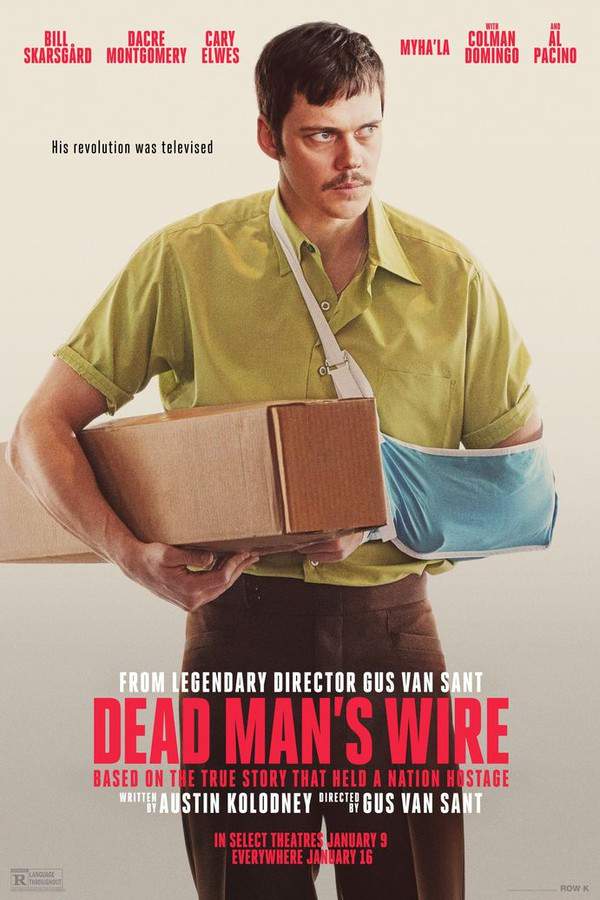
Tony Kiritsis turns the last stage of the hostage crisis into the public hearing he believes the Meridian Mortgage Company denied him. With Richard Hall still attached to the shotgun by the dead man’s wire, Tony faces the press, explains his grievance, and demands that the humiliation and financial pressure he experienced be recognized. The negotiated immunity agreement appears to give him a way out: he removes the wire from Hall’s neck, releases the hostage alive, and fires the shotgun into the ceiling rather than into another person. The authorities arrest him anyway, treating the promise as a device that ended the immediate threat rather than protection they intend to honor. His criminal trial does not produce an ordinary conviction. The jury finds him not guilty by reason of insanity, and he spends approximately eleven years in state psychiatric institutions. The postscript adds a strange final reversal. When officials later prepare to release him, Tony refuses to sign the required papers, resisting freedom when it is presented through another institution’s terms. He eventually returns to life outside confinement and dies in 2005, long after the broadcast siege that made his private dispute national spectacle.
The ending lets several incompatible facts remain true. Tony believes powerful lenders cornered and dismissed him, and the public performance finally forces people to hear that grievance. He also terrorizes Hall, turns the threat of an involuntary trigger into leverage, and makes another man’s body carry the risk of his demand for recognition. Releasing Hall is a meaningful choice, but it does not retroactively make the siege harmless. The broken immunity promise similarly prevents the state from occupying a simple position of moral reliability: officials save the hostage through an assurance they immediately discard, then the courts relocate the case from the language of grievance into the language of mental responsibility. Tony’s later refusal to sign release papers condenses the contradiction. Freedom is what he claimed to be fighting for, yet accepting it would require his signature beneath the authority of the same system that confined and classified him. The film therefore closes without making him either a folk hero vindicated by spectacle or a monster whose original anger can be ignored. He gets the audience he demanded, but never the uncontested meaning he wanted that audience to accept.