Plot Explained Spoilers guaranteed!
Plot Explained

Browse by genre

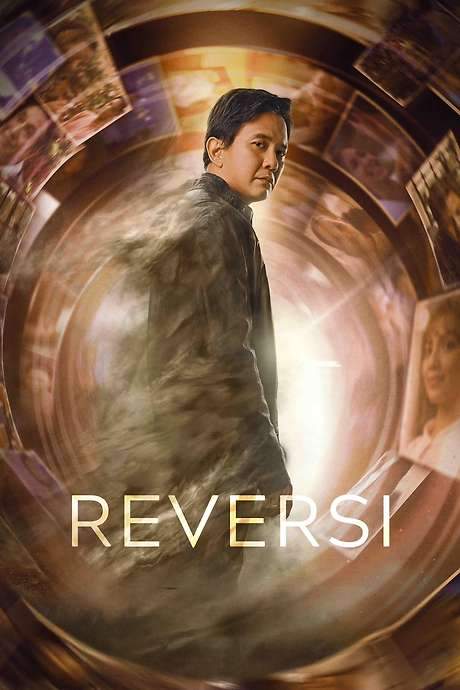
Time Still Turns the Pages (2023) movie poster

Plot Summary

Time Still Turns the Pages (2023) Plot Summary Explained

Release, runtime and language
2023 · 95 mins · Cantonese
Loading streaming availability…
Directed by
Nick Cheuk
Starring
Ronald Cheng, Lo Chun Yip, Hanna Chan, Rachel Leung, Luna Shaw, Koyi Mak

A high school teacher, Cheng, is haunted by repressed childhood memories after discovering a disturbing anonymous suicide note. Determined to prevent another tragedy, he confronts a series of personal challenges, including a failing marriage and the illness of his father. As he struggles to unravel the mystery of the note and protect his students, Cheng must also confront his own past and the complexities of his family.

On this page (7)
  1. 1 Where to watch
  2. 2 What happens: full plot
  3. 3 Plot questions answered
  4. 4 Movie threads
  5. 5 Movies like Time Still Turns the Pages
  6. 6 Categories
  7. 7 Every angle
Loading streaming availability…

Full plot summary · contains spoilers

What Happens in Time Still Turns the Pages: Full Plot Summary

The whole story of Time Still Turns the Pages (2023) explained, from the opening scene to the final frame: every key event, every twist and what it all adds up to. Read it as a quick recap before the sequel, to check a scene you missed, or to finally understand what really happened.

The film unfolds across two intertwined timelines, tracing how a single tragedy echoes through a family and a school, shaping decisions, regrets, and the longing for understanding. At the outset, a child named Cheng Yau-kit, Yukki Tai, sits alone on a condo rooftop, harboring a quiet, aching dream of someday becoming a teacher. The image is the quiet before a tangle of pressures that will stretch across decades.

In the present, a secondary school teacher named Cheng punishes a hearing-impaired student, Vincent Henick Chou for pushing another student down a staircase. When Cheng tries to offer counsel, Vincent scoffs and tells him to deal with his own divorce issues first. The moment takes a darker turn as Cheng discovers a suicide note in the classroom rubbish bin. He reports it to the headmaster, but the vice principal urges him to ignore it, fearing it could rattle the students ahead of the upcoming university entrance exams. In a bid to prevent more harm, Cheng asks Ka-yee, the class monitor Sabrina Ng, to help identify students who might be contemplating suicide, a step that underscores the weight of responsibility on teachers in a high-pressure environment.

The film then shifts into a blistering flashback. Cheng Yau-kit, the son of renowned barrister Cheng Chi-hung Ronald Cheng, is a bright but academically challenged schoolboy. His younger brother, Cheng Yau-chun, is a prodigy who excels in both academics and music. To coax better performance, Yau-kit starts a diary after hearing a respected educator tell Yau-chun that diary writing can help language learning. Yet despite his efforts, Yau-kit’s grades stay stubbornly low, fueling his father’s frustration and his belief that Yau-kit wastes time on manga rather than study. The father’s impatience escalates to harsh punishment, including the moment he throws away Yau-kit’s manga books.

Heidi, the mother [Rosa Maria Velasco], offers a different voice in the home: she suggests a Disneyland trip to California as a prize if Yau-kit can climb into the top 15 in class. The promise becomes a fork in the road, as Yau-kit’s performance continues to slide, ultimately leaving him second to last and forcing him to repeat the grade. Enraged, Chi-hung’s discipline grows more severe, while Yau-chun quietly studies nearby, trying to keep the family’s visible tensions from spilling over.

To try to lift his brother, Yau-chun takes Yau-kit to buy toys and play on the rooftop. The moment is fleetingly joyful, but they are caught, and Heidi scolds Yau-kit alone, leaving Yau-chun to bear the watchful gaze of the adults. When Yau-kit anticipates punishment, Chi-hung appears unusually calm, declaring that he has given up on guiding him. Realizing his family is about to California without him, Yau-kit attempts to cling to Yau-chun, who responds with a casual, almost clinical assurance that he will bring back souvenirs. The decision that follows is devastating: Yau-kit, convinced his family would be happier without him, takes his own life.

The aftermath devastates the household. Chi-hung refuses to disclose the truth, instead letting the narrative he tells the world be that Yau-kit died of an illness, while his guilt and depression deepen. Heidi, overwhelmed by grief, leaves the family. Yau-chun is traumatized, wrestling with regret for not reaching out to his brother and for becoming consumed with appeasing parents and teachers in an environment that prizes academic success above all else. That pressure helps push him toward rebellion and, paradoxically, toward the dream of becoming a teacher himself, a way to honor Yau-kit’s quiet wish in a system that failed to protect him.

Back in the present, the curtain is drawn on the most painful twist: the teacher Cheng is revealed to be Yau-chun, a man who has not spoken to his father for years and who has carried the weight of that unresolved debt. He finally visits Chi-hung, who is now terminally ill. The brothers embrace, crying together as they confront their shared guilt and the long shadow of Yau-kit’s death. Chi-hung’s passing soon after leaves Yau-chun to carry the diary that records their family’s history; he writes down Yau-kit’s story and entrusts it to his estranged wife, Sherry Hanna Chan. He hopes she can bring the family’s truth to a broader audience through her radio drama program, providing a vehicle for meaning where there once was silence.

On graduation day, Cheng leaves his phone number with his students, offering a lifeline to any who might be struggling. The story closes on a hopeful, aching thread: a text arrives from the student who wrote the suicide note, reaching out for counseling from the very teacher who once faced the consequences of inaction instead of protection. The film’s quiet, unresolved tension lingers—an invitation to reflect on the costs of pressure, the power of reconciliation, and the possibility of healing through honest storytelling.


Last updated: October 01, 2025 at 10:22

Was this helpful?

Plot questions answered

Time Still Turns the Pages Plot Explained: Your Questions Answered

The questions people ask most about Time Still Turns the Pages (2023): what happens in the confusing scenes, why the characters do what they do, the twists, hidden details and what the ending means. Each answer contains spoilers.

Q1

Why does Yau-kit commit suicide in the film?

Yau-kit takes his own life after convinced his family will leave for California without him. His father Chi-hung has been increasingly harsh, even stating he has given up on Yau-kit. When his brother Yau-chun casually says he will bring back souvenirs from the trip, Yau-kit interprets this as confirmation that he will be abandoned. The cumulative pressure from academic failure, harsh punishment, and perceived abandonment becomes unbearable.

Foreshadowing: Earlier scenes show Yau-kit sitting alone on the rooftop, mirroring the opening scene where an adult sits despondently on a condo rooftop.

  • yau-kit suicide
  • child suicide
  • family abandonment
  • academic pressure
Q2

How is Cheng actually Yau-chun?

The teacher Cheng is revealed to be Cheng Yau-chun, the older brother who survived. Decades after his brother Yau-kit's suicide, Yau-chun became a teacher under the name Cheng, presumably using a variation of his family name. He has carried the guilt of not protecting his brother and has been estranged from his father Chi-hung for years.

Foreshadowing: The opening rooftop scene shows a child dreaming of becoming a teacher, hinting at Yau-kit's wish that Yau-chun later fulfills.

  • cheng identity
  • yau-chun
  • teacher reveal
  • twist
Q3

Why does Chi-hung lie about how Yau-kit died?

Chi-hung lies about Yau-kit's death, telling everyone it was an illness rather than suicide, likely to protect the family's reputation and avoid the stigma surrounding suicide. This lie also prevents the family from openly addressing the psychological factors that led to the tragedy, instead burying the truth and allowing guilt to fester unaddressed.

Foreshadowing: The father shows unusual calm when saying he has given up on Yau-kit, hinting at his tendency to avoid emotional confrontation.

  • chi-hung lie
  • cause of death
  • family secret
  • cover-up
Q4

Why does Yau-chun become a teacher?

Yau-chun becomes a teacher to honor his brother Yau-kit's dream. In the opening scene, young Yau-kit sits on a rooftop dreaming of becoming a teacher someday. After Yau-kit's death, Yau-chun decides to pursue that dream as a way to keep his brother's memory alive and to potentially help students in a system that failed his brother.

Foreshadowing: The film opens with Yau-kit on the rooftop expressing his dream of teaching, which directly motivates Yau-chun's career choice.

  • yau-chun teacher
  • become teacher
  • brother's dream
  • motivation
Q5

Why does Heidi leave the family after Yau-kit's death?

Heidi, the mother, becomes overwhelmed by grief following Yau-kit's suicide and eventually leaves the family. The tragedy, combined with Chi-hung's decision to lie about the cause of death and the overall family dynamics that contributed to the pressure on Yau-kit, proves too much for her to bear.

Foreshadowing: Heidi is shown offering comfort and a Disneyland reward to Yau-kit, contrasting with the father's harshness, making her eventual departure more emotionally impactful.

  • heidi leaves
  • mother leaves
  • family breakdown
  • grief
Q6

What is the significance of the diary in the movie?

The diary becomes a central symbol of Yau-kit's attempt to improve academically after advice from an educator. After Yau-kit's death, his diary passes to Yau-chun, who continues writing in it. Before dying, Chi-hung gives the diary to Yau-chun, who then entrusts it to his estranged wife Sherry, hoping she can share the family's story through her radio drama program.

Foreshadowing: Yau-kit starts diary writing specifically after hearing a respected educator recommend it as a language learning tool.

  • diary
  • yau-kit diary
  • family history
  • radio drama
Q7

Why has Cheng been estranged from his father for years?

Cheng (Yau-chun) has not spoken to his father Chi-hung for years due to the unresolved trauma of Yau-kit's death. Both father and son carry deep guilt, Chi-hung for his harsh treatment and lies, Yau-chun for not reaching out to his brother in time. Their estrangement represents the family's broken communication that has persisted since the tragedy.

Foreshadowing: The flashback shows the tension between Chi-hung and Yau-kit, with Yau-chun caught in the middle, establishing the fractured family dynamic.

  • estranged father
  • chi-hung relationship
  • family conflict
  • guilt
Q8

How does the present-day suicide note connect to Yau-kit's story?

The discovery of the suicide note in Cheng's classroom triggers his investigation and mirrors the past tragedy. Just as Yau-kit wrote about his despair, a current student has written a similar note. This parallel motivates Cheng to take action, unlike when he was a child who couldn't save his brother, he now actively works to identify and help at-risk students.

Foreshadowing: The note's discovery happens early in the present-day timeline, setting up the thematic connection to the past suicide.

  • suicide note
  • present day
  • parallel
  • student safety
Q9

What happens at the end of the film?

After reconciling with his dying father, Chi-hung passes away. Cheng leaves his phone number with students on graduation day, offering a lifeline to those struggling. The film ends hopefully when Cheng receives a text from the student who wrote the suicide note, seeking counseling. This closing moment suggests the cycle of silence and tragedy may finally be breaking.

Foreshadowing: Cheng's decision to leave his contact information directly contrasts with the past, where no adult intervention saved Yau-kit.

  • ending
  • graduation
  • text message
  • hope
  • counseling
Q10

What does the title Time Still Turns the Pages mean?

The title refers to how the past continues to shape the present through memory, guilt, and unresolved trauma. Time does not erase the events or their consequences, Yau-kit's death continues to affect the family decades later. Yet the title also suggests possibility: time allows for reconciliation, healing, and new chapters, as shown when Cheng finally confronts his father and a student reaches out for help.

Foreshadowing: The non-linear narrative literally shows time turning between past and present, with each timeline influencing the other.

  • title meaning
  • theme
  • healing
  • time
  • reconciliation

Movie threads

More Movies Like Time Still Turns the Pages, by Mood & Story

Curated lists built around what makes Time Still Turns the Pages tick: the same mood, the same kind of story or the same emotional payoff. Each list explains why these movies belong together.

Movies about confronting repressed trauma like Time Still Turns the Pages

Characters forced to confront repressed childhood memories to resolve a present-day crisis. If you were moved by how Time Still Turns the Pages connects past trauma to present healing, you'll appreciate these films. This list features movies where characters must unravel buried childhood memories to solve a current problem, often featuring complex timelines and heavy emotional weight.

  • psychological
  • reflective
  • tense
  • grieving
  • introspective
  • hopeful
  • Tone: melancholic, reflective, tense
  • Pacing: steady, methodical
Why these movies?

The story pattern: Stories in this thread typically follow a protagonist facing a current challenge—a mystery, a failing relationship, or a personal crisis—that has its roots in a deeply buried traumatic event. The plot unfolds through a dual timeline, where revelations from the past directly inform actions in the present, culminating in a cathartic, often bittersweet, confrontation with the truth.

Why they belong together: These films are grouped together because they share a specific narrative pattern: the interweaving of past and present to explore the long-term effects of trauma. They create a powerful, reflective mood through their structural complexity and focus on the difficult but necessary process of remembering and healing.

Emotionally heavy bittersweet dramas like Time Still Turns the Pages

Emotionally heavy stories steeped in sadness that ultimately find a glimmer of hope. For viewers who appreciated the melancholic tone and bittersweet ending of Time Still Turns the Pages. This collection gathers movies that are emotionally heavy and somber, yet ultimately offer a sense of hard-won hope or reconciliation, leaving a profound and thoughtful impact.

  • somber
  • melancholic
  • grieving
  • reflective
  • heavy
  • hopeful
  • Tone: melancholic, bittersweet
  • Pacing: steady, deliberate
Why these movies?

The story pattern: The narrative journey in these films is characterized by a pervasive sense of sadness and introspection as characters grapple with profound grief, failure, or trauma. The pacing is often steady, allowing the emotional weight to build. The climax does not erase the pain but finds a meaningful way forward, resulting in an ending that is poignant and realistically hopeful rather than bleak.

Why they belong together: This thread groups movies based on their shared emotional palette: a dominant melancholic tone, high emotional weight, and a concluding feeling that is bittersweet. They provide a specific viewing experience for those seeking stories that are deeply moving but avoid utter despair, finding light in the darkness.

If you liked this

Movies Like Time Still Turns the Pages

Similar movies to Time Still Turns the Pages: the same genre, themes or kind of story. Each one comes with its own plot summary, timeline and ending explained.

Browse all movie summaries

Categories

Movie Lists Featuring Time Still Turns the Pages

Time Still Turns the Pages appears in these hand-built movie categories. Each one groups movies by a specific mood, theme or story type, with their plot summaries and endings explained.

View all movie categories

Every angle

Time Still Turns the Pages (2023) Explained: Plot, Timeline & Characters

Everything about Time Still Turns the Pages in one place: what happens in the plot summary, the timeline in chronological order, the characters and meaning and a spoiler-free summary. What's After the Movie adds the cast, box office and post-credit scenes.

Coming soon on iOS and Android

The Plot Explained Movie Summary App

Plot summaries, endings explained and timelines on your phone. Catch up on any movie in minutes, save your favorites and never miss a twist again.

Be the first to know when we launch. Your email stays private, always.

Learn more about the app