Plot Explained Spoilers guaranteed!
Plot Explained

Browse by genre

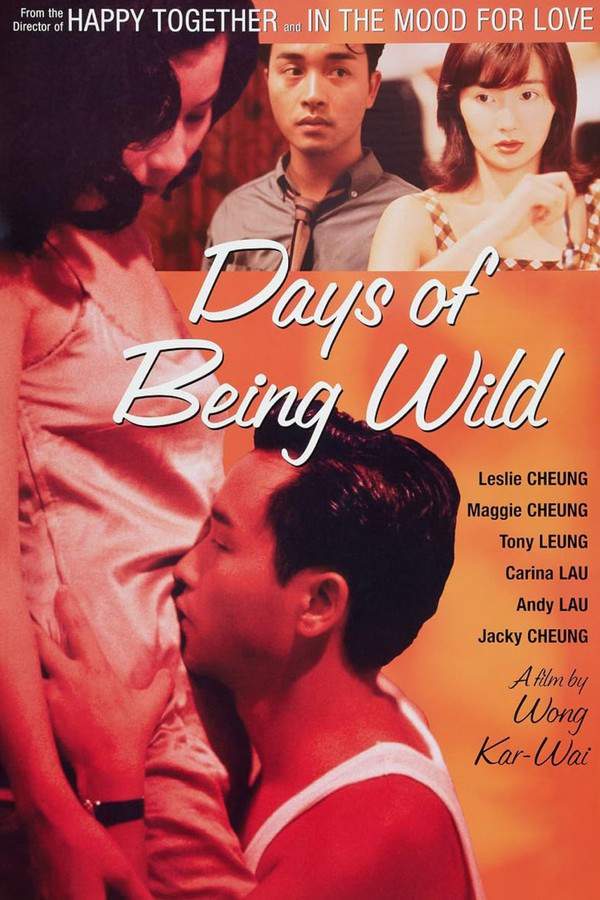
Days of Being Wild (re-release) (2004) movie poster

Characters & Themes

Days of Being Wild (re-release) (2004) Characters, Setting & Themes Explained

Release, runtime and language
2004 · 94 min · Chinese
Loading streaming availability…
Directed by
Kar Wai Wong

Set in 1960s Hong Kong, this film explores the lives of six individuals whose paths intersect amidst a backdrop of neon lights and period music. It’s a lyrical story of unrequited love, fleeting connections, and the search for intimacy, portraying a poignant and evocative portrait of a specific time and place. The characters grapple with longing and loss as they navigate the complexities of relationships in a vibrant and rapidly changing city.

On this page (7)
  1. 1 Where to watch
  2. 2 Characters explained (6)
  3. 3 Where & when it takes place
  4. 4 Themes & meaning (3)
  5. 5 Character & meaning questions
  6. 6 Movie threads
  7. 7 Every angle
Loading streaming availability…

6 main characters · contains spoilers

Days of Being Wild (re-release) Characters Explained: Who Is Who

The main characters of Days of Being Wild (re-release) (2004), heroes and villains: what drives them, how they change over the course of the story and what each of them reveals about the film's bigger ideas.

  • Yuddy

    Yuddy is a charming but emotionally unavailable playboy whose flings lead to heartbreak for those around him. His journey reflects deep-seated issues with commitment and identity, as he struggles to bridge the gap between his carefree lifestyle and the deeper connections he ultimately craves.

    • 💔 Heartbreaker
    • 🌍 Lost
  • Li-zhen

    Li-zhen is a woman caught in a web of Yuddy's whims, showcasing vulnerability and longing. As she navigates the pain of unreciprocated love, her character underscores the theme of heartbreak and the search for meaningful connection amidst emotional turbulence.

    • 💞 Heartfelt
    • 🌹 Vulnerable
  • Tide

    Tide is a devoted policeman with dreams beyond his current reality, representing the quiet strength in pursuit of hope and change. His relationship with Li-zhen and connection with Yuddy highlight themes of companionship and unfulfilled desires.

    • ⛵ Dreamer
    • 🕵️‍♂️ Protector
  • Mimi

    Mimi is a lively cabaret dancer who embodies excitement and longing. Her desire for Yuddy juxtaposes with her eventual determination to seek him out, reflecting the unpredictability of love and the will to chase after it, even in adversity.

    • 🎶 Adventurous
    • 💃 Spirited
  • Zeb

    Zeb is caught in the throes of unrequited love for Mimi, showcasing the emotional depths of longing and jealousy. His actions reveal a complex interplay between friendship and desire, as he supports Mimi while grappling with his own feelings.

    • 😞 Unrequited
    • 🤝 Friend
  • Rebecca

    Rebecca is Yuddy's adoptive mother, a figure of complexity and contradiction. Her struggles as a former prostitute and her relationship with Yuddy present themes of exploitation, motherhood, and the consequences of past choices on present relationships.

    • 👩‍👦 Mother
    • 🌪️ Complex

Last updated: October 22, 2024 at 21:22

Was this helpful?

Setting

Where and When Does Days of Being Wild (re-release) Take Place?

The setting of Days of Being Wild (re-release) (2004): the year and time period, the places and locations, and how they shape the characters, the mood and the tension of the story.

Time period

1960s

The film takes place in the early 1960s, a time marked by social change and a burgeoning pop culture in various global contexts. The decade was characterized by exploration of personal identities, shifting relationships, and the emergence of a youthful generation seeking freedom and adventure.

Location

Hong Kong, Philippines

The story is set against the backdrop of 1960 Hong Kong, a vibrant city known for its cultural fusion and bustling nightlife. The narrative then shifts to the Philippines, recognized for its beautiful landscapes and complex social dynamics, where significant parts of Yuddy's quest for identity unfold.

  • 🏙️ City
  • 🌴 Island

Last updated: October 22, 2024 at 21:22

Was this helpful?

3 major themes

Days of Being Wild (re-release) Meaning: Themes & Message Explained

What is Days of Being Wild (re-release) (2004) really about? The emotional, social and philosophical themes the film keeps returning to, its symbolism and the message beneath the surface.

  • Heartbreak

    Heartbreak is a central theme as characters navigate their romantic relationships and personal connections. Yuddy's inability to commit leads to emotional turmoil for Li-zhen and Mimi, showcasing the pain of unrequited love and the scars left by past relationships.

  • Identity

    The quest for identity is poignantly explored as Yuddy grapples with his origins and the complexities of his family relationships. His journey to discover his birth mother signifies a deeper search for self-acceptance and understanding of his place in the world.

  • Conflict

    Conflict arises both internally and externally, impacting character relationships significantly. Yuddy's tumultuous interactions with his adoptive mother and the violent climax reveals the destructive potential of unresolved issues and personal demons.

Last updated: October 22, 2024 at 21:22

Was this helpful?

Character & theme questions

Days of Being Wild (re-release) Characters & Meaning: Your Questions Answered

The questions people ask about Days of Being Wild (re-release) (2004): who the characters really are, their relationships, what the symbols mean, where it takes place and what the movie is really about. Each answer contains spoilers.

Q1

Where is Days of Being Wild set?

The movie is set primarily in 1960s Hong Kong, depicting the city's neon-lit nightlife and bustling urban environment. The story then shifts to the Philippines, where Yuddy travels as part of his personal quest. This shift from the vibrant city to the more rustic Philippine setting reflects the character's search for identity and his journey away from his past.

Foreshadowing: Early scenes of Hong Kong's nightlife establish the world Yuddy will eventually leave behind.

  • hong kong
  • philippines
  • setting
  • locations
  • 1960s city
Q2

What time period does the movie take place in?

Days of Being Wild is set in the early 1960s, a period characterized by social change and cultural exploration. The decade saw a burgeoning pop culture globally, with young people seeking freedom and adventure. This era of transition and personal identity exploration directly informs the characters' struggles with commitment and self-discovery.

  • 1960s
  • time period
  • era
  • 1960s hong kong
Q3

What are the main themes in the movie?

The film explores three major themes: heartbreak, as characters experience unrequited love and emotional pain; identity, particularly through Yuddy's search for his birth mother and sense of self; and conflict, both internal and external, which drives the characters' tumultuous relationships. These themes interweave to create a melancholic portrait of longing and loss.

  • themes
  • heartbreak
  • identity
  • conflict
  • love
  • loss
Q4

How does the film portray heartbreak?

Heartbreak is central to the narrative, shown through Yuddy's inability to commit, which causes deep emotional pain to Li-zhen and Mimi. The movie depicts the scars left by past relationships and the complexity of unrequited love. Characters are trapped in cycles of longing and disappointment, with romance consistently framed through the lens of yearning rather than fulfillment.

  • heartbreak
  • unrequited love
  • emotional pain
  • relationships
Q5

What role does identity play in the story?

Identity is explored through Yuddy's journey to discover his birth mother, representing a deeper search for self-acceptance and understanding of his place in the world. His struggle to reconcile his carefree lifestyle with his need for deeper connections reflects a broader search for personal meaning. The film examines how one's origins and family relationships shape identity.

  • identity
  • self-discovery
  • birth mother
  • origins
  • Yuddy
Q6

Who is Yuddy and what defines his character?

Yuddy is a charming but emotionally unavailable playboy whose romantic entanglements leave heartbreak in their wake. He struggles with commitment and identity, caught between his carefree lifestyle and his longing for meaningful connections. His journey represents a search for self-acceptance and understanding of where he belongs in the world.

  • yuddy
  • protagonist
  • playboy
  • character
  • identity
Q7

Who is Li-zhen in the story?

Li-zhen is a woman who becomes entangled in Yuddy's whims, showcasing vulnerability and deep longing. She represents the pain of unreciprocated love and searches for meaningful connection amid emotional turbulence. Her character underscores the film's themes of heartbreak and the search for genuine intimacy.

  • li-zhen
  • character
  • love interest
  • heartbreak
Q8

Who is Rebecca in relation to Yuddy?

Rebecca is Yuddy's adoptive mother, a former prostitute whose past shapes her complex relationship with him. Her character presents themes of exploitation, motherhood, and how past choices continue to impact present relationships. The tension between them reveals the destructive potential of unresolved family issues.

  • rebecca
  • adoptive mother
  • family
  • Yuddy's mother
Q9

What is the tone and style of the film?

The film has a melancholic tone, emphasizing unfulfilled desires, transient relationships, and a pervasive sense of loneliness. The pacing is slow, with emphasis on mood, atmosphere, and character introspection rather than plot-driven action. The director uses this contemplative approach to explore emotional complexity and build a poetic portrait of a specific time and place.

  • tone
  • style
  • mood
  • atmosphere
  • director
  • pacing
  • melancholic
Q10

Is the ending of the movie ambiguous?

Yes, the ending is intentionally ambiguous, leaving the fates of several characters uncertain. A ringing phone and Mimi's ongoing search for Yuddy leave questions unanswered. The film concludes with a haunting, unresolved image that reflects the characters' ongoing struggles with identity and connection.

  • ending
  • ambiguous
  • conclusion
  • unresolved
  • fate

Movie threads

More Movies Like Days of Being Wild (re-release), by Mood & Story

Curated lists built around what makes Days of Being Wild (re-release) tick: the same mood, the same kind of story or the same emotional payoff. Each list explains why these movies belong together.

Movies like Days of Being Wild (re-release) with melancholic romance

Atmospheric stories of longing and unfulfilled connections in vivid locales. For viewers who liked the romantic yearning and melancholic mood of Days of Being Wild (re-release), this collection features similar films. These movies share a focus on unfulfilled love, atmospheric settings, and a poignant, introspective tone that explores the complexities of human connection.

  • melancholic
  • romantic
  • yearning
  • nostalgic
  • poignant
  • atmospheric
  • Tone: melancholic, romantic, poignant
  • Pacing: slow, deliberate
Why these movies?

The story pattern: Stories in this thread typically follow characters grappling with deep-seated loneliness and a desire for intimacy that remains just out of reach. The narrative often weaves together multiple perspectives, showing how chance encounters and missed opportunities shape lives, leading to emotionally resonant but ultimately bittersweet or ambiguous conclusions.

Why they belong together: Movies are grouped here based on their shared emotional core of yearning, their melancholic and nostalgic tone, and their focus on the beauty and pain of transient relationships. They prioritize mood and character introspection over fast-paced plot, creating a similarly reflective and poignant viewing experience.


Movies about interconnected urban lives like Days of Being Wild (re-release)

Stories of lonely souls whose paths cross in a sprawling city. If you enjoyed the way Days of Being Wild (re-release) wove together the stories of its characters in 1960s Hong Kong, you'll find similar narratives here. These films explore urban alienation, fleeting connections, and the search for identity through multiple intersecting storylines in a specific time and place.

  • interconnected
  • urban
  • alienation
  • lonely
  • atmospheric
  • character-driven
  • Tone: melancholic, uncertain, introspective
  • Pacing: slow, character-driven
Why these movies?

The story pattern: The narrative pattern involves a ensemble cast of characters, each dealing with their own personal struggles with alienation or identity. Their stories unfold separately but intersect in meaningful, often subtle ways, illustrating how individual lives are shaped by the anonymous yet intimate nature of city life. The structure emphasizes theme and mood over a single driving plot.

Why they belong together: These films are connected by their multi-character, mosaic-like narrative structure, their thematic focus on urban alienation and the search for connection, and their use of a specific time and place to create a powerful sense of atmosphere. They share a moderate narrative complexity and a contemplative pace.

Every angle

Days of Being Wild (re-release) (2004) Explained: Plot, Timeline & Characters

Everything about Days of Being Wild (re-release) in one place: what happens in the plot summary, the timeline in chronological order, the characters and meaning and a spoiler-free summary. What's After the Movie adds the cast, box office and post-credit scenes.

Coming soon on iOS and Android

The Plot Explained Movie Summary App

Plot summaries, endings explained and timelines on your phone. Catch up on any movie in minutes, save your favorites and never miss a twist again.

Be the first to know when we launch. Your email stays private, always.

Learn more about the app