Plot Explained Spoilers guaranteed!
Plot Explained

Browse by genre

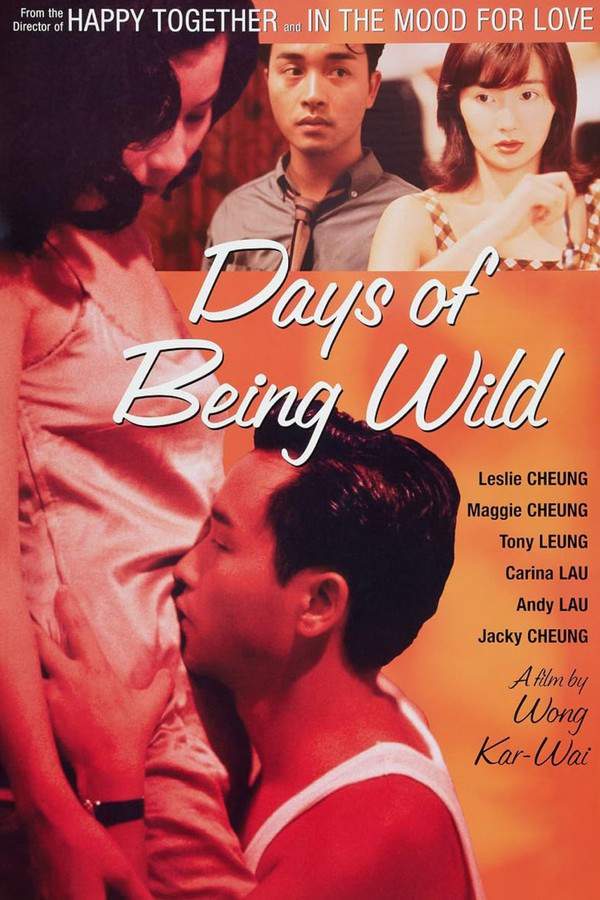
Days of Being Wild (re-release) (2004) movie poster

Plot Summary

Days of Being Wild (re-release) (2004) Plot Summary Explained

Release, runtime and language
2004 · 94 min · Chinese
Loading streaming availability…
Directed by
Kar Wai Wong

Set in 1960s Hong Kong, this film explores the lives of six individuals whose paths intersect amidst a backdrop of neon lights and period music. It’s a lyrical story of unrequited love, fleeting connections, and the search for intimacy, portraying a poignant and evocative portrait of a specific time and place. The characters grapple with longing and loss as they navigate the complexities of relationships in a vibrant and rapidly changing city.

On this page (5)
  1. 1 Where to watch
  2. 2 What happens: full plot
  3. 3 Plot questions answered
  4. 4 Movie threads
  5. 5 Every angle
Loading streaming availability…

Full plot summary · contains spoilers

What Happens in Days of Being Wild (re-release): Full Plot Summary

The whole story of Days of Being Wild (re-release) (2004) explained, from the opening scene to the final frame: every key event, every twist and what it all adds up to. Read it as a quick recap before the sequel, to check a scene you missed, or to finally understand what really happened.

The story unfolds in 1960 Hong Kong, where we meet Yuddy, a charming playboy whose flirtations lead him to Li-zhen. Despite their connection, Yuddy lacks the desire for a serious relationship, leaving Li-zhen heartbroken and prompting her to depart. In search of a new adventure, Yuddy throws himself into a relationship with the lively cabaret dancer Mimi. However, his friend Zeb is also smitten with her, though she doesn’t return his affections.

As Yuddy navigates his romantic entanglements, he battles a strained relationship with his adoptive mother Rebecca, a former prostitute. Her revelation about his adoption creates tension between them, particularly after she chooses younger partners whom he believes are exploiting her wealth. Although she initially withholds information about his birth mother, she eventually discloses that she resides in the Philippines.

Finding comfort from her heartbreak, Li-zhen confides in Tide, a policeman stationed near Yuddy’s home. Tide, who harbors dreams of becoming a sailor, opts for police work to care for his mother. Their discussions touch on failed romances, upcoming weddings, and a longing for home. Li-zhen, who sells tickets at a soccer stadium, offers Tide a complimentary ticket to a game, and he encourages her to reach out through a nearby phone booth should she ever need support. Though their connection is palpable, it never fully blossoms. Following his mother’s death, Tide embarks on his journey as a sailor.

Meanwhile, Yuddy pursues the truth about his origins and heads to the Philippines, leaving Zeb with his car, all while keeping Mimi in the dark. Distressed by his departure, Mimi vows to track him down. Zeb, still yearning for her love, sells Yuddy's car to fund her journey, advising her to return to him if she fails to find Yuddy. Upon arrival in the Philippines, Yuddy seeks out his birth mother, only to be rejected when she refuses to see him.

In a twist of fate, Tide, now a sailor during a brief stop in the Philippines, encounters a intoxicated Yuddy sprawled on the street and brings him to his hotel. Not recognizing him in his drunken state, Yuddy accepts Tide's help. However, a scuffle arises at the train station over the payment for an American passport, resulting in Yuddy stabbing a man. Tide intervenes, and they manage to escape on a train. Tide, curious about Yuddy’s past, prompts him to reflect on a significant moment from his time with Li-zhen. He advises Yuddy to remain silent about it to her. Unfortunately, when Tide returns from speaking with the train conductor, he discovers that Yuddy has been fatally shot.

The film concludes with a sequence of unfolding events: Mimi, now in the Philippines, and Li-zhen tidying up her ticket stall, while a phone rings in the booth, signaling an unsettling uncertainty about the characters’ destinies. In the final shot, a young man is seen, poised and smoking, deep in thought in a dimly lit room, creating a haunting sense of intrigue.
Last updated: November 16, 2024 at 18:45

Was this helpful?

Plot questions answered

Days of Being Wild (re-release) Plot Explained: Your Questions Answered

The questions people ask most about Days of Being Wild (re-release) (2004): what happens in the confusing scenes, why the characters do what they do, the twists, hidden details and what the ending means. Each answer contains spoilers.

Q1

Why does Yuddy leave Li-zhen after their connection?

Yuddy lacks the desire for a serious relationship. Despite his charm and the genuine connection he shares with Li-zhen, he is not ready to commit to her emotionally, which is why he never pursues a deeper relationship with her. This pattern of emotional avoidance defines his character throughout the film.

Foreshadowing: Early scenes show Yuddy's flirtatious nature with multiple women, hinting at his inability to commit.

  • yuddy
  • li-zhen
  • relationship
  • commitment
  • romance
Q2

Why does Yuddy travel to the Philippines?

Yuddy travels to the Philippines to find his birth mother after his adoptive mother Rebecca reveals her location. This quest stems from his identity crisis and desire to understand his origins, especially after learning he was adopted. His search is driven by a need to fill the emotional void he has felt his entire life.

Foreshadowing: Rebecca's revelation about his adoption and her initial refusal to share his birth mother's location plant the seeds for this journey.

  • yuddy
  • philippines
  • birth mother
  • adoption
  • identity
Q3

What happens when Yuddy tries to meet his birth mother in the Philippines?

When Yuddy arrives in the Philippines and seeks out his birth mother, she refuses to see him. This rejection devastates Yuddy, deepening his existential crisis and sense of abandonment. He is turned away without any explanation, leaving him more confused about his identity than before.

Foreshadowing: Rebecca's hesitation to reveal the location suggests a complicated history that would explain the rejection.

  • yuddy
  • birth mother
  • rejection
  • philippines
  • abandonment
Q4

Why does Tide help Yuddy when he finds him drunk in the Philippines?

Tide encounters Yuddy intoxicated on a Philippine street and brings him to his hotel, not recognizing him due to Yuddy's drunken state. This chance meeting is coincidental, though Tide's caring nature and his shared history with Li-zhen (who was connected to Yuddy) may subconsciously drive his compassion. Tide's act of kindness ultimately leads to their fatal journey together.

Foreshadowing: Tide's conversations with Li-zhen reveal his empathetic character and his dreams of becoming a sailor, which eventually brings him to the Philippines.

  • tide
  • yuddy
  • philippines
  • help
  • coincidence
Q5

How does Yuddy die at the end?

Yuddy is fatally shot while on a train in the Philippines. The shooting occurs during a violent confrontation at the train station over payment for an American passport, where Yuddy stabs a man. After escaping on the train with Tide, Yuddy is shot when Tide momentarily leaves to speak with the train conductor. The exact shooter remains ambiguous, adding to the film's mysterious atmosphere.

Foreshadowing: The confrontation at the train station escalates quickly, showing Yuddy's tendency to engage in dangerous situations.

  • yuddy
  • death
  • shot
  • train
  • philippines
Q6

Why does Rebecca initially keep Yuddy's adoption a secret?

Rebecca, Yuddy's adoptive mother and former prostitute, reveals his adoption only when pressed, suggesting she feared this knowledge would damage their relationship. Her initial silence may stem from guilt or a desire to protect him from the truth about his abandonment. The revelation creates significant tension between them, especially as Yuddy disapproves of her younger lovers.

Foreshadowing: Their strained relationship is evident early on, with Yuddy criticizing her choices of partners.

  • rebecca
  • adoption
  • yuddy
  • secret
  • family
Q7

What is the relationship between Mimi and Zeb?

Mimi is a cabaret dancer whom Yuddy dates after leaving Li-zhen. Zeb, Yuddy's friend, is also in love with Mimi, but she does not return his feelings. When Yuddy leaves for the Philippines without telling Mimi, Zeb sells Yuddy's car to fund Mimi's journey to find him, hoping she will return to Zeb if she fails to find Yuddy. This reveals Zeb's lingering hope for her affection despite her rejection.

Foreshadowing: Zeb's jealousy is visible early in their interactions at the cabaret.

  • mimi
  • zeb
  • yuddy
  • love triangle
  • support
Q8

Why does Tide become a sailor instead of staying in Hong Kong?

Tide always dreamed of becoming a sailor, but he chose police work to care for his mother. After his mother dies, he finally pursues his lifelong dream and sets sail. His journey to the Philippines as a sailor is what brings him into contact with Yuddy, creating the tragic intersection of their fates.

Foreshadowing: Tide's conversations with Li-zhen reveal his longing for the sea and his sacrifice in staying for his mother.

  • tide
  • sailor
  • mother
  • police
  • dream
Q9

What does the ringing phone at the end signify?

The ringing phone in the booth at the film's conclusion remains ambiguous. It could represent a missed connection between characters, unanswered calls, or the lingering uncertainty of their fates. Neither Li-zhen (who is tidying her ticket stall) nor anyone else answers it, emphasizing the theme of unfulfilled communication and lost opportunities that permeates the film.

Foreshadowing: Tide had told Li-zhen to use the phone booth should she ever need support, but their connection never fully developed.

  • phone
  • ending
  • ambiguity
  • connection
  • unanswered
Q10

Why does Yuddy stab the man at the train station?

Yuddy becomes involved in a confrontation at the train station while trying to pay for an American passport. The argument escalates into violence, leading Yuddy to stab the man. This aggressive response reflects his desperate state after being rejected by his birth mother, showing how his emotional turmoil manifests in reckless behavior.

Foreshadowing: Yuddy's emotional deterioration is evident after his rejection in the Philippines.

  • yuddy
  • stab
  • train station
  • passport
  • violence
Q11

What is the connection between Li-zhen and Tide?

Li-zhen, heartbroken by Yuddy, confides in Tide, a policeman stationed near Yuddy's home. They discuss failed romances, upcoming weddings, and their longing for home. Tide offers her support, giving her his phone booth location for when she needs help. Though their connection is palpable, it never fully blossoms into romance. After his mother's death, Tide leaves to become a sailor, and they part ways.

Foreshadowing: Their conversations about loneliness and searching for something more hint at their mutual attraction.

  • li-zhen
  • tide
  • relationship
  • connection
  • loneliness
Q12

Why does Mimi travel to the Philippines to find Yuddy?

Mimi goes to the Philippines after Yuddy abruptly leaves without informing her of his plans. Determined to find him, she uses the money Zeb gave her from selling Yuddy's car. Her journey represents loyalty and the challenges of unrequited love, as she pursues a man who never fully committed to her.

Foreshadowing: Mimi's distress at Yuddy's sudden departure signals her deep feelings for him.

  • mimi
  • philippines
  • search
  • yuddy
  • loyalty
Q13

Why does the film end with such ambiguity?

The ending leaves multiple storylines unresolved, including whether Mimi finds Yuddy (who is already dead), whether Li-zhen ever answers the ringing phone, and what happens to the young man seen deep in thought in the final shot. This ambiguity reflects the film's themes of fleeting connections, unfulfilled desires, and the uncertainty of fate. The director uses this open ending to emphasize how relationships in the film remain incomplete and transient.

Foreshadowing: The film's melancholic tone and slow pacing consistently emphasize loss and incomplete connections throughout.

  • ending
  • ambiguity
  • fate
  • uncertainty
  • resolution

Movie threads

More Movies Like Days of Being Wild (re-release), by Mood & Story

Curated lists built around what makes Days of Being Wild (re-release) tick: the same mood, the same kind of story or the same emotional payoff. Each list explains why these movies belong together.

Movies like Days of Being Wild (re-release) with melancholic romance

Atmospheric stories of longing and unfulfilled connections in vivid locales. For viewers who liked the romantic yearning and melancholic mood of Days of Being Wild (re-release), this collection features similar films. These movies share a focus on unfulfilled love, atmospheric settings, and a poignant, introspective tone that explores the complexities of human connection.

  • melancholic
  • romantic
  • yearning
  • nostalgic
  • poignant
  • atmospheric
  • Tone: melancholic, romantic, poignant
  • Pacing: slow, deliberate
Why these movies?

The story pattern: Stories in this thread typically follow characters grappling with deep-seated loneliness and a desire for intimacy that remains just out of reach. The narrative often weaves together multiple perspectives, showing how chance encounters and missed opportunities shape lives, leading to emotionally resonant but ultimately bittersweet or ambiguous conclusions.

Why they belong together: Movies are grouped here based on their shared emotional core of yearning, their melancholic and nostalgic tone, and their focus on the beauty and pain of transient relationships. They prioritize mood and character introspection over fast-paced plot, creating a similarly reflective and poignant viewing experience.

Movies about interconnected urban lives like Days of Being Wild (re-release)

Stories of lonely souls whose paths cross in a sprawling city. If you enjoyed the way Days of Being Wild (re-release) wove together the stories of its characters in 1960s Hong Kong, you'll find similar narratives here. These films explore urban alienation, fleeting connections, and the search for identity through multiple intersecting storylines in a specific time and place.

  • interconnected
  • urban
  • alienation
  • lonely
  • atmospheric
  • character-driven
  • Tone: melancholic, uncertain, introspective
  • Pacing: slow, character-driven
Why these movies?

The story pattern: The narrative pattern involves a ensemble cast of characters, each dealing with their own personal struggles with alienation or identity. Their stories unfold separately but intersect in meaningful, often subtle ways, illustrating how individual lives are shaped by the anonymous yet intimate nature of city life. The structure emphasizes theme and mood over a single driving plot.

Why they belong together: These films are connected by their multi-character, mosaic-like narrative structure, their thematic focus on urban alienation and the search for connection, and their use of a specific time and place to create a powerful sense of atmosphere. They share a moderate narrative complexity and a contemplative pace.

Every angle

Days of Being Wild (re-release) (2004) Explained: Plot, Timeline & Characters

Everything about Days of Being Wild (re-release) in one place: what happens in the plot summary, the timeline in chronological order, the characters and meaning and a spoiler-free summary. What's After the Movie adds the cast, box office and post-credit scenes.

Coming soon on iOS and Android

The Plot Explained Movie Summary App

Plot summaries, endings explained and timelines on your phone. Catch up on any movie in minutes, save your favorites and never miss a twist again.

Be the first to know when we launch. Your email stays private, always.

Learn more about the app