Plot Explained Spoilers guaranteed!
Plot Explained

Browse by genre

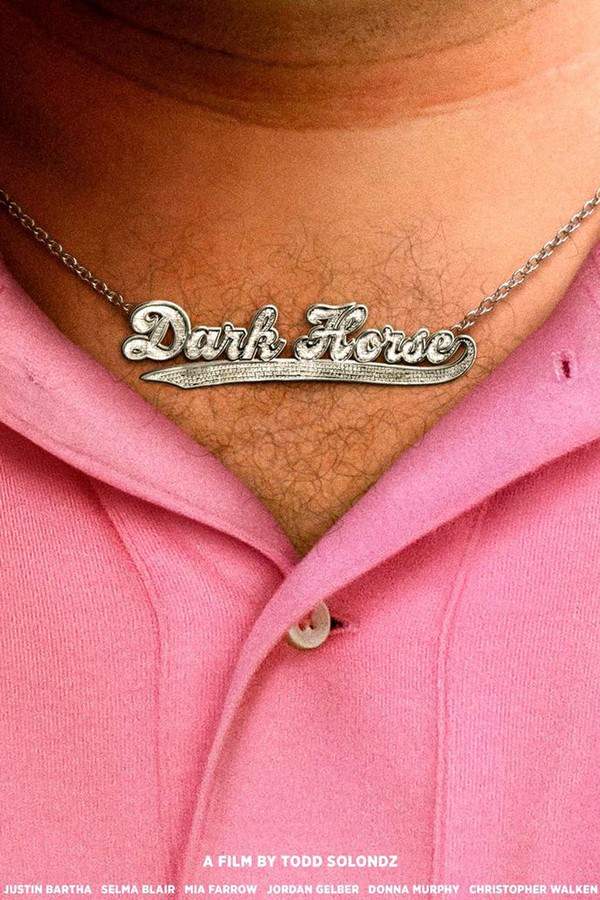
Dark Horse (2012) movie poster

Characters & Themes

Dark Horse (2012) Characters, Setting & Themes Explained

Release, runtime and language
2012 · 86 min · English
Loading streaming availability…
Directed by
Todd Solondz
Starring
Christopher Walken, Selma Blair, Mia Farrow, Jordan Gelber

Haunted by a difficult past, a man forms an unexpected bond with a carefree individual drifting through life. Their connection unexpectedly disrupts their routines and forces them to confront personal struggles. As they grapple with their inner demons, the strength of their fragile relationship is tested, offering a chance for healing and a path towards a brighter future.

On this page (8)
  1. 1 Where to watch
  2. 2 Characters explained (4)
  3. 3 Where & when it takes place
  4. 4 Themes & meaning (4)
  5. 5 Character & meaning questions
  6. 6 Movie threads
  7. 7 Movies like Dark Horse
  8. 8 Every angle
Loading streaming availability…

4 main characters · contains spoilers

Dark Horse Characters Explained: Who Is Who

The main characters of Dark Horse (2012), heroes and villains: what drives them, how they change over the course of the story and what each of them reveals about the film's bigger ideas.

  • Abe (Jordan Gelber)

    Abe is a thirty-something man living at home with his parents, desperate to prove he is not a failure. He narrates with a mix of vulnerability and stubborn optimism, calling himself a dark horse and clinging to a romantic ideal. His fixation on Miranda drives him to reckless acts and dreamlike detours, blurring fantasy and reality. The story follows his attempts to turn fantasy into a tangible relationship, with consequences he must face.

    • 💔 Obsessive
    • 🧭 Self-doubt
    • 🏠 Family-bound
  • Miranda (Selma Blair)

    Miranda is a writer who returns home after a failed academic career and a divorce, wary of Abe at first but drawn to him over time. She reveals a hepatitis B risk and carries the baggage of an ex, Mahmoud, who complicates her feelings. Her choices swing between guarded independence and sudden vulnerability, culminating in a hopeful but uncertain shift in her stance toward Abe. She remains emotionally conflicted, leaving the true depth of her feelings open to interpretation.

    • 💘 Complex
    • 🧭 Conflicted
    • 🩸 Hepatitis risk
  • Marie (Mia Farrow)

    Marie, Abe's secretary, keeps appearing in unexpected places to discourage him or pull him away from Miranda. She hints at tragedy in her own past and serves as a spectral, grounding counterpoint to Abe's fantasies. Her interruptions underscore the tension between professional distance and personal longing, while her twin-children story adds an eerie weight to the narrative. Her presence blurs lines between reality and imagination.

    • 💬 Mysterious
    • 🕰️ Timelike interludes
    • 🧭 Spectral guidance
  • Mahmoud (Christopher Walken)

    Mahmoud is Miranda's ex and the unpredictable antagonist-figure who complicates Abe's pursuit. He embodies a dangerous confidence and becomes the catalyst for confrontations, including a brutal bar altercation. His severed jaw and the shopkeeper-like reveal tie the film's violence to themes of fate and perception. He delivers a chilling, reflective speech that reframes Abe's sense of worth and possibility.

    • ⚔️ Catalyst
    • 🧠 Calculated
    • 🗡️ Violence

Last updated: October 03, 2025 at 19:43

Was this helpful?

Setting

Where and When Does Dark Horse Take Place?

The setting of Dark Horse (2012): the year and time period, the places and locations, and how they shape the characters, the mood and the tension of the story.

Time period

Contemporary

Set in a contemporary present, the film follows Abe's attempts to win Miranda while navigating familial expectations and personal illness. The narrative shifts through moments of confrontation, dreamlike interruptions, and a coma that blur what is real. The time frame underscores the immediacy of his emotional stakes and the fragility of relationships.

Location

Bar, Parking lot outside a bar, Toy store, Hospital, Abe's family home

Dark Horse unfolds across an urban landscape anchored by bars, a crowded parking lot, a toy store visit, a hospital, and Abe's family home. The settings emphasize Abe's claustrophobic world and the interplay between ordinary spaces and his obsessive fantasies. These locations act as mirror stages for his pursuit of love, conflict with family, and slips between dream and reality.

  • 🏙️ Urban setting
  • 💔 Romance
  • 👪 Family dynamics
  • 💊 Illness

Last updated: October 03, 2025 at 19:43

Was this helpful?

4 major themes

Dark Horse Meaning: Themes & Message Explained

What is Dark Horse (2012) really about? The emotional, social and philosophical themes the film keeps returning to, its symbolism and the message beneath the surface.

  • Love and Obsession

    Abe's fixation on Miranda grows into an all-consuming pursuit that blinds him to reality. Rejection becomes fuel for him to push boundaries, misread signals, and lash out when challenged. The story traces how desire can morph into control, with dangerous consequences for both lovers and bystanders. It ultimately questions whether love can survive when it is fed by fantasy rather than mutual trust.

  • Reality vs Illusion

    The film frames Abe's world as a series of dreamlike interruptions and confrontations that blur what is real and what is desired. Marie often appears as a spectral presence that challenges Abe's grip on reality. A coma and a sequence of strange coincidences keep the audience guessing about the nature of the events. The narrative invites reflection on how easily perception can masquerade as truth.

  • Family Pressure

    Abe lives under intense parental scrutiny, with his father planning to replace him and his mother revealing long-held beliefs about his worth. The motif of the father's note and the family home underscores the burden of expectations and the fear of failure. The title’s motif, a dark horse, mirrors the pressure to prove oneself despite overwhelming odds. Domestic scenes become the battleground where self-worth is negotiated.

  • Illness and Mortality

    Hepatitis, jaundice, and a prolonged coma anchor the story in the fragility of life. Abe's health crises force reckoning with love, loyalty, and truth, reshaping relationships and priorities. The plot's fatalistic turn culminates in a striking, ambiguous ending that lingers after the physical life is in question. Illness becomes a metaphor for the costs of pursuing an illusion at the expense of others.

Last updated: October 03, 2025 at 19:43

Was this helpful?

Character & theme questions

Dark Horse Characters & Meaning: Your Questions Answered

The questions people ask about Dark Horse (2012): who the characters really are, their relationships, what the symbols mean, where it takes place and what the movie is really about. Each answer contains spoilers.

Q1

Where is Dark Horse set?

Dark Horse is set in a contemporary urban environment, primarily unfolding across locations like bars, a parking lot, a toy store, a hospital, and Abe's family home. These ordinary urban spaces contrast sharply with Abe's obsessive fantasies, creating a claustrophobic world where his pursuit of love plays out against mundane, everyday backdrops.

Foreshadowing: The bar and parking lot early in the film establish the tension between Abe's grandiose self-image and his humdrum reality.

  • urban setting
  • bar
  • parking lot
  • family home
  • locations
Q2

What does the title 'Dark Horse' mean in this film?

The title 'dark horse' refers to Abe's self-perception as an underestimated person with hidden potential. Abe calls himself a dark horse, someone who appears ordinary or failing but possesses the ability to surprise others with hidden strengths. The title carries ironic weight given his ultimate outcomes and the film's exploration of whether his self-assessment is aspirational or delusional.

Foreshadowing: Abe introduces himself as a dark horse early on, setting up the central question of whether this label is self-awareness or self-deception.

  • dark horse
  • title meaning
  • self-perception
  • underdog
Q3

What are the main themes in Dark Horse?

Dark Horse explores several interconnected themes: love turning into obsession and control, the blurring of reality and illusion, the crushing weight of family expectations, and the fragility of life through illness. The film examines how desire can become destructive when it eclipses reality, and how personal failures create desperate attempts at self-reinvention.

Foreshadowing: Abe's early interactions with Miranda plant seeds of obsession that grow throughout the narrative.

  • love and obsession
  • reality vs illusion
  • family pressure
  • illness
  • mortality
  • themes
Q4

Who is Abe in Dark Horse?

Abe is a thirty-something man living at home with his parents who sees himself as a 'dark horse', an underdog with hidden potential. Desperate to prove he is not a failure, he pursues Miranda with relentless determination. His narration mixes vulnerability with stubborn optimism, but his actions increasingly blur the line between romantic pursuit and obsession, raising questions about his grip on reality.

Foreshadowing: His opening narration establishes his self-image as someone destined for more than his current circumstances suggest.

  • Abe
  • protagonist
  • main character
  • dark horse
Q5

Who is Miranda in Dark Horse?

Miranda is a writer who has returned home after a failed academic career and a divorce. Wary of Abe at first, she becomes gradually drawn to him despite, or perhaps because of, his unconventional pursuit. She carries emotional baggage from her past, including a complicated relationship with her ex Mahmoud, and remains emotionally conflicted throughout the film, leaving her true feelings open to interpretation.

Foreshadowing: Her initial resistance to Abe subtly shifts over time, hinting at deeper vulnerabilities she tries to conceal.

  • Miranda
  • love interest
  • writer
  • divorce
Q6

What is Marie's role in Dark Horse?

Marie is Abe's secretary, played by Mia Farrow, who appears throughout the film in unexpected places to discourage him or pull him away from Miranda. Her presence has a spectral, almost supernatural quality that challenges Abe's grip on reality. She hints at tragedy in her own past, and her twin-children story adds an eerie weight to the narrative, serving as a grounding counterpoint to Abe's fantasies.

Foreshadowing: Her first unexpected appearance establishes her as a figure who disrupts Abe's reality in unsettling ways.

  • Marie
  • secretary
  • Mia Farrow
  • reality
  • illusion
Q7

Who is Mahmoud in Dark Horse?

Mahmoud is Miranda's ex-husband and serves as the film's primary antagonist figure. Played by Christopher Walken, he embodies a dangerous confidence and becomes the catalyst for confrontations, including a violent bar altercation with Abe. His presence complicates Abe's pursuit of Miranda and forces characters to confront questions of worth and possibility.

Foreshadowing: His introduction at the bar sets up the film's central conflict and raises stakes for Abe's romantic pursuit.

  • Mahmoud
  • ex-husband
  • antagonist
  • Christopher Walken
Q8

How does Dark Horse explore reality vs illusion?

Dark Horse frames Abe's world as a series of dreamlike interruptions and confrontations that blur what is real and what he desires. Marie appears as a spectral presence challenging his perceptions. A coma and strange coincidences keep the audience guessing about what actually happens. The film invites viewers to question whether they are watching reality unfold or experiencing Abe's distorted perspective.

Foreshadowing: Early scenes with Marie establish that she may not be physically present in ways Abe believes.

  • reality
  • illusion
  • dreams
  • perception
  • ambiguity
Q9

How does family pressure factor into Dark Horse?

Abe lives under intense parental scrutiny, with his father planning to replace him and his mother revealing long-held beliefs about his worth. The family home and a note from his father become symbols of the burden of expectations and the fear of failure. Domestic scenes become the battleground where Abe's self-worth is negotiated, adding to his desperation to prove himself through his pursuit of Miranda.

Foreshadowing: Early scenes at the family home establish the tense dynamic between Abe and his parents.

  • family
  • parents
  • expectations
  • home
  • father
  • mother
Q10

What role does illness play in Dark Horse?

Illness and mortality anchor the story in fragility. Abe faces health crises including hepatitis, jaundice, and a prolonged coma. These medical crises force characters to reckon with love, loyalty, and truth, reshaping relationships and priorities. Illness becomes a metaphor for the costs of pursuing an illusion at the expense of both oneself and others.

Foreshadowing: Abe's declining health becomes increasingly visible as the film progresses, signaling the stakes of his choices.

  • illness
  • hepatitis
  • coma
  • mortality
  • health
Q11

What is the tone and atmosphere of Dark Horse?

Dark Horse has a dark, intense tone anchored by themes of failure, illness, and the protagonist's delusional self-perception. The pacing varies between mundane routines and sudden bursts of action or surreal dream sequences. The atmosphere is claustrophobic and psychologically tense, with the line between reality and Abe's fantasies remaining consistently blurred, creating an unsettling viewing experience.

Foreshadowing: The opening scenes establish a tone that oscillates between the ordinary and the unsettling.

  • tone
  • atmosphere
  • dark
  • intensity
  • psychological
Q12

Why is the ending of Dark Horse ambiguous?

The ending of Dark Horse mixes a tender moment with Marie, Miranda appearing with another man and a baby, and a focus on Abe's gravestone, leaving the reality of his recovery and relationships deeply uncertain. This ambiguity reflects the film's core themes of reality versus illusion, viewers cannot be certain what is real and what exists only in Abe's mind, mirroring his throughout the film.

Foreshadowing: The film's consistent blurring of reality and fantasy prepares viewers for an ending that refuses clear resolution.

  • ending
  • ambiguous
  • interpretation
  • resolution
  • grave

Movie threads

More Movies Like Dark Horse, by Mood & Story

Curated lists built around what makes Dark Horse tick: the same mood, the same kind of story or the same emotional payoff. Each list explains why these movies belong together.

Slow-Burn Character Studies Like Dark Horse

Intimate portraits of men grappling with reality, failure, and their own delusions. Discover movies like Dark Horse that offer intimate, complex character studies. If you were captivated by the deep dive into a flawed man's psyche and his struggle with reality, this thread features similar films about unraveling protagonists, fractured identity, and unreliable narratives.

  • psychological
  • melancholic
  • anxious
  • unreliable narrator
  • lonely
  • oppressive
  • Tone: dark, melancholic, anxious
  • Pacing: variable, contemplative
Why these movies?

The story pattern: These stories often follow a central male character whose self-perception is at odds with the world around them. The narrative structure may be unconventional, using dream sequences or temporal shifts to mirror the protagonist's disoriented state, leading to a climax where their fragile reality is tested or shattered.

Why they belong together: Movies are grouped here for their shared focus on a deeply flawed, introspective male lead, a tone that blends melancholy with anxiety, and a narrative complexity that challenges the viewer to decipher what is real. The emotional weight is consistently heavy, centered on themes of failure and isolation.
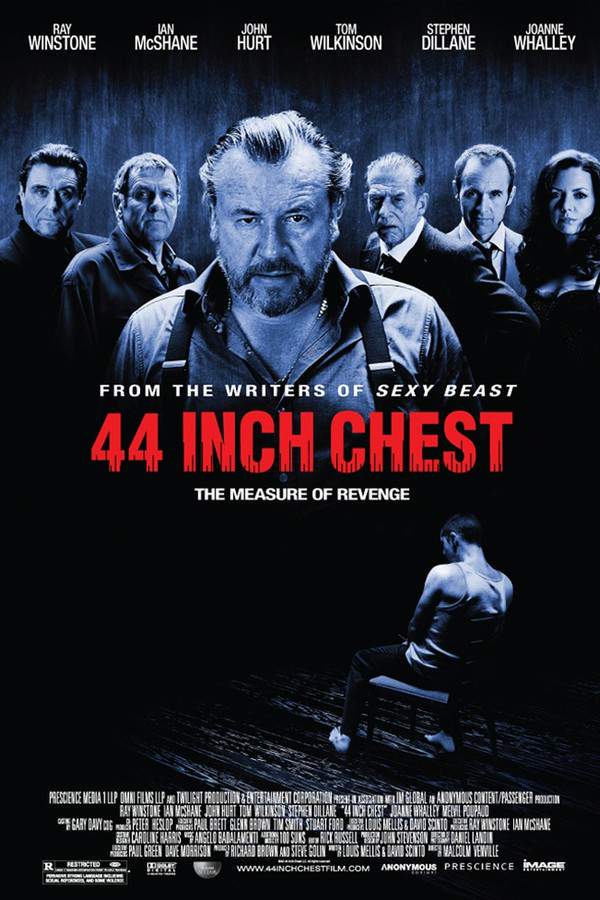
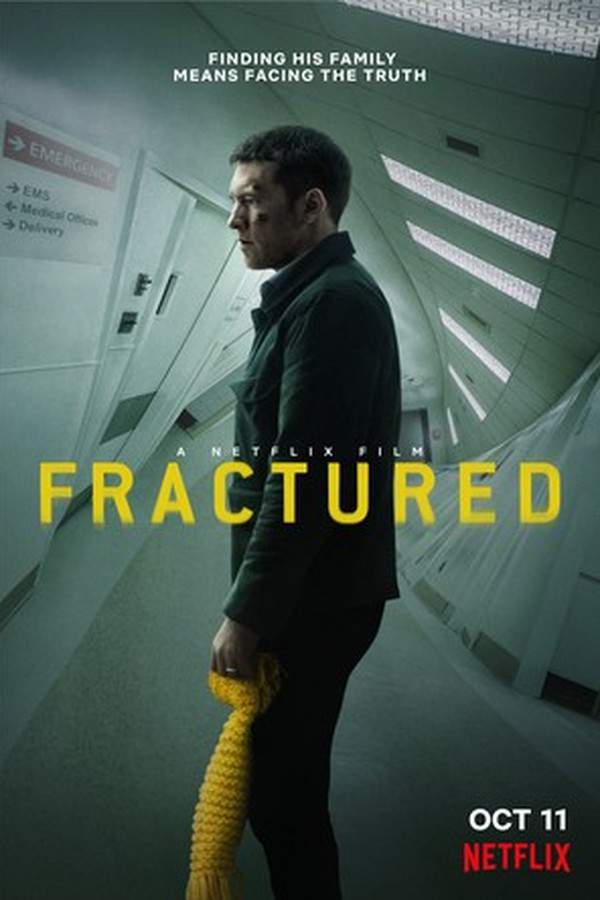
Movies That Blur Reality Like Dark Horse

Stories where the line between memory, delusion, and truth becomes dangerously thin. Explore films similar to Dark Horse that masterfully blur the lines between reality and fantasy. If you enjoyed the ambiguous narrative and the challenge of distinguishing dream from reality, this list features dramas and psychological stories where perception is unreliable and the truth is subjective.

  • dreamlike
  • unreliable narrator
  • disorienting
  • psychological
  • surreal
  • ambiguous
  • Tone: dark, dreamlike, ambiguous
  • Pacing: variable, unsettling
Why these movies?

The story pattern: The narrative pattern hinges on ambiguity, consistently presenting events through a subjective lens. This creates a sense of unease and demands active interpretation from the viewer. The journey often involves a character using fantasy as a coping mechanism, leading to a climax that may or may not clarify the reality of their situation, frequently resulting in an ambiguous ending.

Why they belong together: These films are connected by their core narrative device of an unreliable perspective, a mood that is dreamlike yet oppressive, and themes centered on self-perception and emotional isolation. They share a complex structure and often leave the viewer with more questions than answers.

If you liked this

Movies Like Dark Horse

Similar movies to Dark Horse: the same genre, themes or kind of story. Each one comes with its own plot summary, timeline and ending explained.

Browse all movie summaries

Every angle

Dark Horse (2012) Explained: Plot, Timeline & Characters

Everything about Dark Horse in one place: what happens in the plot summary, the timeline in chronological order, the characters and meaning and a spoiler-free summary. What's After the Movie adds the cast, box office and post-credit scenes.

Coming soon on iOS and Android

The Plot Explained Movie Summary App

Plot summaries, endings explained and timelines on your phone. Catch up on any movie in minutes, save your favorites and never miss a twist again.

Be the first to know when we launch. Your email stays private, always.

Learn more about the app