Plot Explained Spoilers guaranteed!
Plot Explained

Browse by genre

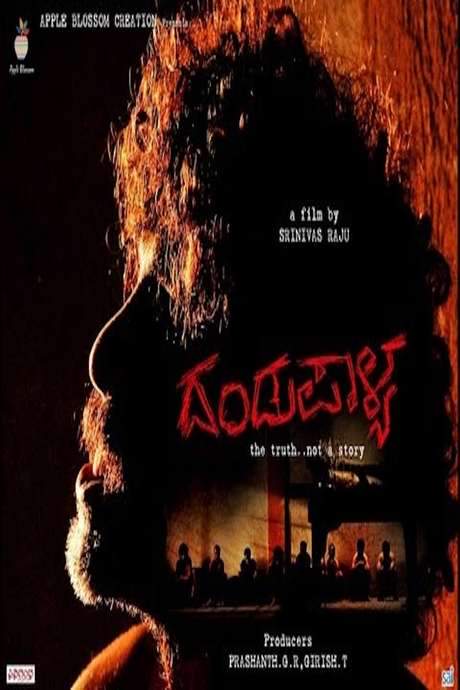
Dandupalya (2012) movie poster

Timeline

Dandupalya (2012) Timeline Explained – Every Event in Order

Release, runtime and language
2012 · 126 mins · Kannada
Loading streaming availability…
Directed by
Srinivasa Raju
Starring
Makrand Deshpande, P. Ravi Shankar, Ravi Kale, Pooja Gandhi, bhavya, Priyanka Kothari

A ruthless gang terrorizes the countryside, committing robberies, rape, and murder. Chalapathy, a determined and resourceful police officer, vows to bring them to justice and stop their violent spree. He relentlessly pursues the criminals, striving to restore peace and uphold the law in the affected region.

On this page (5)
  1. 1 Where to watch
  2. 2 Events in order (12)
  3. 3 Timeline questions answered
  4. 4 Movie threads
  5. 5 Every angle
Loading streaming availability…

12 events in order · contains spoilers

Dandupalya Timeline: Events in Chronological Order

Every key event of Dandupalya (2012) in order, scene by scene, with when and where it takes place. Use it to untangle flashbacks, time jumps and parallel storylines, to refresh your memory before the sequel or to find the exact scene you are thinking of.

  1. Gang arrives for execution; inspector's warning

    The film opens with the gang being brought to the prison for execution, establishing a tense mood. Inspector Chalapathi warns the prison warden to handle them carefully, signaling deep mistrust and foreboding. The scene sets up the stakes of the impending judgment.

    When
    Opening scene
    Where
    Prison
  2. Investigation begins: Abhi digs into the case

    Indian Express journalist Abhivyakti 'Abhi' reopens the case, contending there is no solid circumstantial evidence. She starts with the local jewellery maker, who reveals that stolen ornaments were remade and used as fake evidence, and that a witness from Singapore was fabricated. She questions why no FIR was lodged, and why the evidence was manipulated.

    When
    Early investigation
    Where
    Investigation site / Local jewellery workshop
  3. Families of the victims voice doubts

    Abhi meets the parents of the victims and learns neighbours had not seen the gang in the locality. The parents explain how police claimed the gang's guilt, claiming the victims were handed over to them and brutally blamed the poor. The encounter deepens the sense of injustice and possible manipulation.

    When
    Following days
    Where
    Victims' residence
  4. First failed attempt and relocation

    After an initial failed attempt to access the gang, Abhi eventually gets a chance to meet them. The gang is moved to another prison designated for execution, signaling intensified stakes. There they encounter Umesh Reddy, who appears innocent but is part of the web.

    When
    A later day
    Where
    New prison; transfer location
  5. The gang tells their side: torture as frame

    In a candid session, the gang narrates their version of events to Abhi, condemning the police for using torture to force confessions. They insist they are victims of coercion, not criminals by choice. The confession they give is shaped by the brutal treatment they endured.

    When
    During interview
    Where
    Meeting room, new prison
  6. Past hardships of the gang

    The gang explains their hardships—migrating to an unknown land, starving in the slums, begging for food, and occasionally taking odd jobs. They describe elevated desperation that led them toward menial, sometimes criminal activities for survival. Their backstory adds context to their perceived culpability.

    When
    Flashbacks
    Where
    Slums / migratory route
  7. Police pressure mounts; crackdown escalates

    The Dandupalya serial killings heighten public and police pressure, pushing officials to crack down. The inspector faces scrutiny for failures to curb crimes, while forces are reinforced. This climate foreshadows harsher actions against the gang.

    When
    During crackdown
    Where
    City / police precinct
  8. Late-night incident: spotting the squint-eyed member

    One night, after a late movie, the inspector spots two gang members and strikes them when they fail to produce tickets. He drags them back to the slum and unsettlingly asserts control. The scene highlights the vigilante-like approach of the police.

    When
    Late night
    Where
    Slum / near cinema
  9. The theft, the ring, and the inspector's intervention

    The squint-eyed member steals a gold ring to treat his wife's injured leg and tries to sell it to a jewellery shop. The inspector arrives, administers another beating, and confiscates the ring. This event reinforces the cycle of violence and coercion used to manipulate the gang.

    When
    Next night
    Where
    Jewellery shop / crime site
  10. 40 days of coercion: forced confessions

    That night, the police abduct the rest of the gang to a secluded spot and torture them, including a female member subjected to sexual assault. The sustained abuse continues for 40 days, pressuring them to admit crimes they did not commit. The investigation is derailed by brutal extrajudicial methods.

    When
    Over the next 40 days
    Where
    Secluded torture location
  11. Abhi's exposé: police force and false evidence

    Abhi publishes an article accusing the police of using force and false evidence to frame the gang. The public and authorities react to the allegations, challenging the legitimacy of the case. The journalist's work catalyzes scrutiny of law enforcement practices.

    When
    Publication day
    Where
    Newspaper office
  12. Confrontation and promise of a sequel

    The inspector confronts Abhi, signaling ongoing tensions between the police and the journalist. The rest follow the sequel, implying more revelations or a continuation of the case. The film closes on an unsettled note, hinting at further consequences.

    When
    Post-exposé
    Where
    Meeting between inspector and journalist

Last updated: October 27, 2025 at 16:47

Was this helpful?

Timeline questions answered

Dandupalya Timeline Explained: Your Questions Answered

When does it happen, and why in that order? The questions people ask about the chronology of Dandupalya (2012): time jumps, flashbacks, cause and effect between scenes and the correct order of events, each answered with spoilers.

Q1

Why was the Dandupalya gang targeted by police?

The police targeted the gang because they were under intense pressure to solve the Dandupalya serial killings, thefts, and gang-rapes that had terrified the region. With public outcry mounting and the inspector facing scrutiny for failing to curb the crimes, the police needed results quickly. The gang, being poor migrants living in slums, became convenient targets for a rushed, opaque justice system.

Foreshadowing: The film establishes early on that the police were under enormous pressure to deliver results, foreshadowing why they would resort to framing innocent people.

  • dandupalya gang
  • police framing
  • convenient suspects
  • poverty
  • systemic injustice
Q2

How did the police fabricate evidence against the gang?

The police fabricated evidence by taking stolen ornaments from the actual crime scenes, having a local jeweler remake them, and then presenting these items as evidence that the gang had committed the robberies. They also arranged a fabricated witness from Singapore to strengthen the case. Most critically, there was no formal FIR filed, and no forensic evidence like fingerprints or semen tests was ever conducted.

Foreshadowing: Early in the film, Abhi notices that the evidence chain is suspiciously weak, hinting at manipulation from the start.

  • fabricated evidence
  • stolen ornaments
  • fake witness
  • fingerprints
  • forensic evidence
  • FIR
Q3

What happened during the 40 days the gang was held by police?

The police abducted the remaining gang members to a secluded location and subjected them to brutal torture for 40 consecutive days. This included severe physical beatings and the sexual assault of a female gang member. The sustained abuse was designed to break their resistance and force them to confess to crimes they did not commit.

Foreshadowing: The film shows the inspector's increasingly violent behavior toward the gang, culminating in this systematic abuse.

  • 40 days torture
  • police brutality
  • sexual assault
  • coerced confessions
  • extrajudicial violence
Q4

Why did the gang confess to crimes they didn't commit?

The gang confessed because the 40 days of relentless torture, combined with threats against their families and the sexual assault of a female member, left them no choice but to capitulate. They were desperate to end the suffering and believed admitting to anything would stop the abuse. Their confessions were extracted through coercion, not actual guilt.

Foreshadowing: The inspector's earlier violent encounters with gang members foreshadow the extreme measures he would eventually use.

  • coerced confessions
  • torture
  • false admissions
  • police abuse
  • duress
Q5

How did journalist Abhi uncover the truth about the case?

Abhi, an investigative journalist for Indian Express, reopened the case by systematically challenging the official narrative. She interviewed the local jeweler who revealed the ornaments were remade as fake evidence, tracked down the victim's families who noted no neighbor ever saw the gang in the area, and eventually met with the accused in prison to hear their side. Her persistence in questioning the lack of forensic evidence and the absence of a formal FIR led to the exposé.

Foreshadowing: Abhi's investigation is foreshadowed from the opening scene, where the inspector warns about the danger of the gang's execution drawing attention.

  • journalist investigation
  • Abhi
  • Indian Express
  • exposé
  • evidence manipulation
Q6

What was the significance of the gold ring theft?

The squint-eyed gang member stole a gold ring from a jewellery shop to pay for his wife's medical treatment, her leg was injured and needed care he couldn't afford. When the inspector caught him, he beat the man and confiscated the ring, illustrating how even desperate attempts at survival were met with violence. This incident further entangled the gang in criminal charges and reinforced the inspector's campaign against them.

Foreshadowing: This event occurs right after the inspector violently confronts gang members for not showing movie tickets, escalating the conflict.

  • gold ring theft
  • wife's medical treatment
  • poverty
  • inspector violence
  • frame up
Q7

Why did the victims' families doubt the police account?

The victims' families told Abhi that no neighbor ever saw the accused gang members in their locality, raising questions about how the police identified them. Additionally, the police presented the victims to the families and explained how the crimes were committed, essentially telling them what to believe rather than allowing independent verification. The families grew suspicious of the rushed process that targeted poor migrants.

Foreshadowing: The families' doubts are introduced early, setting up the central mystery of whether the right people were arrested.

  • victim families
  • neighbors
  • police manipulation
  • false identification
  • rushed justice
Q8

What was the inspector's motivation in framing the gang?

The inspector was under intense pressure from the rising crime statistics and public outcry over the Dandupalya killings. With his career and reputation at stake, he needed quick results. Rather than solving the actual crimes, he chose to frame vulnerable migrants who lived in slums and had no resources to defend themselves, a calculated decision to protect his position rather than pursue genuine justice.

Foreshadowing: The opening scene establishes the inspector's paranoia about the gang's execution, hinting at his personal investment in the case.

  • inspector chalapathi
  • police corruption
  • career pressure
  • framing innocent
  • vulnerable suspects
Q9

Why was there no formal FIR filed in the case?

The absence of a formal FIR is one of the key anomalies Abhi discovers. This missing document suggests the case was built on pressure and convenience rather than proper legal procedure. By skipping the FIR, the police could avoid the standard investigative steps that would expose the lack of actual evidence linking the gang to the crimes.

Foreshadowing: Abhi immediately flags the missing FIR as suspicious, setting off her deeper investigation.

  • missing FIR
  • no formal complaint
  • police procedure
  • evidence chain
  • investigation irregularities
Q10

What does the ending imply about justice in the film?

The ending leaves the question of true guilt unresolved, suggesting that the justice system failed both the original victims and the framed gang members. While Abhi's exposé exposed police brutality and fabricated evidence, the film closes with the inspector confronting her and the gang still facing execution. It presents a stark meditation on how poverty, desperation, and institutional pressure can distort justice, leaving viewers to ponder who truly pays the price for a broken system.

Foreshadowing: The film opens with the gang being led to execution, and the ending reinforces this fate regardless of the truth being revealed.

  • ending interpretation
  • justice system
  • ambiguous conclusion
  • police corruption
  • systemic failure

Movie threads

More Movies Like Dandupalya, by Mood & Story

Curated lists built around what makes Dandupalya tick: the same mood, the same kind of story or the same emotional payoff. Each list explains why these movies belong together.

Bleak investigative procedurals like Dandupalya

Gritty stories where the investigation uncovers deep corruption rather than easy answers. If you liked the grim, procedural nature of Dandupalya, this list features movies with similar crime investigations into systemic failure. These stories share a dark tone, heavy emotional weight, and an unsettling look at corruption, perfect for viewers seeking tense, realistic thrillers.

  • gritty
  • tense
  • oppressive
  • unsettling
  • cynical
  • desperate
  • Tone: dark, cynical, tense
  • Pacing: steady, methodical
Why these movies?

The story pattern: The narrative follows a linear investigation, methodically peeling back layers of deception to reveal a core of systemic injustice. The protagonist's quest for truth often leads to a moral quagmire where the pursuit of justice is compromised, and the ending is typically ambiguous or bleak, reflecting the intractable nature of the problem.

Why they belong together: Movies are grouped here for their shared commitment to a realistic, oppressive atmosphere, a steady investigative pace, and a thematic focus on how institutions fail the individuals they are meant to protect. The similarity lies in the experience of a grim, unflinching look at crime and power.


Gritty and violent crime stories like Dandupalya

Unflinching depictions of violent crime and its devastating impact on society. For viewers who appreciated the raw and brutal realism of Dandupalya, this collection features similar movies with high-intensity violence and a dark, gritty tone. These films share a heavy emotional weight, disturbing themes, and a focus on the harsh realities of crime.

  • brutal
  • gritty
  • tense
  • disturbing
  • violent
  • desperate
  • Tone: dark, grim, oppressive
  • Pacing: steady, relentless
Why these movies?

The story pattern: The narrative often portrays a spree of violent acts—robberies, assaults, murders—and the desperate efforts to stop them. The journey is characterized by a high level of tension and graphic content, creating a sense of pervasive dread. The line between victim and perpetrator can be blurred, emphasizing the degrading effects of poverty and violence.

Why they belong together: These films are united by their uncompromisingly dark tone, high intensity, and focus on graphic, realistic violence and its consequences. The shared experience is one of intense stress and a heavy, oppressive mood that doesn't shy away from disturbing subject matter.

Every angle

Dandupalya (2012) Explained: Plot, Timeline & Characters

Everything about Dandupalya in one place: what happens in the plot summary, the timeline in chronological order, the characters and meaning and a spoiler-free summary. What's After the Movie adds the cast, box office and post-credit scenes.

Coming soon on iOS and Android

The Plot Explained Movie Summary App

Plot summaries, endings explained and timelines on your phone. Catch up on any movie in minutes, save your favorites and never miss a twist again.

Be the first to know when we launch. Your email stays private, always.

Learn more about the app