Plot Explained Spoilers guaranteed!
Plot Explained

Browse by genre

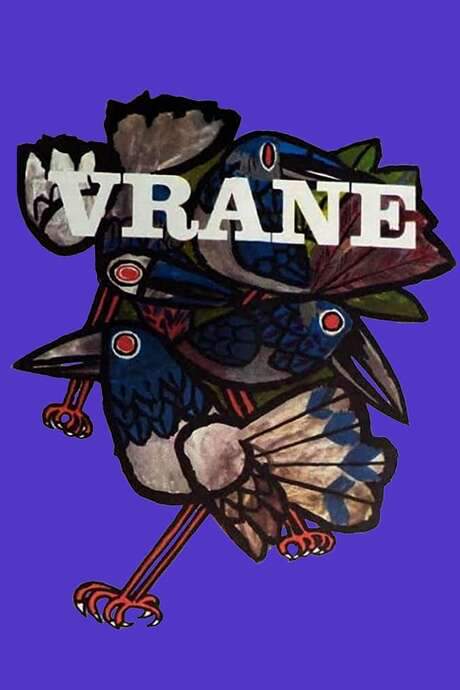
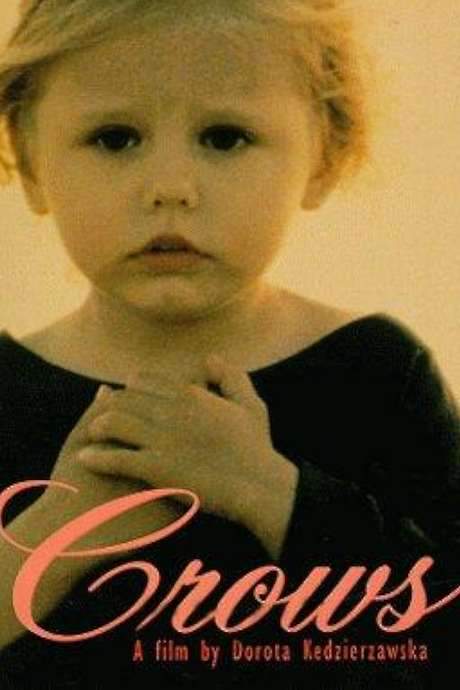
Crows (1994) movie poster

Characters & Themes

Crows (1994) Characters, Setting & Themes Explained

Release, runtime and language
1994 · 66 mins · Polish
Loading streaming availability…
Directed by
Dorota Kędzierzawska
Starring
Bartłomiej Topa, Marek Bukowski, Małgorzata Hajewska-Krzysztofik, Anna Prucnal, Agnieszka Pilaszewska, Ewa Bukowska

In a quiet, lonesome Polish city, a neglected ten year old girl kidnaps a pampered toddler and pretends to be her mother.

On this page (8)
  1. 1 Where to watch
  2. 2 Characters explained (6)
  3. 3 Where & when it takes place
  4. 4 Themes & meaning (3)
  5. 5 Character & meaning questions
  6. 6 Movie threads
  7. 7 Movies like Crows
  8. 8 Every angle
Loading streaming availability…

6 main characters · contains spoilers

Crows Characters Explained: Who Is Who

The main characters of Crows (1994), heroes and villains: what drives them, how they change over the course of the story and what each of them reveals about the film's bigger ideas.

  • Crow — Karolina Ostrożna

    played by Karolina Ostrozna

    A neglected ten-year-old girl who escapes into an imaginative world to cope with loneliness. Her tenderness alternating with impulsiveness leads her to seize a younger child and attempt to reshape care. The story follows how her fantasies clash with the harsh realities around her.

    • 🧒 Lonely
    • 🪄 Imaginative
    • ⚖️ Boundary-testing
    • 💔 Vulnerable
  • The Little — Kasia Szczepanik

    A three-year-old girl who is innocent and often overlooked, and becomes the target of Crow's misguided but caring impulse. Her vulnerability within a neglected environment amplifies the danger and the urgency of care. She embodies the fragile threshold between safety and harm in the film.

    • 🧒 Innocent
    • 🫶 Trusting
    • 🧭 Curious
    • 💖 Fragile
  • Mother of the Little — Ewa Bukowska

    The mother of the young child who seems largely distracted by other concerns, reflecting a lack of attentive care. Her reaction upon discovering her child—asking what she is doing—highlights the emotional distance at the heart of the story.

    • 👩‍👧‍👦 Neglectful
    • 🏚️ Unavailable
    • 💬 Passive
  • Crow's Mother — Małgorzata Hajewska-Krzysztofik

    The mother who is emotionally distant, shaping the environment that yields neglect and a child's confused sense of belonging. Her detachment contributes to the tense atmosphere in which the crow grows up.

    • 👩‍👧‍👦 Distant
    • 🏚️ Unaffectionate
    • 🕊️ Complex
  • Teacher — Anna Prucnal

    A stern teacher who enforces rules in a harsh way, publicly humiliating the girl by making her strip down to her underwear. Her actions exemplify social cruelty and power dynamics within the classroom.

    • 🏫 Strict
    • 🗣️ Cruel
    • 🧭 Boundary-testing
  • Father of the Little — Krzysztof Grabarczyk

    The father figure of the three-year-old girl, part of the couple whose villa house contains the child. The film shows him as part of the domestic environment, though his actions are not central to the plot as summarized.

    • 👨‍👧‍👦 Parent
    • 🏡 Domestic
    • 🔎 Peripheral

Last updated: February 17, 2026 at 18:13

Was this helpful?

Setting

Where and When Does Crows Take Place?

The setting of Crows (1994): the year and time period, the places and locations, and how they shape the characters, the mood and the tension of the story.

Time period

Location

Coastal town, neglected tenement, villa by the sea, seashore, fishing boat

The story unfolds in a small coastal town built around a working harbor. A neglected tenement house anchors the girl’s daily life, highlighting social neglect and isolation. Windows to a distant villa and the distant sea hint at a different world, while the seashore and a fishing boat symbolize escape and danger that frame the narrative.

  • 🏙️ Coastal town
  • 🏚️ Neglected tenement
  • 🏖️ Seaside villa
  • 🌊 Seashore
  • 🚤 Fishing boat

Last updated: February 17, 2026 at 18:13

Was this helpful?

3 major themes

Crows Meaning: Themes & Message Explained

What is Crows (1994) really about? The emotional, social and philosophical themes the film keeps returning to, its symbolism and the message beneath the surface.

  • Neglect

    A central force is the emotional neglect of the ten-year-old girl by her mother and others, shaping her sense of belonging. The lack of tenderness drives her into an imaginative world where she can influence events. This neglect drives her risky impulses, including the kidnapping, and reveals the costs of emotional absence.

  • Imagination

    The girl retreats into a vivid inner life, watching other families from outside windows and dreaming of escape. Imagination becomes a coping mechanism that blurs lines between care and control. The tension between fantasy and reality drives the plot and exposes the vulnerabilities of a child shaped by neglect.

  • Escape

    Dreams of leaving the town pull characters toward the sea and a boat that could promise a new life. The crow’s misguided attempt to care for the younger girl shows how escape can be seductive and perilous. Returning to the villa underscores the weight of consequences and the limits of flight.

Last updated: February 17, 2026 at 18:13

Was this helpful?

Character & theme questions

Crows Characters & Meaning: Your Questions Answered

The questions people ask about Crows (1994): who the characters really are, their relationships, what the symbols mean, where it takes place and what the movie is really about. Each answer contains spoilers.

Q1

Where is the story set?

The movie Crows is set in a quiet, lonesome Polish coastal town built around a working harbor. The environment includes a neglected tenement house, a distant villa by the sea, and the seashore itself. These locations frame the narrative by contrasting isolation with the promise of escape.

Foreshadowing: Windows to a distant villa and the sea hint at a different world.

  • setting
  • coastal town
  • harbor
  • poland
  • location
Q2

What is the significance of the tenement and villa?

The neglected tenement anchors the protagonist's daily life, highlighting social neglect and isolation. In contrast, the villa represents a different world of privilege and care. This spatial divide underscores the social inequality shaping the story's conflicts.

  • tenement
  • villa
  • social divide
  • isolation
  • privilege
Q3

Who is the character Crow?

Crow is a neglected ten-year-old girl who escapes into an imaginative world to cope with loneliness. Her behavior alternates between tenderness and impulsiveness, leading her to attempt reshaping care through risky actions. She embodies the cost of emotional absence in the film.

  • crow
  • protagonist
  • child
  • neglected
  • loneliness
Q4

What is the real name of Crow?

The character known as Crow is actually named Karolina Ostrożna. This distinction separates her nickname, which reflects her scavenger-like status, from her legal identity. It grounds the story in a specific personal reality amidst her fantasies.

  • karolina ostrozna
  • real name
  • identity
  • character details
Q5

What is the role of the toddler?

The toddler, known as The Little, is a three-year-old girl who becomes the target of Crow's misguided but caring impulse. Her vulnerability within a neglected environment amplifies the danger and urgency of care. She embodies the fragile threshold between safety and harm.

  • toddler
  • the little
  • vulnerability
  • care
  • danger
Q6

What is the main theme of neglect in the story?

A central force in Crows is the emotional neglect of the ten-year-old girl by her mother and others. This lack of tenderness drives her into an imaginative world where she can influence events. The theme reveals the costs of emotional absence and risky impulses.

Foreshadowing: The lack of tenderness drives her into an imaginative world.

  • neglect
  • emotional absence
  • mother
  • tenderness
  • theme
Q7

How does imagination function for the protagonist?

Imagination serves as a coping mechanism that blurs the lines between care and control for Crow. She retreats into a vivid inner life, watching other families from outside windows and dreaming of escape. This tension between fantasy and reality drives the plot.

  • imagination
  • coping mechanism
  • fantasy
  • reality
  • inner life
Q8

What does the sea symbolize in the film?

The sea and a fishing boat symbolize escape and danger that frame the narrative. Dreams of leaving the town pull characters toward the water, promising a new life. However, returning to the villa underscores the limits of flight and consequences.

Foreshadowing: The seashore and a fishing boat symbolize escape and danger.

  • sea
  • escape
  • danger
  • fishing boat
  • symbolism
Q9

How are the mothers portrayed in the story?

Both mothers are portrayed as emotionally distant and distracted by other concerns. Crow's mother shapes the environment of neglect, while the mother of The Little reflects a lack of attentive care. Their detachment contributes to the tense atmosphere.

  • mothers
  • emotional distance
  • detachment
  • care
  • atmosphere
Q10

What role does the teacher play?

The teacher is a stern figure who enforces rules in a harsh way, publicly humiliating the girl. Her actions exemplify social cruelty and power dynamics within the classroom. She represents the institutional harshness surrounding the child.

  • teacher
  • stern
  • humiliation
  • power dynamics
  • cruelty
Q11

What is the tone and mood of the movie?

The tone of Crows is predominantly melancholic, established through themes of neglect and social isolation. The pacing is slow, focusing on mood and character introspection over rapid plot progression. The emotional weight is heavy with no moments of levity.

  • tone
  • mood
  • melancholic
  • slow pacing
  • emotional weight
Q12

Is there a hopeful resolution for the protagonist?

The ending is bleak, as the protagonist returns to her neglectful home environment with no resolution implied. This underscores a sense of cyclical despair rather than redemption. The story emphasizes the permanence of her isolation.

  • ending
  • resolution
  • bleak
  • cyclical despair
  • isolation

Movie threads

More Movies Like Crows, by Mood & Story

Curated lists built around what makes Crows tick: the same mood, the same kind of story or the same emotional payoff. Each list explains why these movies belong together.

Movies about lonely children's escapes like Crows

Stories where isolated children retreat into desperate, fragile fantasies. Discover films similar to Crows that delve into the melancholic worlds of neglected children. If you were moved by the story of a lonely girl escaping into a fragile fantasy, you'll find other powerful dramas exploring child neglect, loneliness, and desperate imagination.

  • lonely
  • melancholic
  • childlike
  • dreamlike
  • oppressive
  • desolate
  • Tone: melancholic, somber, bleak
  • Pacing: slow, deliberate, atmospheric
Why these movies?

The story pattern: These narratives typically follow a linear, character-driven path. A child, isolated by their circumstances, initiates an escape into a fantasy or a desperate act meant to fill a void, such as creating a surrogate family. The journey is often internal and atmospheric, leading to an ending that is bleak or bittersweet, reinforcing the harsh reality they cannot truly escape.

Why they belong together: Movies are grouped here for their shared focus on a child's perspective of loneliness and their subsequent, often ill-fated, attempts at connection. They share a melancholic tone, slow pacing that emphasizes mood over plot, and a heavy emotional weight stemming from themes of neglect and abandonment.

Slow burn atmospheric dramas with despair like Crows

Quiet, atmospheric films where sadness and tension build gradually. Find movies like Crows that deliver a powerful emotional impact through a slow, atmospheric build-up. If you appreciated the melancholic pace and heavy, despairing mood of Crows, explore these other dramas known for their somber tone, deliberate pacing, and profound sense of loneliness.

  • slow burn
  • somber
  • melancholic
  • oppressive
  • atmospheric
  • desolate
  • Tone: melancholic, bleak, somber
  • Pacing: slow, atmospheric, deliberate
Why these movies?

The story pattern: The narrative structure in these films is typically straightforward, focusing on the gradual unfolding of a character's difficult reality. The plot is secondary to the establishment of a pervasive mood—often one of loneliness, oppression, or quiet tragedy. The climax is usually a moment of emotional reckoning rather than action, leading to a conclusion that offers little respite.

Why they belong together: These films are united by their specific blend of tone, pacing, and emotional impact. They share a slow, deliberate pace that creates an immersive atmosphere, a predominantly melancholic or bleak tone, and a medium to high emotional weight achieved through quiet, character-focused scenes rather than dramatic events.

If you liked this

Movies Like Crows

Similar movies to Crows: the same genre, themes or kind of story. Each one comes with its own plot summary, timeline and ending explained.

Browse all movie summaries

Every angle

Crows (1994) Explained: Plot, Timeline & Characters

Everything about Crows in one place: what happens in the plot summary, the timeline in chronological order, the characters and meaning and a spoiler-free summary. What's After the Movie adds the cast, box office and post-credit scenes.

Coming soon on iOS and Android

The Plot Explained Movie Summary App

Plot summaries, endings explained and timelines on your phone. Catch up on any movie in minutes, save your favorites and never miss a twist again.

Be the first to know when we launch. Your email stays private, always.

Learn more about the app