Plot Explained Spoilers guaranteed!
Plot Explained

Browse by genre

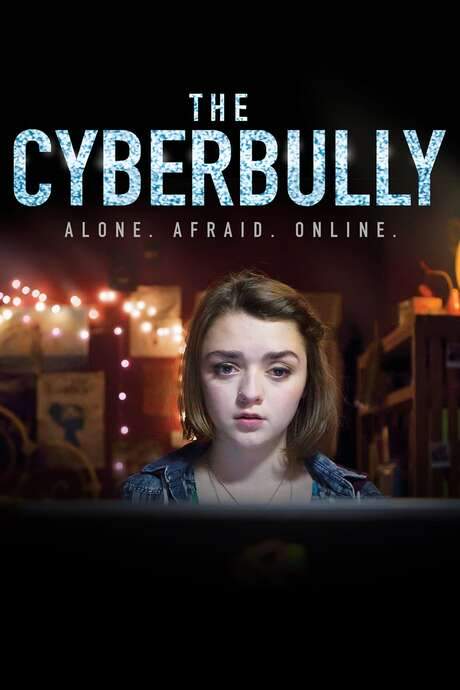
Cyberbully (2015) movie poster

Plot Summary

Cyberbully (2015) Plot Summary Explained

Release, runtime and language
2015 · 62 mins · English
Directed by
Ben Chanan
Starring
Maisie Williams, Ella Purnell, Jake Davies, Haruka Abe, Daisy Waterstone, Wilson Haagens

When you go online, who can you trust A chilling real-time thriller featuring a teenager, Casey, battling with an anonymous cyber-stalker.

On this page (4)
  1. 1 What happens: full plot
  2. 2 Plot questions answered
  3. 3 Movie threads
  4. 4 Every angle

Full plot summary · contains spoilers

What Happens in Cyberbully: Full Plot Summary

The whole story of Cyberbully (2015) explained, from the opening scene to the final frame: every key event, every twist and what it all adds up to. Read it as a quick recap before the sequel, to check a scene you missed, or to finally understand what really happened.

The film unfolds entirely within the bedroom of Casey Jacobs, and it happens in real time. One evening, Casey is listening to music but notices that her Spotify settings are being tampered with. While skyping with Megan Turner, who is about to go on a date, Casey learns that her ex-boyfriend Nathan has posted a cruel comment about her use of antidepressants on Twitter. Megan confides in their friend Alex Freeman and suggests that he hack Nathan’s account as revenge, but he declines.

After their chat ends, Casey receives an instant message, ostensibly from Alex Freeman, who provides her with a hacked link to Nathan's Twitter account. Casey eagerly posts a tweet about Nathan's erectile dysfunction in revenge. However, the language of the messenger diverges from Alex's usual tone, revealing that the sender is an anonymous hacker who presents themselves as a vigilante who "helps victims of cyberbullying."

The hacker first describes themselves as a "fan," showing Casey's past activity across social media, including her online pseudonym "Chronic Youth," before pointing out that Megan hasn't posted a photo of Casey on her Instagram in a long time. They reveal that they are a vigilante and threaten to intervene to "protect" victims by exposing their secrets. Casey, frightened, excuses herself from the chat, but the hacker triggers a screamer on her computer, taking control of the webcam and addressing Casey in a computer-generated voice.

The hacker reveals nude photographs that Casey took of herself and threatens to post them online if she leaves the room, answers any calls, or if her father—the frequent visitor at the door—enters. Casey tries to covertly message Megan, but the hacker intercepts it by accessing her phone as well, effectively leaving her trapped and isolated. To Casey's horror, the hacker uploads a video that she and Megan filmed revealing their friend Tamara Mathis as gay, provoking a flood of angry texts from Tamara.

The hacker explains that Casey's "Chronic Youth" activity constitutes cyberbullying, including a video she made deriding other haul videos. They reveal that they posted the initial Nathan comment from Nathan's account to bait her. Casey initially dismisses their accusations, insisting that teen behavior is normal, but the hacker rebuts with a stark reminder of consequences. The hacker uses videos and screen-grabs to recount the story of Jennifer Li, a former schoolmate whose singing videos on Vine faced an onslaught of abuse due to Casey's trolling, which triggered a harassment campaign and, ultimately, Jennifer's suicide.

Casey wonders if the hacker is a relative of Jennifer's, tears up with remorse, but the hacker denies this and demands that she admit to being a cyberbully, apologize, and take responsibility for Jennifer's death. Casey does so, but the hacker remains unconvinced and continues uploading both Casey and Megan's nude photos. The hacker announces a grim choice: take an overdose of antidepressants for each image to keep them from being posted, or live with the shame that would follow, along with the loss of her best friend. Defeated, Casey contemplates the pills but notices the hacker's gloating pattern—the taunting "har har har"—matching a known aggressor from Jennifer's story.

Casey pushes back, realizing the hacker has goaded others into suicide. Her Dad arrives with a message from Megan, who has deduced that the online activity isn't truly coming from Casey. Casey, moved by her friend's trust, reaches out again and, despite the threats, vomits up the pills she had taken. The friendship and trust give her the courage to stand up to the attacker: she tells them to post whatever they want, because they can do nothing to control the actions or emotions of her family, friends, or real life. The hacker pleads to reveal their identity, but Casey responds that it doesn't matter—once she stops talking to them, they become nothing. She closes her computer, cutting off the hacker.

Overwhelmed by the hour-long ordeal, Casey opens the door and collapses in the hallway, tearfully calling out to her father, who rushes to her side.
Last updated: October 09, 2025 at 16:04

Was this helpful?

Plot questions answered

Cyberbully Plot Explained: Your Questions Answered

The questions people ask most about Cyberbully (2015): what happens in the confusing scenes, why the characters do what they do, the twists, hidden details and what the ending means. Each answer contains spoilers.

Q1

Why is Casey being targeted by the hacker?

The hacker targets Casey because she is a cyberbully herself. Through her online persona 'Chronic Youth,' Casey posted harassing videos targeting other users, including a campaign against Jennifer Li that contributed to her suicide. The hacker presents themselves as a vigilante exposing cyberbullies, but their methods involve blackmail, threats, and psychological torture.

  • cyberbully
  • hacker
  • target
  • Casey
  • Chronic Youth
  • vigilante
Q2

Who is the hacker in Cyberbully?

The hacker's true identity is never revealed. They deny being related to Jennifer Li and remain anonymous throughout the film. However, their tactics, using victims' secrets against them, goading them with 'har har har' taunts, and driving them toward suicide, show they are a serial manipulator who has targeted multiple people. Casey ultimately realizes their identity doesn't matter because cutting off communication neutralizes them.

  • hacker
  • identity
  • anonymous
  • cyberbully
  • taunts
  • manipulator
Q3

What happened to Jennifer Li and why does it matter?

Jennifer Li was a former schoolmate whose singing videos on Vine were targeted by Casey's trolling. This harassment campaign escalated into widespread abuse, ultimately leading to Jennifer's suicide. The hacker uses her story to force Casey to confront the real-world consequences of her cyberbullying. This revelation is the emotional turning point that makes Casey admit her wrongdoing.

  • Jennifer Li
  • Vine
  • suicide
  • harassment
  • cyberbullying consequences
Q4

Why does Casey agree to take the pills?

The hacker gives Casey an ultimatum: take an overdose of antidepressants for each nude photo posted, or have the photos released online along with the exposure of her cyberbullying history. Faced with what seems like no escape and desperate to protect herself and her friendships from shame, Casey contemplates taking the pills as the only way out.

  • pills
  • overdose
  • ultimatum
  • blackmail
  • suicide attempt
Q5

How does Casey survive the hacker's threats?

Casey survives through a combination of factors: her father arrives with a message from Megan, who has realized Casey isn't acting like herself. This reminder of her friend's trust gives Casey hope. She then notices the hacker's pattern of 'har har har' taunts, realizing they have manipulated others into suicide before. She vomits up the pills, regains clarity, and decides to stand up to the hacker by refusing to engage any further.

  • survival
  • defiance
  • trust
  • Megan
  • father
  • hope
Q6

What is Casey's 'Chronic Youth' account?

Chronic Youth is Casey's online pseudonym used for her cyberbullying activities. Through this account, she posted videos mocking and harassing other internet users, including making deriding videos about haul videos. The hacker uses her past activity as evidence that Casey herself is a cyberbully, not just a victim, forcing her to confront her own harmful behavior.

  • Chronic Youth
  • pseudonym
  • online identity
  • cyberbully
  • trolling
Q7

How does Megan know something is wrong with Casey?

Megan realizes something is wrong when she notices Casey isn't acting like herself, her messages and responses seem off. She pieces together that the online activity isn't truly coming from Casey and sends a message through Casey's father to warn her. This act of friendship and trust is crucial in helping Casey find the strength to resist the hacker.

  • Megan
  • realizes
  • trouble
  • friend
  • trust
  • message
Q8

Why does the hacker expose Tamara's sexuality?

The hacker uploads a video that Casey and Megan made, revealing Tamara's sexuality to their social circle. This is meant to demonstrate to Casey the harm of her own cyberbullying actions, even as a bystander, she participated in outing someone. The resulting flood of angry texts to Tamara shows how digital secrets can be weaponized and how Casey's circle is affected by the hacker's attacks.

  • Tamara
  • outed
  • video
  • sexuality
  • exposed
  • cyberbullying
Q9

What does Casey's decision to close the computer mean?

When Casey closes her computer, she finally takes back control by refusing to engage with the hacker any further. She tells them they can post whatever they want, but it won't affect her real relationships with family and friends. By declaring that once she stops talking to them they become nothing, she breaks the hacker's psychological hold over her. The film ends with her opening her door and collapsing in her father's arms, showing both her vulnerability and her liberation.

  • close computer
  • ending
  • defiance
  • liberation
  • control
  • father
Q10

Why is the entire movie shown in real time?

The real-time format intensifies the psychological horror by making viewers experience Casey's ordeal minute by minute, just as she does. It eliminates any narrative escape and creates mounting dread as events unfold without time jumps. The continuous take style also emphasizes the hacker's constant presence and control, making the viewer feel trapped alongside Casey.

  • real time
  • intensity
  • continuous
  • one location
  • psychological horror

Movie threads

More Movies Like Cyberbully, by Mood & Story

Curated lists built around what makes Cyberbully tick: the same mood, the same kind of story or the same emotional payoff. Each list explains why these movies belong together.

Real-Time Digital Thrillers like Cyberbully

Thrillers where the modern world becomes a weapon against a trapped protagonist. If you liked the high-tension, modern terror of Cyberbully, you'll find more movies like it here. This collection focuses on thrillers where the antagonist is an unseen digital threat, turning everyday technology into a weapon for psychological siege and creating a uniquely contemporary form of fear.

  • paranoid
  • anxious
  • claustrophobic
  • desperate
  • ominous
  • techno-thriller
  • Tone: tense, paranoid
  • Pacing: steady, relentless
Why these movies?

The story pattern: Stories in this thread typically feature an ordinary individual, often isolated in a single location, who becomes the target of a sophisticated, anonymous attacker using digital tools. The plot progresses in a relentless, cause-and-effect chain, as the protagonist desperately tries to regain control while their personal life is systematically dismantled online.

Why they belong together: These movies are grouped together because they share a core premise: the weaponization of the digital world. They create a specific form of anxiety that feels immediate and plausible, blending the classic thriller structure with modern fears about privacy, reputation, and online safety.

Movies About Dealing with Consequences like Cyberbully

Emotional journeys where characters face devastating fallout from their own mistakes. For viewers who appreciated the heavy emotional weight and moral quandaries in Cyberbully, this thread highlights similar films. These stories feature characters grappling with the severe repercussions of their actions, leading to intense psychological drama and a deeply introspective, often painful, emotional journey.

  • desperate
  • cathartic
  • remorseful
  • introspective
  • morally complex
  • emotionally heavy
  • Tone: heavy, desperate, cathartic
  • Pacing: steady, methodical
Why these movies?

The story pattern: The narrative pattern involves a character whose life is upended when a secret or a past mistake comes back to haunt them. The plot forces them to confront the harm they've caused, leading to a high-stakes struggle—often internal as much as external—for atonement, survival, or simply enduring the emotional devastation.

Why they belong together: These films are united by their focus on moral responsibility and the heavy emotional toll of facing the consequences of one's actions. They share a tone of seriousness and psychological intensity, making the viewer intimately feel the weight of the protagonist's regret and desperation.

Every angle

Cyberbully (2015) Explained: Plot, Timeline & Characters

Everything about Cyberbully in one place: what happens in the plot summary, the timeline in chronological order, the characters and meaning and a spoiler-free summary. What's After the Movie adds the cast, box office and post-credit scenes.

Coming soon on iOS and Android

The Plot Explained Movie Summary App

Plot summaries, endings explained and timelines on your phone. Catch up on any movie in minutes, save your favorites and never miss a twist again.

Be the first to know when we launch. Your email stays private, always.

Learn more about the app