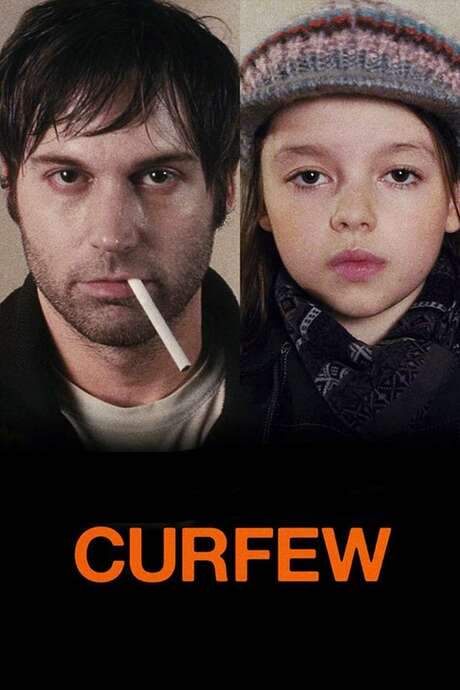
In a moment of desperation, Richie sits in a bathtub attempting to end his life, a stark and quiet moment that is interrupted by a phone call from his estranged sister, Maggie. She asks him to watch over his niece for the night, a plea that pulls him away from his own pain and toward a chance for connection and responsibility. He cancels his plans, driven by a sense of duty and a desire to make amends, even if the path ahead is uncertain.
When Sophia arrives, she makes it clear that she has little interest in conversation or companionship with him. Yet there is a spark of curiosity in their exchange as Richie recounts a memory from his youth: he used to draw flipbooks featuring a protagonist named Sophia, and he wonders if his sister chose her daughter’s name with that image in mind. Determined to bridge the gap, he takes Sophia to an old, rundown building where he once lived, hoping to rekindle a connection through the flipbooks he saved. The moment, however, unsettles Sophia, who becomes frightened and asks to go home.
A sincere apology begins to thaw the ice between them, and the pair eventually returns to the familiar hum of a nearby bowling alley. As Sophia starts peppering him with questions about his life, the walls of their fractured relationship begin to crumble in small, meaningful ways. Richie opens up about the reason he has been kept at a distance: an accident from the past, when he was babysitting Sophia and accidentally dropped her. Sophia, with a mix of empathy and humor, treats the incident lightly, while the blaring speakers echo with her favorite song. The moment takes a surreal turn as the entire bowling alley seems to dance along to the music, except for Richie, who remains isolated in his own gravity. Sophia begs him to dance with her, tugging at his arm until his sleeve tears away and reveals the raw truth beneath—the visible wound of his suicide attempt.
Back at Sophia’s home, a new weight settles over the night’s events. A restraining order sits on the kitchen table, citing assault and harassment, a stark counterpoint to the fragile bond they are building. Maggie returns, bruised from a conflict that has left her wary, and she thanks Richie for showing up, yet she makes it clear that he should leave and not disrupt her daughter’s life any further. In a quiet exchange, Richie confesses how much he once looked up to Maggie and how he continues to admire her, even as their paths diverged. The moment is bittersweet, grounded in a sense of longing and a desire for connection that never fully fades.
The night ends with Richie retreating back to the tub, intending to resume the life-or-death fight he began with himself at the start. Yet another phone call from Maggie arrives, and this time the tone is gentler, more forgiving, suggesting there might still be room for healing—even if it means leaving the past behind for the present to take shape. The film lingers on this quiet, unresolved note, inviting reflection on forgiveness, responsibility, and the possibility of rebuilding trust across a fractured family.