
Crying… Silicon Tears
Year: 2001
Runtime: 110 mins
Language: Greek
Director: Thanasis Papathanasiou
The film follows two Greek families—the wealthy Delafrangas and the poor Bisbikides. Honest Martha loves Giakoumis, a young builder and bouzouki player, but the upscale Tzela draws him away. Flashbacks trace their ancestors to World War II and Turkish rule, revealing a hidden secret that shapes the ending.
Warning: spoilers below!
Haven’t seen Crying… Silicon Tears yet? This summary contains major spoilers. Bookmark the page, watch the movie, and come back for the full breakdown. If you're ready, scroll on and relive the story!
Crying… Silicon Tears (2001) – Full Plot Summary & Ending Explained
Read the complete plot breakdown of Crying… Silicon Tears (2001), including all key story events, major twists, and the ending explained in detail. Discover what really happened, and what it all means.
Across three timelines—the 1960s, the World War II era, and a bucolic past—the film threads a single, windswept tapestry of memory, family, and fate, told in a lyrical, patient cadence that invites reflection rather than rapid resolution. In the 1960s, a social rift between the wealthy Della Franca family and the Bisbiki clan centers on a man who moves freely between both generations of women, pulling the two houses into a volatile clash of pride and desire. The confrontation escalates to a point where Lavrentia Bisbiki [Anna Panagiotopoulou] loses her family’s business under the pressure of the Della Francas, a blow that reverberates backward in time and serves as the catalyst for the World War II flashback. This upheaval anchors Lavrentia in a chapter of history defined by struggle and courage, as she becomes entangled with the Greek Resistance, navigating danger, secrecy, and the uneasy ethics of resistance work in a country torn by war.
The WWII section deepens the sense of lineage and consequence, hinting that the present is inseparable from what came before. It is through Lavrentia’s experiences in this perilous period that the film pivots toward a bucolic reminiscence: a conversation about ancestors—the man and the woman who once lived in a small village in the countryside—whose memories season the narrative like a living archive. This pastoral thread expands the scope of the film from immediate familial conflict to a broader meditation on heritage, memory, and how stories shape identity across generations. The film makes room for quiet, intimate moments amid larger upheavals, always returning to Lavrentia’s life as the throughline that binds disparate eras.
There is no conventional, singular plot driving the action; instead, the story moves through time with a focus on character, memory, and the weight of history. Lavrentia’s history becomes a lens through which the audience experiences the interplay of class, loyalty, and tragedy, as each era reveals facets of the same human drama: longing, loss, and a craving for connection that persists despite upheaval. The emotional arc culminates in a surprising revelation: the Bisbikis are blood-related to the Della Francas, forging an unexpected kinship that allows the families to imagine a future where grievances soften into kinship and ordinary happiness finally finds a foothold.
Even amid sorrow, the film treats its material with a gentle, reverent humor, balancing sorrow with tributes to enduring forms of storytelling. It nods to classic Greek dramas, to war films that have shaped collective memory, and to bucolic cinema that idealizes simple rural life, all while gently skewering their conventions. The result is a layered homage that never feels merely retrospective but instead uses satire and tribute to illuminate the resilience of community and the slippery, luminous nature of memory. The overall experience invites viewers to endure the melancholy, to savor the intimate details of family lore, and to recognize how history can quietly reweave the present when seen through the patient, multifaceted gaze of Lavrentia [Anna Panagiotopoulou].
Last updated: February 20, 2026 at 18:45
Crying… Silicon Tears (2001) Plot Questions Answered – Summary FAQ
Explore frequently asked questions about Crying… Silicon Tears (2001) with spoiler-rich answers covering the full plot summary, major story beats, character motivations, hidden details, and ending meaning. This movie summary FAQ helps explain confusing scenes, plot twists, and narrative decisions in clear, searchable detail.
What causes the feud between the Della Franca and Bisbikis families?
The feud begins when a man becomes romantically involved with women from both families simultaneously. This triggers a fierce rivalry between the wealthy Della Francas and the poorer Bisbikis, escalating from personal romance to a broader conflict about power, reputation, and social standing within their community.
Why does the Della Franca family push Lavrentia out of her business?
The Della Francas leverage their wealth and social power to drive Lavrentia Bisbikis out of her livelihood as punishment for her family's association with the man involved in the romantic tangle. This economic attack destabilizes the Bisbikis family's standing in the community and deepens the personal feud between the two dynasties.
What triggers the shift to the World War II flashback in the film?
The intense confrontation over Lavrentia's forced removal from business becomes the narrative catalyst that sends the film into its World War II flashback. This pivotal moment expands the personal family drama into a broader historical context, revealing Lavrentia's past and the deeper origins of her conflict with both families.
The 1960s confrontation over Lavrentia's fate directly mirrors the wartime struggles she will later recall.
What role does Lavrentia's involvement in the Greek Resistance play in the story?
During World War II, Lavrentia works with the Greek Resistance, participating in clandestine activities despite extreme danger. Her wartime experiences leave lasting scars and shape her outlook for decades. These events explain the depth of tragedy in her memories and connect her personal suffering to the larger historical trauma of wartime Greece.
What is the purpose of the bucolic countryside flashback about Lavrentia's ancestors?
The bucolic sections show Lavrentia recounting stories of her ancestors, a man and woman who lived in a small village. These pastoral tales expand the narrative from immediate family conflict to a broader meditation on heritage, memory, and how family stories shape identity across generations. The shift emphasizes the cyclical nature of history in Lavrentia's life.
How do the three different time periods in the film connect to each other?
The film moves between the 1960s, World War II, and a bucolic past, with each era influencing the others. The 1960s conflict triggers WWII memories, which then lead to ancestral recollections. Lavrentia serves as the connective thread, and each timeline reveals different facets of the same human drama, longing, loss, and a craving for connection that persists across generations.
How does the revelation about family relations lead to the film's resolution?
Once the families discover they are blood-related, the decades-long grievance transforms into recognition of shared lineage. This allows both families to soften their hostility and embrace kinship. The ending shows them choosing harmony and ordinary happiness, achieving reconciliation despite the generational trauma that preceded it.
Who is the man romantically involved with women from both families?
The film centers on a man who moves freely between women of both the Della Franca and Bisbikis families across generations. His liaisons fuel rumors and resentment, pulling the two houses into a volatile clash of pride and desire. This romantic entanglement is the spark that ignites the family feud in the 1960s timeline.
What is the film primarily exploring through its multiple timelines?
The film uses its three timelines to explore how the past shapes the present through heritage, memory, and family stories. It examines how class, loyalty, and tragedy repeat across generations, and how recognizing shared bloodlines can soften inherited grievances. The narrative serves as a meditation on how history quietly reweaves the present.

Explore Movie Threads
Discover curated groups of movies connected by mood, themes, and story style. Browse collections built around emotion, atmosphere, and narrative focus to easily find films that match what you feel like watching right now.
Generational sagas with family secrets like Crying… Silicon Tears
Family legacies and hidden truths revealed across decades.If you enjoyed uncovering the hidden past in Crying… Silicon Tears, explore these movies where family secrets shape destinies across generations. These complex narratives connect historical events to personal lives, offering a rich, reflective viewing experience.

Kaili Blues
2016

The Lost Daughter
2021
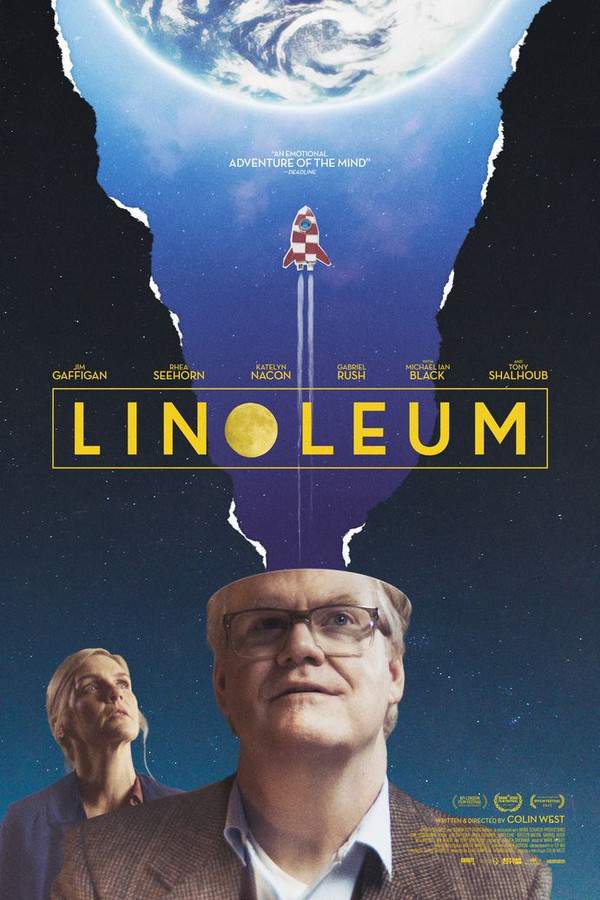
Linoleum
2023

The Golden Bowl
2001

Valley of the Gods
2020
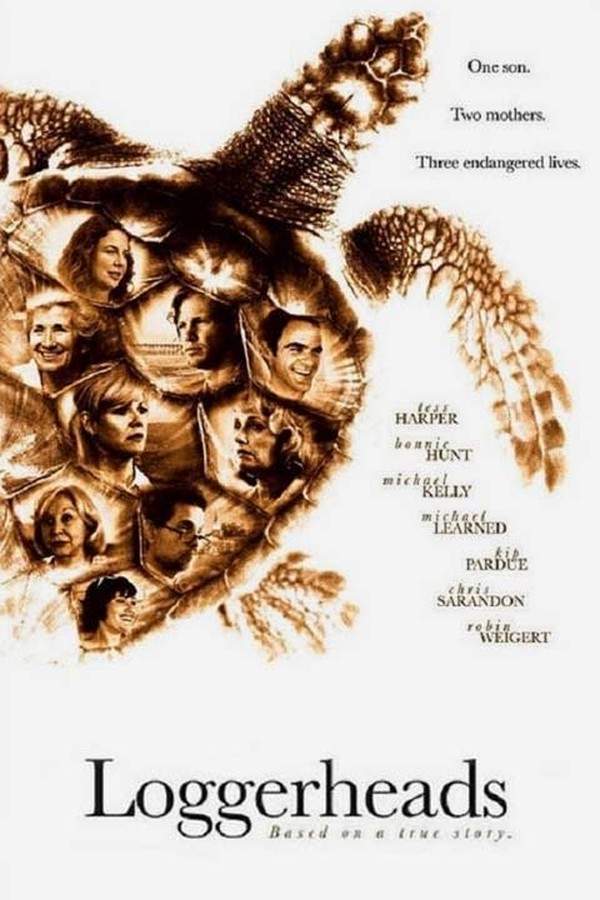
Loggerheads
2005

Guest of Honour
2020
Crying… Silicon Tears
2001

The Staggering Girl
2019

The Ceremony
1971

Super Happy Forever
2024

A Private Life
2025

The Five Senses
1999

Buddenbrooks
2008

Father Mother Sister Brother
2025
Narrative Summary
Stories in this thread typically unfold through a non-linear structure, weaving together past and present to slowly reveal a central mystery or truth about a family's history. The journey is one of discovery, connecting characters to legacies they never knew they were a part of.
Why These Movies?
These movies are grouped together for their shared focus on family lineage, the weight of history on the present, and the complex, often bittersweet revelations that come from exploring one's heritage.
Lyrical melancholic films like Crying… Silicon Tears
Lyrical stories where memory and longing shape the present.Seeking more movies with the poetic, reflective mood of Crying… Silicon Tears? This collection features patient dramas where characters grapple with memory, heritage, and bittersweet emotions in a lyrical, atmospheric style.
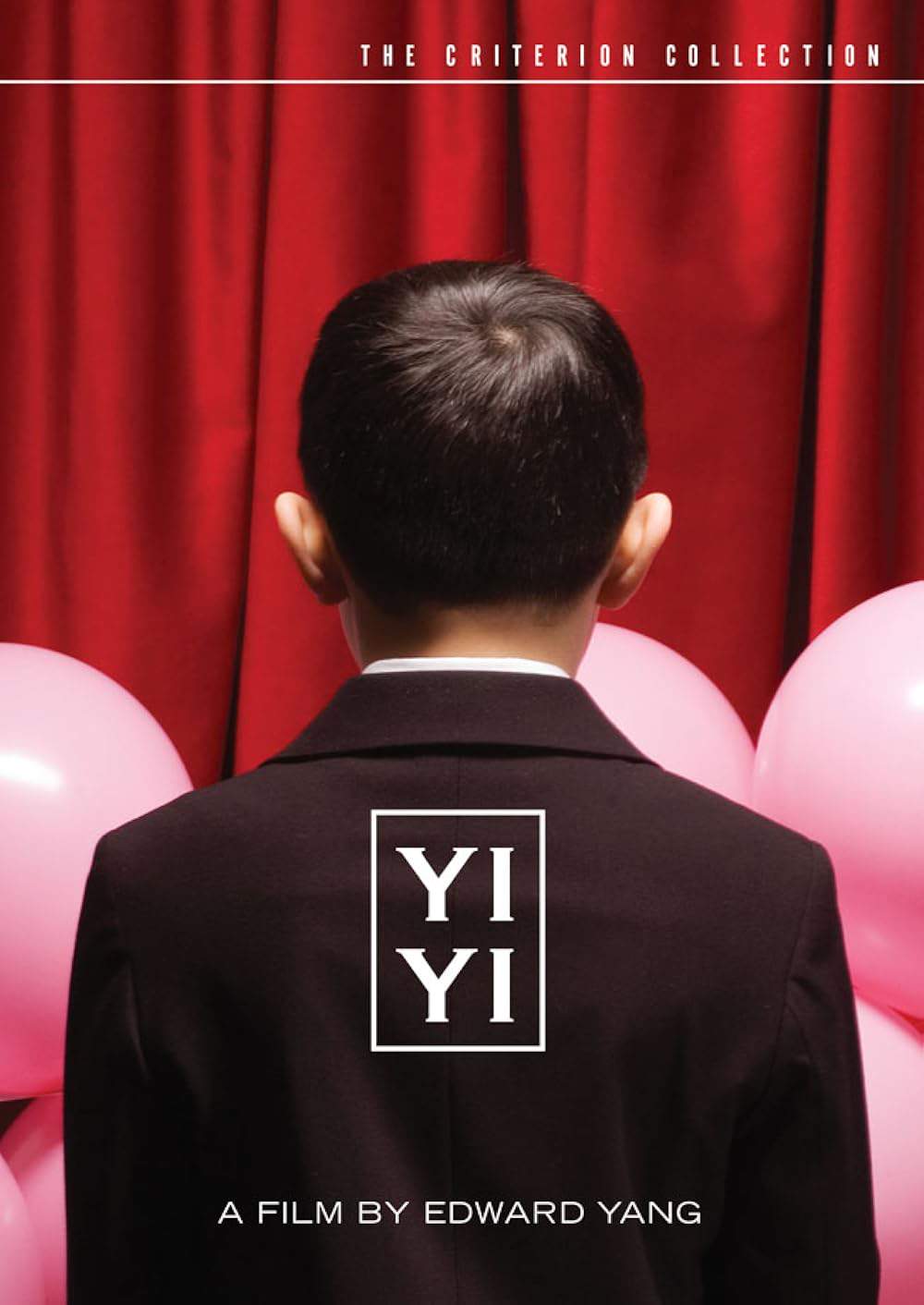
Yi Yi
2000

Last Orders
2001
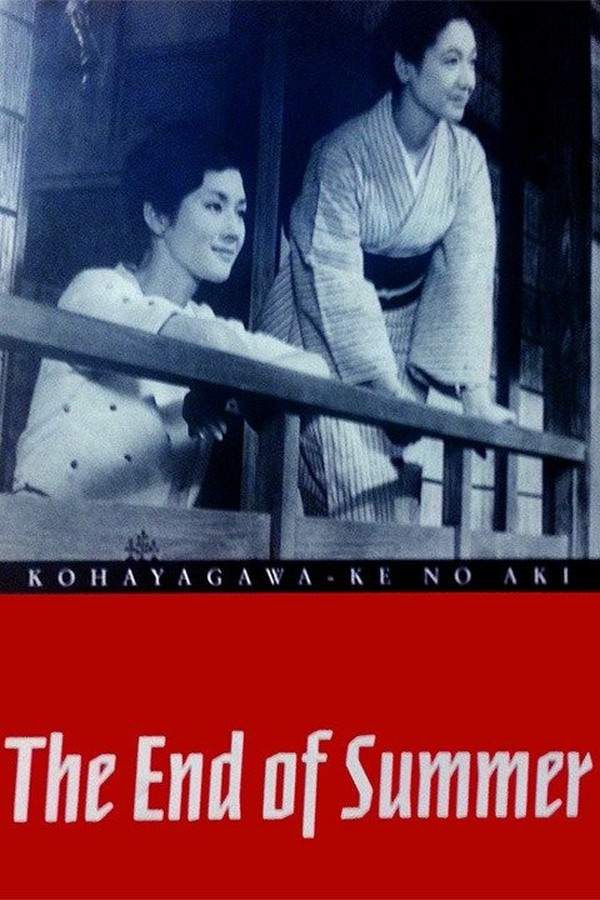
The End of Summer
1962

Peony Pavilion
2001

Sentimental Destinies
2000

The End of the Pale Hour
2021
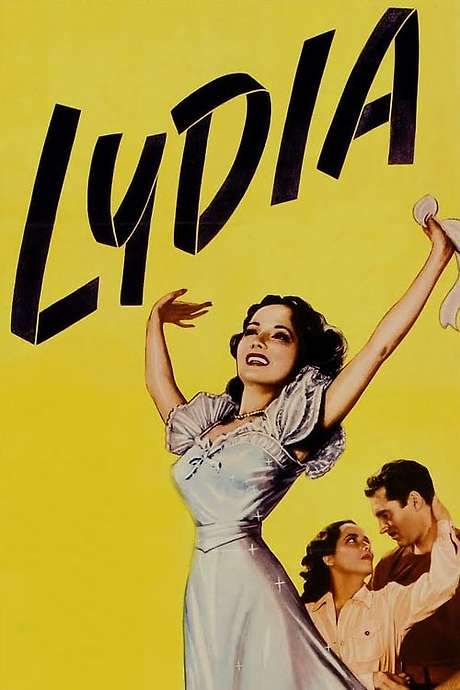
Lydia
1941

A Long Happy Life
1966

My Reputation
1946

Elegy of the North
1957

Somewhere I Have Never Travelled
2009
Super Happy Forever
2024
The Five Senses
1999

Summer Wishes, Winter Dreams
1973

A Summer Story
2024
Narrative Summary
The narrative journey in these films is often introspective, prioritizing mood and character reflection over fast-paced plot. Conflicts arise from internal struggles with the past and a yearning for connection, leading to resolutions that are poignant rather than purely happy or sad.
Why These Movies?
They share a distinctive melancholic and lyrical tone, a patient pacing that emphasizes atmosphere, and a core thematic focus on memory, loss, and the enduring power of human connection.
Unlock the Full Story of Crying… Silicon Tears
Don't stop at just watching - explore Crying… Silicon Tears in full detail. From the complete plot summary and scene-by-scene timeline to character breakdowns, thematic analysis, and a deep dive into the ending - every page helps you truly understand what Crying… Silicon Tears is all about. Plus, discover what's next after the movie.
Crying… Silicon Tears Timeline
Track the full timeline of Crying… Silicon Tears with every major event arranged chronologically. Perfect for decoding non-linear storytelling, flashbacks, or parallel narratives with a clear scene-by-scene breakdown.

Characters, Settings & Themes in Crying… Silicon Tears
Discover the characters, locations, and core themes that shape Crying… Silicon Tears. Get insights into symbolic elements, setting significance, and deeper narrative meaning - ideal for thematic analysis and movie breakdowns.


Similar Movies to Crying… Silicon Tears
Discover movies like Crying… Silicon Tears that share similar genres, themes, and storytelling elements. Whether you’re drawn to the atmosphere, character arcs, or plot structure, these curated recommendations will help you explore more films you’ll love.

Cry Woman
2002

What a Mess
1982

Crazy of all Greece
1983

Come to Uncle
1950

An Italian girl from Kypseli
1968

The Wedding Dance
1966

Greek Pride
1968

Bouzouki Strumming
1966

Crazy, Nuts and Vengos
1967

Wedding like… Greek
1964

Bang-Bang Wedding!
2008

Grousouzis
1952

Please, Ladies, Don’t Cry
1992

The Giant of Kypseli
1968

The Robber Cries Thief!
1965
Explore More About Movie Crying… Silicon Tears
Crying… Silicon Tears (2001) Scene-by-Scene Movie Timeline
Crying… Silicon Tears (2001) Movie Characters, Themes & Settings
Crying… Silicon Tears (2001) Spoiler-Free Summary & Key Flow
Movies Like Crying… Silicon Tears – Similar Titles You’ll Enjoy
Cry Woman (2002) Plot Summary & Ending Explained
What a Mess (1982) Movie Recap & Themes
Crazy of all Greece (1983) Full Movie Breakdown
Come to Uncle (1950) Film Overview & Timeline
An Italian girl from Kypseli (1968) Complete Plot Breakdown
The Wedding Dance (1966) Plot Summary & Ending Explained
Greek Pride (1968) Complete Plot Breakdown
Bouzouki Strumming (1966) Full Summary & Key Details
Crazy, Nuts and Vengos (1967) Complete Plot Breakdown
Wedding like… Greek (1964) Detailed Story Recap
Bang-Bang Wedding! (2008) Movie Recap & Themes
Grousouzis (1952) Story Summary & Characters
Please, Ladies, Don’t Cry (1992) Story Summary & Characters
The Giant of Kypseli (1968) Spoiler-Packed Plot Recap
The Robber Cries Thief! (1965) Story Summary & Characters