Plot Explained Spoilers guaranteed!
Plot Explained

Browse by genre

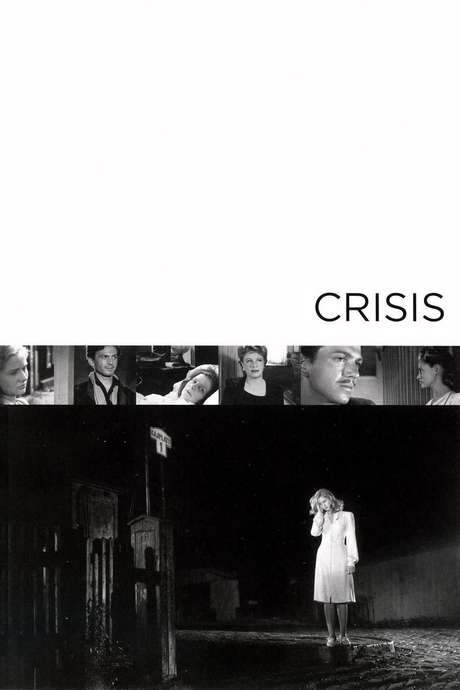
Crisis (1946) movie poster

Characters & Themes

Crisis (1946) Characters, Setting & Themes Explained

Release, runtime and language
1946 · 93 mins · Swedish
Loading streaming availability…
Directed by
Ingmar Bergman
Starring
Ulf Johansson, Inga Landgré, Svea Holst, Gus Dahlström, Maud Hyttenberg, Britta Billsten

A poor Swedish piano teacher and her foster daughter’s lives are upended when the child’s biological mother arrives in their small town to reclaim her.

On this page (8)
  1. 1 Where to watch
  2. 2 Characters explained (5)
  3. 3 Where & when it takes place
  4. 4 Themes & meaning (3)
  5. 5 Character & meaning questions
  6. 6 Movie threads
  7. 7 Movies like Crisis
  8. 8 Every angle
Loading streaming availability…

5 main characters · contains spoilers

Crisis Characters Explained: Who Is Who

The main characters of Crisis (1946), heroes and villains: what drives them, how they change over the course of the story and what each of them reveals about the film's bigger ideas.

  • Nelly (Inga Landgré)

    An innocent 18-year-old girl who is awakening to how her beauty affects men's attention. She is torn between her beloved foster mother Ingeborg and the lure of urban life. Her choices drive the drama as she seeks belonging and self-definition, eventually returning home with a cautious, budding bond with Ulf.

    • 🌸 Innocence
    • 💃 Awakening
    • 👀 Gaze
  • Ingeborg

    A stern but caring rural matron who runs a rooming house and teaches piano to village youth. She sacrifices much for Nelly’s safety and upbringing, embodying quiet duty and resilience. Her world is upended by Nelly’s departure, yet she remains a steady, waiting presence for the girl’s return.

    • 🏡 Motherhood
    • 🎭 Duty
    • 💪 Sacrifice
  • Miss Jenny (Marianne Löfgren)

    Nelly’s biological mother, a woman with a past of scandal who returns to the village with glamour and a beauty salon to lure her daughter toward city life. She seeks material comforts and urban sophistication, using charm to pull Nelly away from the village. Her plan becomes complicated when the revelation that Jack’s murder confession was a deception comes to light.

    • 💄 Glamour
    • 🕶️ Deception
    • 🌆 City life
  • Jack (Stig Olin)

    A dapper, manipulative visitor who follows Jenny to the village and uses a sensational murder story to entice Nelly into the city. He seduces with charm and danger, revealing a willingness to reshape truth for personal gain. After a failed deception, he shoots himself off-screen, leaving Nelly shaken and disillusioned.

    • 💼 Charmer
    • 🗡️ Deception
    • 🔚 Tragedy
  • Ulf (Allan Bohlin)

    Nelly’s admirer who rents a room from Ingeborg. He is protective, patient, and quietly loyal, forming a gentle bond with Nelly as the village returns to its calm rhythm. His presence offers a steady counterpoint to the city’s temptations and a hopeful note for a possible future.

    • 💖 Lovelorn
    • 🏡 Loyal
    • 🌱 Hope

Last updated: October 04, 2025 at 16:54

Was this helpful?

Setting

Where and When Does Crisis Take Place?

The setting of Crisis (1946): the year and time period, the places and locations, and how they shape the characters, the mood and the tension of the story.

Time period

Location

Small Swedish village, The city

The story is anchored in a quiet Swedish village where Ingeborg runs a rooming house and teaches piano. A charity ball and the lakeside setting anchor village social life and hint at a broader, urban world beyond. The city later becomes a focal point, revealing glamour, danger, and the temptations that pull Nelly away before she returns to her roots.

  • 🏡 Village
  • 🏙 City

Last updated: October 04, 2025 at 16:54

Was this helpful?

3 major themes

Crisis Meaning: Themes & Message Explained

What is Crisis (1946) really about? The emotional, social and philosophical themes the film keeps returning to, its symbolism and the message beneath the surface.

  • City Life

    The lure of urban sophistication challenges rural virtue as Nelly is drawn to the ballroom crowds and the flattery of city men. The film contrasts glittering social scenes with the village’s more rigid moral codes, exposing the fragility of innocence. As Nelly moves toward the city, the tension between freedom and responsibility grows, shaping her choices and identity.

  • Motherhood

    Ingeborg embodies quiet sacrifice as a nurturing foster mother who shelters Nelly from harsher realities. Jenny’s return throws the mother-daughter bond into relief, testing loyalties between nurture, affection, and self-interest. The story frames motherhood as both a source of stability and a battleground for competing desires. The waiting moment at the film’s end hints at a fragile future for their makeshift family.

  • Beauty

    Nelly’s beauty becomes social currency, shaping how others treat her and how she perceives herself. The male gaze and romantic fantasies tempt her toward quick, risky choices, as seen in Jack’s manipulative storytelling. The film scrutinizes whether appearance defines truth or merely disguises deeper desires. Ultimately, Nelly’s return to the village suggests a reconsideration of value beyond looks.

Last updated: October 04, 2025 at 16:54

Was this helpful?

Character & theme questions

Crisis Characters & Meaning: Your Questions Answered

The questions people ask about Crisis (1946): who the characters really are, their relationships, what the symbols mean, where it takes place and what the movie is really about. Each answer contains spoilers.

Q1

Where is the story set?

The film takes place in two main locations: a quiet Swedish village where Ingeborg runs a rooming house and teaches piano, and a city that represents glamour, danger, and temptation. The contrast between the rural village and urban environments drives much of the story's tension.

  • swedish village
  • city setting
  • rural vs urban
  • location
Q2

What is the village setting like?

The village is a small, tight-knit community centered around a charity ball and lakeside social life. It operates under stricter moral codes and represents stability, tradition, and the values Nelly must ultimately choose between.

  • swedish village
  • village life
  • moral codes
  • tradition
Q3

What does the City Life theme represent?

The City Life theme explores the lure of urban sophistication challenging rural virtue. Nelly is drawn to glittering social scenes and the flattery of city men, exposing the fragility of innocence. The tension between freedom and responsibility grows as she navigates her choices.

  • city life
  • urban sophistication
  • temptation
  • freedom vs responsibility
Q4

What does the Motherhood theme explore?

The Motherhood theme centers on the conflict between biological bonds and chosen family. Ingeborg represents quiet sacrifice as a nurturing foster mother, while Jenny's return tests loyalties between nurture, affection, and self-interest. The ending hints at a fragile future for their makeshift family.

  • motherhood
  • foster mother
  • biological mother
  • sacrifice
  • family
Q5

What is the Beauty theme about?

The Beauty theme examines how Nelly's appearance becomes social currency, shaping how others treat her and how she sees herself. The male gaze and romantic fantasies tempt her toward risky choices. Her eventual return suggests a reconsideration of value beyond physical looks.

  • beauty
  • appearance
  • social currency
  • male gaze
  • self-worth
Q6

Who is Nelly and what is her role?

Nelly is an 18-year-old girl awakening to how her beauty affects men's attention. She is torn between her beloved foster mother Ingeborg and the lure of urban life. Her choices drive the drama as she seeks belonging and self-definition.

  • nelly
  • foster daughter
  • protagonist
  • awakening
Q7

Who is Ingeborg and what is her role?

Ingeborg is a stern but caring rural matron who runs a rooming house and teaches piano to village youth. She sacrifices much for Nelly's safety and upbringing, embodying quiet duty and resilience. Her world is upended by Nelly's departure, yet she remains a steady presence.

  • ingeborg
  • foster mother
  • piano teacher
  • sacrifice
  • matron
Q8

Who is Miss Jenny and what is her role?

Miss Jenny is Nelly's biological mother, a woman with a past of scandal who returns with glamour and a beauty salon. She seeks material comforts and urban sophistication, using charm to pull Nelly away from the village and into city life.

  • miss jenny
  • biological mother
  • city woman
  • glamour
  • manipulation
Q9

Who is Jack and what is his role?

Jack is a dapper, manipulative visitor who follows Jenny to the village. He uses a sensational murder story to entice Nelly into the city, revealing a willingness to reshape truth for personal gain. After his deception fails, he shoots himself.

  • jack
  • manipulator
  • seducer
  • deception
  • city man
Q10

Who is Ulf and what is his role?

Ulf is Nelly's admirer who rents a room from Ingeborg. He is protective, patient, and quietly loyal, forming a gentle bond with Nelly as the village returns to calm. His presence offers a steady counterpoint to the city's temptations.

  • ulf
  • admirer
  • loyal
  • patient
  • village life
Q11

What genre and tone does the film have?

Crisis is a Drama and Romance film with a melancholic tone that captures the quiet sadness of Ingeborg's sacrifice and Nelly's disillusionment. The ending introduces a hopeful undercurrent with her return, making it bittersweet overall.

  • drama
  • romance
  • melancholic tone
  • bittersweet ending
  • tone

Movie threads

More Movies Like Crisis, by Mood & Story

Curated lists built around what makes Crisis tick: the same mood, the same kind of story or the same emotional payoff. Each list explains why these movies belong together.

Movies about disruptive outsiders in small towns like Crisis

When an outsider's arrival upends the quiet order of a close-knit community. This section features movies like 'Crisis' where a quiet, small town life is disrupted by the arrival of an outsider, leading to emotional upheaval and moral dilemmas. If you liked the tension and character drama in Crisis, you'll find similar stories exploring family secrets, community ties, and the cost of change.

  • tense
  • melancholic
  • reflective
  • small town
  • family drama
  • sacrifice
  • Tone: melancholic, tense, reflective
  • Pacing: slow, deliberate
Why these movies?

The story pattern: The narrative typically begins with an established, often stifling, equilibrium in a small or isolated setting. The arrival of an external force introduces conflict, temptation, or a painful past, forcing characters to make difficult choices between duty and desire, safety and risk. The resolution often involves a bittersweet acceptance of loss or a newfound, hard-won understanding.

Why they belong together: These movies are grouped together because they share a focus on the 'insider vs. outsider' dynamic as a primary source of drama. They create a specific mood of quiet tension and melancholy, often with a slow pacing that allows for deep exploration of character psychology and the weight of community expectations.

Movies about maternal sacrifice with bittersweet endings like Crisis

Stories where a mother's love is tested by impossible choices and profound loss. Discover movies similar to 'Crisis' that focus on the painful sacrifices mothers make, exploring themes of adoption, duty, and heartbreaking choices. These dramas often feature strong emotional weight, complex mother-daughter relationships, and endings that are both sad and hopeful.

  • somber
  • emotional
  • bittersweet
  • family drama
  • sacrifice
  • mother daughter
  • Tone: melancholic, somber, bittersweet
  • Pacing: slow, character-driven
Why these movies?

The story pattern: The narrative follows a maternal figure faced with an agonizing decision that pits her own happiness against the perceived best interest of her child. This journey is marked by emotional turmoil, self-denial, and often a tragic event that underscores the stakes. The conclusion is rarely purely happy or sad, but instead a bittersweet acceptance of a new, altered reality built on the foundation of that sacrifice.

Why they belong together: These films are connected by their deep exploration of maternal love as a force that demands immense personal cost. They share a melancholic and somber mood, a medium to heavy emotional weight, and a narrative structure that leads to a emotionally complex, bittersweet ending, providing a cathartic yet thoughtful viewing experience.

If you liked this

Movies Like Crisis

Similar movies to Crisis: the same genre, themes or kind of story. Each one comes with its own plot summary, timeline and ending explained.

Browse all movie summaries

Every angle

Crisis (1946) Explained: Plot, Timeline & Characters

Everything about Crisis in one place: what happens in the plot summary, the timeline in chronological order, the characters and meaning and a spoiler-free summary. What's After the Movie adds the cast, box office and post-credit scenes.

Coming soon on iOS and Android

The Plot Explained Movie Summary App

Plot summaries, endings explained and timelines on your phone. Catch up on any movie in minutes, save your favorites and never miss a twist again.

Be the first to know when we launch. Your email stays private, always.

Learn more about the app