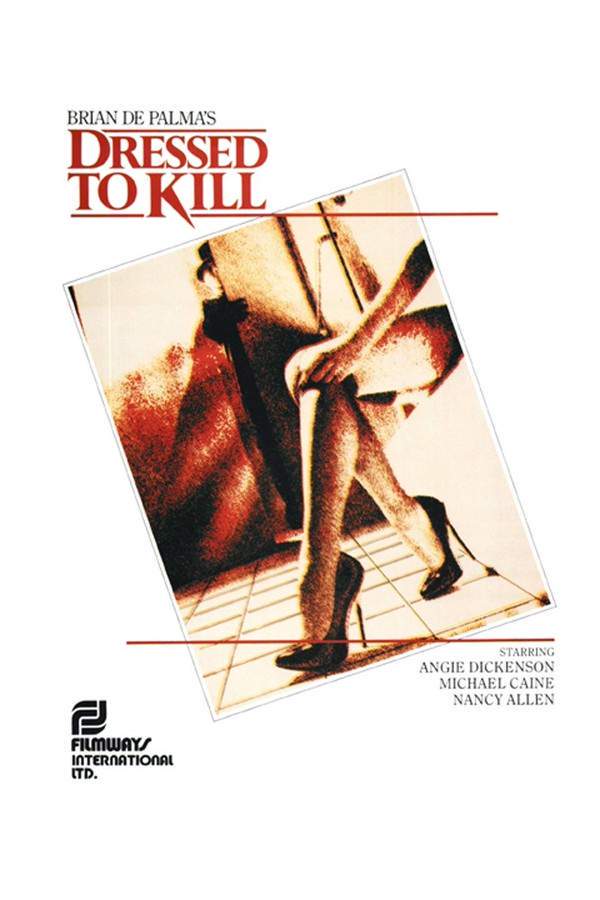
In London, a cover girl model is found dead, posed exactly as she appeared on the front cover of Wow magazine. The police quickly uncover a troubling pattern: another recently deceased model also posed for the magazine, and then a third follows. All three deaths occur by overdose and are dressed in the same outfit the models wore for the magazine shoot. Although the official notes point to suicides, investigators notice an injection mark under the fingernail of the latest victim, a clue that suggests murder rather than a simple tragedy.
As the case unfolds, the detectives confront the magazine’s owner, Johnny Mason, an archaeologist who has just inherited the magazine from his uncle. He explains that the pattern ties the victims together through Wow, and that each woman had posed for the publication. The investigation widens, revealing that a number of cover girls have died in similar circumstances. The lead investigators, including Inspector Brunner, are convinced the killer is using the magazine as a lure, and they brace for the possibility that more young women could follow.
The hunt intensifies as the killer remains elusive, adopting a string of disguises—from an advertising executive to a film and TV producer—and continuing to lure new victims to their deaths. His motive, as the authorities fear, is rooted in a belief that the girls’ moral failings justify murder, a chilling rationale that fuels the pursuit but also complicates every lead.
A taunting move comes when Spendoza, giving the name Fairchild to the police, feeds a false lead that points to one of his supposed tenants, a red herring designed to throw them off the scent. He emphasizes a need for glasses, a detail that underscores how easily he could be misidentified. Yet the investigation presses on, and the publicized plan grows bolder.
The tension peaks when June June Rawson, the model linked to the next edition and also Johnny’s girlfriend, volunteers to pose while undercover officers guard her. The plan is to lure the killer to a theatre and burlesque show, hoping the stage would become his downfall.
In a further twist, Spendoza—without his glasses and operating under another alias—arranges for a lookalike to appear at the theatre, hoping to keep the police at bay while he moves closer to June. The police, believing they have caught the killer, escort him to the station, leaving a single officer to watch over June. But the night spirals out of control when the murderer attacks, and June finds herself face-to-face with the danger she hoped to outwit.
This tense story unfolds with a stark, procedural rhythm, balancing suspenseful cat-and-mawn games with a mounting sense of dread. The pursuit is driven by the killer’s calculated need to orchestrate deaths that appear to be suicides but reveal deeper manipulation. Through the cautious steps of the police and the calculated risk taken by those willing to stand in harm’s way, the narrative keeps a firm, unflinching eye on motive, method, and the fragile boundary between art, publicity, and danger.
- The investigation threads a path through carefully staged performances, undercover watches, and the claustrophobic pressure of a city nervously waiting for the next photograph to become a crime scene. The uneasy alliance between glamour and crime is laid bare as the detectives chase a man whose appearance, even at its most spectacular, remains his most dangerous disguise.