
Phase 7
Year: 2010
Runtime: 95 mins
Language: Spanish
Director: Nicolás Goldbart
A man protects his pregnant wife from their neighbors after the apartment is quarantined.
Warning: spoilers below!
Haven’t seen Phase 7 yet? This summary contains major spoilers. Bookmark the page, watch the movie, and come back for the full breakdown. If you're ready, scroll on and relive the story!
Timeline – Phase 7 (2010)
Trace every key event in Phase 7 (2010) with our detailed, chronological timeline. Perfect for unpacking nonlinear stories, spotting hidden connections, and understanding how each scene builds toward the film’s climax. Whether you're revisiting or decoding for the first time, this timeline gives you the full picture.
Last updated: November 22, 2025 at 15:59
Phase 7 (2010) Timeline Questions Answered – Chronology FAQ
Find frequently asked questions about the Phase 7 (2010) timeline, including chronological order, nonlinear jumps, cause-and-effect links, and scene sequence clarifications. This timeline FAQ helps explain when key events happen, how moments connect, and why the story unfolds in that specific order.
Why does Coco remain passive about the quarantine despite the danger?
Coco initially treats the quarantine as an inconvenience rather than a threat. He focuses on losing Internet access and television, trying to sleep through the crisis. His apathy stems from a refusal to confront the reality of the situation, reflecting how many people initially dismiss impending disasters until they become unavoidable. This passive response contrasts sharply with the mounting panic around him.
Early scenes show Coco and Pipi bickering over groceries while the city grows tense outside, establishing his tendency to avoid confronting problems.
Why does Horacio draw Coco into his survivalist plan?
Horacio sees the quarantine as confirmation of his long-held paranoia about societal collapse. His fortified apartment serves as a bunker, and he interprets the pandemic as evidence of a New World Order conspiracy. He recruits Coco because he needs an ally to implement his traps and defend against perceived threats, viewing the building as a micro-society that must be controlled.
Horacio's apartment is already described as a 'bunker-like' fortified space before the quarantine begins.
Why do the neighbors target Zanutto as sick?
Zanutto becomes a target because he is elderly and appears weak, making him an easy suspect for carrying illness. The tenants, driven by fear and paranoia, prey on anyone who seems vulnerable. This reflects how crises create scapegoats, and Zanutto's vulnerability makes him a convenient focus for the building's collective fear.
The timeline notes that 'tension rises as distrust spreads through the building,' with Zanutto becoming a focal point of fear.
Why does Zanutto use a shotgun against the other tenants?
Zanutto uses a shotgun in self-defense after being targeted by tenants who see him as a disease carrier. The violence erupts when neighbors approach his apartment threateningly, and he responds with lethal force to protect himself from what he perceives as an imminent attack. This moment transforms the building into a dangerous space where anyone can become a target.
Zanutto's violent response directly follows the escalation of tenants 'prey[ing] on him' due to suspected illness.
Why does Zanutto ask Coco to watch his dachshund before dying?
Before dying from his wound, Zanutto asks Coco to care for his dachshund as a final human request. This moment reveals the personal toll behind the conflict, showing that even during violence and paranoia, characters maintain human connections and responsibilities. The request humanizes Zanutto and provides a brief pause amid the brutality.
The 'fragile, uneasy truce' that follows the confrontation allows space for this quiet moment of mercy.
Why does Horacio reveal his hidden refuge to Coco?
Horacio reveals his hideout location when he realizes he is infected and weakening from his wounds. He entrusts Coco to take his daughter Luli and Pipi to safety, showing that despite his paranoid violence, he still cares about protecting his child. This reveals a vulnerable side beneath his survivalist exterior, making his death more tragic.
Horacio's condition deteriorates after the confrontation with Zanutto, where he receives a mortal wound.
Why does Horacio stab Coco when he refuses to lead?
Horacio stabs Coco in a desperate attempt to provoke action after Coco refuses to take charge and leave with the girls. Weakened and possibly delirious from infection, Horacio attacks the person he just asked to save his daughter, believing that shock might force Coco into survival mode. This violent outburst reflects his deteriorating mental state and desperation to ensure his plan succeeds.
The tension between Coco's reluctance and Horacio's desperation builds after the scavenging trip and attack.
Why does the Chinese father appear and kill Horacio?
The Chinese father, who had been missing throughout the early chaos, suddenly returns and shoots Horacio through the neck. This violent intervention ends Horacio's arc abruptly, suggesting he had been survival planning as well. Horacio dies with a 'grim, satisfied smile,' perhaps relieved to avoid a slow death from infection. The act underscores how survival often requires sudden, violent decisions.
The Chinese family is mentioned early as part of the building's residents, setting up their later reappearance.
Why does Coco become an active defender after being passive?
Coco transforms from a passive observer to an active defender during the scavenging trip when armed intruders attack Horacio and him. This moment forces him to act decisively, and he successfully kills the aggressors, proving his value. The attack serves as a catalyst that pushes him from indifference to participation in the building's survival dynamics.
Horacio's growing demands for Coco to wear hazmat gear and carry weapons foreshadow his eventual combat role.
Why does Horacio ask Coco to take care of his daughter Luli?
Horacio asks Coco to take his daughter Luli to the hidden refuge because he knows he is infected and dying. Despite his paranoid and violent behavior, he wants to ensure his child's safety. This request shows the depth of his paternal concern and demonstrates how even survivalists prioritize family in crisis situations.
Luli appears as Horacio's daughter in the cast, establishing their relationship early in the story.
Why does Coco agree to leave Pipi behind to confront Zanutto?
Coco leaves Pipi behind when Horacio convinces him to join the confrontation against Zanutto. He follows Horacio's leadership despite his own shaky resolve, showing his reluctance to stand up to the survivalist. Coco's ineffective participation in the standoff highlights his continued reluctance to fully commit to the building's violent dynamics.
Horacio 'convinces' Coco to leave Pipi, exploiting Coco's weakness and need for approval.
Why do the survivors escape together toward Horacio's hideout?
After Horacio's death, Coco, the Chinese family, and remaining tenants use Horacio's armored vehicle to reach his hidden refuge. They form a 'cautious alliance' driven by shared survival goals. The escape represents a shift toward relocation and safety, leaving behind the traumatic quarantine building while heading toward an uncertain but hopeful future.
The plan to reach the hideout was established when Horacio revealed its location before dying.

Explore Movie Threads
Discover curated groups of movies connected by mood, themes, and story style. Browse collections built around emotion, atmosphere, and narrative focus to easily find films that match what you feel like watching right now.
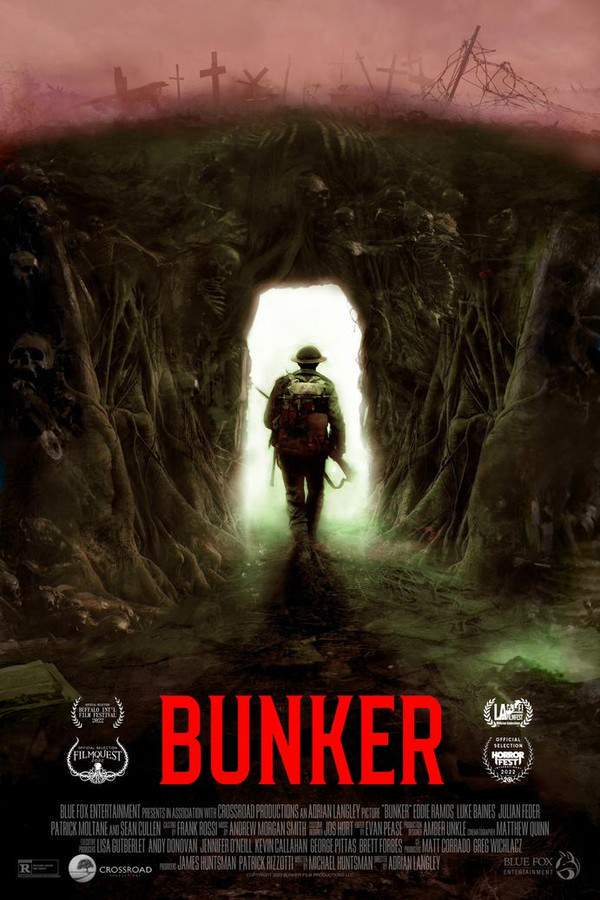
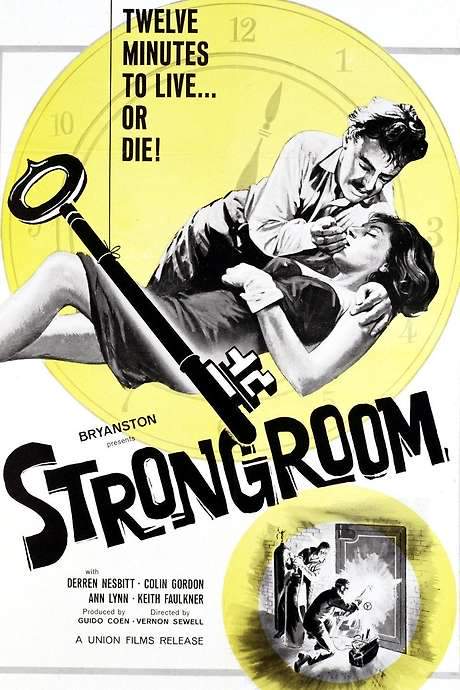
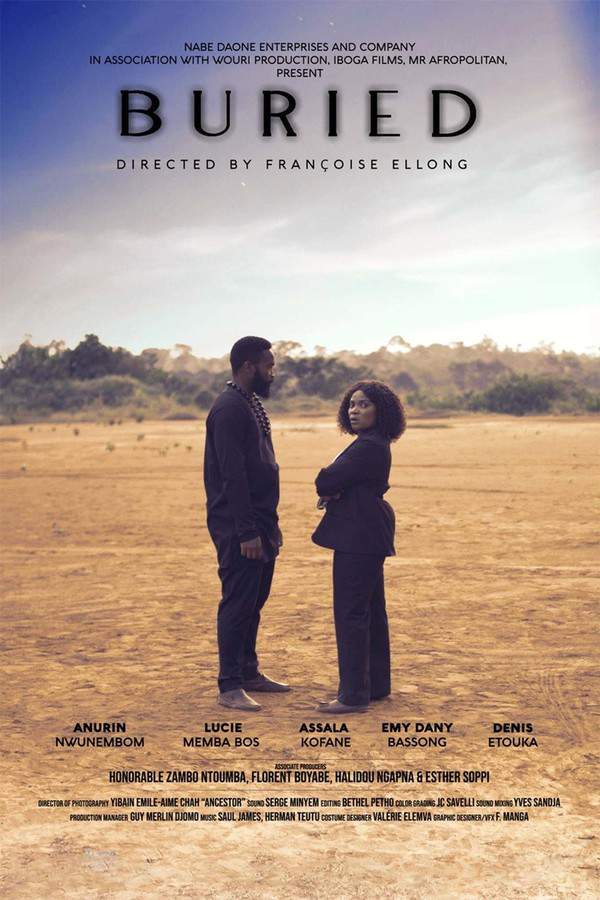
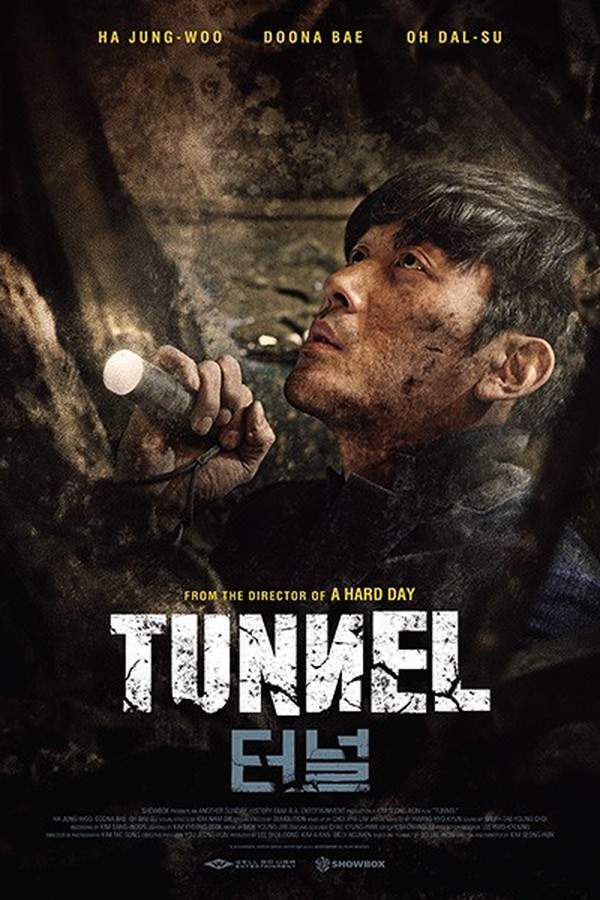
Claustrophobic siege thrillers like Phase 7
Trapped communities turning on each other under extreme pressure.If you liked the tense, trapped feeling of Phase 7, explore more movies about confined communities under siege. These films focus on the paranoia and brutality that erupt when ordinary people are forced together in a life-or-death scenario, creating similar high-intensity, unsettling experiences.










Narrative Summary
These narratives begin with a group of people confined by an external threat. The initial unity quickly fractures as resources dwindle, paranoia spreads, and power struggles emerge. The plot focuses on the escalating internal conflict, where alliances shift and the line between friend and foe blurs, culminating in a violent confrontation for control.
Why These Movies?
They are grouped by the shared experience of high-tension confinement, exploring how enclosed settings accelerate societal collapse. The mood is consistently claustrophobic, paranoid, and desperate, with a steady pacing that methodically builds dread towards an often brutal climax.
Movies about micro-society collapse like Phase 7
Watching civilization's rules crumble in a small, isolated group.Fans of Phase 7 who enjoyed its exploration of how neighbors devolve into a brutal survivalist community will find similar themes here. This thread collects stories where societal collapse happens on a small scale, focusing on the psychological and ethical unraveling in isolated groups.

Leave the World Behind
2014
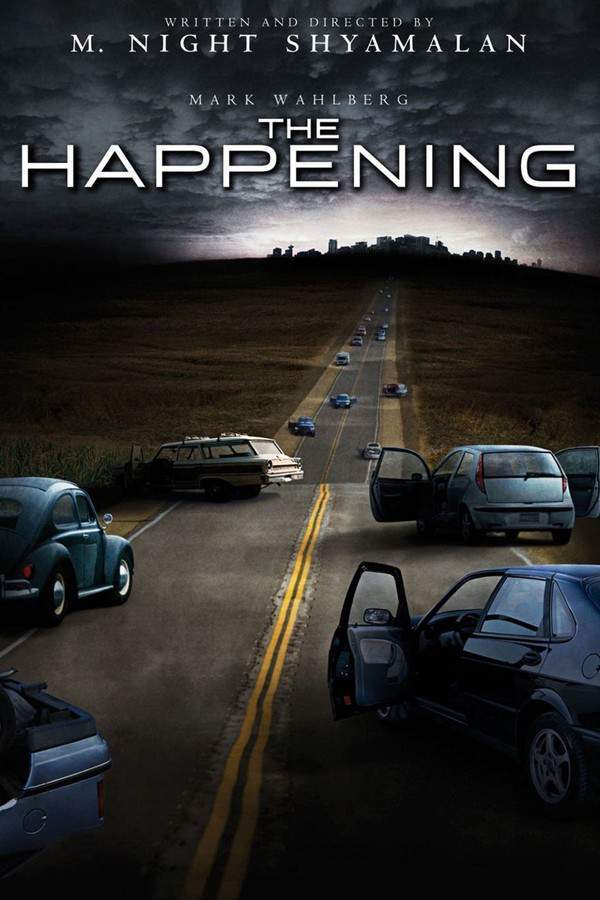
The Happening
2008

9/Tenths
2006

Panic in Year Zero!
1962

Things to Come
2016

Forever’s End
2013
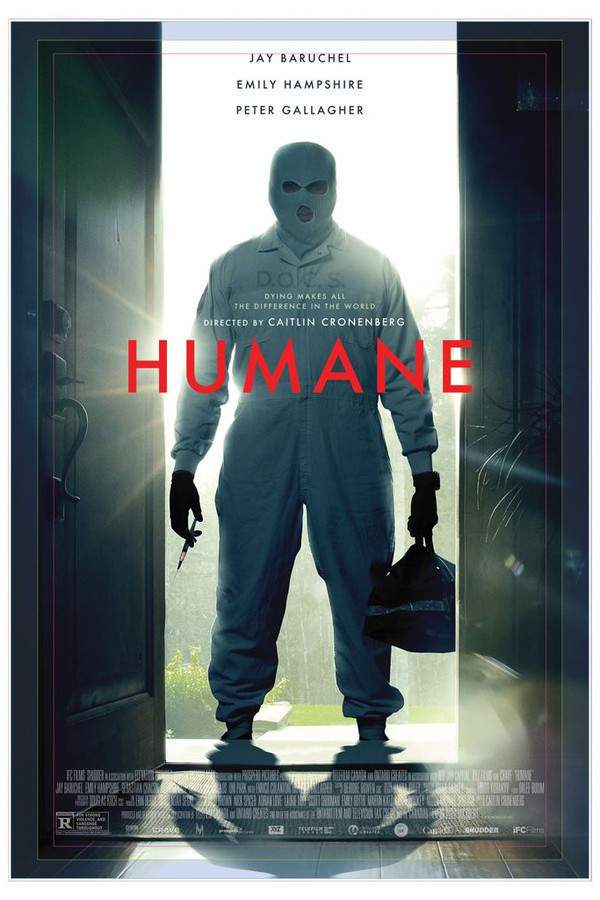
Humane
2024

Dawn of the Dead
1979

The Thinning: New World Order
2018
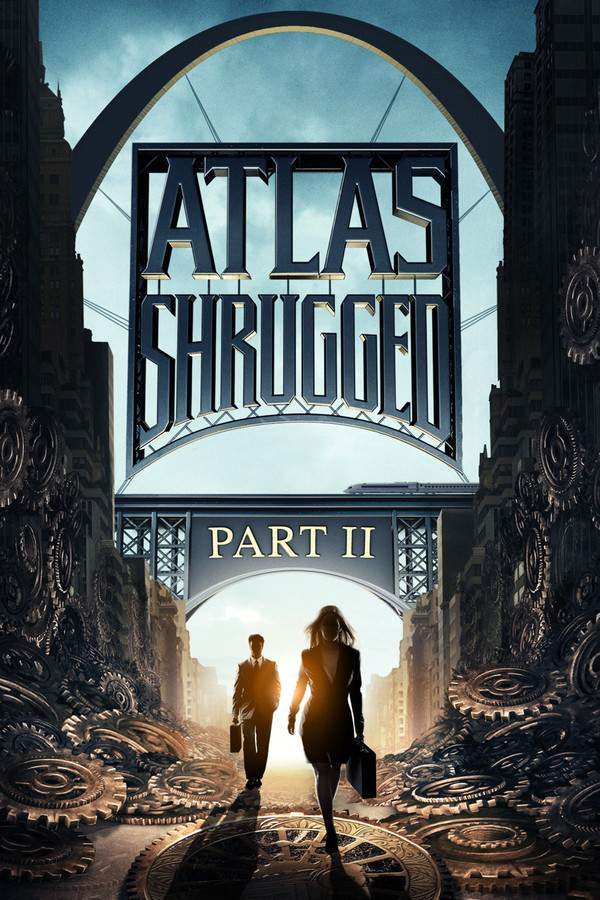
Atlas Shrugged II: The Strike
2012

The Quiet Earth
1985

Bubble
2006

Things to Come
1936

Circle
2015

Wall to Wall
2025
Narrative Summary
The story follows a small community that becomes isolated, either physically or systemically. The narrative charts the methodical breakdown of civility and cooperation, replaced by a dog-eat-dog mentality, the rise of a dominant, manipulative figure, and the desperate measures taken by protagonists to navigate the new, savage normal.
Why These Movies?
They share a focus on the theme of societal breakdown explored through a tight-knit group. The pacing is steady, leading to a heavy emotional weight as characters are forced to abandon their morals. The tone is tense and unsettling, often ending on an ambiguous note about the cost of survival.
Unlock the Full Story of Phase 7
Don't stop at just watching - explore Phase 7 in full detail. From the complete plot summary and scene-by-scene timeline to character breakdowns, thematic analysis, and a deep dive into the ending - every page helps you truly understand what Phase 7 is all about. Plus, discover what's next after the movie.
Phase 7 Summary
Read a complete plot summary of Phase 7, including all key story points, character arcs, and turning points. This in-depth recap is ideal for understanding the narrative structure or reviewing what happened in the movie.

Characters, Settings & Themes in Phase 7
Discover the characters, locations, and core themes that shape Phase 7. Get insights into symbolic elements, setting significance, and deeper narrative meaning - ideal for thematic analysis and movie breakdowns.


