Plot Explained Spoilers guaranteed!
Plot Explained

Browse by genre

Confession (1955) movie poster

Timeline

Confession (1955) Timeline Explained – Every Event in Order

Release, runtime and language
1955 · 90 mins · English
Loading streaming availability…
Directed by
Ken Hughes
Starring
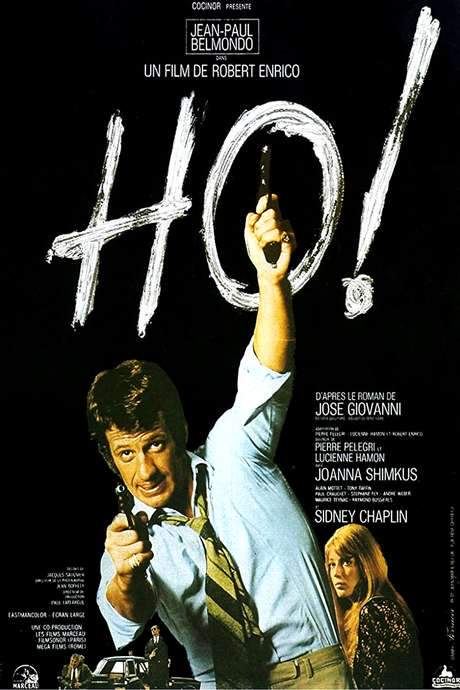
Sydney Chaplin, Audrey Dalton, Percy Herbert, John Welsh, Patrick Allen, Pat McGrath

The Door Past Which No Law Could Go A confession to a priest from a thief leads to the priest’s life being threatened by his gang.

On this page (6)
  1. 1 Where to watch
  2. 2 Events in order (12)
  3. 3 Timeline questions answered
  4. 4 Movie threads
  5. 5 Movies like Confession
  6. 6 Every angle
Loading streaming availability…

12 events in order · contains spoilers

Confession Timeline: Events in Chronological Order

Every key event of Confession (1955) in order, scene by scene, with when and where it takes place. Use it to untangle flashbacks, time jumps and parallel storylines, to refresh your memory before the sequel or to find the exact scene you are thinking of.

  1. Alan's confession (opening scene)

    In a church confessional, Alan admits to a killing: 'I have killed a man, Father.' He is a Roman Catholic, and the confession sets the moral stakes for the story. The priest receives the absolution, but the audience understands this confession will ripple through the family and events to come.

    When
    Opening scene
    Where
    Church confessional
  2. Mike returns to the family cottage

    Mike Nelson arrives back at the countryside family home after years in the USA working in oil. His sister Louise welcomes him warmly, while their father is more reserved. Their childhood friend Alan greets Mike, hinting at old ties between them.

    When
    Afternoon/Evening
    Where
    Family cottage
  3. Secret stash revealed

    In private, Mike unlocks a suitcase in his old room and reveals a hidden compartment full of dollar bills and a gun. He quietly hides the suitcase again, indicating concealed danger or secrets that could explode later. The environment is tense as family dynamics unfold.

    When
    Soon after arrival
    Where
    Mike's old room
  4. Phone call disrupts dinner

    During dinner at the family home, Mike receives a troubling phone call informing him that someone has tracked him down. The call underscores that his past is catching up with him and raises stakes for the whole family.

    When
    Evening
    Where
    Family dining room
  5. Bank encounter and the demand for a 'cut'

    At the bank, a man approaches Mike and demands his 'cut.' The tense exchange leads to a plan to meet near a railway shunting yard. The confrontation foreshadows the violence to come and tests Mike's nerve.

    When
    Evening
    Where
    Bank; planned meeting near railway
  6. Confrontation at the railway meeting

    Mike goes to the planned meeting armed with a gun. A scuffle erupts when the other man is confronted, and Alan happens to be passing by. He disarms the moment and shoots the man dead to prevent Mike's likely murder. They drive away, debating whether to involve the police.

    When
    Night
    Where
    Near railway shunting yard
  7. Alan's confession leads to his murder

    The police later discover that Alan had decided to confess his crime (as shown in the opening scene), but a second, unseen assailant shoots him during absolution. The priest refuses to cooperate with the police about confessions, complicating the investigation. The ripple effects begin to threaten Mike and Louise.

    When
    Shortly after the railway incident
    Where
    Church
  8. Investigation hardens against Mike

    The police compare bullets and tyre tracks, mistakenly concluding that both victims were killed by the same man. They establish that Mike's alibi is false, but they cannot yet see his connection to the crime. The investigation widens the suspicion around the family.

    When
    Following Alan's murder
    Where
    Police HQ
  9. Louise questioned by the inspector

    The inspector takes Louise to dinner and hints about Mike's past with American police while probing her about Mike's whereabouts and alibi. Louise is unsettled, sensing a larger conspiracy and emotional danger. She becomes a key link between Mike and the investigation.

    When
    Later
    Where
    Restaurant
  10. Mike confesses to Louise

    Louise finds Mike's secret stash and confronts him; he finally confesses the truth: Alan killed the man near the railway and Mike lied to protect Alan. He warns that the truth would devastate their father. The revelation shifts loyalties within the family.

    When
    Night
    Where
    Louise's room
  11. Police trap is set

    The police scheme to trap Mike by falsely claiming the priest is about to make a Rome-approved statement. Louise leaves to visit an aunt to avoid Mike, while the inspector orders her to stay to participate in the trap. The father grows suspicious and confronts Mike as he prepares to flee.

    When
    Night
    Where
    Family home
  12. Final church assault and death

    Mike heads to the church, hoping to kill the priest, but the organ interrupts and throws off his aim. He flees to the bell tower, firing at the police, and is eventually deafened when the bell rings and falls to his death. Louise arrives to witness the climactic tragedy as the truth unravels.

    When
    Climax
    Where
    Church (inside and bell tower)

Last updated: October 07, 2025 at 08:46

Was this helpful?

Timeline questions answered

Confession Timeline Explained: Your Questions Answered

When does it happen, and why in that order? The questions people ask about the chronology of Confession (1955): time jumps, flashbacks, cause and effect between scenes and the correct order of events, each answered with spoilers.

Q1

Why does Alan kill the man at the railway shunting yard?

Alan shoots the man to save Mike's life. When Mike goes to meet the dangerous man who demanded his 'cut,' a confrontation ensues where the attacker gets the upper hand. Alan happens to pass by, sees Mike being overpowered, and grabs the gun to shoot the attacker dead before the man can kill Mike.

Foreshadowing: Earlier, the phone call reveals someone has tracked Mike down, suggesting the confrontation was inevitable.

  • alan
  • murder
  • railway
  • save mike
  • self defence
Q2

Who kills Alan and why is he murdered in the church?

Alan is killed by a second, unseen assailant while receiving absolution in the confessional. The killer's identity remains ambiguous throughout the film, but the murder occurs to silence Alan before he can reveal details about the railway killing. The attacker waits until Alan confesses, then shoots him through the confessional screen.

Foreshadowing: The opening scene shows Alan's confession, directly setting up his murder moments later in the narrative.

  • alan
  • murder
  • church
  • confession
  • silenced
Q3

Why does Mike lie to police about Alan's involvement?

Mike lies to protect Alan because he feels responsible for the situation, he was the one who led Alan into danger at the railway. More importantly, Mike fears the truth would devastate his elderly father, who already views Mike with reserved suspicion. Mike chooses to carry the burden of the lie rather than expose his family to the shame and pain of knowing what truly happened.

Foreshadowing: The father's quietness upon Mike's return hints at underlying tension and distrust.

  • mike
  • alan
  • lie
  • police
  • protect father
Q4

Why does the priest refuse to tell police what Alan confessed?

The priest maintains the sacred seal of the confessional, which is absolute in Catholic doctrine. Even when police warn him he may become a target, the priest refuses to reveal what Alan confessed. This forces the police to rely on forensic evidence rather than the confession itself.

Foreshadowing: The film's title 'The Door Past Which No Law Could Go' references this exact principle, the confessional is a space beyond legal reach.

  • priest
  • confession
  • seal
  • catholic
  • police
Q5

How do police connect Mike to the murders?

Police connect Mike through forensic evidence: they compare bullets from both victims and note the tyre tracks leading from the railway scene match Alan's car. When they discover Mike's alibi is false, he claimed to be in a pub with Alan but was not, the suspicion hardens against him. The false alibi, combined with the forensic links, makes Mike their prime suspect.

Foreshadowing: Early on, police note tyre tracks at the railway scene, establishing this evidence will matter later.

  • police
  • evidence
  • tyres
  • bullets
  • alibi
Q6

Why does Mike attack the priest in the church?

Mike attempts to kill the priest to prevent him from revealing Alan's confession. When police announce the priest has obtained permission from Rome to make a formal statement, Mike believes the sacred seal will be broken and his involvement will be exposed. Desperate to protect his family from the shame, he decides to silence the priest permanently.

Foreshadowing: The police set this trap specifically to lure Mike into attacking, knowing he would try to stop the confession.

  • mike
  • priest
  • church
  • attack
  • kill
Q7

How does Mike die at the end?

Mike dies when he falls from the church bell tower. After his initial attempt to shoot the priest fails because the organ music disrupts his aim, police storm the church. Mike retreats to the bell tower, firing at officers below. As he runs out of ammunition, the massive bell begins ringing, either accidentally triggered or by police, and the overwhelming sound deafens him, causing him to lose his balance and plummet to his death.

Foreshadowing: The title 'Confession' and the symbolic weight of the church setting foreshadow this fatal reckoning in a sacred space.

  • mike
  • death
  • bell tower
  • fall
  • church
Q8

What is the 'permission from Rome' that police claim the priest has obtained?

The claim that the priest obtained permission from Rome to break the confessional seal is a police ruse designed to trap Mike. No such exception actually exists, the seal of confession is absolute in Catholic law. The police use this false promise to draw Mike out, knowing he would risk everything to prevent the confession from becoming public.

Foreshadowing: The police's trap is set during the family dinner scene when they explain their plan to Louise.

  • rome
  • police
  • trap
  • confession
  • lie
Q9

What are the contents of Mike's secret suitcase compartment?

Mike's hidden suitcase compartment contains a large sum of US dollar bills and a loaded gun. The money likely represents earnings from his years in the US oil industry, though its large volume and secrecy suggest it may have other origins. The gun is what he takes to the railway meeting, intending to defend himself against the man demanding his 'cut.'

Foreshadowing: The phone call revealing someone has tracked Mike down connects directly to this hidden fortune.

  • mike
  • money
  • gun
  • suitcase
  • secret
Q10

What does the father's accusation of 'Murderer!' mean?

The father senses something is terribly wrong as the police trap closes around Mike. When Mike tries to flee to the church, the father confronts him and dramatically calls him 'Murderer!', not necessarily because he knows the full truth, but because he recognizes his son's involvement in something Deadly. This accusation shatters Mike, pushing him toward his final desperate act at the church.

Foreshadowing: The father's reserved quietness throughout the film masks his growing suspicion and dread.

  • father
  • murderer
  • accusation
  • confrontation
  • family
Q11

What does the subtitle 'The Door Past Which No Law Could Go' mean?

The subtitle refers to the confessional, the sacred space where the seal of confession is absolute. No civil law, not even the threat of murder or police pressure, can compel a priest to reveal what was confessed. This principle becomes central to the plot, as the priest's silence drives Mike to desperate violence and ultimately to his death.

Foreshadowing: The opening scene immediately establishes the confessional as the key narrative device.

  • title
  • confessional
  • priest
  • law
  • seal

Movie threads

More Movies Like Confession, by Mood & Story

Curated lists built around what makes Confession tick: the same mood, the same kind of story or the same emotional payoff. Each list explains why these movies belong together.

Moral Dilemma Crime Thrillers like Confession

Stories where a single ethical choice traps characters in a devastating chain of events. If you liked the high-stakes ethical conflict in Confession, explore more movies where a character's moral choice triggers a tragic downward spiral. These films share a tense, heavy atmosphere and focus on the human cost of impossible decisions within a criminal context.

  • tense
  • anxious
  • grim
  • suspenseful
  • moral conflict
  • tragic
  • Tone: tense, bleak, heavy
  • Pacing: fast, escalating
Why these movies?

The story pattern: The narrative typically hinges on a pivotal moment—a confession, a lie, a betrayal—that violates a deep personal or moral code. This act creates a pressure-cooker scenario where the protagonist is torn between self-preservation and their conscience, with the tension escalating relentlessly towards a devastating outcome that feels both shocking and fated.

Why they belong together: These movies are grouped by their shared focus on an internal ethical battle manifesting as external crisis. They deliver a consistently tense and heavy viewing experience, defined by high emotional stakes and a pacing that accelerates towards tragedy, making the moral dilemma the primary engine of the plot.
Claustrophobic Film Noir like Confession

Grim crime stories where characters are trapped by fate and their own flawed choices. Fans of the grim, tense atmosphere and tragic fate in Confession will find more films with a similar claustrophobic noir vibe. These stories feature desperate characters, high-intensity situations, and a pacing that drives inexorably toward a bleak and sorrowful conclusion, much like classic film noir.

  • noir
  • grim
  • claustrophobic
  • suspenseful
  • paranoid
  • melancholic
  • Tone: grim, tense, melancholic
  • Pacing: fast, relentless
Why these movies?

The story pattern: Stories in this thread follow a protagonist, often an everyman or a minor criminal, who makes a critical error or is victimized by circumstance. They become ensnared in a situation from which there is no clean escape, pursued by both external forces and their own guilt. The plot is a fast-moving spiral towards a destructive, often violent, endpoint that reinforces a cynical worldview.

Why they belong together: These films are united by a specific mood and tone: a combination of high tension, grim pessimism, and a fast-paced narrative that creates a feeling of claustrophobia and inevitable doom. The shared experience is one of suspenseful anxiety leading to a deeply saddening resolution.

If you liked this

Movies Like Confession

Similar movies to Confession: the same genre, themes or kind of story. Each one comes with its own plot summary, timeline and ending explained.

Browse all movie summaries

Every angle

Confession (1955) Explained: Plot, Timeline & Characters

Everything about Confession in one place: what happens in the plot summary, the timeline in chronological order, the characters and meaning and a spoiler-free summary. What's After the Movie adds the cast, box office and post-credit scenes.

Coming soon on iOS and Android

The Plot Explained Movie Summary App

Plot summaries, endings explained and timelines on your phone. Catch up on any movie in minutes, save your favorites and never miss a twist again.

Be the first to know when we launch. Your email stays private, always.

Learn more about the app