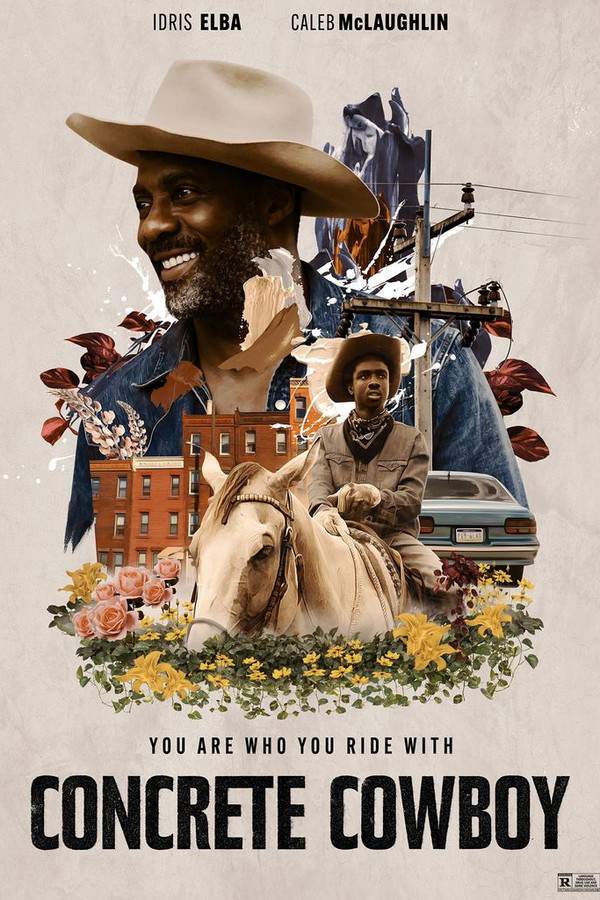
Concrete Cowboy

In North Philadelphia, a troubled 15-year-old named Cole is sent to live with his estranged father. Seeking refuge from a difficult life, Cole discovers an unexpected community of urban cowboys who ride and care for horses in the city. He finds himself drawn into their world, forging a bond with his father and experiencing a path toward redemption and self-discovery amidst the challenges of their surroundings.
Where to Watch Concrete Cowboy?
Find where to stream, rent, or buy Concrete Cowboy (2021) in the US with current JustWatch availability, up-to-date pricing, and platform listings for subscription, rental, and digital purchase options.


Streaming availability powered by 
Warning: spoilers below!
Haven’t seen Concrete Cowboy yet? This summary contains major spoilers. Bookmark the page, watch the movie, and come back for the full breakdown. If you're ready, scroll on and relive the story!
Concrete Cowboy (2021) – Ending Explained & Final Scene Breakdown
Still thinking about how Concrete Cowboy (2021) ended? Here’s a full breakdown of the ending, key final moments, major twists, and the deeper meaning behind the film’s conclusion.
The ending of Concrete Cowboy emphasizes the resilience and spirit of the Fletcher Street community. After the developers plan to demolish the neighborhood and remove their horses, Harp and the others decide to stand their ground. They steal a horse from a police stable to prevent the horses from being taken away, symbolizing their fight to preserve their cultural heritage. When they return home, they find their houses being demolished by construction machinery, but Harp delivers a stirring speech about identity and belonging: he reminds Cole and everyone else that a place is not just bricks and mortar, but the people and memories that make it their home. His words underscore the idea that while buildings can be destroyed, the community’s spirit and their sense of identity cannot be eradicated.
In the final scenes, Harp and Cole continue to seek a new stable where they can keep their traditions alive, highlighting that even in the face of loss and displacement, the community’s bond and love for their heritage endure. The film closes on a hopeful note, emphasizing that 'home' is ultimately about belonging and family, not just a physical location. It’s a powerful reminder that the essence of a community—its history, culture, and spirit—can survive beyond the physical spaces and can be kept alive through shared stories, love, and perseverance. This ending underscores the importance of holding onto one’s roots, even when everything around them is changing or falling apart.
Last updated: June 25, 2025 at 08:58
Concrete Cowboy (2021) Ending Questions Answered – Ending FAQ
Read frequently asked questions about the ending of Concrete Cowboy (2021), including final-scene interpretation, twist explanations, character outcomes, and the deeper meaning behind the conclusion. This ending explained FAQ is designed for viewers searching for clear spoiler-heavy answers and ending breakdown insights.
Why does Harp steal the horse from the police stable?
Harp steals the horse to prevent the authorities from taking away the horses that belong to the Fletcher Street community. With the developers planning to demolish the neighborhood and remove the horses, Harp and the others decide to fight back by taking matters into their own hands. This act symbolizes their determination to preserve their cultural heritage and way of life, showing they won't passively accept the destruction of their community.
What happens to the Fletcher Street community at the end?
The houses in the Fletcher Street neighborhood are demolished by construction machinery. However, the community does not disappear. Harp delivers a speech emphasizing that a place is defined by its people and memories, not buildings. The film ends with Harp and Cole actively searching for a new stable where they can continue their traditions, demonstrating that the community's spirit endures despite the physical destruction.
What does Harp's speech about home mean in the final scene?
Harp's speech conveys that home is not defined by physical structures like houses or buildings, but by the people, relationships, and memories that give a place its meaning. He argues that while buildings can be destroyed, the community's identity and sense of belonging cannot be eradicated. This message underscores the film's thematic core: that cultural heritage and community bonds can survive even when the physical environment is taken away.
Does Cole stay with his father at the end?
Yes, Cole chooses to stay with his father Harp. After initially being sent to live with his estranged father as a troubled teenager, Cole has grown to understand and appreciate the Fletcher Street community. His relationship with Harp has been repaired, and he actively joins his father in seeking a new stable, indicating his commitment to staying and continuing the cowboy tradition.
What happens to the horses after the stables are demolished?
The horses are saved through Harp's actions. After stealing the horse from the police stable, the community works together to protect all the horses from being taken away. At the end, Harp and Cole are shown looking for a new stable location, indicating the horses will be kept alive and the cowboy tradition will continue in a new location.
Why is the ending considered hopeful despite the demolition of the neighborhood?
The ending is hopeful because the film focuses on the resilience of community spirit rather than the loss of physical structures. While the buildings are destroyed, the relationships between the characters, particularly Cole and Harp, have been healed. The community's determination to preserve their heritage by finding a new stable shows that their culture and bonds will survive. The ending emphasizes that belonging and family matter more than any physical location.
Why is Smush's death important to the story's ending?
Smush's death, though not detailed in the ending text provided, represents the personal losses the community endures. His tragic fate adds to the bittersweet tone of the ending, but it also motivates the community's fight to preserve what remains. The loss underscores why Harp's speech about holding onto identity and each other matters, the community has already suffered too much to let their heritage be erased completely.
What does the search for a new stable represent?
The search for a new stable represents the community's refusal to let their way of life end. It shows adaptability and perseverance, rather than accepting defeat, Harp and Cole actively work to continue the tradition elsewhere. This symbolizes that cultural heritage can be maintained regardless of physical location, reinforcing the film's message that community and identity transcend buildings.
What does the film say about community surviving beyond physical space?
The film argues that true community exists in the bonds between people, not in buildings or locations. Even when the Fletcher Street stables are demolished, the relationships, stories, and shared traditions remain. Harp's final message is that the community's history, culture, and spirit can be kept alive through love and perseverance, regardless of where they physically reside.
Why do the urban cowboys fight to keep their traditions alive?
The urban cowboys fight to preserve their traditions because these traditions define their identity and cultural heritage. For the Fletcher Street community, being cowboys isn't just about riding horses, it's about maintaining a unique identity that connects them to their roots and to each other. Their fight symbolizes broader themes of cultural preservation and resistance against erasure of marginalized communities' histories.

Explore Movie Threads
Discover curated groups of movies connected by mood, themes, and story style. Browse collections built around emotion, atmosphere, and narrative focus to easily find films that match what you feel like watching right now.
Movies about found families in the city like Concrete Cowboy
Stories of unlikely communities offering solace and belonging in harsh city environments.If you liked the way Concrete Cowboy used the urban setting to explore themes of belonging, you'll appreciate these films. Discover other movies like Concrete Cowboy that feature stories of people finding their tribe and a sense of home within the challenging, often isolating environment of a major city.
Wildhood
2022
Concrete Cowboy
2021

Adult Adoption
2022
Lost & Found
2017

Seekers of Happiness
1936
Dog Gone
2023
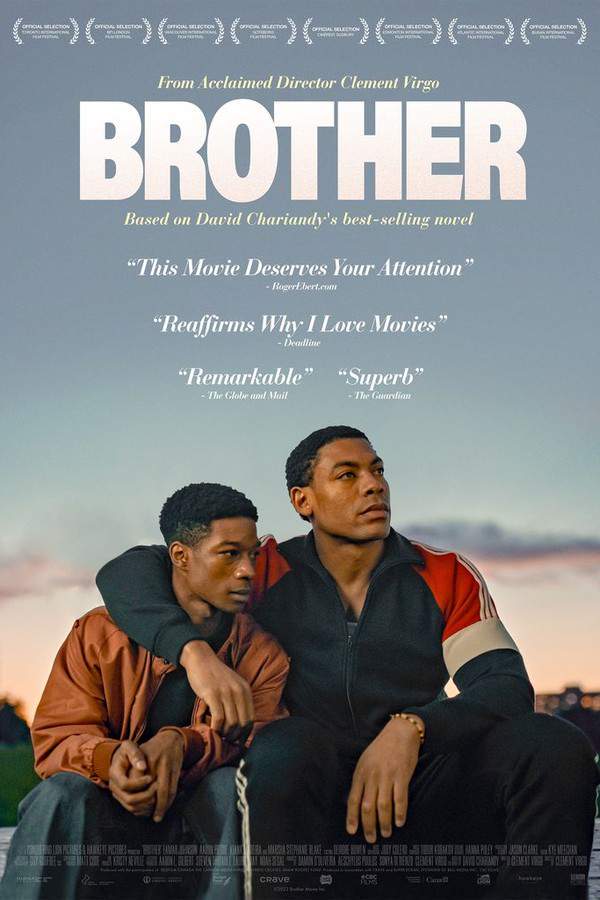
Brother
2023

Dreamland: The Land of Dreams
2011

A Home of Our Own
1993

Dolphin Island
2021

Owl and the Sparrow
2007

Where the Heart Is
1990
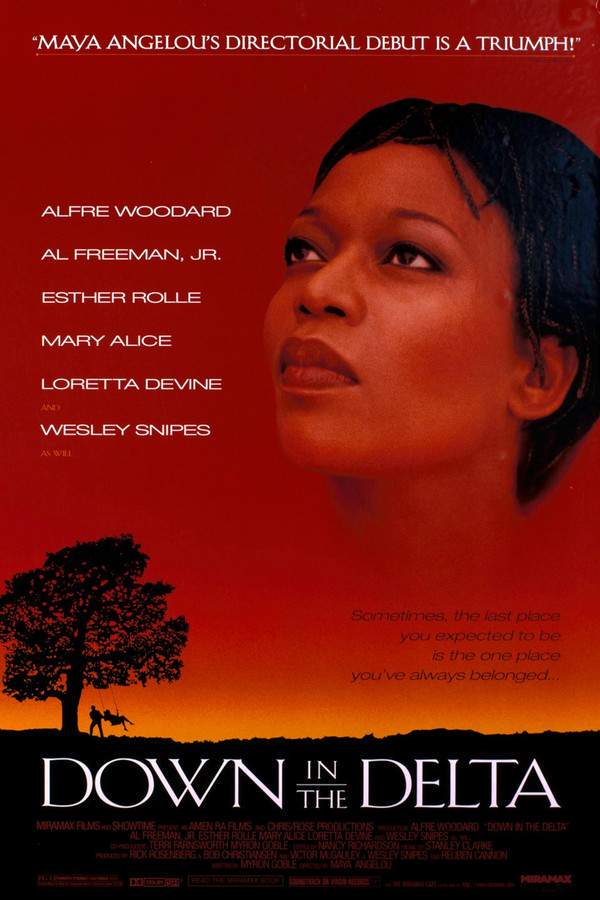
Down in the Delta
1998

Eaten by Lions
2018

Vietnam Colony
1992
Narrative Summary
Stories in this thread typically follow an outsider or a troubled individual entering a unique subculture within a city. The central conflict often involves the protagonist grappling with their past while learning the rules and values of their new community, leading to personal growth and the forging of deep, familial bonds that replace or heal broken ones.
Why These Movies?
These films are grouped together because they share a specific mood: a blend of gritty urban realism with heartfelt, redemptive character arcs. They balance the melancholic or harsh realities of city life with a hopeful tone centered on connection and community, creating a uniquely bittersweet yet uplifting experience.
Bittersweet redemption stories like Concrete Cowboy
Character arcs where hard-won growth is accompanied by poignant loss.Fans of Concrete Cowboy's emotionally complex ending will find more to love here. Explore movies like Concrete Cowboy where characters achieve redemption and personal growth, but their victories are intertwined with loss, creating a powerful and realistic bittersweet feeling that lingers after the credits roll.
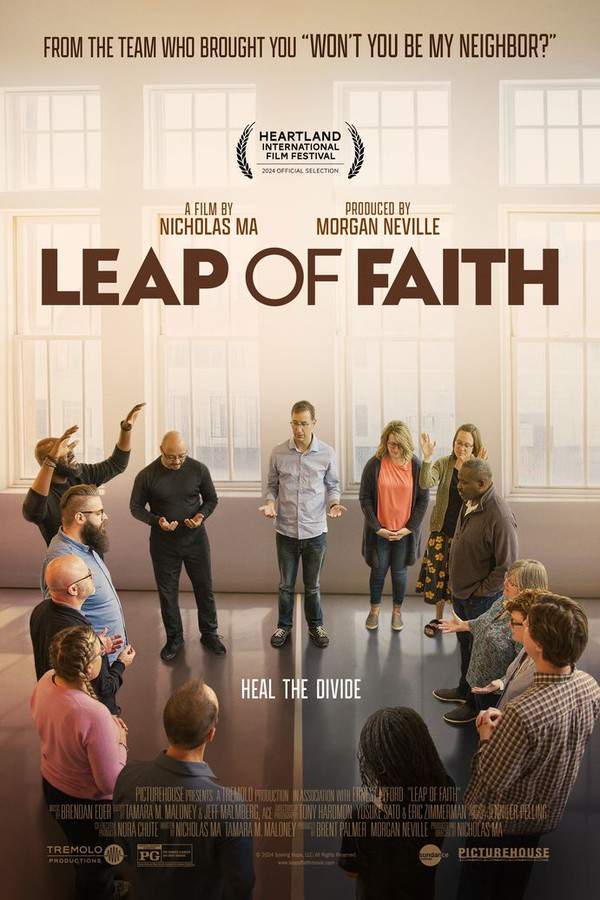
Leap of Faith
2024
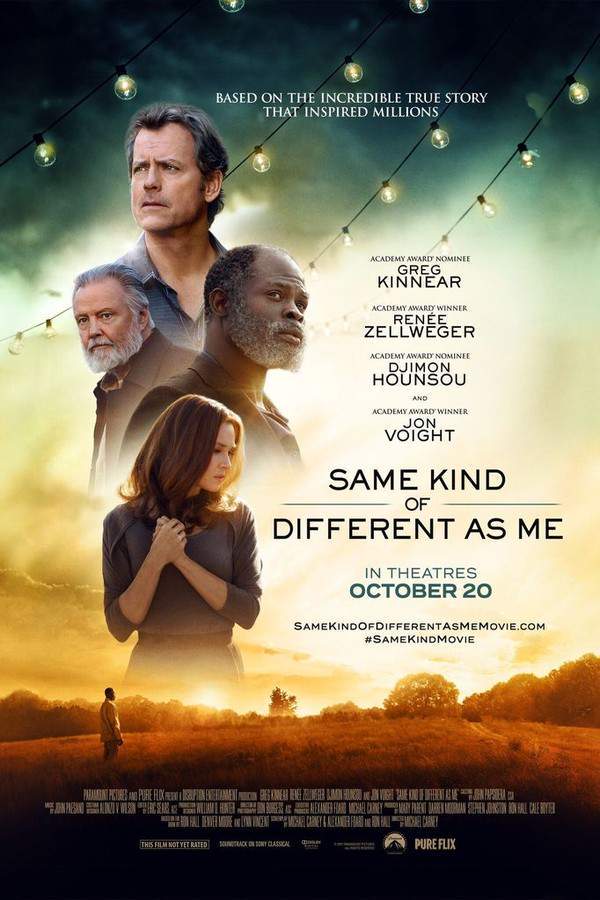
Same Kind of Different as Me
2017

Mixed Doubles
2017
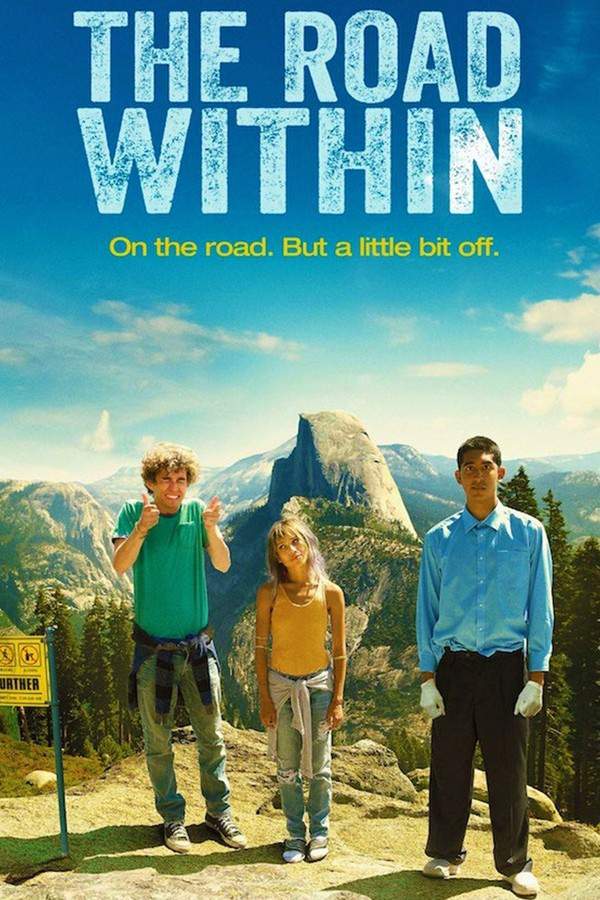
The Road Within
2015

Hridayam
2022

The Beat Beneath My Feet
2014

The Ultimate Gift
2007

Radio Star
2006

These Wilder Years
1956

The Restless Years
1958

The Falls
2012
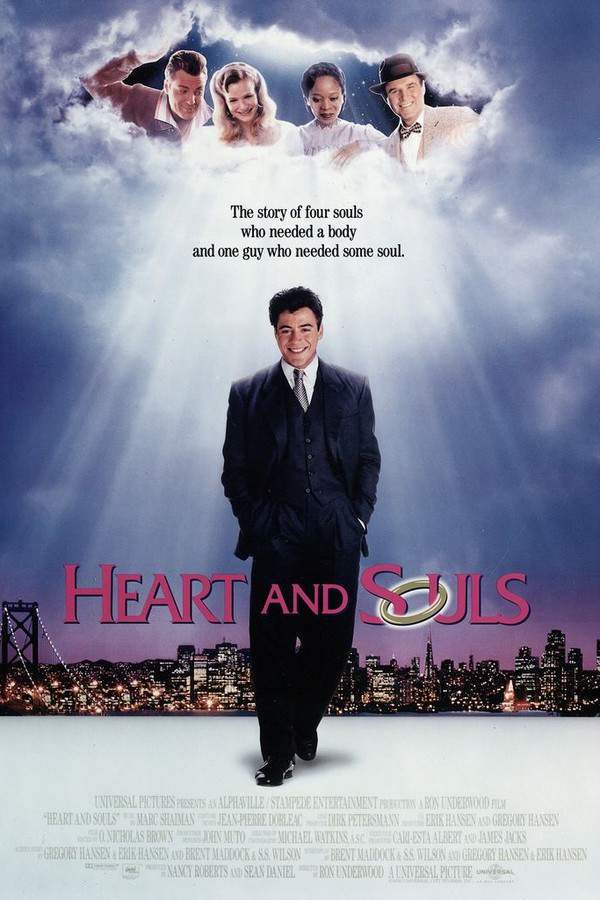
Heart and Souls
1993
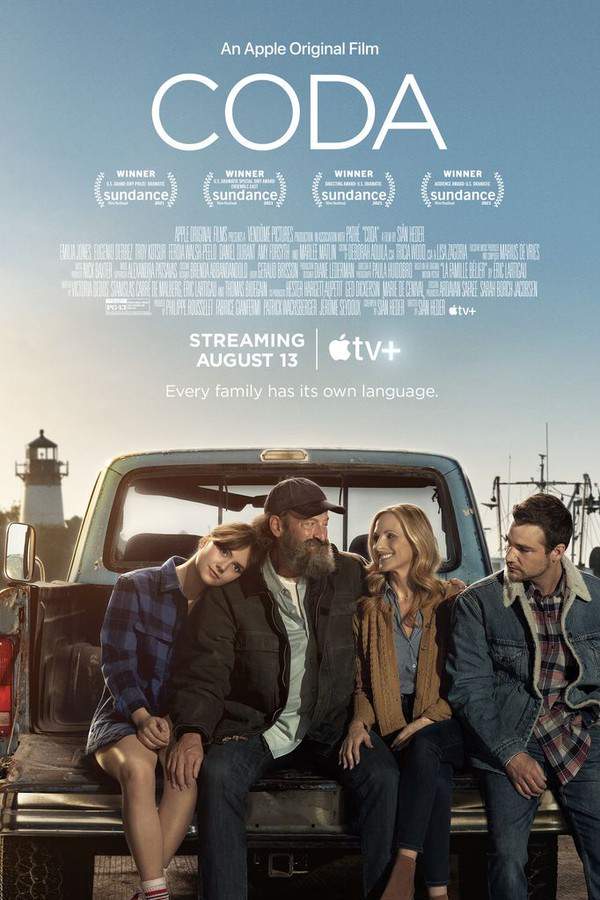
CODA
2021
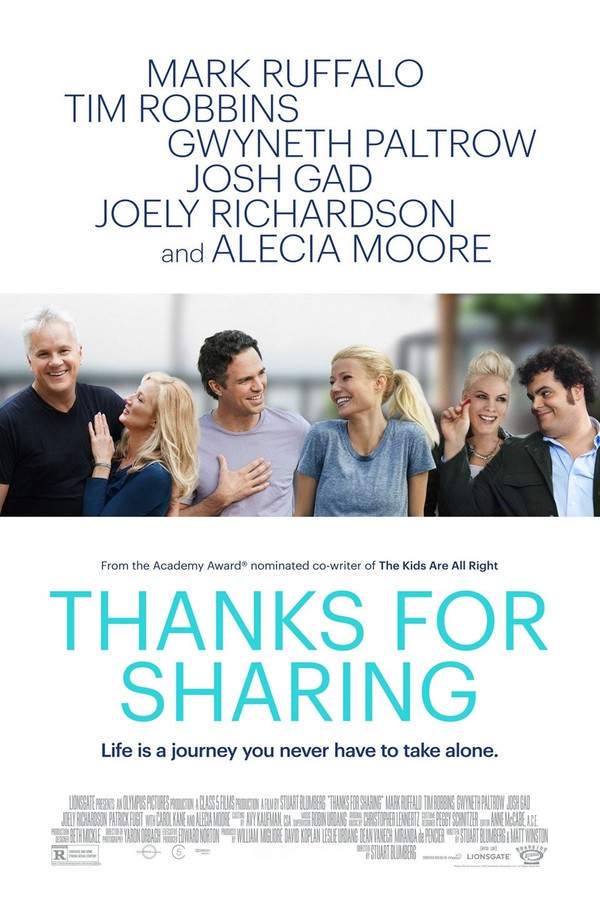
Thanks for Sharing
2013
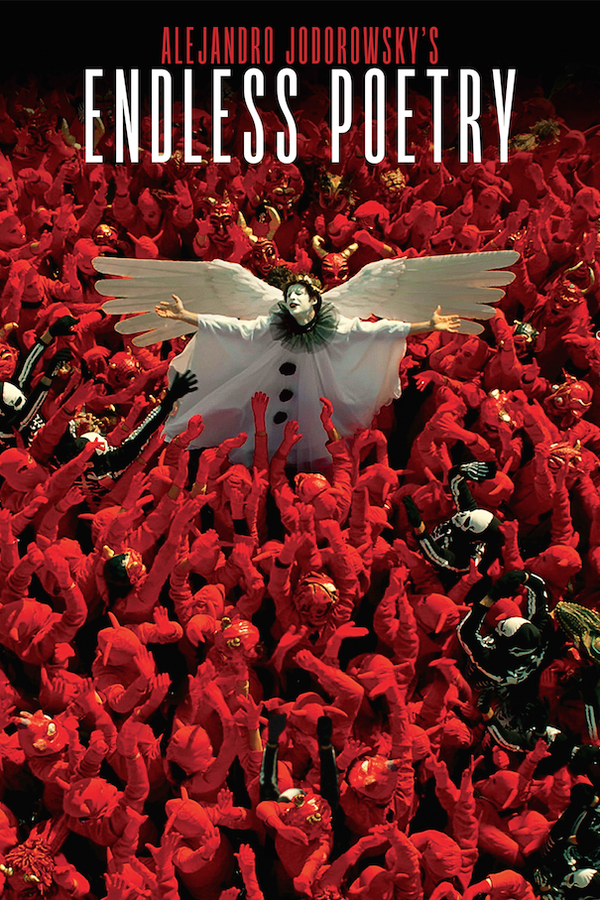
Endless Poetry
2017
Narrative Summary
The narrative pattern involves a character at a low point, often due to their own actions or difficult circumstances. Their journey toward a better self is arduous and is marked by a key loss or sacrifice that gives their growth weight and meaning. The ending acknowledges the pain of the past while affirming the hope of the future, avoiding simplistic resolutions.
Why These Movies?
These movies are united by a specific emotional mix: a hopeful core surrounded by melancholy. The pacing is often steady, allowing the emotional weight of the journey to build, and the tone masterfully balances light and dark. The endings feel earned and realistic, rather than purely happy or sad, creating a powerful and memorable impact.
Unlock the Full Story of Concrete Cowboy
Don't stop at just watching - explore Concrete Cowboy in full detail. From the complete plot summary and scene-by-scene timeline to character breakdowns, thematic analysis, and a deep dive into the ending - every page helps you truly understand what Concrete Cowboy is all about. Plus, discover what's next after the movie.
Concrete Cowboy Summary
Read a complete plot summary of Concrete Cowboy, including all key story points, character arcs, and turning points. This in-depth recap is ideal for understanding the narrative structure or reviewing what happened in the movie.

Concrete Cowboy Timeline
Track the full timeline of Concrete Cowboy with every major event arranged chronologically. Perfect for decoding non-linear storytelling, flashbacks, or parallel narratives with a clear scene-by-scene breakdown.

Characters, Settings & Themes in Concrete Cowboy
Discover the characters, locations, and core themes that shape Concrete Cowboy. Get insights into symbolic elements, setting significance, and deeper narrative meaning - ideal for thematic analysis and movie breakdowns.


Similar Movies to Concrete Cowboy
Discover movies like Concrete Cowboy that share similar genres, themes, and storytelling elements. Whether you’re drawn to the atmosphere, character arcs, or plot structure, these curated recommendations will help you explore more films you’ll love.
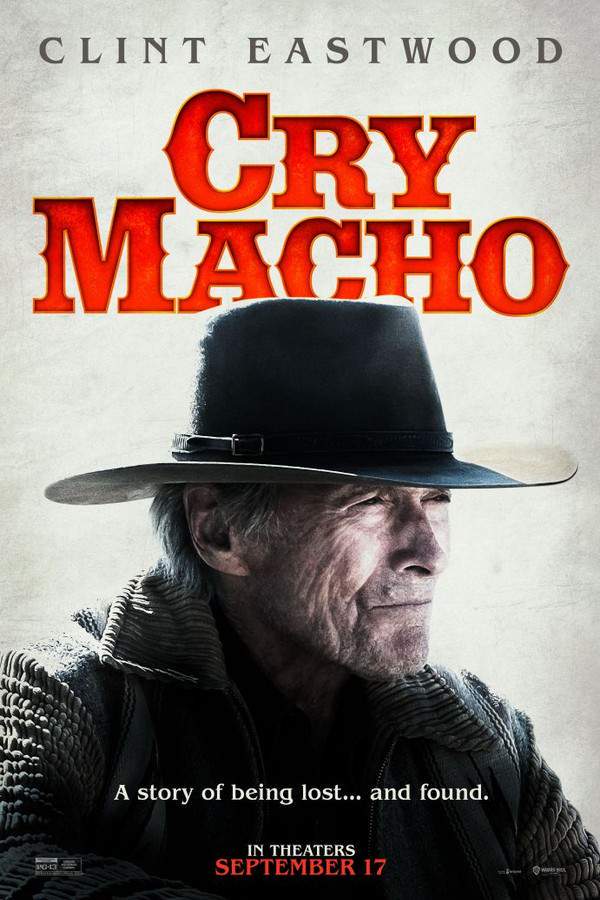

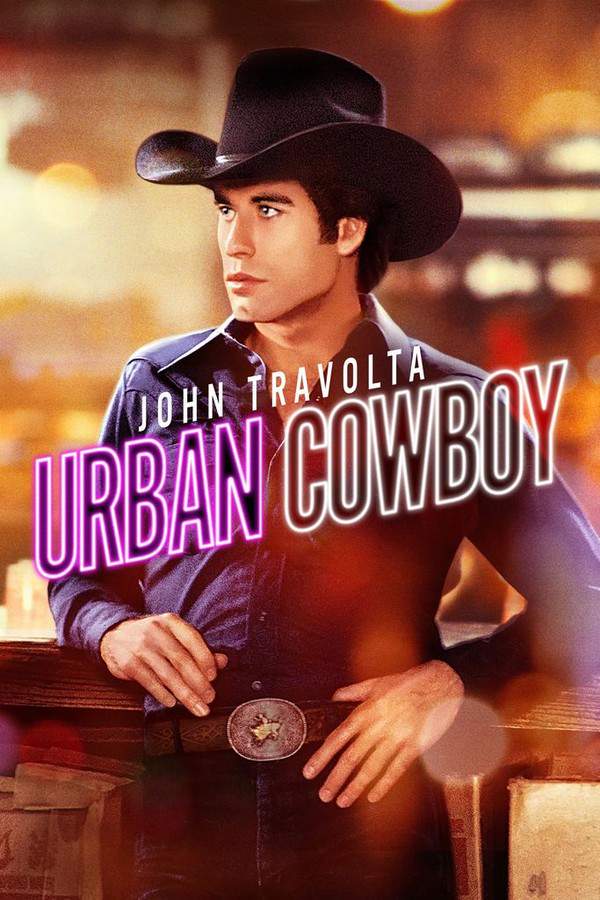
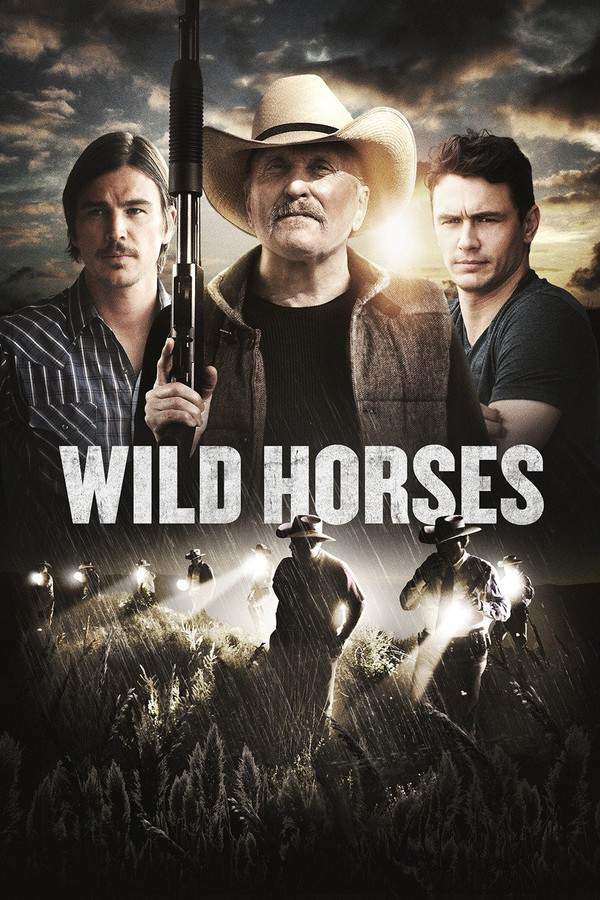
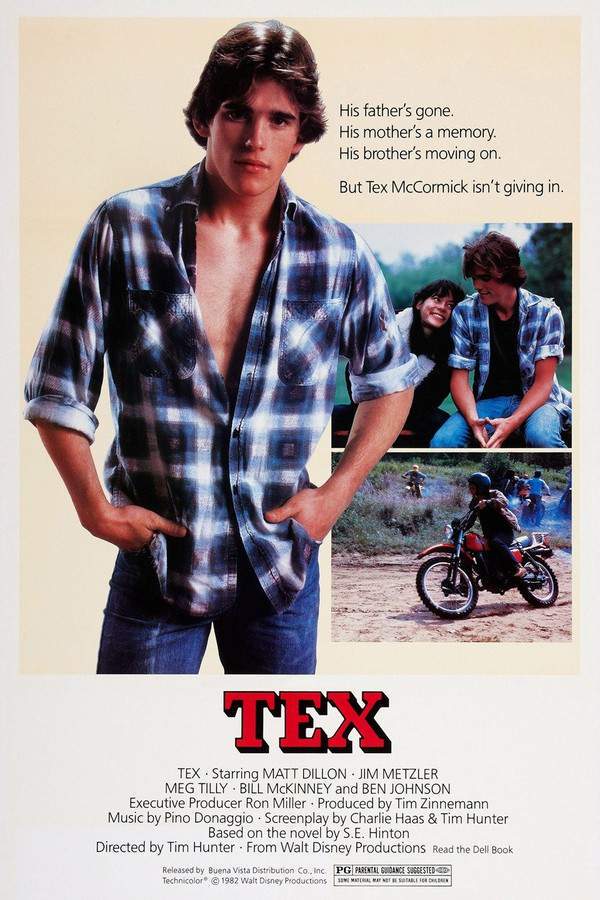



Explore More About Movie Concrete Cowboy
Concrete Cowboy (2021) Plot Summary & Movie Recap
Concrete Cowboy (2021) Scene-by-Scene Movie Timeline
Concrete Cowboy (2021) Movie Characters, Themes & Settings
Concrete Cowboy (2021) Spoiler-Free Summary & Key Flow
Movies Like Concrete Cowboy – Similar Titles You’ll Enjoy
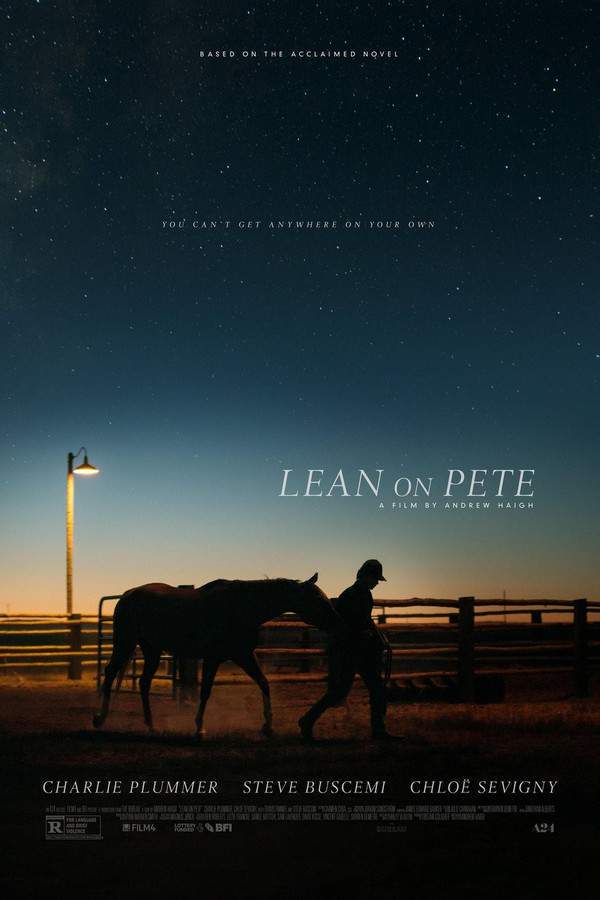
Lean on Pete (2018) Story Summary & Characters
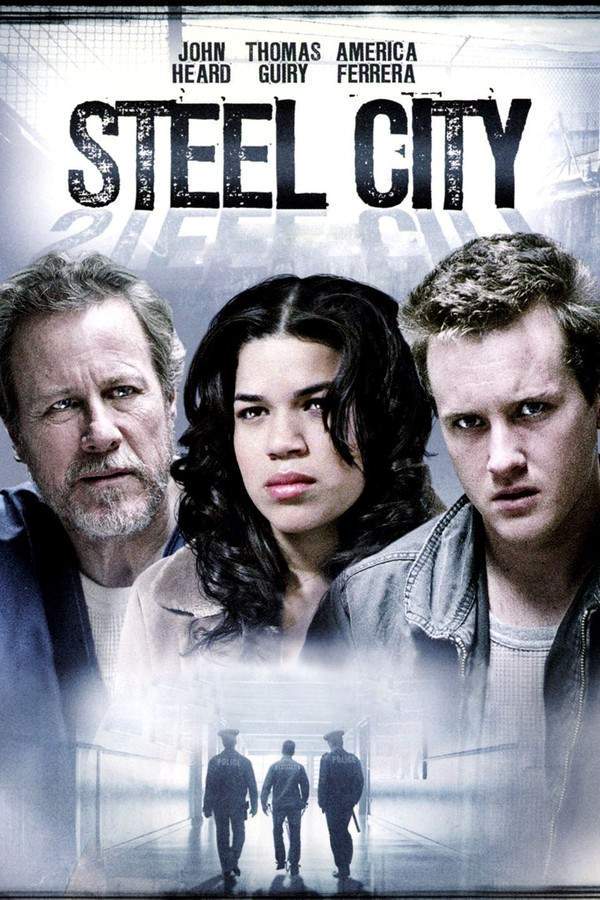
Steel City (2007) Complete Plot Breakdown
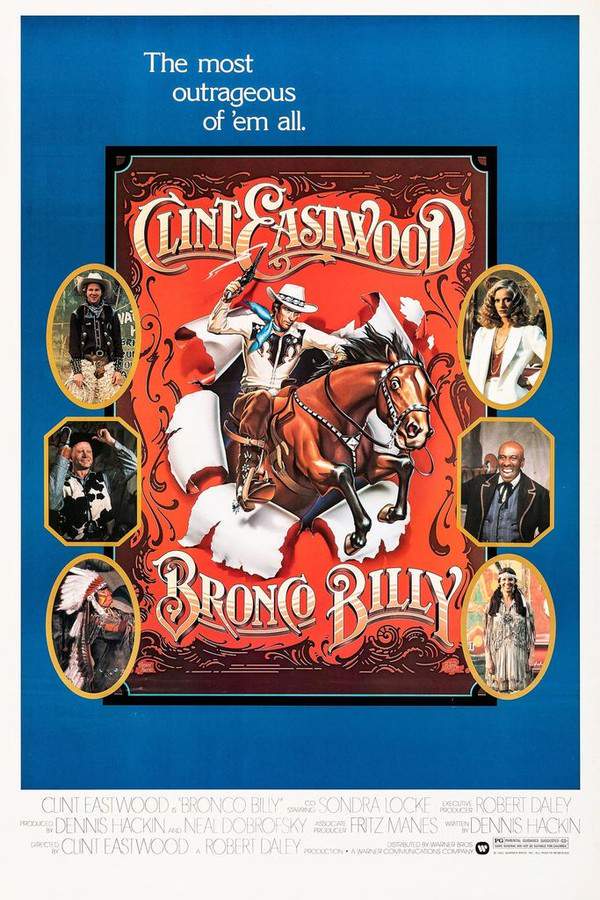
Bronco Billy (1980) Full Summary & Key Details
Cry Macho (2021) Full Summary & Key Details
The Cowboys (1972) Complete Plot Breakdown
Urban Cowboy (1980) Plot Summary & Ending Explained
Wild Horses (2015) Film Overview & Timeline
Tex (1982) Complete Plot Breakdown
Urban Country (2018) Plot Summary & Ending Explained
Cowboy (2007) Story Summary & Characters
Cowboys (2020) Complete Plot Breakdown
Convict Cowboy (1995) Movie Recap & Themes
Cowboys Don’t Cry (1988) Detailed Story Recap
Cole (2009) Film Overview & Timeline
Concrete Cowboys (1979) Ending Explained & Film Insights