Plot Explained Spoilers guaranteed!
Plot Explained

Browse by genre

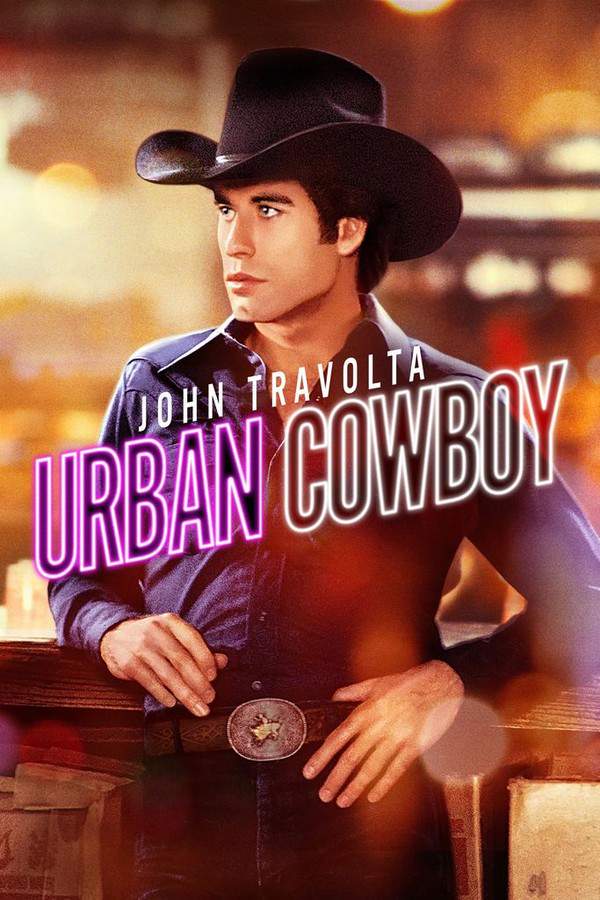
Urban Cowboy (1980) movie poster

Plot Summary

Urban Cowboy (1980) Plot Summary Explained

Release, runtime and language
1980 · 132 min · English
JustWatch #19,841 4
Directed by
James Bridges
Starring
John Travolta, Debra Winger, Scott Glenn, Madolyn Smith Osborne, James Gammon, Barry Corbin

Bud Davis, a young man living in Pasadena, Texas, feels pulled between his traditional cowboy lifestyle and a desire for something more. He becomes involved with Sissy, a spirited and independent cowgirl, and their intense relationship is challenged as Bud struggles to balance his values with Sissy's free spirit. They navigate the complexities of love and personal growth amidst the backdrop of the Texas oil industry and vibrant nightlife.

On this page (6)
  1. 1 Where to watch
  2. 2 What happens: full plot
  3. 3 Plot questions answered
  4. 4 Movie threads
  5. 5 Movies like Urban Cowboy
  6. 6 Every angle

Where to watch

Where to Watch Urban Cowboy (1980)

Where can you watch Urban Cowboy? Stream, rent or buy it in the US, including on fuboTV, Paramount Plus Essential and Paramount Plus Premium: current JustWatch availability with up-to-date prices.

Streaming availability powered by JustWatch

Full plot summary · contains spoilers

What Happens in Urban Cowboy: Full Plot Summary

The whole story of Urban Cowboy (1980) explained, from the opening scene to the final frame: every key event, every twist and what it all adds up to. Read it as a quick recap before the sequel, to check a scene you missed, or to finally understand what really happened.

Bud Davis, portrayed by John Travolta, relocates to Houston to pursue a career in the bustling oil refinery industry. His ambition is to save enough money to return to his hometown of Spur, Texas, and purchase land. He moves in with his Uncle Bob, played by Barry Corbin, and quickly becomes immersed in the local lifestyle. Bob introduces Bud to Gilley's, a lively honky-tonk bar, where Bud swiftly adapts to the vibrant nightlife.

At Gilley's, Bud encounters Sissy, enacted by Debra Winger, who provocatively questions whether he is a genuine cowboy. Their chemistry leads them to fall deeply in love, culminating in a marriage proposal shortly thereafter. They celebrate their wedding at Gilley's and settle into a brand-new mobile home. Despite their love, their relationship is marked by frequent conflicts; Sissy’s independent spirit clashes with Bud’s adherence to traditional gender roles, which dictate that the man works while the woman handles domestic affairs. This results in a daily cycle of work during the day and evenings spent at Gilley's, where Bud enjoys riding the mechanical bull. However, he forbids Sissy from participating, deeming it inappropriate.

The plot thickens with the introduction of Wes Hightower, a character portrayed by Scott Glenn, recently released from Huntsville Penitentiary. Thanks to his rodeo talents, he secures a job at Gilley's operating the mechanical bull. Wes flirts with Sissy, who is momentarily flattered, igniting Bud’s jealousy. This culminates in a physical confrontation between Bud and Wes after Bud spirals into a drunken rage. Meanwhile, Sissy chooses to pursue bull riding against Bud's wishes, embarking on a quest to impress him.

One evening, after being encouraged by her friend Jessie and Wes, Sissy rides the bull. When Bud learns of this, his anger escalates, leading to a dramatic confrontation that results in Bud sustaining a broken arm. At home, their argument intensifies, and Bud’s frustration culminates in a shocking act of violence when he slaps Sissy and sends her away from their trailer.

Despite their tumultuous feelings, Bud and Sissy encounter each other again at Gilley's. Sissy, still wounded by Bud's actions, refuses to communicate with him. In a bid to incite jealousy, Bud opts to dance with Pam, portrayed by Madolyn Smith Osborne, while Sissy dances with Wes. Despite their fleeting connections, turmoil continues as Sissy ultimately moves in with Wes, who resides in a dilapidated trailer behind Gilley's.

As Bud prepares for the upcoming mechanical bull riding contest, he trains with Uncle Bob, who, while a rodeo champion himself, advises Bud to mend his relationship with Sissy. During this time, Sissy goes back to their mobile home to collect her belongings, cleaning the space in the process and leaving behind a note filled with hope for reconciliation, which Pam subsequently discards.

Tragedy strikes when Uncle Bob dies in a refinery explosion, prompting a somber reunion at his funeral where Sissy informs Bud about Wes's unemployment and their plans to leave for Mexico after a potential victory at the bull riding contest. However, in a twist of fate, Bud emerges as the new champion of the contest, and Pam, recognizing Bud's lingering feelings for Sissy, encourages him to reach out to her.

Sissy grapples with the reality of her relationship with Wes, who becomes increasingly abusive, leading her to refuse a trip to Mexico with him until he strikes her. He later orders Sissy to wait for him in a car parked behind Gilley's, unaware that Bud is en route to intercept her. Bud confesses his enduring love for Sissy, who reciprocates with an emotional embrace.

Faced with the sight of Sissy’s bruises, Bud confronts Wes, igniting a fierce altercation at the bar’s entrance. The scuffle results in Wes dropping his gun and the stolen prize money from his jacket. Bud ultimately overpowers Wes, delivering a series of blows before restraining him on the floor. Gilley's staff, alerted to the chaos, apprehend Wes, allowing Bud and Sissy to reconcile and head home together, enveloped in their renewed love.
Last updated: October 28, 2024 at 17:41

Was this helpful?

Plot questions answered

Urban Cowboy Plot Explained: Your Questions Answered

The questions people ask most about Urban Cowboy (1980): what happens in the confusing scenes, why the characters do what they do, the twists, hidden details and what the ending means. Each answer contains spoilers.

Q1

Why does Bud forbid Sissy from riding the mechanical bull?

Bud holds traditional views about gender roles, believing that bull riding is inappropriate for women. He enjoys riding the bull himself but considers it a masculine activity that should be off-limits to Sissy. This control stems from his insecurity about maintaining dominance in the relationship and reflects his struggle to reconcile his cowboy identity with modern life.

Foreshadowing: Earlier, Sissy challenges Bud's cowboy authenticity when they first meet, hinting at the power dynamic tensions to come.

  • bud davis
  • sissy
  • mechanical bull
  • gender roles
  • traditional values
Q2

Why does Sissy ride the bull despite Bud's explicit prohibition?

Sissy rides the bull to assert her independence and prove she is just as capable as any cowboy. Encouraged by her friend Jessie and Wes, she sees bull riding as a way to break free from Bud's restrictive expectations. Her decision is also a direct response to feeling controlled and undervalued in the relationship.

Foreshadowing: Sissy's independent spirit was established early when she provocatively questioned whether Bud was a real cowboy.

  • sissy
  • bull riding
  • independence
  • defiance
  • wes hightower
Q3

Why does Bud slap Sissy after discovering she rode the bull?

Bud's violent reaction stems from a combination of jealousy, wounded pride, and traditional masculinity. He feels publicly humiliated and his authority challenged when Sissy defies him. His anger escalates from being told she rode the bull, leading to the physical act of slapping her and forcing her out of their trailer.

Foreshadowing: Earlier conflicts establish the pattern of Bud's traditional expectations clashing with Sissy's independence.

  • bud davis
  • sissy
  • domestic violence
  • jealousy
  • conflict
Q4

Why does Sissy move in with Wes after leaving Bud?

Sissy moves in with Wes partly to hurt Bud and get back at him for his controlling behavior, and partly because Wes provides attention and validation when she's feeling rejected. She's vulnerable and upset after the violent argument, making her susceptible to Wes's advances despite barely knowing him.

Foreshadowing: Wes flirted with Sissy earlier, and she was momentarily flattered by his attention, showing her susceptibility to outside validation.

  • sissy
  • wes hightower
  • moving in
  • revenge
  • vulnerability
Q5

How does Uncle Bob die in the movie?

Uncle Bob dies in a refinery explosion while working at the oil refinery. This tragic event occurs off-screen and serves as a turning point that brings Bud and Sissy back together temporarily for the funeral. The explosion underscores the dangerous reality of the oil industry that initially drew Bud to Houston.

Foreshadowing: Bob's job at the refinery was established early as part of Bud's reason for moving to Houston.

  • uncle bob
  • refinery explosion
  • death
  • tragedy
  • oil industry
Q6

How does Bud win the mechanical bull riding contest?

Bud wins the contest through persistence and practice. After Uncle Bob's death, Bud trains rigorously with his uncle's advice echoing in his mind. While Bob was a former rodeo champion who could have been a strong competitor, Bud's determination and emotional drive from recent hardships propel him to victory. Pam's encouragement to reach out to Sissy also motivates him.

Foreshadowing: Uncle Bob had been training Bud and advised him to reconcile with Sissy, showing his belief in Bud's abilities.

  • bud davis
  • contest victory
  • bull riding
  • training
  • uncle bob
Q7

Why does Wes become abusive toward Sissy?

Wes's abusive behavior stems from his controlling and violent nature, which was likely present throughout his life and contributed to his prison sentence. Once Sissy moves in with him, his true personality emerges. He becomes increasingly possessive and resorts to physical violence when she refuses to go to Mexico with him or defies his wishes in any way.

Foreshadowing: Wes is introduced as a recently released convict from Huntsville Penitentiary, hinting at a troubled past.

  • wes hightower
  • sissy
  • abuse
  • domestic violence
  • controlling behavior
Q8

How does Bud defeat Wes in the final fight?

Bud confronts Wes after seeing Sissy's bruises and learns Wes has been abusing her. During the scuffle at Gilley's entrance, Wes drops his gun and the stolen prize money from his jacket. Bud overpowers him through sheer determination and delivers several blows before pinning him down. Gilley's staff then restrain Wes, allowing Bud and Sissy to leave together.

Foreshadowing: Earlier, Bud and Wes had a physical confrontation when Bud was drunk and jealous, establishing animosity between them.

  • bud davis
  • wes hightower
  • fight
  • gun
  • prize money
  • gilleys
Q9

Why does Sissy stay with Wes even after the abuse begins?

Sissy initially stays with Wes because she feels trapped in her situation and believes she has no better options after leaving Bud. She also struggles with pride, having moved in with Wes as a way to get back at Bud. The dynamic reflects the complex and often confusing nature of abusive relationships, where victims may feel unable to leave or hope things will improve.

Foreshadowing: Sissy's note of hope for reconciliation, which Pam discards, shows her lingering feelings for Bud.

  • sissy
  • wes hightower
  • abuse
  • staying
  • relationship
Q10

Why do Bud and Sissy reconcile after everything they've been through?

Bud and Sissy reconcile because their love for each other never truly faded despite all the conflicts and hurt. Both matured through their hardships, Bud learned to let go of his controlling nature and appreciate Sissy's independence, while Sissy realized what she truly values. Bud's protective reaction upon seeing her bruises and his willingness to fight for her demonstrates genuine commitment, while Sissy's emotional embrace shows her readiness to give the relationship another chance.
Foreshadowing: Their intense love was established from their first meeting at Gilley's and repeated throughout the film.

  • bud davis
  • sissy
  • reconciliation
  • love
  • redemption
  • happily ever after

Movie threads

More Movies Like Urban Cowboy, by Mood & Story

Curated lists built around what makes Urban Cowboy tick: the same mood, the same kind of story or the same emotional payoff. Each list explains why these movies belong together.

Gritty Romantic Dramas like Urban Cowboy

Intense relationships tested within the volatile backdrop of a specific world. Discover movies like Urban Cowboy that dive into intense, realistic relationships set against a gritty backdrop. This collection features raw romantic dramas where love is tested by jealousy, tradition, and the specific pressures of a vibrant, often blue-collar, subculture.

  • gritty
  • intense
  • turbulent
  • melancholic
  • nostalgic
  • hopeful
  • Tone: bittersweet, intense
  • Pacing: steady, character-driven
Why these movies?

The story pattern: The narrative follows a central couple whose love affair is deeply intertwined with their environment. Their relationship faces significant challenges—often internal, like jealousy and conflicting values—that stem from the culture they inhabit. The journey is one of volatile emotions, personal testing, and a hard-won resolution.

Why they belong together: These films are grouped by their shared commitment to portraying love with unsentimental realism, their use of a specific, atmospheric setting as a key character, and their focus on the emotional turbulence that arises when personal desires clash with cultural expectations.

Coming-of-Age Stories like Urban Cowboy

Young adults navigate love and self-discovery through significant hardship. If you liked the journey of self-discovery in Urban Cowboy, explore these bittersweet coming-of-age films. These movies follow young protagonists as they navigate turbulent relationships and personal growth, often overcoming hardship to find a hard-earned sense of hope and redemption.

  • coming of age
  • bittersweet
  • turbulent
  • hopeful
  • melancholic
  • redemptive
  • Tone: bittersweet, melancholic, hopeful
  • Pacing: steady, linear
Why these movies?

The story pattern: The narrative centers on a protagonist pulled between their inherited identity and a desire for something new. Their journey involves a tumultuous central relationship that acts as a crucible for growth. The story confronts them with serious challenges, including themes of abuse or loss, but ultimately guides them toward a mature, hopeful conclusion.

Why they belong together: These movies share a focus on a specific, turbulent phase of young adulthood, a tonal balance of melancholy and hope, and a narrative arc where the protagonist's painful experiences directly lead to a meaningful, positive transformation.

If you liked this

Movies Like Urban Cowboy

Similar movies to Urban Cowboy: the same genre, themes or kind of story. Each one comes with its own plot summary, timeline and ending explained.

Browse all movie summaries

Every angle

Urban Cowboy (1980) Explained: Plot, Timeline & Characters

Everything about Urban Cowboy in one place: what happens in the plot summary, the timeline in chronological order, the characters and meaning and a spoiler-free summary. What's After the Movie adds the cast, box office and post-credit scenes.

Coming soon on iOS and Android

The Plot Explained Movie Summary App

Plot summaries, endings explained and timelines on your phone. Catch up on any movie in minutes, save your favorites and never miss a twist again.

Be the first to know when we launch. Your email stays private, always.

Learn more about the app