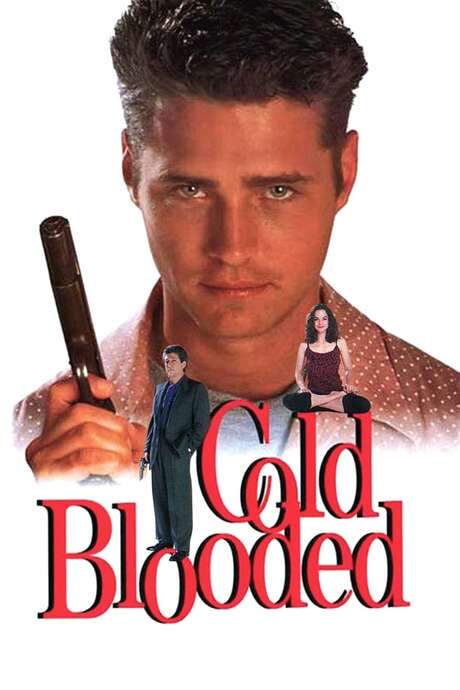
In the restless sprawl of Los Angeles, a city painted with the hues of countless cultures, a modest evening takes an unexpected turn. Michael, fresh from a casual gym encounter, finds himself caught in a peculiar dilemma after a dinner with his new acquaintance and her mother. A sudden loss forces him into a frantic quest to rid himself of an unwelcome reminder, all while his thoughts drift toward a sultry woman whose allure he cannot ignore—she likens herself to a pressure cooker, promising both heat and release.
He hops into a cab where the driver—the cab driver—immediately fills the space with an endless stream of Zen‑tinged anecdotes. He muses that time, the root of all evil, might just be another form of money, and his philosophical ramblings bounce off the neon signs of Koreatown, the street art of Echo Park, and the bustling stalls of Little Ethiopia. The ride becomes a moving tapestry of the city’s ethnic neighborhoods, each corner echoing with its own rhythm while the driver’s chatter turns the simple act of transportation into a wild, almost ritualistic pilgrimage.
The film’s tone is an off‑kilter blend of dark comedy and absurdist reflection. Its humor leans on the absurdity of circumstance, while the underlying current is one of existential curiosity. Characters navigate a world where everyday concerns clash with bizarre philosophical rants, creating a mood that feels both grounded in the gritty LA backdrop and oddly surreal.
As the night deepens, Michael and his talkative chauffeur slip deeper into a maze of whispered parables and city lights, their journey hinting at more than just a simple errand. The ride becomes a meditation on urgency, desire, and the strange ways strangers can become temporary guides through an urban labyrinth.