Plot Explained Spoilers guaranteed!
Plot Explained

Browse by genre

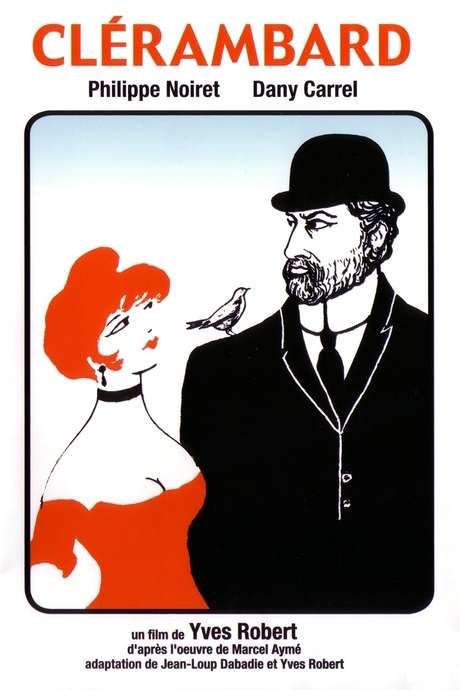
Clerambard (1969) movie poster

Plot Summary

Clerambard (1969) Plot Summary Explained

Release, runtime and language
1969 · 95 mins · French
Loading streaming availability…
Starring
Philippe Noiret, Claude Piéplu, Yves Pignot, Josiane Lévêque, Roger Carel, Patrick Préjean

When a cruel man is visited by Saint Francis and convinced to change his ways, his family believes him to be insane and locks him away in order to sell his beloved castle

On this page (6)
  1. 1 Where to watch
  2. 2 What happens: full plot
  3. 3 Plot questions answered
  4. 4 Movie threads
  5. 5 Movies like Clerambard
  6. 6 Every angle
Loading streaming availability…

Full plot summary · contains spoilers

What Happens in Clerambard: Full Plot Summary

The whole story of Clerambard (1969) explained, from the opening scene to the final frame: every key event, every twist and what it all adds up to. Read it as a quick recap before the sequel, to check a scene you missed, or to finally understand what really happened.

In a crumbling medieval castle, the penniless Count Hector de Clérémbard, Philippe Noiret, tyrannizes his wife, his son Octave, and his mother-in-law. Their income comes from knitting pullovers and whatever meat he can shoot nearby, leaving the family dependent on his sporadic schemes. The local lawyer, Maître Galuchon, Claude Piéplu, offers to wipe away the Count’s vast debts if Octave will marry the eldest of his three daughters: the youngest is a beauty, the next pretty, and the eldest a fright. While the Count is eager to seize this convenient solution, Octave rebels. Though he has never been able to afford her, he is in love with La Langouste, the town’s prostitute, Dany Carrel.

Gustalin, a neighboring farmer fed up with his livestock disappearing to the Count’s gun, decides to give him a fright. Dressing as St. Francis of Assisi, he suddenly appears before him and presents a book detailing the saint’s deeds, a moment that sparks a profound shift. On reading it, the Count renounces worldly goods and, after selling the castle to Maître Galuchon, decides to hit the road with his family in a gypsy caravan, choosing a life of simplicity, poverty, and a closer bond with nature. If Octave truly loves La Langouste, why shouldn’t he marry her? She is half-convinced about retiring from her trade and even offers Octave a free session.

When Galuchon arrives to sign the deed for the sale of the castle, he brings his three daughters: Etienette Galuchon, Françoise Arnaud; Louise, Martine Sarcey; and Evelyne Galuchon, Josiane Lévêque. Octave, emboldened by his experience with La Langouste, takes the youngest into the empty caravan and later tells Galuchon that he will marry her in return for an annual allowance. The Count is sorry that La Langouste has been jilted and says she can join them in the caravan anyway.

Gustalin reappears to say that he is sorry to have misled the Count, who has now lost his castle, but the Count doesn’t mind as he is set on his new life. In the town square, two angels are seen harnessing his horse to the caravan, and the entire town follows the procession out into the countryside.

Last updated: October 09, 2025 at 11:04

Was this helpful?

Plot questions answered

Clerambard Plot Explained: Your Questions Answered

The questions people ask most about Clerambard (1969): what happens in the confusing scenes, why the characters do what they do, the twists, hidden details and what the ending means. Each answer contains spoilers.

Q1

Why does the Count agree to sell his castle after reading about St. Francis?

The Count experiences a genuine spiritual awakening after reading the book of St. Francis's deeds that Gustalin gave him. While Gustalin intended it as a prank, the Count is moved by the saint's message of poverty and humility. He chooses to renounce worldly goods entirely, seeing the sale as an opportunity to embrace a simpler, more meaningful life rather than continuing as a tyrannical nobleman living off his family's knitting work.

Foreshadowing: Earlier, the Count's tyranny and the family's poverty are established, making his sudden transformation more striking.

  • count
  • st francis
  • castle sale
  • spiritual transformation
  • renunciation
Q2

Why does Octave decide to marry Galuchon's youngest daughter instead of La Langouste?

Octave is emboldened by his experiences with La Langouste, which give him confidence with women. When he meets Galuchon's youngest daughter - described as a beauty - he takes her into the caravan. He then proposes to marry her in return for an annual allowance from Galuchon, securing financial stability while also obtaining a young, attractive wife, effectively choosing security over his romantic ideals.

Foreshadowing: Octave's rebellion against his father's arranged deal initially seems motivated by love for La Langouste, but his later choice reveals different priorities.

  • octave
  • galuchon daughter
  • marriage
  • la langouste
  • arranged marriage
Q3

What happens to the marriage deal with Galuchon's three daughters?

The original deal collapses when the Count sells the castle to Galuchon and abandons his financial problems. However, Octave ultimately secures a marriage with the youngest Galuchon daughter anyway, but on his own terms - receiving an annual allowance as part of the arrangement rather than as part of his father's debt settlement. The two older daughters appear to remain unmarried.

Foreshadowing: Galuchon's offer to clear the Count's debts in exchange for Octave's hand sets up the eventual resolution.

  • galuchon daughters
  • marriage deal
  • octave
  • arrangement
Q4

Why does the Count allow La Langouste to join their caravan?

The Count has undergone a genuine spiritual transformation and now embraces compassion and acceptance over judgment. When he learns that La Langouste has been jilted by Octave, he expresses sorrow and extends an invitation to join them in their new life on the road. His new philosophy welcomes all who wish to live simply and authentically, regardless of their past.

Foreshadowing: Earlier, the Count's cruelty establishes how radical this change in attitude truly is.

  • la langouste
  • caravan
  • count
  • acceptance
  • new life
Q5

Why does the Count's family go along with selling the castle and leaving?

The family's situation under the Count's tyranny was miserable - they lived in poverty, dependent on knitting pullovers and whatever meat the Count could shoot. When he decides to sell the castle and leave, they likely see this as an escape from his oppressive rule. While the sudden change is dramatic, the prospect of a different life - even one of poverty - may have seemed preferable to continued suffering under his control.

Foreshadowing: The family's oppression under the Count's rule is established early, making their compliance more understandable.

  • family
  • castle
  • tyranny
  • departure
  • poverty
Q6

What is the meaning of the angels harnessing the horse in the town square?

The scene represents the magical realism that permeates the film, symbolizing divine approval of the Count's transformation. Two angels physically helping hitch the horse to the caravan suggests that the Count's spiritual journey - from a cruel, tyrannical nobleman to a humble pilgrim - has earned supernatural blessing. It marks his departure from the old world of wealth and cruelty into a new life of simplicity and grace.

Foreshadowing: The Count's genuine spiritual awakening, triggered by reading about St. Francis, prepares the ground for this miraculous moment.

  • angels
  • horse
  • caravan
  • magical realism
  • departure
  • blessing
Q7

Why does Gustalin dress as St. Francis to confront the Count?

Gustalin is a neighboring farmer who has lost livestock to the Count's hunting. Rather than confronting him directly, Gustalin decides to frighten the Count by appearing as St. Francis of Assisi - a saint known for preaching poverty and humility - hoping to shame or scare him into changing his ways. The prank unexpectedly works, though Gustalin later apologizes for misleading the Count about the plan's intent.

Foreshadowing: The Count's tyrannical behavior toward neighbors establishes why Gustalin would resort to such a scheme.

  • gustalin
  • st francis
  • disguise
  • farmers trick
  • prank
Q8

Why doesn't the Count resist when he loses his castle to Galuchon?

The Count no longer cares about worldly possessions after his spiritual awakening. When Galuchon arrives to sign the deed, the Count willingly sells the castle because he has already decided to embrace poverty and simplicity. Rather than viewing the sale as a loss, he sees it as liberation from material attachments. When Gustalin later apologizes for the prank that started it all, the Count dismisses it, focused only on his new path.

Foreshadowing: Reading the saint's book triggers his transformation, making the castle sale a desired outcome.

  • count
  • castle
  • galuchon
  • sale
  • spiritual change
  • materialism
Q9

How does the Count's family survive financially before leaving the castle?

The family lives in severe poverty despite their noble title. Their only income comes from knitting pullovers - likely done by the wife and mother-in-law - and whatever meat the Count can shoot nearby. This precarious situation leaves them constantly hungry and dependent on the Count's sporadic hunting success. The family's misery under this arrangement explains their willingness to follow him into a new life of wandering poverty.

Foreshadowing: The poverty established early makes the Count's later acceptance of voluntary poverty more consistent.

  • poverty
  • knitting
  • income
  • family survival
  • castle
Q10

Is the Count's transformation genuine or is he fooling everyone?

The film presents the Count's transformation as genuine. While Gustalin's disguise was meant as a prank, the Count truly embraces the teachings of St. Francis after reading the saint's book. He willingly sells his castle, gives up his wealth, and chooses a life of poverty and travel. The presence of angels at the film's end - a moment of magical realism - suggests the narrative endorses his change as authentic and blessed.

Foreshadowing: The Count's sudden shift from tyranny to humility is the central transformation of the film.

  • count
  • transformation
  • st francis
  • genuine change
  • spiritual awakening
Q11

What changes in Octave after his experiences with La Langouste?

Octave gains confidence through his experiences with La Langouste, which apparently provide him with romantic and sexual experience he never had before. This newfound confidence allows him to approach Galuchon's youngest daughter - the beauty - and successfully court her. The experience transforms him from a man who could never afford the prostitute into someone bold enough to secure a wealthy bride with an annual allowance.

Foreshadowing: Octave's initial rebellion against his father's arranged marriage was driven by his love for La Langouste.

  • octave
  • la langouste
  • confidence
  • transformation
  • experience
Q12

How does Clerambard combine comedy with its spiritual story?

Clerambard blends whimsical comedy with spiritual themes through its absurd situations presented matter-of-factly. The Count's dramatic conversion from tyrant to pilgrim, the family moving into a gypsy caravan, and angels physically appearing to help are played with light satire rather than heavy drama. The comedic tone prevents the spiritual message from becoming preachy while still exploring genuine questions about wealth, compassion, and what constitutes a meaningful life.

Foreshadowing: The meta notes confirm the film uses whimsical tone and magical realism to address serious themes.

  • comedy
  • spiritual
  • whimsical
  • tone
  • magical realism
  • satire

Movie threads

More Movies Like Clerambard, by Mood & Story

Curated lists built around what makes Clerambard tick: the same mood, the same kind of story or the same emotional payoff. Each list explains why these movies belong together.

Spiritual comedies and satires like Clerambard

Eccentric tales of sudden enlightenment that turn ordinary lives upside down. If you enjoyed the whimsical spiritual awakening in Clerambard, you'll appreciate these movies. They feature similar tales of eccentric characters undergoing profound change, blending lighthearted humor with themes of faith, family, and social satire in a comedic and often absurd package.

  • whimsical
  • satirical
  • spiritual
  • quirky
  • lighthearted
  • eccentric
  • Tone: whimsical, satirical, lighthearted
  • Pacing: steady, character-driven
Why these movies?

The story pattern: The narrative follows a character, often an unlikely candidate, who experiences a sudden spiritual or philosophical revelation. This event disrupts their established life, causing bewilderment and comic conflict with family or society, ultimately leading them on a quirky, heartfelt journey toward a simpler, more authentic existence.

Why they belong together: These films are grouped together for their shared tone of whimsical satire applied to the serious topic of spiritual conversion. They balance light emotional weight with genuine character growth, creating a uniquely uplifting and humorous viewing experience centered on personal transformation.

Comedies about quirky families like the one in Clerambard

Absurd comedies where one family member's bizarre new path disrupts everyone. Fans of the eccentric family dynamics in Clerambard will find more to love here. These movies feature similarly quirky patriarchs or matriarchs whose unconventional actions create hilarious and heartfelt chaos, exploring themes of social climbing, marriage, and the meaning of family with a satirical edge.

  • quirky
  • eccentric
  • family dynamics
  • satirical
  • bittersweet
  • social climbing
  • Tone: quirky, satirical, bittersweet
  • Pacing: steady, situational
Why these movies?

The story pattern: The plot is driven by the actions of a domineering or unconventional family leader who imposes their strange new worldview on the rest of the household. The resulting narrative is a satirical look at family obligations, social status, and the struggle between conformity and personal freedom, often resolved with communal acceptance.

Why they belong together: They share a core dynamic of a single character's eccentricity driving the plot and humor, set against a backdrop of family and social satire. The pacing is steady, the tone is whimsical, and the emotional stakes are light, creating a coherent vibe of affectionate satire on domestic life.

If you liked this

Movies Like Clerambard

Similar movies to Clerambard: the same genre, themes or kind of story. Each one comes with its own plot summary, timeline and ending explained.

Browse all movie summaries

Every angle

Clerambard (1969) Explained: Plot, Timeline & Characters

Everything about Clerambard in one place: what happens in the plot summary, the timeline in chronological order, the characters and meaning and a spoiler-free summary. What's After the Movie adds the cast, box office and post-credit scenes.

Coming soon on iOS and Android

The Plot Explained Movie Summary App

Plot summaries, endings explained and timelines on your phone. Catch up on any movie in minutes, save your favorites and never miss a twist again.

Be the first to know when we launch. Your email stays private, always.

Learn more about the app