Plot Explained Spoilers guaranteed!
Plot Explained

Browse by genre

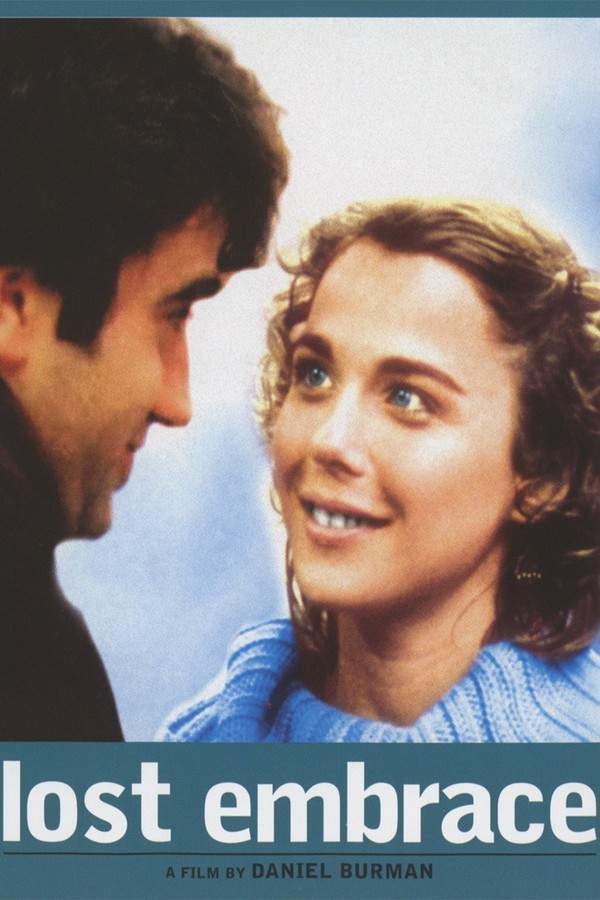
Lost Embrace (2005) movie poster

Plot Summary

Lost Embrace (2005) Plot Summary Explained

Release, runtime and language
2005 · 100 min · Korean
Directed by
Daniel Burman

A recent college graduate, eager to break free from his routine, decides to embark on a journey from Buenos Aires to Poland. Before he can realize his travel dreams, he finds himself entangled in a series of comical challenges as he tries to obtain a passport. The film follows his frustrating and humorous experiences dealing with bureaucracy and the unexpected hurdles he encounters along the way.

On this page (5)
  1. 1 What happens: full plot
  2. 2 Plot questions answered
  3. 3 Movie threads
  4. 4 Movies like Lost Embrace
  5. 5 Every angle

Full plot summary · contains spoilers

What Happens in Lost Embrace: Full Plot Summary

The whole story of Lost Embrace (2005) explained, from the opening scene to the final frame: every key event, every twist and what it all adds up to. Read it as a quick recap before the sequel, to check a scene you missed, or to finally understand what really happened.

The narrative follows the daily lives of a Jewish family living in the Once neighborhood of Buenos Aires, intertwined with the local shopkeepers in a modest commercial gallery.

Narrated by Ariel Makaroff, portrayed by Daniel Hendler, the story unfolds around his mother, Sonia Makaroff, played by Adriana Aizemberg. Sonia was abandoned by her husband, whose name is Jorge (Jorge D'Elía), when he traveled to Israel in 1973 to participate in the Yom Kippur War. Despite this separation, Jorge maintains weekly contact with Sonia, providing financial support for Ariel and his brother Joseph (Sergio Boris). Sonia operates a lingerie shop within the bustling gallery.

Ariel, depicted as a young man racing through life with an uncertain future, finds himself entangled in a relationship with Rita (Silvina Bosco), an older woman, while still yearning for his past love, Estella (Melina Petriella). He is plagued by dreams of relocating to Poland, the country his family fled during World War II.

Struggling with his identity, he frequently pesters his grandmother, referred to as Bubbe (Rosita Londner), for the necessary immigration papers that could grant him Polish citizenship, fueling his desire to feel "European." This quest compels his grandmother to revisit her memories of suffering in Holocaust-era Poland.

To bolster his documentation efforts, Ariel approaches the local rabbi for assistance. During their conversation, Ariel learns that one of the documents is slightly damaged. The rabbi’s explanation, “So, no one can use it again,” prompts Ariel to quip, “Oh! Like circumcision!” This playful irony mirrors the tone of Woody Allen's "Deconstructed Harry" as it critiques the ritual of circumcision.

As the plot thickens, the shopkeepers rally to organize a competitive race against a rival group of merchants, aiming to win a cash prize to renovate their storefront and install much-needed air conditioning.

The colorful cast of characters includes a boisterous Italian family whose loud quarrels consistently disrupt the radio repair shop, a serene Korean couple managing a feng shui boutique, Mitelman (Diego Korol) running a travel agency under the guise of a currency smuggling operation, and a reclusive stationer named Osvaldo (Isaac Fajm).

Just before the climactic race, Ariel’s estranged father unexpectedly returns to Buenos Aires. In a moment of revelation, Sonia confesses to Ariel that the reason for her husband's departure was a brief affair with Osvaldo, the nearby shopkeeper. Though it was a fleeting misstep with no emotional weight, it fractured their marriage. This pivotal encounter allows Ariel to finally engage with his father's narrative; Jorge reveals he struggled to forgive Sonia's betrayal. In a long-overdue reconciliatory gesture, father and son share a heartfelt embrace, concluding the film's emotional arc.

As the credits roll, Ariel's grandmother serenades the audience with a traditional klezmer song, further enriching the film's cultural tapestry.
Last updated: November 15, 2024 at 17:10

Was this helpful?

Plot questions answered

Lost Embrace Plot Explained: Your Questions Answered

The questions people ask most about Lost Embrace (2005): what happens in the confusing scenes, why the characters do what they do, the twists, hidden details and what the ending means. Each answer contains spoilers.

Q1

Why did Jorge leave his family in Argentina?

Jorge left his family in 1973 to fight in the Yom Kippur War in Israel. However, the real reason for his permanent departure was revealed later: Sonia had a brief affair with Osvaldo, the stationer who ran a shop in the same gallery. Though the affair had no emotional depth, Jorge couldn't forgive Sonia's betrayal, leading him to stay in Israel and only maintain weekly phone contact with the family.

Foreshadowing: Early in the film, Sonia seems uncomfortable whenever Osvaldo is mentioned, hinting at their past connection.

  • Jorge departure
  • affair
  • Osvaldo
  • Yom Kippur War
  • family abandonment
Q2

Why does Ariel want to move to Poland?

Ariel is obsessed with gaining Polish citizenship because he wants to feel more "European" and connected to his Jewish heritage. His family fled Poland during World War II, and he sees obtaining Polish immigration papers as a way to escape his mundane life in Buenos Aires and find a stronger sense of identity and belonging.

Foreshadowing: His grandmother's painful memories of suffering in Holocaust-era Poland suggest this quest carries deeper historical weight.

  • Poland
  • immigration
  • identity
  • European
  • Jewish heritage
  • grandmother
Q3

Why does Sonia reveal her affair with Osvaldo to Ariel?

Sonia confesses to Ariel about her affair with Osvaldo when Jorge unexpectedly returns to Buenos Aires. She wants Ariel to understand the true reason behind his father's long absence and多年的怨恨, rather than letting him believe the war alone caused the family separation.

Foreshadowing: Earlier scenes show Sonia watching Osvaldo from her shop window with a conflicted expression.

  • Sonia
  • affair
  • Osvaldo
  • confession
  • Jorge return
Q4

Why do the shopkeepers organize a competitive race?

The shopkeepers in the commercial gallery organize a race against rival merchants to win a cash prize. Their goal is to raise money to renovate their storefront and install much-needed air conditioning, improving their working conditions in the hot Buenos Aires environment.

Foreshadowing: The film establishes early on that the gallery lacks basic amenities, setting up the motivation for the fundraising effort.

  • race
  • shopkeepers
  • cash prize
  • renovation
  • air conditioning
  • commercial gallery
Q5

What document problem does Ariel face at the rabbi's office?

When Ariel approaches the local rabbi to help gather documents for his Polish immigration paperwork, he learns that one of the necessary documents is slightly damaged. The rabbi explains the document is no longer valid, prompting Ariel to make a humorous quip about circumcision being equally unusable, a joke that references the film's Woody Allen-esque ironic tone.

Foreshadowing: Ariel's frantic attempts to obtain proper documentation establish his desperation to leave Argentina.

  • rabbi
  • documents
  • damaged
  • immigration
  • paperwork
  • circumcision joke
Q6

Why is Ariel stuck between Rita and Estella?

Ariel finds himself in a complicated romantic situation: he's currently in a relationship with Rita, an older woman, while still harboring lingering feelings for Estella, his first love. This emotional turmoil reflects his broader search for identity and belonging, as he's uncertain about what he truly wants in life.

Foreshadowing: Ariel's rush through life with an uncertain future is established from the opening narration.

  • Rita
  • Estella
  • love triangle
  • relationship
  • first love
Q7

How do Ariel and Jorge reconcile after years apart?

After Jorge returns to Buenos Aires, Ariel finally confronts him about his absence. During their emotional conversation, Jorge reveals he struggled to forgive Sonia for her affair with Osvaldo. This long-overdue discussion allows father and son to share a heartfelt embrace, marking a turning point in their relationship and providing Ariel with closure.

Foreshadowing: Ariel pesters his grandmother for immigration papers partly to escape his father's absence, showing his deep need for paternal connection.

  • reconciliation
  • father son embrace
  • Jorge
  • forgiveness
  • family healing
Q8

Why does Ariel constantly ask his grandmother for Poland papers?

Ariel repeatedly bothers his grandmother (Bubbe) for immigration documents because she's the only family member who can provide proof of their Polish heritage. Her memories of suffering in Holocaust-era Poland are the key to obtaining Polish citizenship, making her cooperation essential for his dream of moving to Europe.

Foreshadowing: Bubbe's visible discomfort when discussing Poland hints at traumatic memories she's reluctant to revisit.

  • grandmother
  • Bubbe
  • immigration papers
  • Poland citizenship
  • Holocaust memories
Q9

What is Mitelman's travel agency actually doing?

Mitelman runs a travel agency in the commercial gallery, but it's actually a front for a currency smuggling operation. This detail adds to the film's quirky portrayal of the gallery's diverse, somewhat shady merchant population.

Foreshadowing: Mitelman's mysterious business dealings are hinted at throughout the shopkeeper introductions.

  • Mitelman
  • travel agency
  • smuggling
  • currency
  • travel agency front
Q10

Why does the film end with Bubbe singing a klezmer song?

As the credits roll, Ariel's grandmother serenades the audience with a traditional klezmer song, reinforcing the film's celebration of Jewish cultural heritage. This musical conclusion provides a bittersweet, culturally rich ending that honors the family's traditions despite their complicated history.

Foreshadowing: The klezmer music connects to Ariel's earlier quest to reconnect with his European Jewish roots.

  • klezmer song
  • grandmother
  • Bubbe
  • Jewish heritage
  • cultural finale

Movie threads

More Movies Like Lost Embrace, by Mood & Story

Curated lists built around what makes Lost Embrace tick: the same mood, the same kind of story or the same emotional payoff. Each list explains why these movies belong together.

Quirky Community Comedies like Lost Embrace

Stories where vibrant, eccentric communities form the heart of the narrative. If you liked the ensemble cast and daily life rhythms of the Buenos Aires market in Lost Embrace, you'll enjoy these movies. This thread features character-driven comedies and dramas where a vibrant, quirky community is central to the story, similar to films like Amélie or The Grand Budapest Hotel.

  • quirky
  • community-focused
  • earthy
  • observational
  • witty
  • warm
  • Tone: whimsical, earthy, comedic
  • Pacing: steady, character-driven
Why these movies?

The story pattern: Narratives in this thread are often episodic, unfolding through interconnected vignettes of daily life within a defined setting like a neighborhood, workplace, or market. The plot is driven by the interactions and small-scale conflicts of a memorable ensemble cast rather than a single high-stakes goal.

Why they belong together: These films are grouped together for their shared focus on community as a character, a whimsical or earthy tone, and a steady, observational pace. They excel at creating a strong sense of place and finding profound meaning in mundane, often humorous, human interactions.

Bittersweet Coming of Age Stories like Lost Embrace

Character-driven stories where searching for identity leads to complex, bittersweet truths. For viewers who enjoyed Ariel's search for identity and family reconciliation in Lost Embrace. This collection highlights movies about characters on a wistful journey of self-discovery, dealing with personal and familial pasts, similar to the tones found in films like Lady Bird or The Farewell.

  • wistful
  • melancholic
  • comedic
  • coming of age
  • family secrets
  • cultural identity
  • Tone: bittersweet, melancholic, wistful
  • Pacing: steady, introspective
Why these movies?

The story pattern: The narrative follows a protagonist, often young or at a crossroads, as they investigate their past or challenge their present circumstances. This personal quest uncovers complicated truths about family and self, leading to a climax of reconciliation or acceptance that carries a bittersweet weight.

Why they belong together: Movies in this thread share a mix of comedic and melancholic tones, a moderate emotional weight, and a focus on the bittersweet nature of growing up and understanding one's place in the world. They balance humor with heartfelt drama, resulting in a resonant and thoughtful experience.

If you liked this

Movies Like Lost Embrace

Similar movies to Lost Embrace: the same genre, themes or kind of story. Each one comes with its own plot summary, timeline and ending explained.

Browse all movie summaries

Every angle

Lost Embrace (2005) Explained: Plot, Timeline & Characters

Everything about Lost Embrace in one place: what happens in the plot summary, the timeline in chronological order, the characters and meaning and a spoiler-free summary. What's After the Movie adds the cast, box office and post-credit scenes.

Coming soon on iOS and Android

The Plot Explained Movie Summary App

Plot summaries, endings explained and timelines on your phone. Catch up on any movie in minutes, save your favorites and never miss a twist again.

Be the first to know when we launch. Your email stays private, always.

Learn more about the app