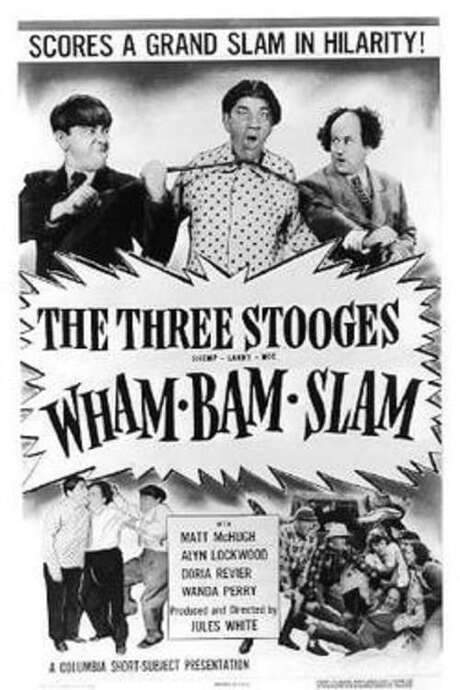
In a dream-tinged, vaudeville-flavored mood piece, Shemp, Shemp Howard, hovers between life and death while Moe, Moe Howard, and Larry, Larry Fine, keep vigil during his final moments. Facing mortality, he warns his companions that their choices may echo beyond the grave, hinting that his own presence might return as a sign of consequence if they drift from virtue. An air of moral weight settles over the scene as Uncle Mortimer contemplates whether Shemp’s actions merit Heaven or Hell.
The Devil descends into the tale—Philip Van Zandt embodying a chilling test of conscience—and his arrival heightens the sense that every decision carries cosmic stakes. He lures Shemp toward temptations, even leaning on the captivating Helen Blazes, Sylvia Lewis, whose allure adds a dangerous, seductive dimension to the moral wrestle at the heart of the story.
Uncle Mortimer re-enters the fray, offering Shemp a rare chance at redemption and eternal bliss in Heaven if he can covertly return to Earth to steer Moe and Larry back toward virtue. The bargain tightens the emotional gravity of the narrative, turning a humorous caper into a reckoning about duty, loyalty, and the consequences of one’s choices.
Meanwhile, Mr. Helle, the diabolic guise in this moral drama, pushes Moe and Larry toward pages of moral turpitude, proposing a far-fetched scam to extract financing from a wealthy couple for the production of novelty fountain pens. The scheme lands against a backdrop of comedic chaos, testing whether the trio can resist temptation when the lure of easy money tempts them away from honesty and friendship.
Shemp’s intervention disrupts the scheme, thwarting the immediate plan but triggering a domino of misfortune that culminates in a calamitous fire. The sequence pivots on the thin line between virtue and vice, leaving Moe and Larry to grapple with the repercussions of their cousin’s intervention and the fragility of their own choices.
As the dust settles, the frame shifts back to Shemp’s bedroom, revealing that the preceding events were an allegorical dream. Yet the dream’s implications strike reality: Shemp’s careless habit—falling asleep with a lit cigarette—puts him in imminent peril. After the blaze is extinguished, he recounts the surreal ordeal to Moe and Larry, who respond with a classic cream-pie gag and a wry quip about the very tools of their trade, the writing implements, signaling their characteristic mix of mischief and affection.