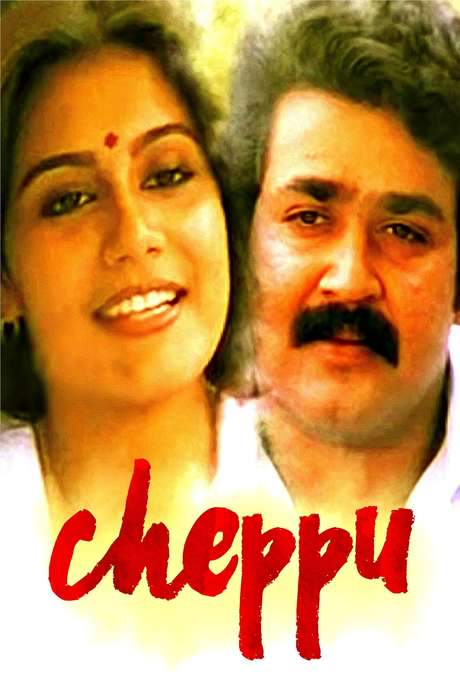
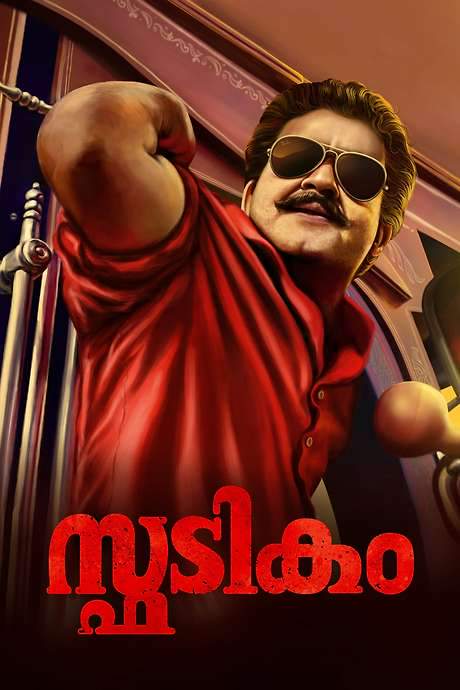
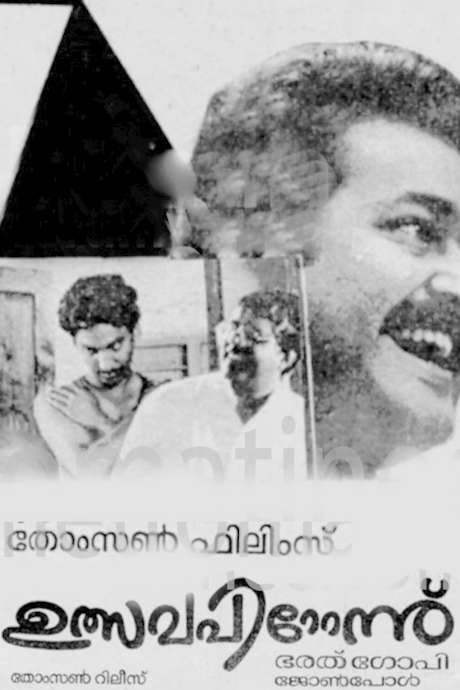
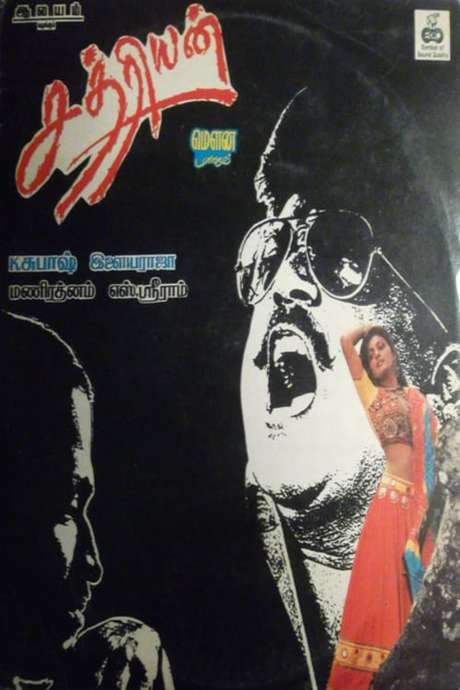
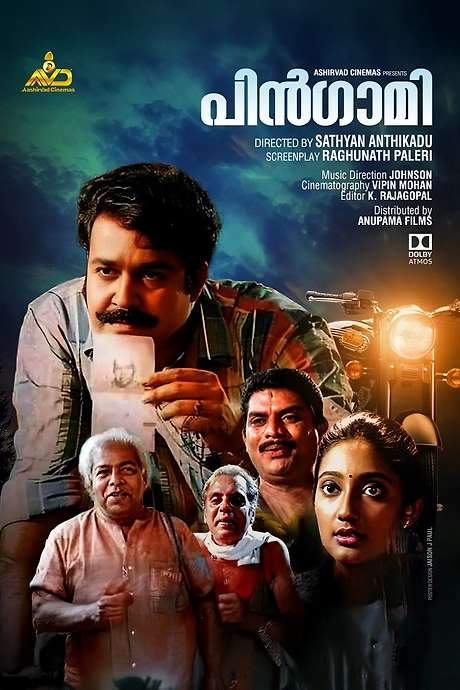
Ramachandran, Mohanlal, arrives to take a post as an English lecturer at T. K. P. Memorial College, stepping into a campus where ambition, drugs, and politics collide in troubling ways. He soon realizes that a large portion of the student body is entangled in drug use and factionalism, led by Ranjith Mathews, K.B. Ganesh Kumar, the son of a powerful MP. Ramachandran’s initial goodwill builds as he tries to connect with students and steer them toward something better, but the forces around him are stronger and often crooked.
Among the students he tries to help is Anandan, a bright but beleaguered geek who bears the marks of a brutal beating by Ranjith’s gang. The school itself feels hostile and crowded with graffiti, a visual reminder of the chaos under the surface. As Ramachandran grows more familiar with the school and its surroundings, he witnesses how Ranjith and his cohort continue to push their influence, blurring lines between authority, crime, and youth politics.
One night, as Ranjith and his gang are smoking drugs, they hear Ramachandran approaching. They quickly fake innocence, declaring they had done nothing wrong, but the situation spins out of control when a gang member, intoxicated, climbs a flag pole and falls to his death. Ramachandran presses for a thorough investigation, certain that drug use is a core part of the evidence, yet the system around him—police and college staff—shows clear signs of corruption, stalling any real inquiry.
The tension escalates when the gang retaliates against Ramachandran’s efforts by assaulting Anandan, who had stood by the dead student and witnessed the incident. Ramachandran intervenes just in time to save Anandan, keeping the younger student alive but pulling himself deeper into a dangerous conflict.
In revenge, Ranjith’s gang targets the school’s science environment, wrecking Professor Varkey’s laboratory and killing the animals kept there. The act isn’t merely vandalism; it drives the professor into a state of distress and fury, a moment that underscores how far the cycle of violence and cruelty has gone. The direct confrontation between Ramachandran and Ranjith becomes even more personal, and the two find themselves alone in a bathroom where tempers flare and accusations fly. Ranjith, in a fit of anger, throws himself against a mirror and beats himself, claiming that Ramachandran attacked him—a denial that casts a shadow over any attempt to set the record straight.
Seeking to resolve the escalating turmoil, Ramachandran visits Ranjith’s home to speak with his mother, hoping to shed light on the truth. The conversation proves fruitless, as Ranjith’s mother remains deaf to his pleas, and the situation deteriorates into a tense stalemate. In a final act of desperation and defiance, Ramachandran hotwires Ranjith’s car and drives it into a wall, a dramatic attempt to force accountability when conversations fail.
The struggle between Ramachandran and Ranjith ends in tragedy as Ramachandran is murdered by Ranjith’s gang. In the aftermath, the theme of honor drives a final act of vengeance: Ananthan—remembered as a friend and ally of Ramachandran’s cause—kills Ranjith to restore his own sense of dignity and justice. The film closes on a somber note, emphasizing the costs of corruption, the fragility of truth, and the heavy toll that power and violence exact on those who try to stand up to them.