Plot Explained Spoilers guaranteed!
Plot Explained

Browse by genre

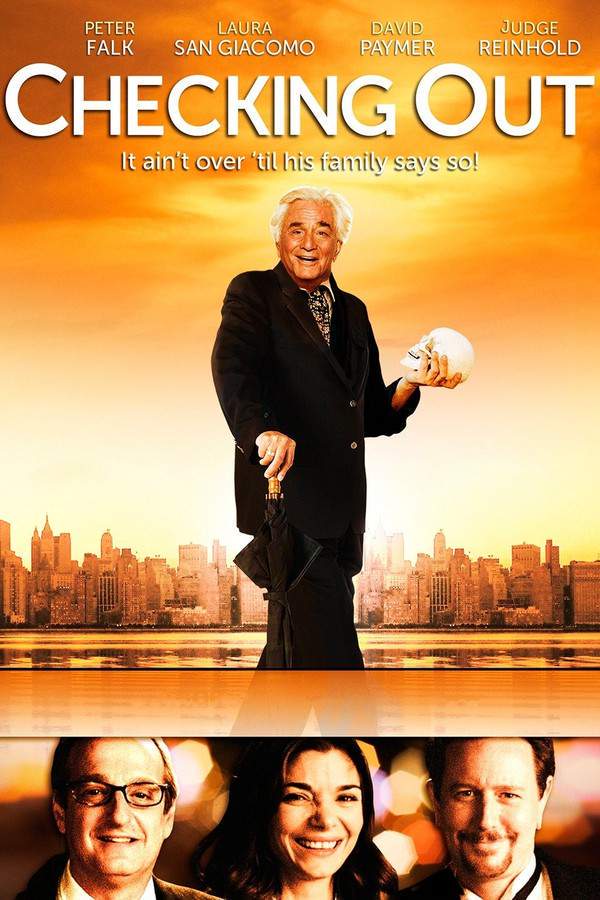
Checking Out (1988) movie poster

Timeline

Checking Out (1988) Timeline Explained – Every Event in Order

Release, runtime and language
1988 · 96 mins · English
Loading streaming availability…
Directed by
David Leland
Starring
David Byrne, George Harrison, Jeff Daniels, Stephen Tobolowsky, Michael Tucker, Ian Wolfe

After his best friend dies suddenly of a heart attack, Ray Macklin becomes consumed by the fear that his own minor aches signal an impending demise. Though doctors insist he’s perfectly healthy, Ray’s obsessive monitoring turns his everyday life into a slap‑stick saga of hypochondria, anxiety and comically exaggerated health rituals.

On this page (7)
  1. 1 Where to watch
  2. 2 Events in order (15)
  3. 3 Timeline questions answered
  4. 4 Movie threads
  5. 5 Movies like Checking Out
  6. 6 Categories
  7. 7 Every angle
Loading streaming availability…

15 events in order · contains spoilers

Checking Out Timeline: Events in Chronological Order

Every key event of Checking Out (1988) in order, scene by scene, with when and where it takes place. Use it to untangle flashbacks, time jumps and parallel storylines, to refresh your memory before the sequel or to find the exact scene you are thinking of.

  1. Pat's sudden death at the barbecue

    Pat collapses and dies from sudden cardiac arrest during a family barbecue, right after delivering a dad joke. Ray is devastated, but most around him respond with practicality or apathy as Pat's wife questions his choices. The event triggers Ray's grief and sets the story in motion.

    When
    Day of Pat's death
    Where
    Family barbecue
  2. Ray's grief reshapes his life at work

    Ray struggles to cope with Pat's absence while coworkers worry about the company's future. The grief dulls his usual buoyant temperament and he begins to view life through a clinical, risk-averse lens. This shift foreshadows the personal and professional turmoil to come.

    When
    Immediately after Pat's death
    Where
    Office and company
  3. Promotion to Pat's VP role

    The company promotes Ray to Pat's old Vice President position and assigns him Pat's office. The promotion intensifies his sense of loss and pressure to fill Pat's shoes. It also creates tension as old relationships shift under his new status.

    When
    Shortly after Pat's death
    Where
    Company offices
  4. Layoff and reassignment of staff

    To consolidate resources, the company informs Barbara that she is being laid off while Diana is moved to Ray's team. Barbara interprets this as a maneuver to re-create Pat's presence through Diana, fueling paranoia. Tensions in the office escalate as mistrust grows.

    When
    Soon after promotion
    Where
    Office
  5. Ray seeks help from a psychologist

    Ray's cardiologist arranges a session with psychologist Dr. Duffin to address his grief. The brief therapy gives him a fleeting sense of renewal and control. Two days later, news arrives that Duffin died from a freak infection after shaving.

    When
    Shortly after promotion
    Where
    Psychologist's office
  6. Ray's health anxiety escalates

    Despite his doctor’s assurances that tests are routine, Ray becomes obsessed with his own health. He spends a fortune on home diagnostic equipment to monitor every heartbeat and symptom. The craze intensifies his paranoia and distance from family.

    When
    After Duffin's death
    Where
    Home and medical supply shop
  7. Suspicion at home: affair rumors

    Jenny confronts Ray about suspected infidelity as his behavior pushes him away from family life. Ray deflects with rationalizations and focuses on gadgets rather than addressing the marital strain. The couple's trust begins to fray.

    When
    Around this period
    Where
    Home
  8. Hydrotherapy and family quarrels

    Ray installs a hydrotherapy device in the bathtub, hoping to control his anxiety through ritual health rituals. An escalating argument with Jenny is interrupted by their daughter's nightmare about a plane crash. The family fractures further as Jenny banishes Ray from the house.

    When
    Evening
    Where
    Home
  9. Public confrontation: Barbara and Ray in the car

    Ray camps out in his car at the office to avoid home pressures, where Barbara confronts him about her job security. The confrontation erupts into loud, public sex in the front seat, witnessed by their boss. The moment crystallizes Ray's professional ruin and personal humiliation.

    When
    Night
    Where
    Ray's car (outside office)
  10. Plane emergency and Ray's bomb threat

    One of the company's planes makes an emergency landing, and Ray is summoned to meet the survivors for a press conference. He becomes convinced the flight is the one his daughter dreamed about and tries to stop takeoff with a bomb threat. The passengers panic, the plane is evacuated, and his boss fires him on the tarmac.

    When
    During the emergency flight
    Where
    On a company plane and tarmac
  11. Appendectomy and cardiac arrest

    Back at the hospital, Ray undergoes an appendectomy and suffers a cardiac arrest on the operating table. He falls into a coma as medical staff fight to stabilize him. The moment marks a dramatic pivot into the surreal afterlife sequence.

    When
    During surgery
    Where
    Hospital operating room
  12. Near-death and the desert Heaven

    Ray experiences a vivid near-death journey with Pat as they enter an odd afterlife—a desert motel where white crowds attend nonstop A cappella poolside concerts. Pat explains that their aviation ties landed them in Howard Hughes's Heaven, with peculiar rules and societal quirks. They confront their grief and admit they will miss one another.

    When
    During the near-death experience
    Where
    The afterlife (Howard Hughes-style Heaven)
  13. Recovery and wake-up

    Ray awakens in the hospital after a week, and learns his appendectomy was successful with a full recovery. The brush with death reframes his fears and his grip on life loosens. He begins to see his grief as a force he can acknowledge rather than deny.

    When
    Post-surgery
    Where
    Hospital
  14. Punchline remembered; closure found

    Ray spontaneously recalls Pat's barbecued joke—the line about Italians and grills—and experiences a quiet moment of peace. He realizes his hypochondria was the emotional manifestation of his grief and not a real medical threat. The memory gives him closure and a renewed sense of connection to Pat.

    When
    After awakening
    Where
    Hospital
  15. Leaving the hospital with renewed family ties

    Ray and his family depart the hospital together, carrying the memory of their adventures as children building model airplanes. He re-engages with life and faces grief with a tempered hope rather than fear. The final scene anchors his recovery in shared history and resilience.

    When
    End of story
    Where
    Hospital → home

Last updated: October 09, 2025 at 14:24

Was this helpful?

Timeline questions answered

Checking Out Timeline Explained: Your Questions Answered

When does it happen, and why in that order? The questions people ask about the chronology of Checking Out (1988): time jumps, flashbacks, cause and effect between scenes and the correct order of events, each answered with spoilers.

Q1

Why does Ray become obsessed with his health after Pat dies?

Ray's hypochondria stems from witnessing his best friend Pat collapse and die suddenly from a heart attack, despite appearing healthy. The traumatic experience of watching Pat die mid-joke triggers Ray's intense fear of mortality, turning his grief into obsessive health monitoring. This anxiety is amplified when he inherits Pat's VP position and office, constantly reminded of his friend's absence.

Foreshadowing: Early scenes show Ray and Pat sharing their passion for aviation, establishing their close bond that makes Pat's sudden death emotionally devastating for Ray.

  • hypochondria
  • grief
  • death
  • anxiety
  • ptsd
  • fear of dying
Q2

Why does Ray make a bomb threat to stop the plane?

Ray becomes convinced that the company's emergency flight is the exact one his daughter dreamed about, a plane crash. His daughter's nightmare about a plane crash had deeply troubled him throughout the film, and in his paranoid state, he believes he can prevent the disaster by forcing an evacuation. He calls in a bomb threat to stop the takeoff, causing a panic and evacuation on the tarmac.

Foreshadowing: Earlier, Ray's daughter has a nightmare about a plane crash, and Ray straps his son to a pulse oximeter, showing how his anxiety has spread to affect his family.

  • bomb threat
  • plane
  • panic
  • daughter nightmare
  • evacuation
Q3

What does Ray see in his near-death experience?

During his cardiac arrest on the operating table, Ray experiences a vivid afterlife where he reunites with Pat in Howard Hughes' version of Heaven, a desert setting with white crowds, nonstop a cappella poolside concerts, and rigid teetotaler culture. Pat explains their aviation passion landed them in this specific afterlife. The two friends confront their grief and admit they will miss each other, providing Ray with emotional closure.

Foreshadowing: Throughout the film, Ray and Pat's shared love of aviation and model airplanes as children establishes the thematic connection that justifies this particular afterlife vision.

  • near-death
  • afterlife
  • heaven
  • howard hughes
  • pat
  • reunion
Q4

Why does Ray have sex with Barbara in the car?

Barbara confronts Ray about her job security after being laid off and reassigned, believing he's orchestrating her removal to recreate Pat's presence through Diana. The confrontation becomes emotionally charged, and Ray, already alienated from his wife and consumed by anxiety, succumbs to the tension. The encounter happens in his car outside the office and is witnessed by his boss, leading to professional humiliation.

Foreshadowing: Earlier scenes establish Barbara's suspicion that Ray is using Diana to bring Pat back into his life, creating the underlying tension that explodes in this scene.

  • barbara
  • affair
  • car
  • sex
  • office
  • layoffs
Q5

What was the punchline to Pat's joke about Italians and barbecues?

Pat was in the middle of telling his dad joke when he collapsed: 'Why don't Italians have barbecues? Because the spaghetti would fall through the grill.' Ray's inability to remember the punchline becomes a painful symbol of his incomplete grief. At the film's end, after recovering from his coma, Ray finally recalls the punchline, bringing him a quiet sense of closure and allowing him to process his friend's death fully.

Foreshadowing: The film opens with Pat mid-joke and Ray's inability to complete it, establishing this as the emotional wound Ray must heal.

  • joke
  • punchline
  • spaghetti
  • barbecue
  • pat
  • closure
Q6

Why does Ray get fired from the company?

Ray is fired on the tarmac after making a bomb threat to stop the plane he believed would crash. His boss witnesses the evacuation panic and terminates Ray's employment immediately. The firing comes amid other professional troubles, his public sexual encounter with Barbara was also witnessed by his boss, creating a cumulative effect that seals his professional downfall.

Foreshadowing: Earlier scenes show Ray's behavior becoming increasingly erratic at work, alienating colleagues and creating tension with management.

  • fired
  • bomb threat
  • termination
  • plane
  • tarmac
Q7

What happens to Ray's marriage with Jenny?

Jenny grows increasingly distant as Ray's hypochondria consumes him. She suspects him of having an affair due to his emotional withdrawal and late nights away from home. The tension peaks when Ray installs hydrotherapy equipment and sleeps separately, and she eventually banishes him from the house. However, at the film's end, Ray leaves the hospital with his family intact, showing their marriage has survived the crisis.

Foreshadowing: Jenny's confrontation about a possible affair, combined with Ray's obsession over health gadgets, establishes the growing fracture in their marriage.

  • jenny
  • marriage
  • wife
  • divorce
  • separation
  • family
Q8

Why does Ray need an appendectomy and suffer cardiac arrest?

Ray undergoes an appendectomy after collapsing from a burst appendix, which triggers a cardiac arrest on the operating table. The cardiac arrest is what transports him into his near-death experience with Pat. While Ray had been obsessively monitoring his heart due to fear of heart disease like Pat, his actual medical crisis turns out to be his appendix, not his heart.

Foreshadowing: Throughout the film, Ray's doctors assure him his heart is fine and only identify a minor mitral valve prolapse, foreshadowing that his real medical issue would be something unrelated to his fears.

  • appendectomy
  • cardiac arrest
  • surgery
  • hospital
  • emergency
Q9

What does the Howard Hughes-style Heaven represent?

The afterlife vision reflects Ray and Pat's shared passion for aviation, which defined their friendship since childhood when they built model airplanes together. The surreal Howard Hughes paradise, with its teetotaler culture, white crowds, and a cappella concerts, represents how people's personal obsessions and identities shape their perception of the afterlife. It also serves as a blunt mirror for Ray to confront his grief directly with Pat.

Foreshadowing: The film establishes early that aviation was the 'quiet code' between Ray and Pat, threading through their entire friendship.

  • heaven
  • afterlife
  • howard hughes
  • aviation
  • model airplanes
Q10

How does Ray finally find closure on Pat's death?

After waking from his week-long coma, Ray spontaneously remembers Pat's joke punchline about Italians and barbecues. This memory provides the emotional closure he desperately needed. He realizes his hypochondria was an emotional manifestation of grief, not a real medical threat. With his family present, Ray leaves the hospital ready to rebuild his life, carrying the memory of their childhood model airplane adventures as a guiding light.

Foreshadowing: The entire film builds toward Ray remembering this joke, as his inability to recall it represents his incomplete grieving process.

  • closure
  • grief
  • recovery
  • joke
  • memory
  • hospital

Movie threads

More Movies Like Checking Out, by Mood & Story

Curated lists built around what makes Checking Out tick: the same mood, the same kind of story or the same emotional payoff. Each list explains why these movies belong together.

Movies like Checking Out about grief and absurdity

Grief manifests in hilarious, anxious, and deeply human ways. If you liked the blend of grief and humor in Checking Out, these movies feature similar stories of characters whose anxiety and coping mechanisms lead to comically chaotic situations. Discover films that explore loss through a lens of dark comedy and human resilience.

  • anxious
  • comical
  • absurd
  • reflective
  • nervous
  • grieving
  • Tone: bittersweet, comical
  • Pacing: steady, character-driven
Why these movies?

The story pattern: Stories in this thread often begin with a triggering event—like a sudden death—that sends a relatively ordinary protagonist into a spiral of anxiety. Their internal fear manifests in obsessive, often absurd behaviors, creating a ripple effect of slapstick complications in their personal and professional lives, while the core narrative remains about processing loss.

Why they belong together: These movies are grouped by their unique tonal blend: they treat serious subjects like grief and mental health with a comedic touch, finding humor in human frailty without dismissing the underlying pain. The shared experience is one of bittersweet reflection punctuated by laugh-out-loud moments of absurdity.
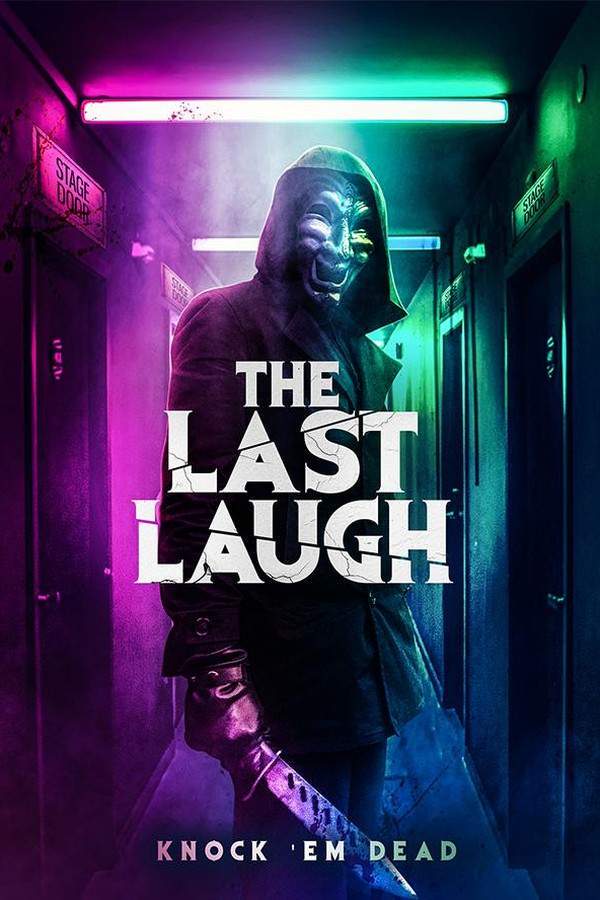

Movies similar to Checking Out about hypochondria and health anxiety

When minor ailments spark full-blown existential crises. Fans of Checking Out will enjoy these films about characters spiraling into health anxiety and hypochondria. Explore comedies and dramedies where a fear of mortality triggers obsessive behavior, comedic mishaps, and a journey toward self-acceptance, similar to Ray's story.

  • hypochondriac
  • neurotic
  • midlife crisis
  • health anxiety
  • comical
  • obsessive
  • Tone: comical, nervous
  • Pacing: steady
Why these movies?

The story pattern: The narrative pattern involves a character, often facing a mid-life crossroads, who interprets normal bodily sensations as signs of catastrophic illness. This hypochondria drives the plot, creating conflict at work and at home through a series of increasingly ridiculous and comedic scenarios, ultimately leading to a confrontation with their own fears and a hopeful resolution.

Why they belong together: These films share a specific character archetype and plot engine: the hypochondriac. They are united by the theme of mortality anxiety and its comedic externalization. The viewer experience is one of relatable cringe and laughter, watching a character's irrational fears create very real, very funny chaos.

If you liked this

Movies Like Checking Out

Similar movies to Checking Out: the same genre, themes or kind of story. Each one comes with its own plot summary, timeline and ending explained.

Browse all movie summaries

Categories

Movie Lists Featuring Checking Out

Checking Out appears in these hand-built movie categories. Each one groups movies by a specific mood, theme or story type, with their plot summaries and endings explained.

View all movie categories

Every angle

Checking Out (1988) Explained: Plot, Timeline & Characters

Everything about Checking Out in one place: what happens in the plot summary, the timeline in chronological order, the characters and meaning and a spoiler-free summary. What's After the Movie adds the cast, box office and post-credit scenes.

Coming soon on iOS and Android

The Plot Explained Movie Summary App

Plot summaries, endings explained and timelines on your phone. Catch up on any movie in minutes, save your favorites and never miss a twist again.

Be the first to know when we launch. Your email stays private, always.

Learn more about the app