Plot Explained Spoilers guaranteed!
Plot Explained

Browse by genre

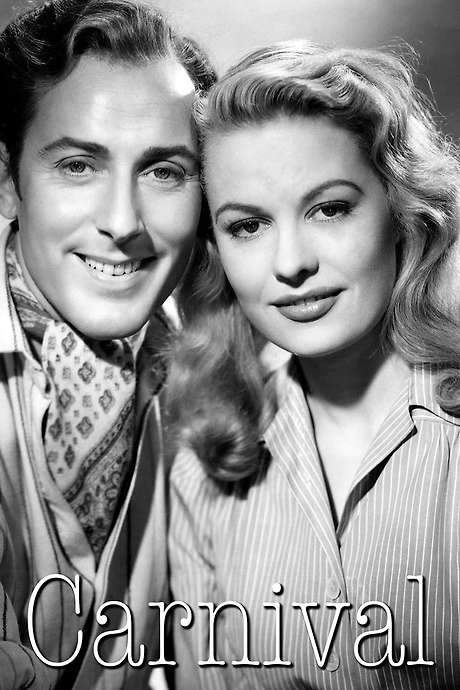
Carnival (1946) movie poster

Plot Summary

Carnival (1946) Plot Summary Explained

Release, runtime and language
1946 · 93 mins · English
Directed by
Stanley Haynes
Starring
Bernard Miles, Stanley Holloway, Hazel Court, Michael Wilding, Catherine Lacey, Michael Clarke

Set in the 19th century, the melodrama follows a talented ballet dancer whose ill‑advised marriage to a quiet Cornish farmer drags her away from the stage. Isolated in rural life, she begins to yearn for the city’s dazzling lights and the embrace of her former artist lover, a longing that does not escape her husband’s vigilant notice.

On this page (5)
  1. 1 What happens: full plot
  2. 2 Plot questions answered
  3. 3 Movie threads
  4. 4 Movies like Carnival
  5. 5 Every angle

Full plot summary · contains spoilers

What Happens in Carnival: Full Plot Summary

The whole story of Carnival (1946) explained, from the opening scene to the final frame: every key event, every twist and what it all adds up to. Read it as a quick recap before the sequel, to check a scene you missed, or to finally understand what really happened.

Jenny Sally Gray is born into a life where the theatre’s bright lure sits side by side with everyday struggle. Her father Charlie Raeburn is out at the theatre, watching a clown show—the clown is even his lodger—while three elderly women stand by the bed to lecture Mrs. Raeburn about the follies of a daughter who might choose the stage. This early tension foreshadows a path Jenny steps onto with ease: she grows into a gifted dancer, and the crowd’s attention follows her every move.

As a young performer, she adopts the name Pearl, a shift that signals both glamour and a growing appetite for life’s more glamorous, risky sides. Jenny becomes absolutely stunning to those who glimpse her on stage, and she draws the gaze of many men. During a day spent at an art gallery, she tries to prove that a sculpture of a dancer isn’t truly possible in the real world and, in the process, tumbles, only to be caught by the artist Maurice Avery. Maurice’s presence brings a spark to Jenny’s world, and their growing bond becomes a pivotal thread: he asks her to live with him, but not to marry.

Back at home, the family dynamics swirl with a new lodger, Mr Trewhella. He’s a country man who disapproves of the town’s ways and isn’t shy about voicing his concerns when he notices the male audience’s leering interest in Jenny’s performances. Maurice’s influence is already tugging at her schedule, disturbing rehearsals and nudging her toward a path that could pull her away from family life. Trewhella’s watchful eye and moral stance set up a clash between Jenny’s ambitions and the traditional pressures of the home she returns to each night.

On Jenny’s birthday, Maurice takes her dancing to the Covent Garden Ball and presents a bracelet, hinting at a future they might share in Spain. She leaves the event with a sense of possibility, yet in the morning she wavers and tells her parents she’s leaving. When she goes to Maurice’s studio, she learns that he has already gone ahead, leaving her feelings unsettled. Their mutual friend Fuzz steps in to explain the situation and unexpectedly proposes marriage to Jenny, a path she feels pulled toward in the absence of Maurice. She ends up running off with Fuzz, leaving colleagues and friends with little sympathy for her loss and the fragile choices she makes.

Tragedy and responsibility circle back as her mother dies unexpectedly, and Mr Trewhella reappears with a proposal to marry Jenny and help raise both Jenny and Maisie in Cornwall. Reluctantly, she accepts, stepping into the role of Mistress Trewhella, a title that marks a new, complicated chapter in her life. When Maurice reenters the scene, the two rekindle their forbidden bond, and a final, impulsive moment unfolds: she begs him to take her to Spain, and in a rush of emotion, she faints as he carries her away.

In this story, the allure of art and the pull of home collide, painting a portrait of a young woman navigating her own ambitions, the expectations of others, and the difficult choices that shape a life lived in the public eye.
Last updated: October 09, 2025 at 12:38

Was this helpful?

Plot questions answered

Carnival Plot Explained: Your Questions Answered

The questions people ask most about Carnival (1946): what happens in the confusing scenes, why the characters do what they do, the twists, hidden details and what the ending means. Each answer contains spoilers.

Q1

Why does Jenny agree to marry Mr. Trewhella?

Jenny marries Mr. Trewhella after her mother dies unexpectedly, leaving her to care for her younger sister Maisie. Trewhella proposes to help raise both girls in Cornwall, and with Maurice gone and no other means of support, Jenny reluctantly accepts. This decision represents her sacrificing personal passion for security and duty, marking a major turning point in her life.

Foreshadowing: Earlier, Trewhella watches Jenny perform and disapproves of the theatre world's influence, establishing his role as a protective, traditional figure who represents the opposite of her artistic life.

  • Jenny
  • Trewhella
  • marriage
  • Cornwall
  • Maisie
  • security
Q2

Why does Maurice leave for Spain without Jenny?

Maurice takes Jenny to the Covent Garden Ball on her birthday, gives her a bracelet, and tells her he's going to Spain, but he leaves the next morning without her. He asks her to join him, but the timing and his sudden departure suggest he may have doubts about taking her or wanted her to make a clearer commitment. His friend Fuzz later explains the situation to Jenny, revealing Maurice left alone.

Foreshadowing: Earlier, Maurice asks Jenny to live with him but refuses to marry her, showing his reluctance to fully commit to a traditional relationship.

  • Maurice
  • Spain
  • Spain trip
  • abandonment
  • Covent Garden Ball
Q3

Why does Jenny run off with Fuzz instead of waiting for Maurice?

After Maurice leaves for Spain, Jenny is left heartbroken and uncertain. Fuzz, their mutual friend, proposes marriage to her, and in her vulnerable state, she accepts and runs off with him. This impulsive choice reflects her desperation for security and affection after being abandoned, rather than waiting for a man who didn't take her with him.

Foreshadowing: The tension between Jenny's desire for artistic freedom and her need for stability has been building throughout the film, and Fuzz's proposal offers a quick resolution to her uncertainty.

  • Jenny
  • Fuzz
  • marriage
  • impulsive decision
  • Maurice abandoned
Q4

Why does Jenny go back to Maurice at the end despite being married?

Jenny's marriage to Trewhella in Cornwall provides security but not fulfillment. When Maurice reappears, their old passion resurfaces, and she asks him to take her to Spain. This final act represents Jenny choosing her artistic desires and personal passion over her duties as a wife and guardian, though she faints in the process, suggesting the emotional weight of her decision is overwhelming.

Foreshadowing: Throughout the film, Jenny consistently chooses passion over practicality, from adopting the glamorous name Pearl to leaving with Maurice on her birthday, establishing a pattern of prioritizing desire over stability.

  • Jenny
  • Maurice
  • affair
  • Spain
  • ending
  • escape
Q5

What happens to Jenny's mother in the movie?

Jenny's mother dies unexpectedly, creating a pivotal moment that forces Jenny to make life-altering decisions. Her colleagues show little sympathy for her loss, highlighting Jenny's isolation. This tragedy directly leads to Trewhella's proposal and Jenny's subsequent marriage, as she now faces the responsibility of raising her sister Maisie alone.

Foreshadowing: Early in the film, three elderly women lecture Jenny's mother about the dangers of her daughter choosing the stage life, hinting at the struggles and instability that lie ahead.

  • Jenny's mother
  • death
  • Cornwall
  • Maisie
  • responsibility
Q6

Why does Jenny adopt the stage name Pearl?

When Jenny begins performing professionally as a ballerina, she takes the name Pearl, a shift that signifies her transformation into a public performer. The name carries connotations of glamour and desirability, matching how she draws the attention of many men in the audience. This change reflects her embrace of the risky, glamorous side of theatre life.

Foreshadowing: The film opens with tension about whether Jenny will choose the stage, and her choice of a glamorous alias signals she's committed to that path.

  • Pearl
  • stage name
  • transformation
  • ballerina
  • performer
Q7

Why does Mr. Trewhella disapprove of Jenny's ballet career?

Mr. Trewhella is a traditional country man who moves in as a lodger and immediately voices disapproval of the theatre world. He goes to watch Jenny perform and is troubled by the leering attention from male audience members. His moral stance represents the conventional values that conflict with Jenny's artistic ambitions, and his watchful eye creates tension throughout the story.

Foreshadowing: Trewhella's early disapproval sets up his later role as the man who offers Jenny an alternative to theatre life, one rooted in duty rather than passion.

  • Trewhella
  • disapproval
  • theatre
  • ballet
  • tradition
  • morals
Q8

Why does Maurice ask Jenny to live with him but refuse to marry?

Maurice invites Jenny to live with him in his studio but makes clear he doesn't want them to marry. This reflects his progressive, bohemian attitude toward relationships, he values the freedom of an unconventional arrangement rather than traditional marriage. His refusal to commit fully foreshadows his later abandonment when he leaves for Spain without her.

Foreshadowing: Maurice's reluctance to marry establishes his pattern of offering passion without permanence, setting up the emotional instability that defines his relationship with Jenny.

  • Maurice
  • live together
  • marriage
  • commitment
  • bohemian
Q9

What causes Jenny to faint at the end of the movie?

Jenny faints as Maurice carries her away at the end, suggesting the emotional strain of her situation has become overwhelming. She has just abandoned her husband and sister to pursue a uncertain future with Maurice. The faint represents both the physical toll of her emotional turmoil and the precariousness of her impulsive choice, escaping with her lover but into an ambiguous future.

Foreshadowing: Jenny has been torn between duty and passion throughout the film, and her inability to stand steadily reflects how completely this conflict has consumed her.

  • Jenny
  • faint
  • ending
  • escape
  • emotional breakdown
Q10

Why does Jenny choose the theatre over family life?

Jenny is drawn to the glamour and excitement of the stage from a young age, symbolized by her adoption of the name Pearl and her talent as a dancer. The theatre represents freedom, artistic expression, and personal fulfillment, everything her ordinary family life lacks. Throughout the film, she repeatedly chooses artistic passion over stability, even when it means leaving her family and eventually her husband.

Foreshadowing: The film opens with three elderly women warning Jenny's mother about the dangers of the stage, establishing early on that Jenny's path will conflict with conventional family expectations.

  • theatre
  • stage
  • ambition
  • family
  • artistic passion
  • Pearl

Movie threads

More Movies Like Carnival, by Mood & Story

Curated lists built around what makes Carnival tick: the same mood, the same kind of story or the same emotional payoff. Each list explains why these movies belong together.

Movies about artistic ambition versus family duty like Carnival

Stories of talented souls torn between passion and the quiet demands of a settled life. If you enjoyed Carnival's central conflict of a dancer torn from her passion, you'll find similar themes in these movies. They explore the heavy price of artistic dreams when they clash with the expectations of family and society, often set in period dramas or character-driven narratives.

  • melancholic
  • yearning
  • regretful
  • dramatic
  • internal conflict
  • sacrifice
  • Tone: melancholic, regretful
  • Pacing: steady, character driven
Why these movies?

The story pattern: Narratives in this thread typically follow a protagonist whose exceptional talent or passion is stifled by the demands of a life they feel trapped in, often a marriage or family obligation. The central struggle involves a growing tension between loyalty to others and a powerful, intrinsic need for self-expression, leading to profound personal crisis.

Why they belong together: Movies are grouped here because they share a core thematic focus on the sacrifice of artistic identity for duty. They evoke a specific mood of melancholic yearning and internal conflict, often featuring steady pacing and a bittersweet emotional resolution.

Movies with a melancholic rural isolation vibe like Carnival

Atmospheric tales of characters feeling trapped and longing for escape from the countryside. Fans of Carnival's depiction of a life stifled by the countryside will appreciate these films. They capture a similar mood of oppressive quiet and profound longing, often in period settings, where characters are isolated from the world they truly desire, leading to dramatic and bittersweet outcomes.

  • oppressive
  • nostalgic
  • isolated
  • yearning
  • atmospheric
  • melancholic
  • Tone: melancholic, oppressive
  • Pacing: steady, atmospheric
Why these movies?

The story pattern: The narrative pattern involves a character, often from a more vibrant background, being confined to a quiet, rural environment. The story unfolds through their growing sense of alienation and their longing for the excitement and belonging of the world they left behind, creating a central tension between their present reality and their idealized past or future.

Why they belong together: These movies are united by a powerful and specific atmospheric vibe. They share a melancholic tone, a steady, deliberate pacing that amplifies the feeling of stagnation, and a thematic focus on isolation and the painful gap between desire and reality.

If you liked this

Movies Like Carnival

Similar movies to Carnival: the same genre, themes or kind of story. Each one comes with its own plot summary, timeline and ending explained.

Browse all movie summaries

Every angle

Carnival (1946) Explained: Plot, Timeline & Characters

Everything about Carnival in one place: what happens in the plot summary, the timeline in chronological order, the characters and meaning and a spoiler-free summary. What's After the Movie adds the cast, box office and post-credit scenes.

Coming soon on iOS and Android

The Plot Explained Movie Summary App

Plot summaries, endings explained and timelines on your phone. Catch up on any movie in minutes, save your favorites and never miss a twist again.

Be the first to know when we launch. Your email stays private, always.

Learn more about the app