Plot Explained Spoilers guaranteed!
Plot Explained

Browse by genre

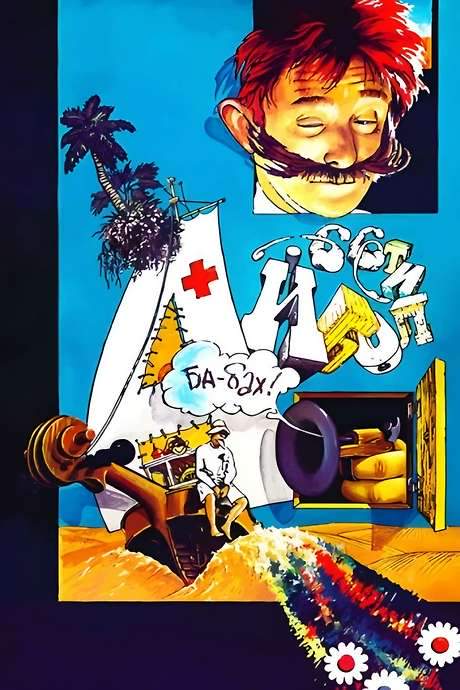
Car, Violin and Blot the Dog (1974) movie poster

Plot Summary

Car, Violin and Blot the Dog (1974) Plot Summary Explained

Release, runtime and language
1974 · 101 mins · Russian
Loading streaming availability…
Starring
Mikhail Kozakov, Andrei Gusev, Spartak Mishulin, Aleksei Smirnov, Galina Polskikh, Rolan Bykov

A whimsical fantasy follows a musician‑engineer and his companion, the world’s most beautiful girl, along with her brother who is obsessed with turning every cat into a monkey, and his mischievous dog Klyaksa, weaving together eccentric adventures, surreal humor and unexpected twists.

On this page (6)
  1. 1 Where to watch
  2. 2 What happens: full plot
  3. 3 Plot questions answered
  4. 4 Movie threads
  5. 5 Movies like Car, Violin and Blot the Dog
  6. 6 Every angle
Loading streaming availability…

Full plot summary · contains spoilers

What Happens in Car, Violin and Blot the Dog: Full Plot Summary

The whole story of Car, Violin and Blot the Dog (1974) explained, from the opening scene to the final frame: every key event, every twist and what it all adds up to. Read it as a quick recap before the sequel, to check a scene you missed, or to finally understand what really happened.

In a seaside town, a sun-warmed courtyard sits among aging two-story buildings, and the lives of its residents unfold in a tapestry of small, intimate moments. The film follows a group of neighbors whose days touch one another in quiet, meaningful ways, painting a portrait of community, aspiration, and memory.

Two school friends are in love with Anna, the courtyard’s beauty who draws their attention and questions about growing up. One of them is Олег Починкин, a hands-on, jack-of-all-trades driver who spends his time tinkering with cars and other machines, trying to fix the world one dent at a time. The other is David, a musician still learning the violin, whose growing skill mirrors a young heart learning how to listen and to be heard.

Anna’s world includes more than romance. Her older sister is finishing school but struggles with her studies, finding support from a classmate and a tutor who represent the steady help that surrounds a person in transition. Anna also has a younger brother, Kuzya, a creative, imagination-fueled child who embraces the world with wide-eyed wonder. With toothpaste as his catalyst, he imagines turning a black dog into his own version of a “zerba,” a playful fantasy that blurs the line between dream and daily life.

Kuzya’s dream goes further still: he longs for many cats, convinced that cats can become monkeys, monkeys can become bears, and from bears he could conjure an army of friends. Anna, caught between responsibility and affection, works to bring him cats while navigating her own feelings and the uncertain currents of adolescence.

The film notices that Kuzya’s imaginative world is not simply a child’s invention; it is brought to life by a musical ensemble that also assumes the roles of various other characters. This troupe guides and supports the young protagonists on their journey, turning private fantasies into shared moments and lending a steady rhythm to their days with warmth, humor, and gentle wisdom.

Last updated: February 18, 2026 at 23:47

Was this helpful?

Plot questions answered

Car, Violin and Blot the Dog Plot Explained: Your Questions Answered

The questions people ask most about Car, Violin and Blot the Dog (1974): what happens in the confusing scenes, why the characters do what they do, the twists, hidden details and what the ending means. Each answer contains spoilers.

Q1

How does Kuzya turn the black dog into a zerba with toothpaste?

Kuzya uses toothpaste as his magical catalyst to transform a black dog into his own version of a 'zerba' - a playful fantasy creature. This isn't meant to be taken literally as real magic; instead, it represents how a child's imagination can transform everyday objects and animals into something wondrous. The film brings his private fantasy to life through the musical ensemble, which visually creates these imaginative scenes for the viewer.

  • kuzya
  • zerba
  • toothpaste
  • magic
  • child fantasy
Q2

What is the role of the musical ensemble in the story?

The musical ensemble serves as both narrator and active participant in the children's imaginative world. They bring Kuzya's fantasies to visual life, assume various character roles throughout the story, and guide the young protagonists on their journey. Their performances bridge fantasy and reality, offering encouragement and a sense of wonder that sustains the group throughout their coming-of-age experiences.

  • musical ensemble
  • performers
  • fantasy guide
  • narrator
Q3

Why does Kuzya want to turn cats into monkeys and then bears?

Kuzya imagines a chain of transformations: cats become monkeys, monkeys become bears, and from these bears he could conjure an army of friends. This reflects a child's grand, logical-in-their-own-mind thinking where one fantasy leads to another. He wants an army of friends to escape loneliness and fill his imaginative world with companions, showing how childhood wishes grow exponentially in a child's mind.

  • kuzya
  • cats
  • monkeys
  • bears
  • imagination
  • friends
  • childhood fantasy
Q4

How does Anna choose between Oleg and David?

Anna finds herself torn between two admirers: Oleg, the practical jack-of-all-trades driver who fixes things with his hands, and David, the aspiring violinist whose music expresses emotion and longing. The story develops their love triangle as Anna navigates her own feelings amid the uncertainties of adolescence. The resolution shows her sorting through her emotions with guidance from the ensemble and her community.

  • anna
  • oleg
  • david
  • love triangle
  • romance
  • choices
Q5

What happens with Anna's older sister and her school struggles?

Anna's older sister is finishing school but faces difficulties with her studies. She receives help from both a classmate and a tutor, representing the steady support system that surrounds someone in transition. This subplot demonstrates the community's interconnectedness and willingness to help one another through challenges.

  • anna sister
  • school
  • studies
  • tutor
  • classmate
  • support
Q6

Where is Klyaksa the dog in this movie?

While the title mentions "Blot the Dog" (Klyaksa), the summary focuses primarily on Kuzya's transformation of a black dog into a zerba using toothpaste. Klyaksa appears to represent the whimsical, mischievous presence of dogs in the children's imaginative world rather than serving as a major character in the plot described.

  • klyaksa
  • dog
  • zerba
  • childhood fantasy
Q7

Why is the seaside courtyard important to the story?

The seaside courtyard serves as the intimate stage where all these lives intersect. The rundown two-story buildings create close quarters where everyday moments touch one another meaningfully. This setting fosters the interconnected community where friends, lovers, and family members navigate their desires and duties together, making it essential to the story's themes of connection and growing up.

  • courtyard
  • seaside
  • setting
  • community
  • neighborhood
Q8

How does David's violin playing develop throughout the film?

David dedicates himself to learning the violin, and his growing skill mirrors his emotional development as a young heart learning how to listen and be heard. Music becomes the language through which he expresses his yearnings and hopes for Anna, and it represents his path toward self-expression and artistic growth within the courtyard community.

  • david
  • violin
  • music
  • development
  • aspirations
  • romance
Q9

Is this a fantasy movie or a realistic story?

The film blends both elements in a whimsical way. The children's fantasies, like Kuzya's zerba and his cat-monkey-bear transformation chain, are brought to life visually by the musical ensemble, making them tangible within the story. However, the everyday courtyard life with its small, intimate moments feels grounded and realistic. The film weaves between these modes, using fantasy to express childhood creativity and imagination.

  • fantasy
  • whimsical
  • tone
  • reality
  • imagination
  • blend

Movie threads

More Movies Like Car, Violin and Blot the Dog, by Mood & Story

Curated lists built around what makes Car, Violin and Blot the Dog tick: the same mood, the same kind of story or the same emotional payoff. Each list explains why these movies belong together.

Whimsical Childhood Journeys like in Car, Violin and Blot the Dog

Films that capture the surreal and playful logic of a child's vibrant imagination. If you loved the charmingly bizarre world of Car, Violin and Blot the Dog, discover more movies like it. These films share a gentle, imaginative quality, capturing the surreal humor and creative problem-solving of a child's perspective. Find similar family-friendly fantasies here.

  • whimsical
  • playful
  • imaginative
  • dreamlike
  • charming
  • surreal
  • Tone: whimsical, playful
  • Pacing: steady, meandering
Why these movies?

The story pattern: Narratives in this thread often follow children or childlike characters whose rich inner worlds manifest in their reality. The plot unfolds through their unique perspective, blending real-world settings with fantastical elements, eccentric inventions, and playful transformations.

Why they belong together: These movies are grouped by their shared ability to evoke a sense of childlike wonder. They prioritize charm, playful humor, and imaginative premises over high-stakes conflict, creating a cozy and delightful viewing experience centered on creativity and innocence.
Gentle Eccentric Adventures like in Car, Violin and Blot the Dog

Stories where eccentric characters come together in whimsical, low-stakes adventures. Looking for movies similar to Car, Violin and Blot the Dog? This collection highlights films with quirky characters and eccentric community life. Enjoy more stories where whimsical inventions, mischievous pets, and unique personalities create a lighthearted, surreal, and charming atmosphere.

  • eccentric
  • quirky
  • charming
  • community
  • lighthearted
  • surreal
  • Tone: whimsical, charming
  • Pacing: steady, leisure
Why these movies?

The story pattern: The narrative structure weaves together multiple character threads—each with their own peculiar goals and inventions—into a cohesive tapestry. Conflict is minimal and humorous, with the joy stemming from watching these distinct personalities interact and collaborate in bizarre yet gentle ways.

Why they belong together: These films are united by their focus on eccentricity and community. They share a light emotional weight, a steady pace, and a tone that finds humor and charm in the peculiarities of their characters, creating a uniquely cozy and inventive vibe.

If you liked this

Movies Like Car, Violin and Blot the Dog

Similar movies to Car, Violin and Blot the Dog: the same genre, themes or kind of story. Each one comes with its own plot summary, timeline and ending explained.

Browse all movie summaries

Every angle

Car, Violin and Blot the Dog (1974) Explained: Plot, Timeline & Characters

Everything about Car, Violin and Blot the Dog in one place: what happens in the plot summary, the timeline in chronological order, the characters and meaning and a spoiler-free summary. What's After the Movie adds the cast, box office and post-credit scenes.

Coming soon on iOS and Android

The Plot Explained Movie Summary App

Plot summaries, endings explained and timelines on your phone. Catch up on any movie in minutes, save your favorites and never miss a twist again.

Be the first to know when we launch. Your email stays private, always.

Learn more about the app