Plot Explained Spoilers guaranteed!
Plot Explained

Browse by genre

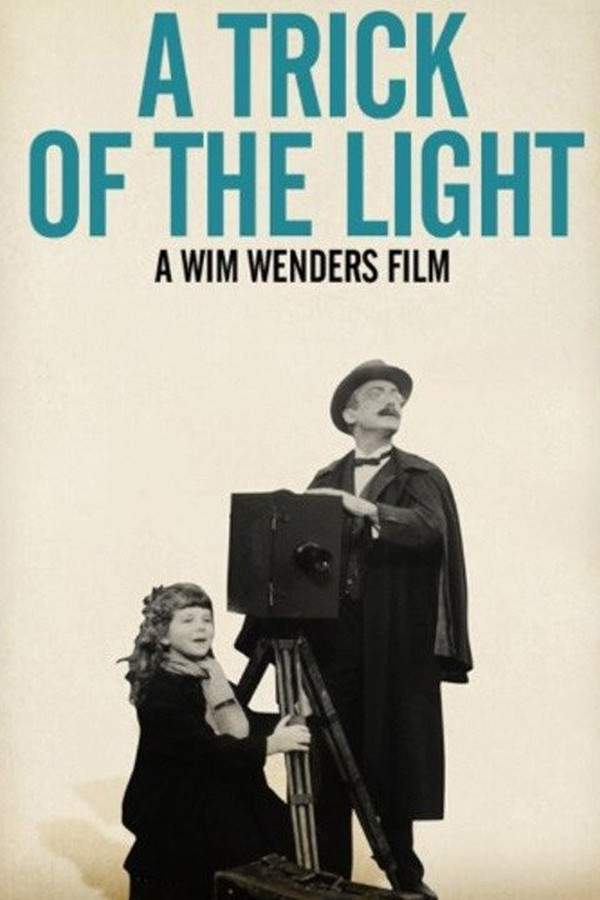
A Trick of the Light (1995) (2015) movie poster

Plot Summary

A Trick of the Light (1995) (2015) Plot Summary Explained

Release, runtime and language
2015 · 79 min · German
Loading streaming availability…
Directed by
Wim Wenders

Wim Wenders directs this touching tribute to the Skladanowsky brothers, early pioneers in filmmaking. The film explores their groundbreaking work and the challenges they faced as they introduced the novelty of projected motion pictures to a world rapidly embracing cinematic innovation. Through a blend of biographical detail and dramatic recreation, the story celebrates their enduring legacy and illuminates a pivotal moment in film history.

On this page (7)
  1. 1 Where to watch
  2. 2 What happens: full plot
  3. 3 Plot questions answered
  4. 4 Movie threads
  5. 5 Movies like A Trick of the Light (1995)
  6. 6 Categories
  7. 7 Every angle
Loading streaming availability…

Full plot summary · contains spoilers

What Happens in A Trick of the Light (1995): Full Plot Summary

The whole story of A Trick of the Light (1995) (2015) explained, from the opening scene to the final frame: every key event, every twist and what it all adds up to. Read it as a quick recap before the sequel, to check a scene you missed, or to finally understand what really happened.

Gertrud Skladanowky's childhood was one of vibrant creativity, shared with her father Max and her uncles Emil and Eugen in Pankow, near Berlin. Surrounded by the innovative spirits of these men, she formed a particularly strong bond with her uncle Eugen, a gifted clown and magician. Max was fervently dedicated to realizing his vision of motion picture technology, a quest that also involved Emil as they showcased their magic lanterns at fairs. However, Gertrud yearned for something more genuine, feeling that their entertainment lacked authenticity. Her dreams began to soar when she learned that Eugen had joined a traveling circus, although she was aware that his absence would last a considerable time. Before he left, Gertrud's gaze fell on a mysterious box crafted by her father, which held the secrets of their latest invention—film strips. In a moment of curiosity, she accidentally exposed the initial set of images, narrowly saving the delicate medium. Fortunately, the second set remained untouched, leading to Max's triumphant demonstration of his life-size projection of Eugen, a groundbreaking achievement that would soon capture the fascination of many beyond their close-knit family. Despite the keen interest from outsiders, the Skladanowsky family adeptly avoided unwanted attention, outsmarting any would-be spies lurking nearby.

On that remarkable day, December 28th, 1895, Max Skladanowsky (Max) found himself alongside his brother Emil at the Grand Café on Paris's Boulevard des Capucines, witnessing a pivotal moment in cinema history—the Lumière brothers' impressive demonstration. Observing their showcase made it painfully clear that Max's own apparatus was vastly inferior, a truth that left him in a state of shock. The memory of his preparation for this event weighed heavily on his mind; whispers of the revolutionary invention had spread like wildfire through Berlin, drawing throngs of artists eager to be immortalized on film strips in a local beer garden. Meanwhile, the esteemed operators of the Wintergarten vaudeville company caught wind of the Skladanowskys' ambitions and sought to strike a business deal at their Pankow location. Keenly watching from a distance, Max's curiosity intensified as he searched for more intel about their plans.

In a twist of fate, Emil overheard a thief trying to sell his rival production to the vaudeville owners. Following the man led to an unexpected scene of satisfaction when Emil witnessed the thief's contraption unexpectedly explode in the basement, much to the astonishment of the directors. As the brothers geared up to promote their upcoming Winter Garden show, they learned that a renowned artist was in town, dazzling audiences with her captivating serpentine dance. They successfully convinced her to perform in front of their camera, hoping to enhance their film. However, during an intimate moment with Josephine, the lovely waitress he had feelings for, Emil accidentally ruined the original footage when a candle too close to the film strips ignited them.

Determined to recreate the lost film, Emil captured Josephine performing the dance. When the final showing occurred, neither Max nor the audience noticed the switch, with the exception of the original performer observing from the sidelines, who quickly set aside her doubts as roaring applause enveloped her. The film's success was evident, showcasing the brothers' unwavering resilience in the face of challenges.

As Lucie Hürtgen-Skladanowsky fondly reminisces about her father Max Skladanowsky, born in 1904, the boundaries of the present blur, immersed instead in rich memories from her childhood when cinema was still dawning. Her reflections transport us back to the early days of film when her family significantly influenced its development.

Suddenly, a hush envelops the room as Eugen and Gertrud return, their focused gazes surveying the surroundings with a palpable tension. The atmosphere transforms dramatically, akin to an artist shifting from vibrant hues to monochrome, reflecting the stark contrast between Lucie's cherished past and her contemporary existence.

Eugen’s sharp instincts quickly come into play as they notice a familiar figure lurking by the window—a notorious spy—who is no match for the cunning of the resourceful uncle and his astute niece. In their flight, Eugen ushers them into a modern taxi but whimsically conjures up an anachronistic carriage, fitting for their leap through time.

Their exit is shrouded in mystery as they vanish from the construction site of Potsdamer Platz, leaving a trail of intrigue behind. The scene fades into obscurity, echoing the seamless blend of past and present as Lucie's narrative continues to enchant.
Last updated: November 22, 2024 at 19:01

Was this helpful?

Plot questions answered

A Trick of the Light (1995) Plot Explained: Your Questions Answered

The questions people ask most about A Trick of the Light (1995) (2015): what happens in the confusing scenes, why the characters do what they do, the twists, hidden details and what the ending means. Each answer contains spoilers.

Q1

Why did Max feel shocked after seeing the Lumière brothers' demonstration?

Max was shocked because he realized his own apparatus was vastly inferior to the Lumière brothers' technology. After witnessing their impressive demonstration at the Grand Café in Paris on December 28, 1895, Max understood that his and Emil's invention was not on the same level, despite their earlier successes with magic lanterns and life-size projections.

  • max skladanowsky
  • lumiere brothers
  • paris demonstration
  • cinema history
Q2

Why was Gertrud's accident with the film strips significant?

Gertrud accidentally exposed the first set of images on the film strips, which could have ruined their entire project. However, her quick action saved the delicate medium, and fortunately the second set remained untouched. This allowed Max to proceed with his triumphant demonstration of the life-size projection of Eugen, a groundbreaking achievement that captivated their audience.

  • gertrud
  • film strips
  • accident
  • projection invention
Q3

How did the brothers recover after losing the original dance footage?

After Emil accidentally set fire to the original footage of the serpentine dancer during an intimate moment with Josephine, he captured Josephine performing the dance instead. The switch went unnoticed by Max and the audience during the final showing, with only the original performer recognizing the change. The film still received roaring applause, proving the brothers' resilience.

  • emil
  • josephine
  • serpentine dance
  • film recovery
  • vaudeville
Q4

Why did the Wintergarten vaudeville company want to work with the Skladanowskys?

The Wintergarten operators learned about the Skladanowskys' ambitions and recognized the potential in their motion picture technology. They sought to strike a business deal at the family's Pankow location, seeing an opportunity to incorporate innovative film projections into their vaudeville shows and attract larger audiences.

  • wintergarten
  • vaudeville
  • business deal
  • pankow
Q5

What happened to the thief's contraption in the basement?

Emil overheard a thief trying to sell his rival production to the Wintergarten directors. Following the man led to a surprising scene when the thief's contraption unexpectedly exploded in the basement. This gave Emil a satisfying moment of watching the directors react with astonishment to the failed invention.

  • thief
  • contraption
  • explosion
  • rival production
Q6

Why did Gertrud feel her family's entertainment lacked authenticity?

Gertrud yearned for something more genuine in the family's entertainment offerings. While her father Max and uncles Emil and Eugen showcased magic lanterns at fairs, Gertrud believed their presentations lacked true artistic authenticity. Her dreams of genuine expression were fueled when she learned her beloved uncle Eugen, a talented clown and magician, had joined a traveling circus.

  • gertrud
  • authenticity
  • magic lanterns
  • circus
  • eugen
Q7

What does the final scene with Eugen and Gertrud escaping represent?

The final scene represents a whimsical blend of past and present as Lucie Hürtgen-Skladanowsky reflects on her father's legacy. Eugen and Gertrud flee from a notorious spy, with Eugen conjuring an anachronistic carriage for their escape from the construction site of Potsdamer Platz. This magical element symbolizes the family's journey through time and their enduring influence on cinema history.

  • lucie
  • hurtgen
  • eugen
  • gertrud
  • time leap
  • potsdamer platz
  • spy
Q8

Why was the December 28, 1895 date significant for cinema history?

On December 28, 1895, Max and Emil Skladanowsky witnessed the Lumière brothers' historic demonstration at the Grand Café on Paris's Boulevard des Capucines. This event marked a pivotal moment in cinema history, as the Lumières showcased their superior motion picture technology, prompting Max to recognize the need to improve his own invention.

  • december 28 1895
  • grand cafe
  • paris
  • cinema milestone
  • lumiere brothers
Q9

Who was Josephine and why was she important to the film project?

Josephine was a lovely waitress for whom Emil had romantic feelings. After the original serpentine dance footage was destroyed, Emil captured Josephine performing the dance instead. Her performance successfully replaced the lost footage, and neither Max nor the audience noticed the switch during the final showing.

  • josephine
  • emil
  • serpentine dance
  • romance
  • film project

Movie threads

More Movies Like A Trick of the Light (1995), by Mood & Story

Curated lists built around what makes A Trick of the Light (1995) tick: the same mood, the same kind of story or the same emotional payoff. Each list explains why these movies belong together.

Whimsical journeys into the past like A Trick of the Light (1995)

Gentle stories where memory and history blend into a magical experience. If you liked the nostalgic, dreamlike feel of A Trick of the Light, explore other movies that blend memory and history with a whimsical tone. These films offer gentle pacing and a light emotional weight, perfect for viewers seeking tender, magical stories about legacy and invention.

  • nostalgic
  • whimsical
  • dreamlike
  • tender
  • reflective
  • magical
  • Tone: whimsical, nostalgic, hopeful
  • Pacing: steady, contemplative
Why these movies?

The story pattern: These narratives often unfold through a reflective lens, such as a character looking back on their life or a historical event. The journey is less about high-stakes conflict and more about rediscovery, piecing together fragments of the past with a sense of wonder and affectionate tribute.

Why they belong together: Movies in this thread are united by their whimsical tone, low intensity, and light emotional weight. They share a pacing that is steady and contemplative, allowing the audience to soak in the atmosphere. The core similarity is a feeling of tender magic applied to historical or personal memory.

Celebrations of creative pioneers like A Trick of the Light (1995)

Heartwarming stories about innovators and the magic of their discoveries. Movies like A Trick of the Light that pay tribute to inventors and artists. These similar biography dramas focus on the magic of discovery with a happy ending, offering hopeful stories about legacy for viewers who enjoy light, inspiring historical tales.

  • inspiring
  • hopeful
  • celebratory
  • touching
  • reflective
  • curious
  • Tone: hopeful, celebratory, tender
  • Pacing: steady, biographical
Why these movies?

The story pattern: The narrative follows the journey of inventors or artists as they develop their seminal work. Obstacles are faced with resilience, and the climax is not a dramatic fall but a triumphant demonstration of their creation. The story structure serves to illuminate the process and passion behind the innovation, leaving the audience feeling inspired.

Why they belong together: These films are grouped by their shared thematic focus on creative pioneers, a moderate complexity in exploring the creative process, and a consistently happy or hopeful ending feel. The pacing is steady, charting a clear biographical progression, and the emotional weight is kept light to emphasize admiration over anguish.

If you liked this

Movies Like A Trick of the Light (1995)

Similar movies to A Trick of the Light (1995): the same genre, themes or kind of story. Each one comes with its own plot summary, timeline and ending explained.

Browse all movie summaries

Categories

Movie Lists Featuring A Trick of the Light (1995)

A Trick of the Light (1995) appears in these hand-built movie categories. Each one groups movies by a specific mood, theme or story type, with their plot summaries and endings explained.

View all movie categories

Every angle

A Trick of the Light (1995) (2015) Explained: Plot, Timeline & Characters

Everything about A Trick of the Light (1995) in one place: what happens in the plot summary, the timeline in chronological order, the characters and meaning and a spoiler-free summary. What's After the Movie adds the cast, box office and post-credit scenes.

Coming soon on iOS and Android

The Plot Explained Movie Summary App

Plot summaries, endings explained and timelines on your phone. Catch up on any movie in minutes, save your favorites and never miss a twist again.

Be the first to know when we launch. Your email stays private, always.

Learn more about the app