Caché (Hidden)

A couple's peaceful existence is disturbed by the arrival of anonymous videotapes depicting events from their past. These recordings force Georges, a television executive, and his wife Anne to confront unsettling memories and a hidden camera documenting their lives. As they attempt to understand the sender's motives and the meaning behind the recordings, the couple must face long-buried secrets and a growing sense of paranoia that threatens to unravel their relationship and their sense of safety.
Where to Watch Caché (Hidden)?
Find where to stream, rent, or buy Caché (Hidden) (2005) in the US with current JustWatch availability, up-to-date pricing, and platform listings for subscription, rental, and digital purchase options.









Warning: spoilers below!
Haven’t seen Caché (Hidden) yet? This summary contains major spoilers. Bookmark the page, watch the movie, and come back for the full breakdown. If you're ready, scroll on and relive the story!
Timeline – Caché (Hidden) (2005)
Trace every key event in Caché (Hidden) (2005) with our detailed, chronological timeline. Perfect for unpacking nonlinear stories, spotting hidden connections, and understanding how each scene builds toward the film’s climax. Whether you're revisiting or decoding for the first time, this timeline gives you the full picture.
Last updated: January 02, 2025 at 17:54
Caché (Hidden) (2005) Timeline Questions Answered – Chronology FAQ
Find frequently asked questions about the Caché (Hidden) (2005) timeline, including chronological order, nonlinear jumps, cause-and-effect links, and scene sequence clarifications. This timeline FAQ helps explain when key events happen, how moments connect, and why the story unfolds in that specific order.
Who sent the anonymous videotapes to Georges and Anne?
The true sender of the tapes is never definitively revealed in the film. While Georges suspects Majid, the film leaves this question ambiguous. The most likely interpretation is that Majid's son sent the tapes to expose Georges' past actions, but this remains unconfirmed. The ambiguity is intentional, the uncertainty mirrors the family's paranoia and the theme of being 'watched.'
What did Georges do to Majid when they were children?
When Georges was a child, his family was preparing to adopt Majid, a boy of Algerian descent whose parents were killed. Out of jealousy and fear of losing his parents' attention, young Georges told lies about Majid, suggesting Majid was violent and dangerous. These lies convinced his parents to send Majid to an orphanage instead, dooming Majid to a difficult life filled with hardship and mental health struggles.
The nightmare about the chicken beheading foreshadows Georges' childhood violence and the harm he caused.
Why did Georges lie to prevent Majid's adoption?
Georges lied because he was a jealous child who feared that adopting Majid would take his parents' attention away from him. When Georges' parents considered bringing Majid into the family, young Georges viewed him as a rival for parental love and responded by sabotaging the adoption through false accusations about Majid's behavior.
What does the drawing on the second tape mean?
The childlike drawing of a boy with blood dripping from his mouth serves as a symbolic message about guilt and victimhood. It represents the traumatic legacy of Georges' childhood actions, Majid was effectively 'silenced' and his life was 'bled' dry by being sent to the orphanage. The drawing likely came from Majid's son, attempting to communicate the pain inherited across generations.
Why did Majid kill himself?
Majid's suicide is a result of accumulated despair from a lifetime of rejection, poverty, and mental illness, all stemming from being sent to an orphanage as a child. When Georges confronted him accusingly, claiming he was harassing the family, it was the final humiliation. Majid felt completely invalidated and without recourse, leading him to take his own life in front of Georges to make him confront the consequences of his past actions.
Georges' earlier nightmare showed a child being led away, foreshadowing how his actions would ultimately lead to tragedy.
What is the nightmare about the chicken beheading about?
The nightmare depicting a child beheading a chicken outside Georges' childhood home is a symbolic representation of his buried guilt. The violent act reflects young Georges' capacity for cruelty and foreshadows the harm he caused Majid. The chicken may also symbolize innocence being destroyed, Georges destroyed Majid's chance at a family life. This nightmare is the first sign that Georges' past is resurfacing.
Why couldn't the police do anything about the tapes?
The police refused to act because the tapes, while disturbing, contained no explicit threats or criminal content. The footage of the house exterior was legal to capture from public spaces, and without a clear threat, there was nothing for police to investigate. This powerlessness reflects the film's theme of institutional failure to address psychological harassment and the limits of authority in protecting people from surveillance.
Why is Georges' childhood home important in the story?
The childhood home serves as the physical connection to Georges' past. When the tape shows a car driving toward the abandoned manor, Georges recognizes it and visits, leading to the discovery of his elderly mother and the revelation about Majid. The house represents the origin of his guilt, it's where he made the childhood decision that destroyed another person's life. Returning there forces him to confront memories he had suppressed.
What does the ending imply about Pierrot and Majid's son?
The ending shows Pierrot and Majid's son speaking casually outside Pierrot's school, suggesting a potential reconciliation between the two families. Despite the tragedies and secrets, the next generation appears to be forming their own connection. This offers a glimmer of hope that the cycle of secrets and pain might be broken, though it remains ambiguous whether this is truly healing or simply naivety about the past.
Why does Georges hide Majid's suicide from the police?
Georges keeps Majid's suicide secret because he is already burdened with guilt over his childhood actions. Reporting it would force him to fully confront his role in Majid's tragic life. Additionally, Georges likely fears the legal and social consequences of being present during a suicide he arguably triggered. His silence represents his continued pattern of concealment and逃避 (avoidance) rather than facing reality.
How does the film address themes of race and class?
The film subtly explores racial and class prejudice through Majid's background, he is of Algerian descent, and his fate contrasts sharply with the affluent Laurent family. Georges, despite being a public intellectual, destroyed a vulnerable child's life without consequence. The tapes arriving at a wealthy Parisian home while Majid lived in low-income housing underscores the class divide and the systemic neglect of marginalized people.
What is the significance of the film's surveillance theme?
The constant surveillance through the tapes creates a pervasive sense of being watched, which mirrors the film's meta-commentary on observation. The opening shot appearing to be a static view of a street is actually a recording on a TV, suggesting we, the audience, are also watchers. This raises questions about responsibility: who watches whom, and what do we owe to those we observe without acting?

Explore Movie Threads
Discover curated groups of movies connected by mood, themes, and story style. Browse collections built around emotion, atmosphere, and narrative focus to easily find films that match what you feel like watching right now.
Slow burn psychological thrillers like Caché (Hidden)
Stories where quiet tension slowly erodes a character's sense of reality. If you liked the slow-building tension and psychological unraveling in Caché (Hidden), explore more movies like it. These films feature a deliberate pace, high psychological intensity, and a focus on characters grappling with paranoia, guilt, and a destabilizing sense of being watched.
Broadcast Signal Intrusion
2021
Tinker Tailor Soldier Spy
2011

Forever’s End
2013

The Wolf Hour
2019
La Moustache
2006

The Turn of the Screw
2009
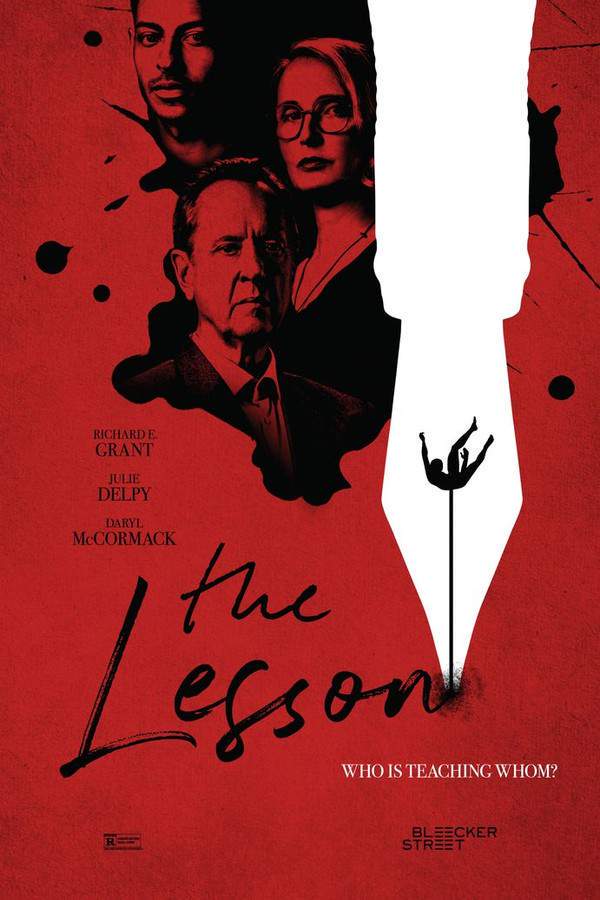
The Lesson
2023
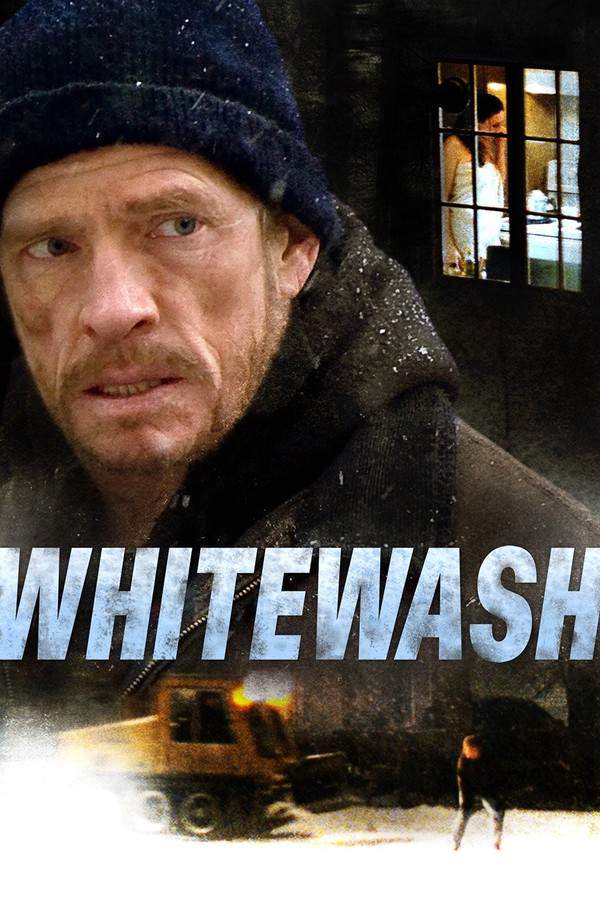
Whitewash
2014

Monsieur Hire
1989

The Moment
2014
Caché (Hidden)
2005
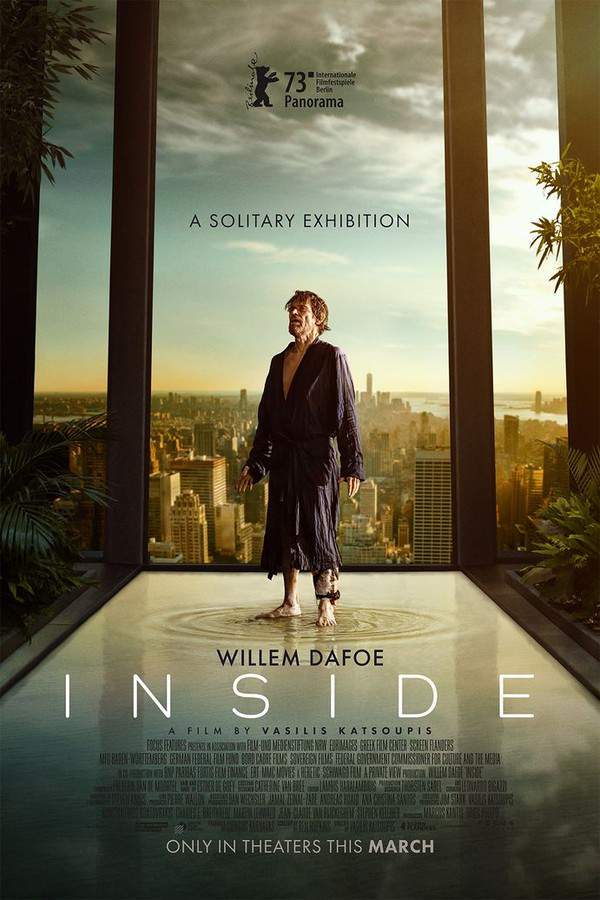
Inside
2023
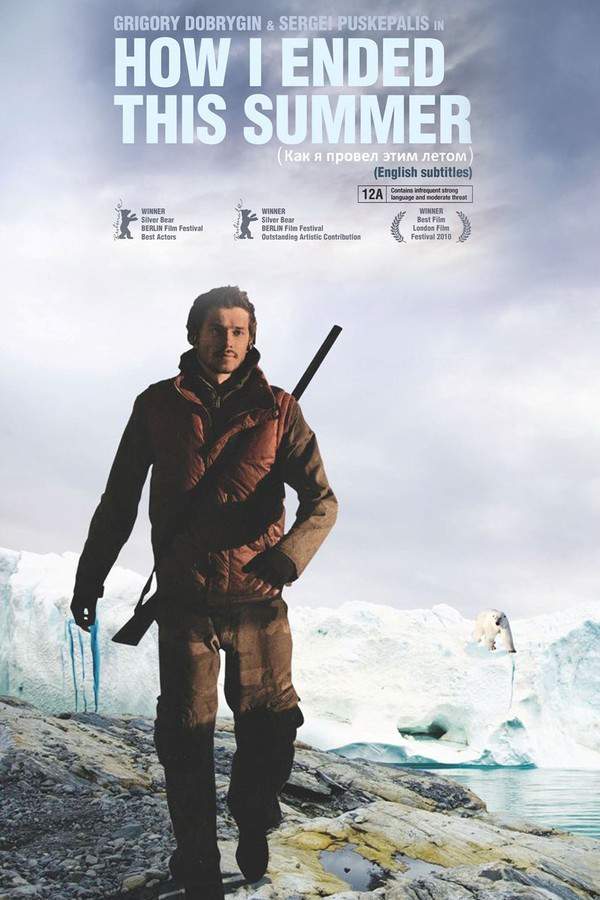
How I Ended This Summer
2011
Theorem
1968
Stranger by the Lake
2014
Narrative Summary
Narratives in this thread typically follow a stable protagonist whose life is disrupted by a mysterious catalyst—be it surveillance, a haunting memory, or an unexplained event. The plot unfolds not through action, but through the slow, relentless accumulation of doubt and fear, leading to a crisis of identity and often an ambiguous resolution.
Why These Movies?
Movies are grouped here based on their shared commitment to a slow, atmospheric build of tension, a central theme of psychological disintegration, and a tone of profound unease. They prioritize mood over plot mechanics, creating a similarly stressful and intellectually demanding viewing experience.
Movies about a haunting past like Caché (Hidden)
Films where buried secrets and guilt resurface to dismantle the present. For viewers who appreciated how Caché (Hidden) uses a mysterious threat to expose a buried secret, this section collects similar stories. These films explore themes of guilt, shame, and the inescapability of the past, often within a dramatic or thriller framework with complex moral questions.
Exposed
2016
The Debt
2011

Guilty Conscience
1985
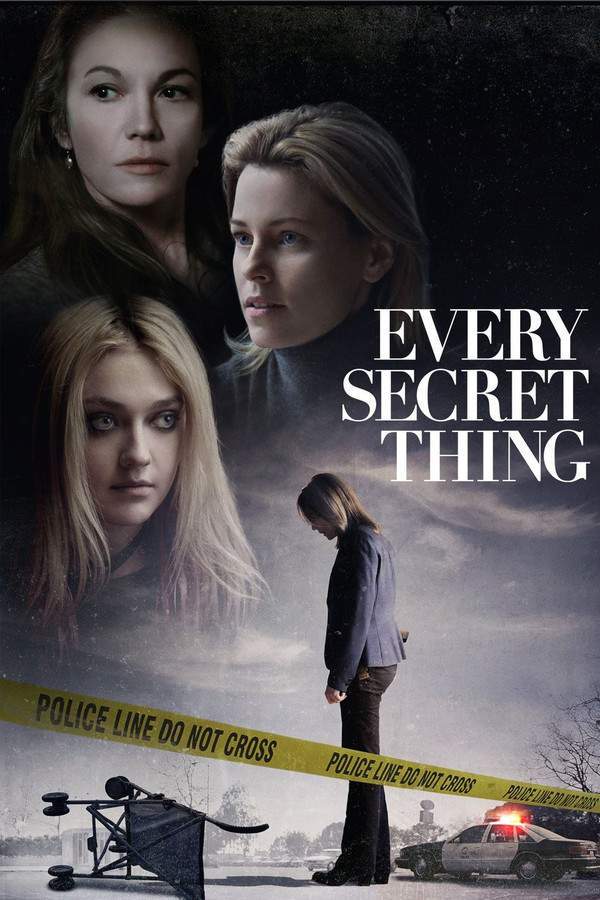
Every Secret Thing
2015

Genealogies of a Crime
1997
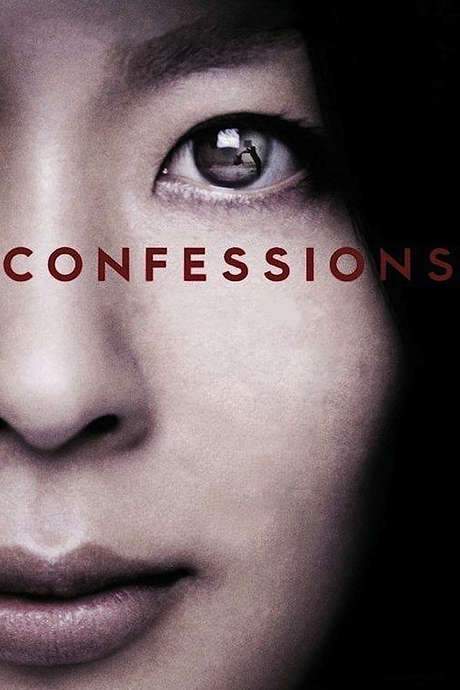
Confessions
2010

Ashes of Paradise
1997
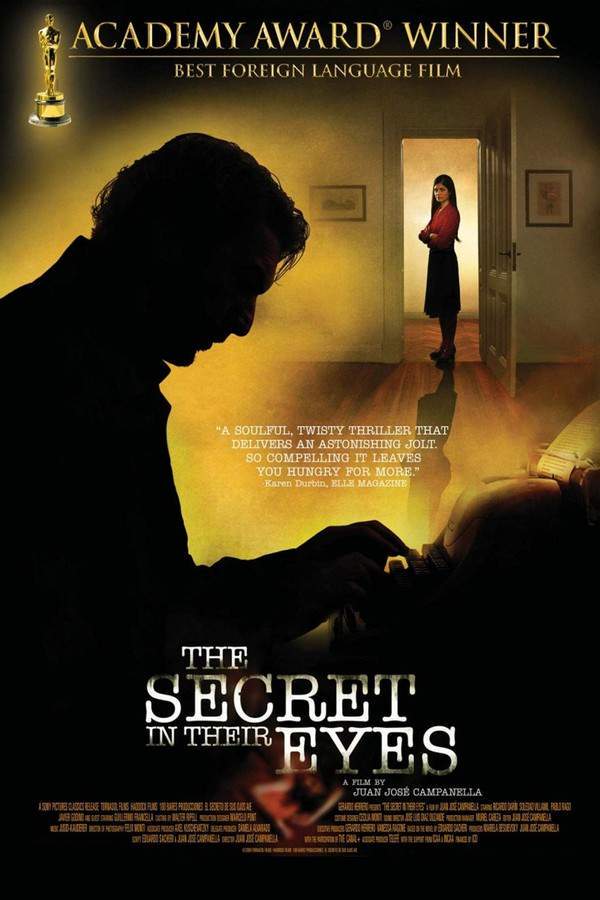
The Secret in Their Eyes
2010

Disappearance at Clifton Hill
2019
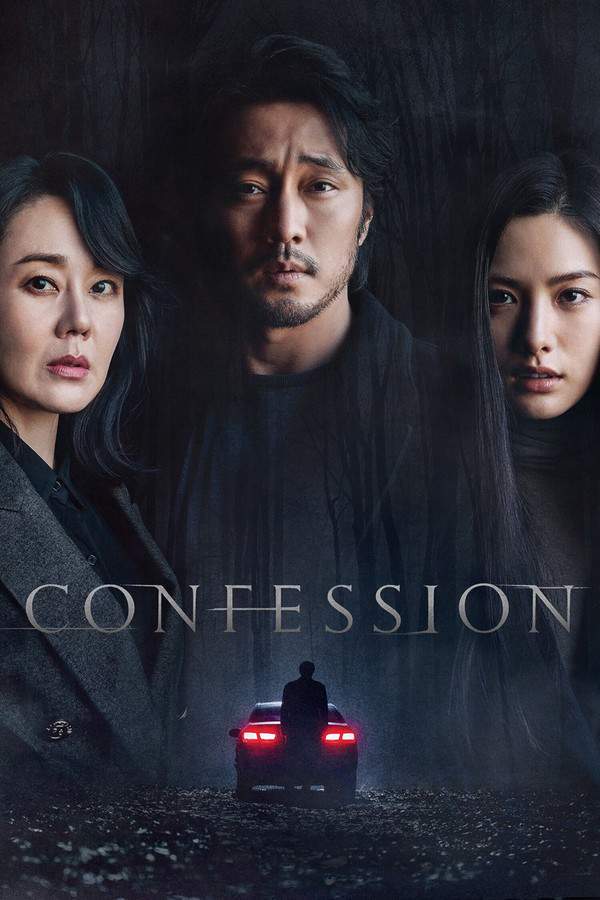
Confession
2022
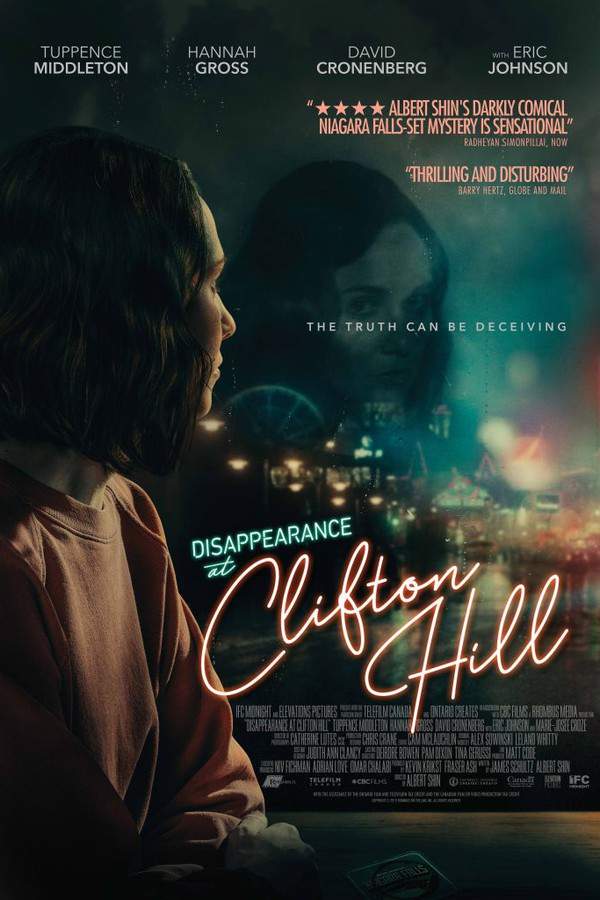
Disappearance at Clifton Hill
2020

Dark Places
2015
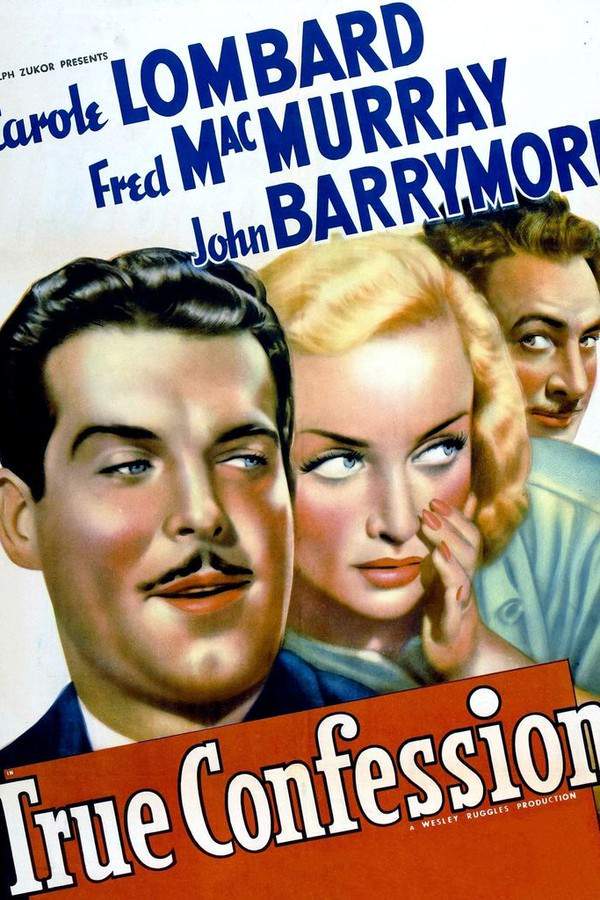
True Confession
1937

Classmates
2007

The Mother of All Lies
2024
Narrative Summary
The narrative pattern involves a protagonist living a comfortable life that is disrupted by the reemergence of a long-forgotten event or person. The story becomes an investigation of memory and responsibility, forcing the character to confront their own culpability. The journey is often melancholic and leads to a reassessment of their identity and moral standing.
Why These Movies?
These films are united by their thematic focus on the consequences of repressed memories and unacknowledged guilt. They share a heavy emotional weight, a tone of melancholic reflection, and a plot structure where the past acts as the primary antagonist, driving both the mystery and the character development.
Unlock the Full Story of Caché (Hidden)
Don't stop at just watching - explore Caché (Hidden) in full detail. From the complete plot summary and scene-by-scene timeline to character breakdowns, thematic analysis, and a deep dive into the ending - every page helps you truly understand what Caché (Hidden) is all about. Plus, discover what's next after the movie.
Caché (Hidden) Summary
Read a complete plot summary of Caché (Hidden), including all key story points, character arcs, and turning points. This in-depth recap is ideal for understanding the narrative structure or reviewing what happened in the movie.

Characters, Settings & Themes in Caché (Hidden)
Discover the characters, locations, and core themes that shape Caché (Hidden). Get insights into symbolic elements, setting significance, and deeper narrative meaning - ideal for thematic analysis and movie breakdowns.


Similar Movies to Caché (Hidden)
Discover movies like Caché (Hidden) that share similar genres, themes, and storytelling elements. Whether you’re drawn to the atmosphere, character arcs, or plot structure, these curated recommendations will help you explore more films you’ll love.



Explore More About Movie Caché (Hidden)
Caché (Hidden) (2005) Plot Summary & Movie Recap
Caché (Hidden) (2005) Scene-by-Scene Movie Timeline
Caché (Hidden) (2005) Spoiler-Free Summary & Key Flow
Movies Like Caché (Hidden) – Similar Titles You’ll Enjoy
Cul-de-sac (1966) Story Summary & Characters
Only the Animals (2021) Plot Summary & Ending Explained
Surveillance (2009) Full Movie Breakdown
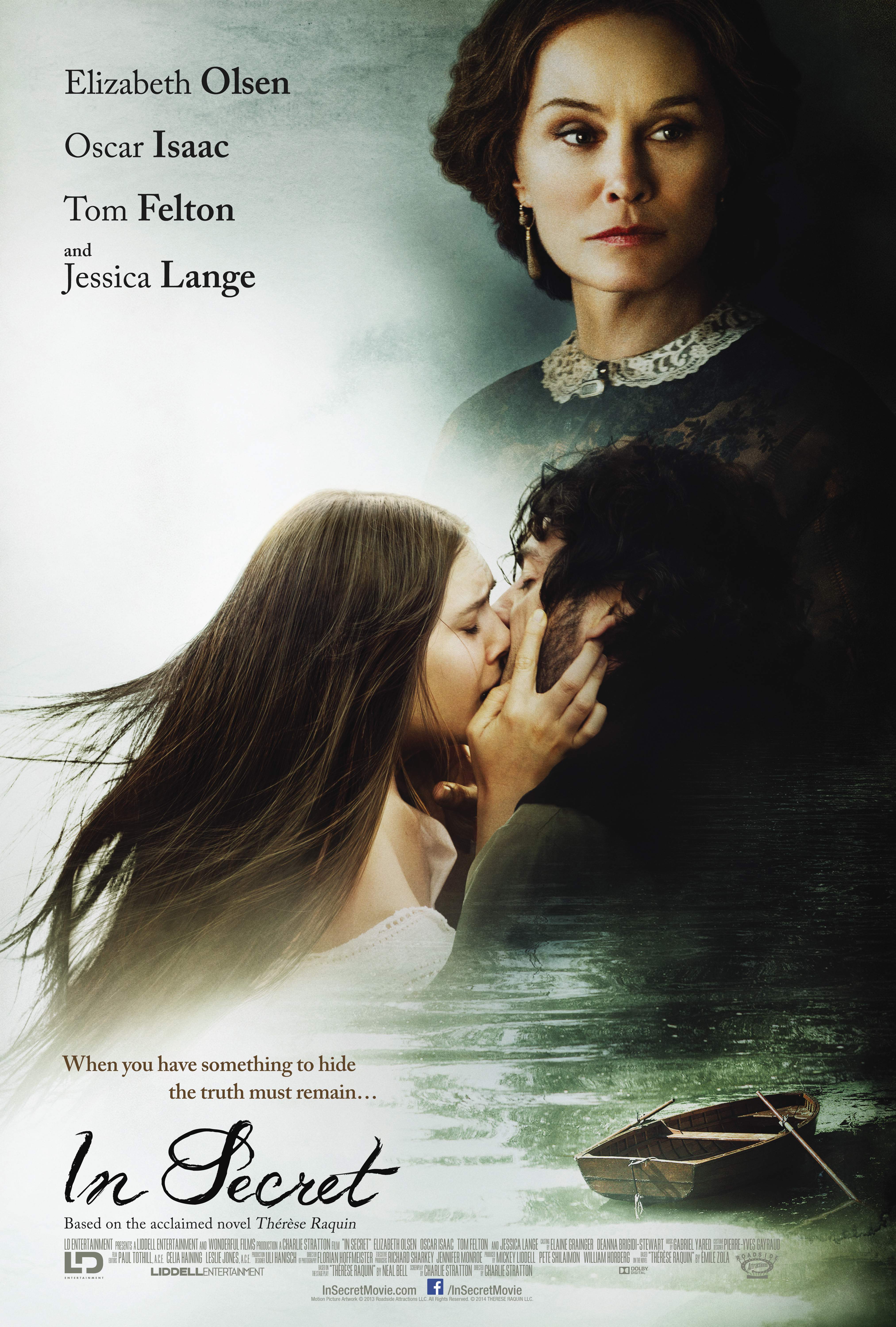
In Secret (2014) Full Movie Breakdown
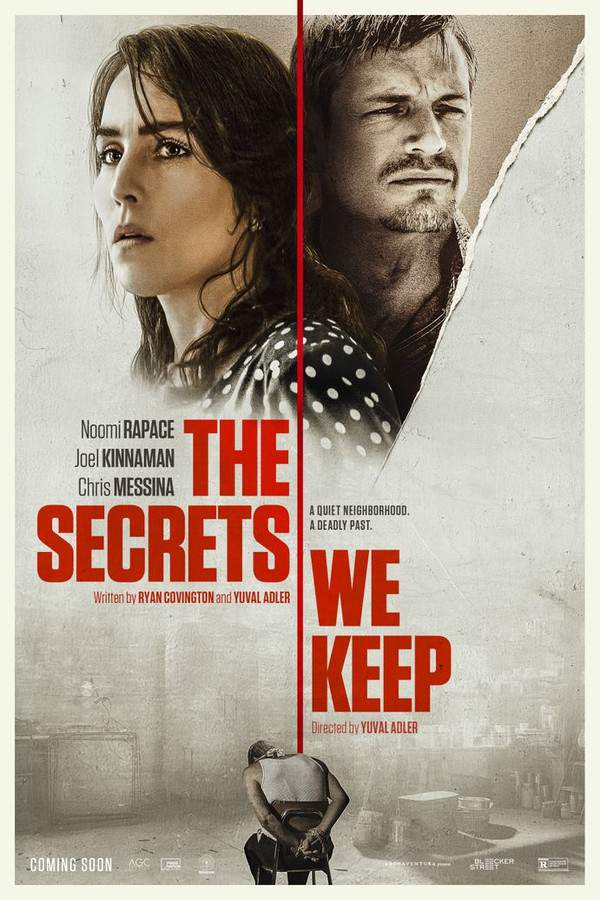
The Secrets We Keep (2020) Ending Explained & Film Insights
Hide and Seek (2005) Film Overview & Timeline
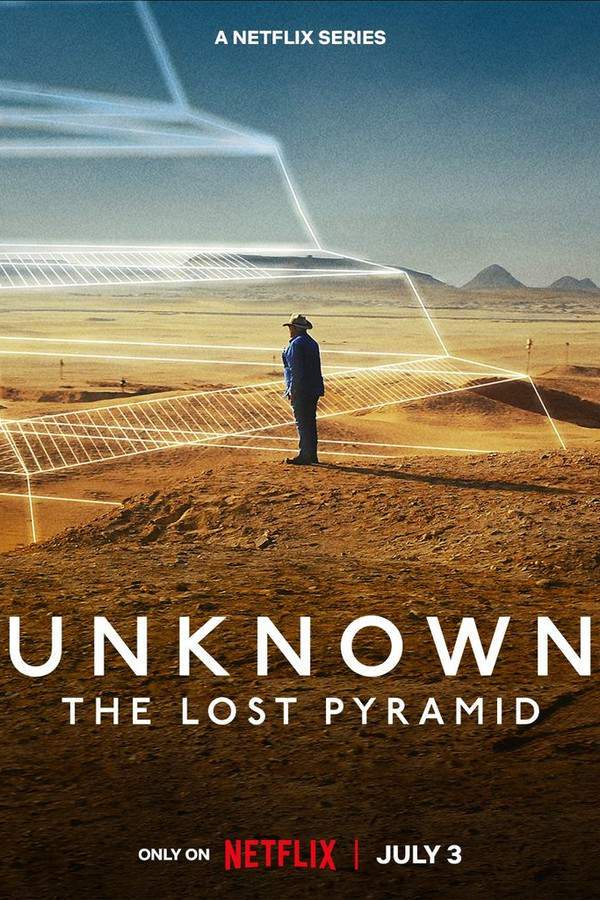
Unknown (2006) Complete Plot Breakdown
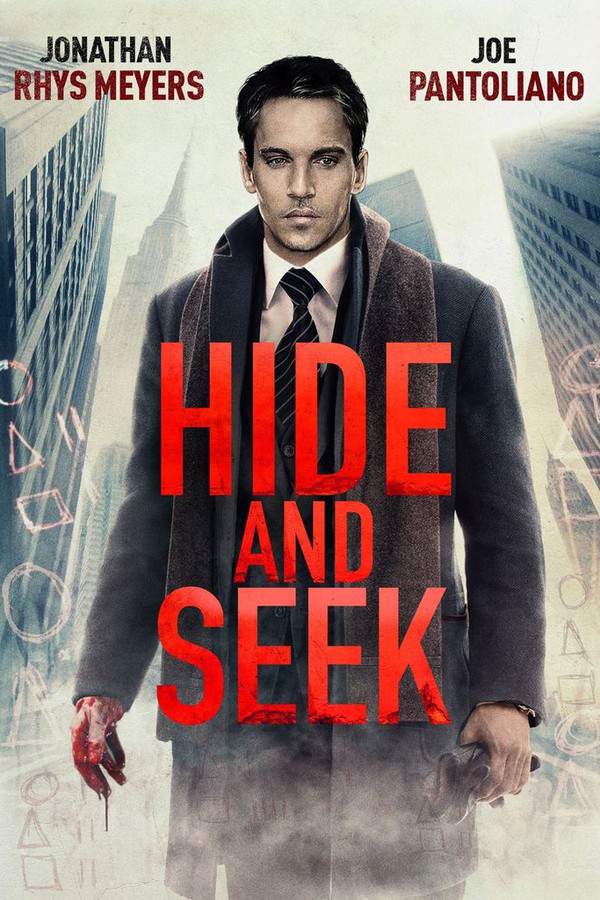
Hide and Seek (2021) Movie Recap & Themes
Comedy of Innocence (2000) Full Summary & Key Details
Caché (2005) Complete Plot Breakdown
La Ceremonie (1995) Story Summary & Characters
The Secret (1974) Spoiler-Packed Plot Recap
Catacombs (1965) Movie Recap & Themes
Hidden (2009) Story Summary & Characters
Seclusion (2025) Spoiler-Packed Plot Recap