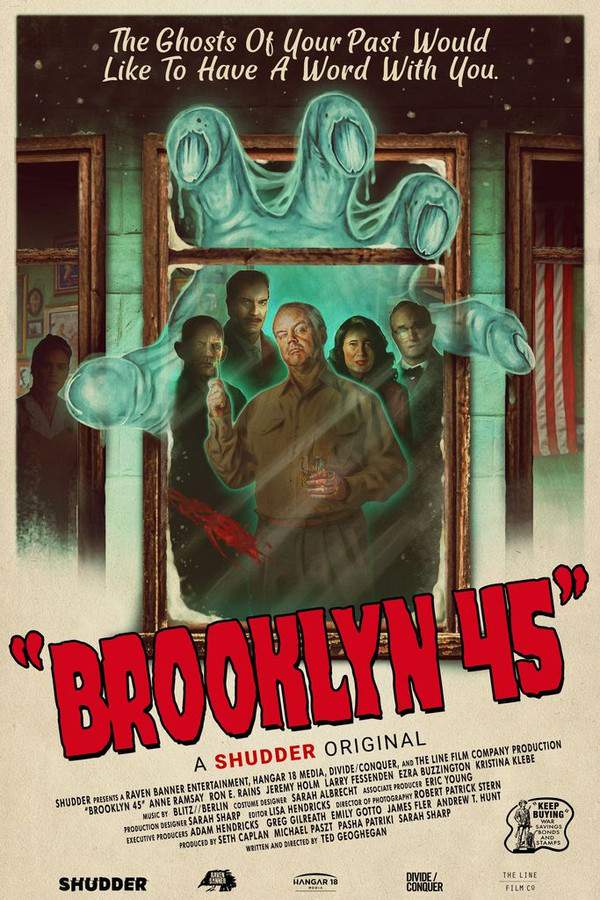
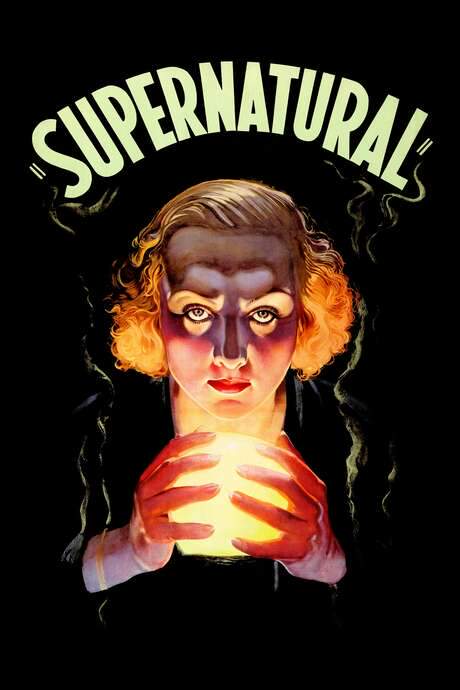
In the chilly evening of December 27, 1945, a tight‑knit circle of World II veterans returns to a modest Brooklyn brownstone for a night of drinks and reminiscence. The gathering takes place in the living room of their former commander, Clive “Hock” Hockstatter, whose home in Park Slope has become a quiet sanctuary for the group. Among the reunion are Marla Sheridan and her husband Bob, the stoic Archibald “Archie” Stanton, and the introspective Paul DiFranco. The city outside is still humming with post‑war optimism, but the interior feels like a preserved capsule of a bygone era, where laughter is tinged with the weight of years gone by.
Beneath the surface of friendly banter, each friend carries fragments of a shared, turbulent past. Hock, still reeling from the recent loss of his wife, wrestles with doubts about faith and finds himself drawn to the fringe practices of spiritualism as a way to make sense of his grief. He gently nudges the group toward an impromptu séance, hoping the ritual might offer a fleeting connection to something beyond the tangible. The suggestion introduces a subtle shift in tone, turning the evening from casual reunion to a tentative exploration of the unknown.
The house itself becomes an atmospheric character, its creaking floorboards and dim lamplight echoing the unease that settles over the friends as they sit in a circle. The séance promises a brush with the supernatural, hinting that the ghosts of their collective history may stir in ways they cannot fully anticipate. As candles flicker and the radio hums low, a palpable tension builds, suggesting that the night may force each participant to confront the hidden corners of their own memories.
What begins as a simple night of cocktails slowly transforms into a test of loyalty, belief, and survival. The friends must navigate an invisible boundary that seems to hold them in place, urging them to reckon with the secrets that have bound them together for decades. In this blend of period drama and restrained horror, the story invites viewers to wonder whether the lingering shadows of the past can ever truly be laid to rest, or if they will forever haunt the quiet rooms of a Brooklyn brownstone.