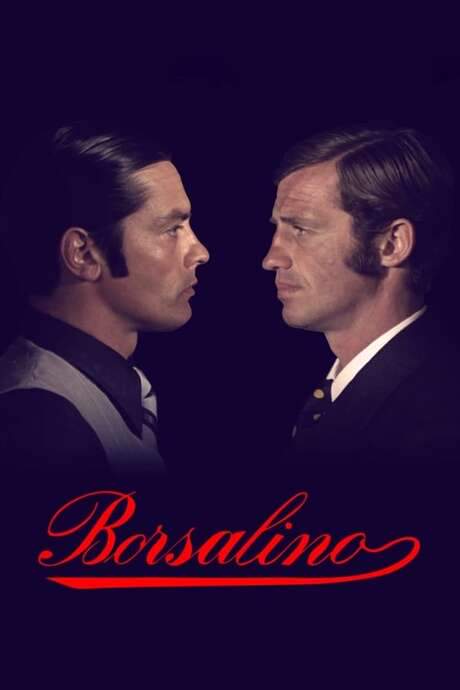
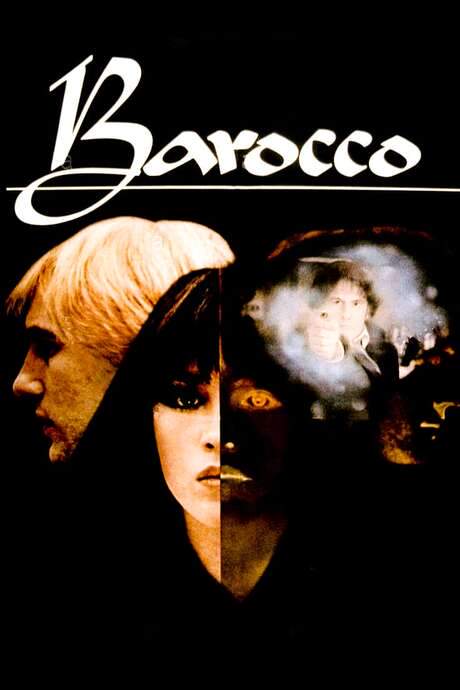
Set against the sunlit docks and shadowy backstreets of 1930s Marseille, Siffredi, a prominent gangster, Alain Delon rules a violent, fragile underworld where loyalty is costly and rivals wait for a slip. The peace is shattered when a new arrival, Volpone Riccardo Cucciolla, arrives with an order that reaches deep into Siffredi’s circle: Capella, the closest ally and confidant, is murdered by Volpone. The revelation ignites a brutal countdown to vengeance. In a decisive act of retribution, Siffredi hurls Volpone’s brother from a moving train, a murder that drags the city into a ravaging gang war. The conflict begins in earnest, a clash fought in alleyways, bars, and the smoky corridors of power, where each side uses intimidation, fear, and raw power to tilt the balance of Marseille’s crime scene in their favor.
The tide turns quickly against Siffredi. His enemies trap him, strip him of dignity, and force a catastrophic humiliation: he becomes an alcoholic wreck, confined to a psychiatric hospital where the world he once ruled seems to have forgotten him. The only glimmer of hope comes from the loyalty of the gang’s sole survivor, who helps Siffredi escape by boat to Italy. The city of Marseille carries on under Volpone’s shadow, a state where the reach of Nazi Germany grows and the police are effectively in Volpone’s pocket, turning the regime of crime into a tool of political power and intimidation.
Three years pass, and Siffredi returns with a new resolve. He has rebuilt his health, amassed a fresh crew, and plotted a more calculated rise. Back in Marseille, Lola—his longtime ally and the woman he loves—is held in a brothel, a symbol of Volpone’s coercive grip on the city’s most vulnerable. Siffredi’s crew stages a daring operation to free Lola, and with striking speed they decimate Volpone’s remaining men, reclaiming streets and reputations alike. The violence resumes, but this time it is a calculated, public confrontation designed to expose the corruption that has long protected Volpone. Siffredi captures Volpone’s right-hand man and teams up with a sympathetic police commissioner to publicly humiliate the regime’s enforcers, a spectacle meant to swing public opinion in their favor. The moment folds into international headlines when journalists are brought in to document the breakdown of Volpone’s empire, a deliberate act that transforms the conflict from street warfare into a televised indictment of crime and complicity.
Yet the battle is far from over. A new police commissioner emerges, one who ultimately decides to let Siffredi finish the job, removing any lingering doubt about who holds the ultimate power in Marseille’s underworld. When Volpone attempts to flee to Germany, Siffredi corners him on a speeding train and completes his long arc of vengeance by stuffing the gambler-king into the firebox of the locomotive, a brutal image that seals Volpone’s fate and signals the end of an era. The city’s old order collapses under the heat of pursuit, and the man who rose from the docks to command the night finally looks for a new horizon. With Lola by his side and the remnants of his gang behind him, Siffredi sails away from Marseille—this time toward the United States—leaving behind a city that has learned the cost of power, loyalty, and revenge.
Throughout the film, the cast threads a tense, noir-tinged tapestry of ambition, corruption, and survival. The threads tied to Marseille’s underworld are pulled taut by Siffredi’s unyielding will, Lola’s steadfast courage, and the chilling presence of Volpone and his network of influence. The story combines intimate, character-driven moments with wide-scale, operatic violence, painting a portrait of a city where crime and politics intersect, and where the price of supremacy is paid in risk, betrayal, and the relentless pursuit of a final, undeniable justice.