Year: 2011
Runtime: 165 mins
Language: Urdu
Director: Shoaib Mansoor
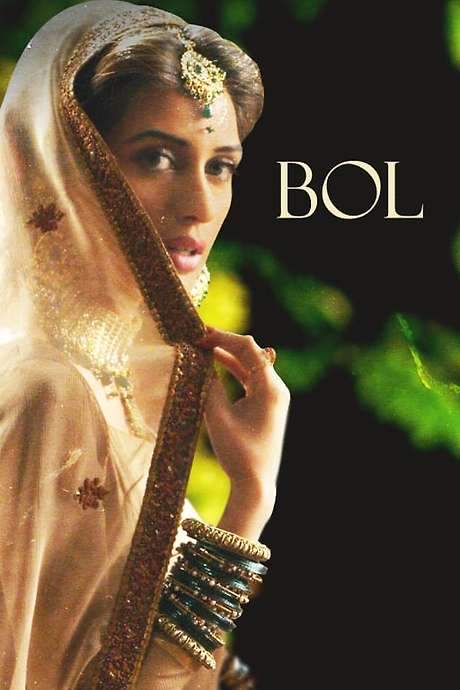
If taking a life is a crime, why is giving a life not a crime? The patriarch of a religious Muslim family refuses to accept his intersex child, tearing his family apart.
Find where to stream, rent, or buy Bol (2011) in the US with current JustWatch availability, up-to-date pricing, and platform listings for subscription, rental, and digital purchase options.
Warning: spoilers below!
Haven’t seen Bol yet? This summary contains major spoilers. Bookmark the page, watch the movie, and come back for the full breakdown. If you're ready, scroll on and relive the story!
Explore the full timeline and setting of Bol (2011). Follow every major event in chronological order and see how the environment shapes the story, characters, and dramatic tension.
Last updated: October 04, 2025 at 08:17
Meet the key characters of Bol (2011), with detailed profiles, motivations, and roles in the plot. Understand their emotional journeys and what they reveal about the film’s deeper themes.
Last updated: October 04, 2025 at 08:17
Explore the central themes of Bol (2011), from psychological, social, and emotional dimensions to philosophical messages. Understand what the film is really saying beneath the surface.
Last updated: October 04, 2025 at 08:17
Browse frequently asked questions about Bol (2011) focused on characters, relationships, themes, symbols, setting, and story context. This movie info FAQ gives spoiler-aware explanations for character arcs, world details, and thematic interpretation so readers can better understand what the film is really about.
The film is set in contemporary Pakistan, using public spaces like a jail, presidential office, and mosque-supported community to frame the conflict between tradition, religious authority, and modern media scrutiny. The urban Pakistani setting emphasizes the tension between rigid gender roles and those who challenge them, while showcasing how institutions interact with personal family tragedies.
Bol is set in early 2010s Pakistan, a period when media coverage, political offices, and legal procedures were shaping social discourse. This era's visibility around gender debates, class tensions, and the intersection of traditional justice with modern communication methods influences how Zainab's story becomes a public reckoning.
The film portrays patriarchy as a system where Hakim, the devout father, uses religion, money, and status to control his family. Women bear the consequences of male dominance through enforced obedience, limited autonomy, and violence. Zainab's fight to protect her daughters exposes the high cost of challenging entrenched gender roles, questioning whether religious or familial authority can justify oppression.
Zainab strategically calls for the press to record her hanging, transforming her personal tragedy into a public act that exposes abuse and forces societal dialogue about justice. Media coverage becomes a catalyst for accountability, revealing hidden wounds within the family and the legal system. The film presents journalism as a tool that can spark social reflection and potential reform.
Despite experiencing profound loss, Zainab's sisters unite to redefine their future by establishing Zainab's Cafe, creating economic stability and a space for healing. The narrative emphasizes intergenerational bonds and communal care as a response to injustice, showing how the family transforms suffering into solidarity and entrepreneurship.
The story portrays a flawed justice system where bribery, cover-ups, and institutional pressure allow power to distort accountability. The president's involvement hints at potential reforms while maintaining systemic tension. The conclusion suggests that collective action and memory can challenge corrupted structures, even when individual justice remains elusive.
Zainab is the central storyteller and survivor who faces a death sentence rather than accept oppression. Through her final interview, she catalyzes a public reckoning with gendered violence and family duty. She embodies resilience, sacrifice, and the complexity of moral choices under extreme pressure, becoming a symbol of resistance against patriarchal violence.
Hakim Shafatullah is the devout, controlling father who uses money, religion, and social status to suppress dissent and enforce conformity within his family. He orchestrates abuse, bribery, and ultimately murder, illustrating the violence inherent in patriarchal authority. His actions trigger the chain of tragedies that drive the narrative forward.
Saifi is an intersex child whose existence becomes a catalyst for the film's central conflicts. Facing harassment, secrecy, and violence as gender norms collide with family protection, Saifi's experiences expose the rigid social expectations around gender in Pakistani society and trigger the chain of events that unfold throughout the story.
Religion in the film is portrayed as a tool that can be manipulated by patriarchal figures like Hakim to justify control and violence against family members. The film explores how religious authority is weaponized to enforce conformity, while also showing religious spaces like mosques as part of the broader community fabric. The tension between faith's spiritual meaning and its misuse for oppression is a central concern.
Discover curated groups of movies connected by mood, themes, and story style. Browse collections built around emotion, atmosphere, and narrative focus to easily find films that match what you feel like watching right now.
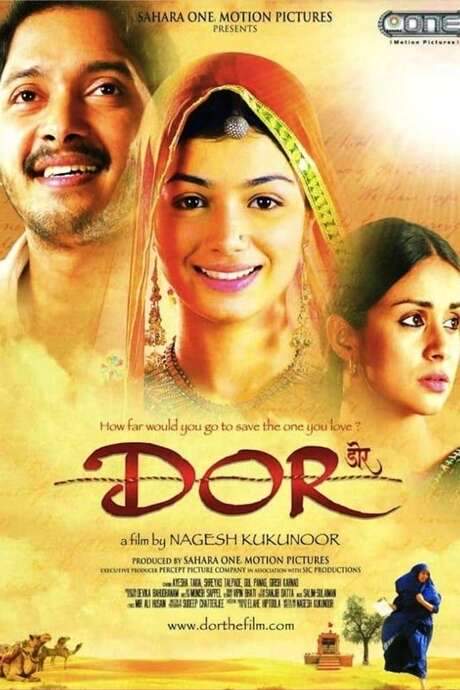
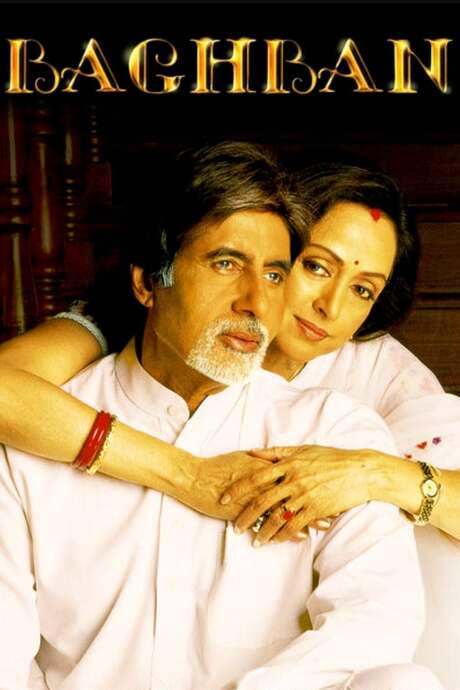
Stories where desperate acts arise from rigid beliefs and social injustice.If you were gripped by the moral dilemma and tragic crime in Bol, explore these other powerful films. This list features movies like Bol that examine desperate acts born from rigid belief systems and social injustice, creating heavy, thought-provoking drama.
The narrative typically begins with a character trapped by an oppressive system—often familial or religious. Their attempts to resist or survive lead to a climactic, morally ambiguous crime, followed by a tense aftermath exploring guilt, punishment, and the broader societal failure.
Movies in this thread are united by their focus on crime as a symptom of deeper societal ills. They share a dark tone, high emotional intensity, and a steady, deliberate pacing that allows the moral weight of the situation to fully sink in, leading to bittersweet or tragic conclusions.
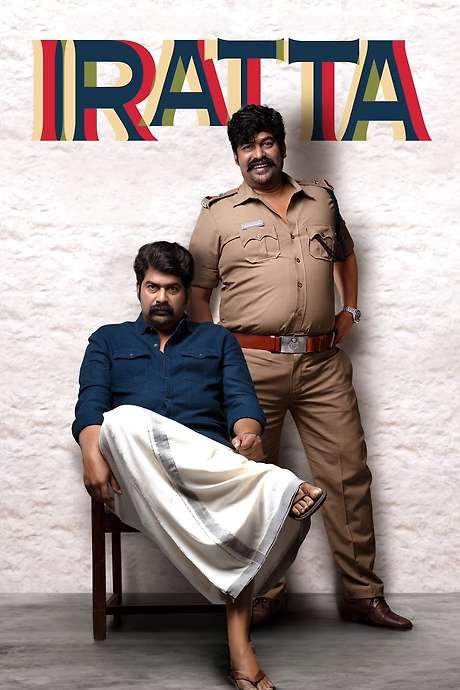
Heartbreaking journeys where characters endure immense pain but find a glimmer of hope.For viewers moved by the heartbreaking suffering and resilient spirit in Bol, this collection offers similar emotional journeys. Discover movies like Bol that feature characters enduring immense hardship, showcasing strength and leaving a legacy of hope after tragedy.
These stories follow a character or family through a relentless series of hardships and injustices. The narrative arc is less about triumph and more about survival and the preservation of dignity. The ending often provides a small but significant note of hope, change, or inspiration born from the protagonist's sacrifice or endurance.
They are grouped by their heavy emotional weight and the central theme of resilience amidst darkness. They share a gripping, heartbreaking mood, a steady pace that allows the suffering to feel palpable, and a bittersweet emotional resolution that acknowledges the pain while honoring the strength to endure it.
Don't stop at just watching - explore Bol in full detail. From the complete plot summary and scene-by-scene timeline to character breakdowns, thematic analysis, and a deep dive into the ending - every page helps you truly understand what Bol is all about. Plus, discover what's next after the movie.
Read a complete plot summary of Bol, including all key story points, character arcs, and turning points. This in-depth recap is ideal for understanding the narrative structure or reviewing what happened in the movie.
Track the full timeline of Bol with every major event arranged chronologically. Perfect for decoding non-linear storytelling, flashbacks, or parallel narratives with a clear scene-by-scene breakdown.