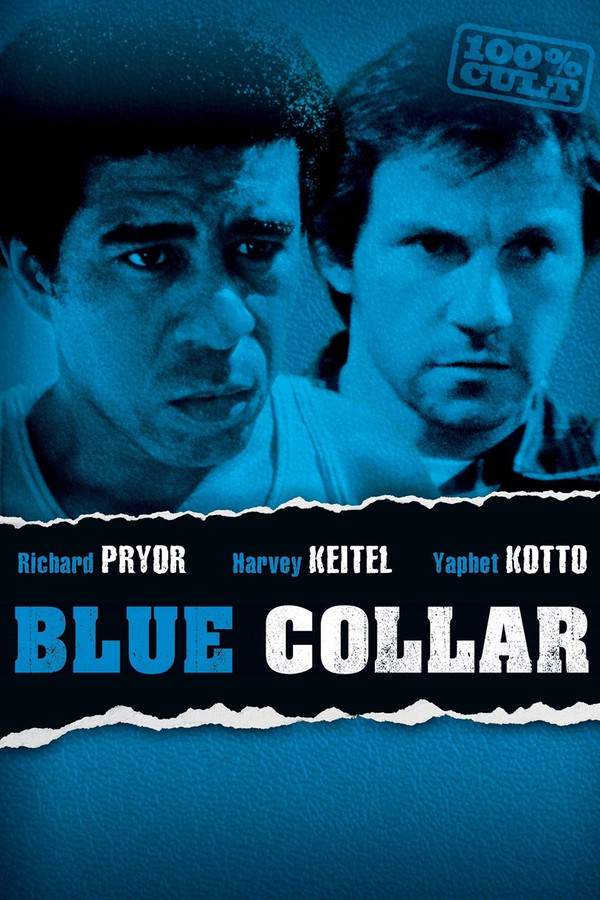






Blue Collar

Blue Collar

Year: 1978

Runtime: 114 min

Language: English

Director: Paul Schrader

DramaCrime

Three friends working at a car plant find solace in their nightly routines. A seemingly harmless heist of their union's safe unexpectedly uncovers damaging evidence. Driven by a desire for retribution, they decide to blackmail the union, exposing a web of corruption and deceit within their own working-class community. The scheme quickly spirals into a dangerous game with far-reaching consequences.

Warning: spoilers below!

Haven’t seen Blue Collar yet? This summary contains major spoilers. Bookmark the page, watch the movie, and come back for the full breakdown. If you're ready, scroll on and relive the story!

Timeline & Setting – Blue Collar (1978)

Explore the full timeline and setting of Blue Collar (1978). Follow every major event in chronological order and see how the environment shapes the story, characters, and dramatic tension.

Time period

Late 1970s

The events unfold in the late 1970s, a period of economic strain for Detroit's automotive industry. Unions wield influence while wages, debt, and predatory lending press on workers. The era's atmosphere of financial precariousness fuels desperate decisions and exposes systemic corruption.

Location

Detroit, Michigan, Hamtramck, Michigan

The story is set in and around Detroit's industrial heart, centered on auto plants and dense blue-collar neighborhoods. Hamtramck, a nearby enclave, features as the home base for the workers. The environment reflects a working-class city where factory life, union activity, and street-level struggles shape daily choices and tensions.

🏭 Industrial city 🚗 Auto manufacturing hub 🌆 Urban working-class neighborhoods

Last Updated: November 22, 2025 at 15:24

Main Characters – Blue Collar (1978)

Meet the key characters of Blue Collar (1978), with detailed profiles, motivations, and roles in the plot. Understand their emotional journeys and what they reveal about the film’s deeper themes.

Ezekiel 'Zeke' Brown (Yaphet Kotto)

Zeke Brown is a pragmatic, streetwise auto worker from Detroit who becomes entangled in the trio's crime and the union's machinery. He is wary of both management and union bosses, pursuing stability and advancement within the system. Toward the end, his position within the union blurs his sense of friendship and justice, leading him to prioritize status over Smokey's murder and his relationship with Jerry.

🏭 Union worker 💼 Corruption 🧭 Moral conflict

Sam 'Smokey' James (Richard Pryor)

Smokey James is a debt-ridden, quick-witted worker who sees the heist as a way to ease immediate financial pain. He takes bold, risky steps to solve his money problems and becomes deeply loyal to his friends, even as his decisions heighten their peril. His life ends in a manner that highlights the cost of defying a corrupt union and mob-backed power structure.

💰 Financial desperation 🔒 Risk-taking 🤝 Loyalty to friends

Jerry Bartowski (Harvey Keitel)

Jerry Bartowski is a white, Polish-American worker from Hamtramck juggling a second job and mounting bills. He begins as a willing participant in the plan but evolves into the moral center who ultimately cooperates with the FBI to expose corruption. His arc centers on balancing loyalty to friends with the pursuit of justice against a powerful system.

🏭 Working-class identity 💼 Financial strain 🕵️‍♂️ Collaboration with authorities

Last Updated: November 22, 2025 at 15:24

Major Themes – Blue Collar (1978)

Explore the central themes of Blue Collar (1978), from psychological, social, and emotional dimensions to philosophical messages. Understand what the film is really saying beneath the surface.

⚖️ Corruption

Corruption threads through both the union hierarchy and organized crime, illustrating how power brokers manipulate workers’ lives. A ledger of illegal loans and mob connections exposes a system where loyalty to the organization outweighs justice. The characters’ crimes and retaliations reveal how corruption corrodes trust and accountability in the workplace.

🤝 Loyalty and Betrayal

Friendship under pressure fractures as fear and self-preservation take precedence over solidarity. Zeke’s pragmatism clashes with Jerry’s moral code, driving a rift that mirrors the larger conflict between workers and corrupt leadership. The film tracks how loyalty can yield to betrayal when the cost of standing up becomes untenable.

💸 Economic Struggle

Desperation over mounting debts, medical bills, and unstable jobs pushes the trio toward a dangerous heist. Each man uses risky means to secure a better future for his family, illustrating how personal finances become a catalyst for crime. The film ties individual hardship to a broader, systemic crisis in a declining post-industrial city.

Last Updated: November 22, 2025 at 15:24

Mobile App Preview

Coming soon on iOS and Android

The Plot Explained Mobile App

From blockbusters to hidden gems — dive into movie stories anytime, anywhere. Save your favorites, discover plots faster, and never miss a twist again.

Sign up to be the first to know when we launch. Your email stays private — always.

Explore Movie Threads

Discover curated groups of movies connected by mood, themes, and story style. Browse collections built around emotion, atmosphere, and narrative focus to easily find films that match what you feel like watching right now.

Thrillers of desperate schemes and paranoia like Blue Collar

When a small crime spirals into an inescapable nightmare of distrust and danger.Explore movies like Blue Collar where a simple plan backfires spectacularly. If you enjoyed the tense descent into distrust and danger as three workers blackmail their union, you'll find similar stories of moral collapse and escalating consequences in these gripping crime and drama films.

paranoidanxiousgrittydesperationbetrayalclaustrophobictensedanger

Narrative Summary

The narrative pattern typically begins with a catalyst—a heist, a blackmail attempt, a lie—that seems to offer a solution to a pressing problem. This action immediately triggers a chain reaction, drawing the protagonists into a conflict with a far more powerful and organized antagonist. The plot focuses on the psychological unraveling of the characters as they are hunted, manipulate each other, and struggle to survive a situation they no longer control, often leading to tragic betrayals.

Why These Movies?

Movies are grouped here based on their shared core structure: a small-time crime that snowballs into a life-or-death crisis. They share a tense, gritty tone, a steady pacing that builds unbearable pressure, and a heavy emotional weight centered on the fragility of loyalty under extreme duress. The viewing experience is defined by a palpable sense of entrapment and looming doom.
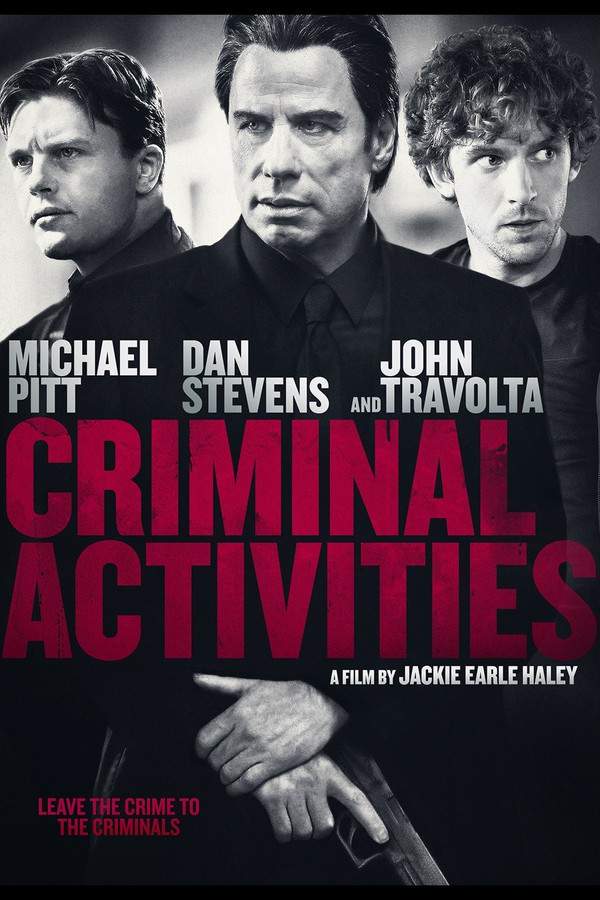
Gritty dramas of class struggle and betrayal like Blue Collar

Stories where friendship fractures under the immense pressure of systemic corruption and economic despair.Discover movies similar to Blue Collar that delve into the harsh realities of working-class life and the moral compromises it demands. If you were captivated by the themes of union corruption, fractured friendship, and the heavy cost of fighting back, this collection of dramatic and crime stories captures the same raw, oppressive vibe.

grittyoppressivefrustratedmelancholicbetrayalclass struggledesperationcorruption

Narrative Summary

The narrative journey centers on a close-knit group, often friends or colleagues, who are united by their shared struggle against an unfair system. Their attempt to gain leverage or justice—whether through direct confrontation or a clandestine scheme—places unbearable strain on their relationships. The central conflict becomes internal as much as external, focusing on the agonizing choices that lead to betrayal, showcasing how systemic injustice preys on personal loyalties.

Why These Movies?

These films are connected by their oppressive mood, focus on class struggle, and the theme of friendship destroyed by external pressures. They share a heavy emotional weight, a steady, deliberate pacing that allows the tension to simmer, and a consistently tense or bleak tone. The setting and characters feel authentically grounded in a specific, often harsh, socio-economic reality.

Unlock the Full Story of Blue Collar

Don't stop at just watching — explore Blue Collar in full detail. From the complete plot summary and scene-by-scene timeline to character breakdowns, thematic analysis, and a deep dive into the ending — every page helps you truly understand what Blue Collar is all about. Plus, discover what's next after the movie.

Blue Collar Summary

Read a complete plot summary of Blue Collar, including all key story points, character arcs, and turning points. This in-depth recap is ideal for understanding the narrative structure or reviewing what happened in the movie.

Blue Collar Summary

Blue Collar Timeline

Track the full timeline of Blue Collar with every major event arranged chronologically. Perfect for decoding non-linear storytelling, flashbacks, or parallel narratives with a clear scene-by-scene breakdown.

Blue Collar Timeline

Blue Collar Spoiler-Free Summary

Get a quick, spoiler-free overview of Blue Collar that covers the main plot points and key details without revealing any major twists or spoilers. Perfect for those who want to know what to expect before diving in.

Blue Collar Spoiler-Free Summary

More About Blue Collar

Visit What's After the Movie to explore more about Blue Collar: box office results, cast and crew info, production details, post-credit scenes, and external links — all in one place for movie fans and researchers.

More About Blue Collar

Similar Movies to Blue Collar

Discover movies like Blue Collar that share similar genres, themes, and storytelling elements. Whether you’re drawn to the atmosphere, character arcs, or plot structure, these curated recommendations will help you explore more films you’ll love.